

5 Major Advantages Of Electric Stovetops
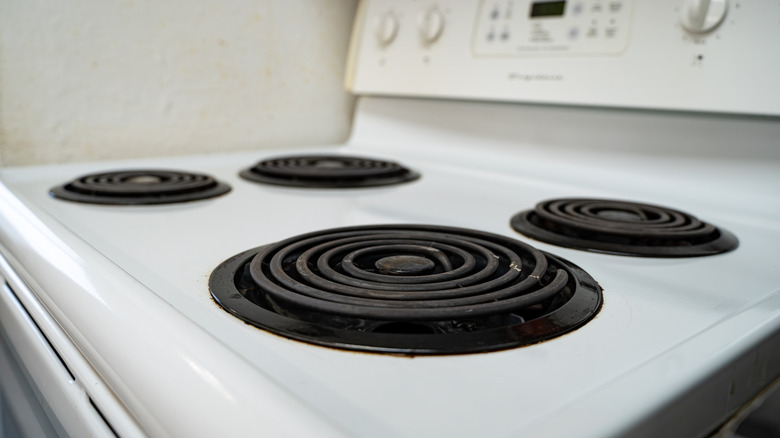
There are many great cooking appliance debates. Charcoal or gas grill? Crock-Pot or Instant Pot? One of the many choices home cooks might need to make (or in some cases, have forced upon them by landlords or law) is whether to opt for an electric or gas stovetop. As always, there are pros and cons to every side of a debate. To help you make a decision, we rounded up five of the major advantages of electric stovetops. Note that we will be discussing electric stovetops in general, and coil and radiant varieties in specifics, which are heated by raised metal coils or resistance-wire heating elements underneath a smooth glass top. Induction stovetops have their own set of advantages and disadvantages of cooking to consider.
First of all, it is easier and cheaper than ever to install an electric stovetop these days, as many households are already equipped to accommodate them. There's a small learning curve to using an electric stove, whether you are coming from a gas stovetop background or are brand-new to home cooking, but it's not difficult. Almost all types of pots and pans will work on electric stoves, and these stovetops are generally easier to clean than gas stovetops. They are also unquestionably safer than gas stovetops, making them an ideal choice for anyone looking to cook daily at home. Let us get into these points one by one.
Electric stovetops are easy and affordable to install
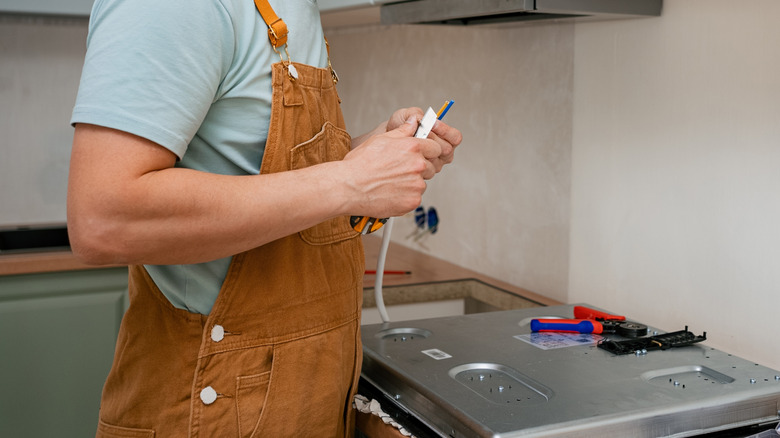
Installation for electric stovetops is a relatively straightforward process. Your kitchen just needs to be wired with the appropriate voltage requirements for it, and typically 240 volts is what is necessary. These days, many newer residential areas and buildings are even developed with electric kitchens in mind, so you may not have to worry about hooking up a gas line, much less sourcing a gas tank. And since natural gas use in new buildings is already restricted in the state of New York, it may be a matter of time before other states follow suit.
According to Rewiring America, installations for coil and radiant smooth-top stoves are significantly cheaper than for induction stovetops. There is an average installation cost of about $700 for coil and radiant smooth-top stovetops, while an induction stovetop costs about an average of $1,300 in comparison. For any electric stovetop option, homeowners may be entitled to a rebate of up to $840 when switching over from gas, thanks to the Home Electrification and Appliance Rebates (HEAR) Program. The exact amount of rebates will depend on your state and household income, as this is primarily targeted at lower- to middle-income families.
The learning curve is not steep
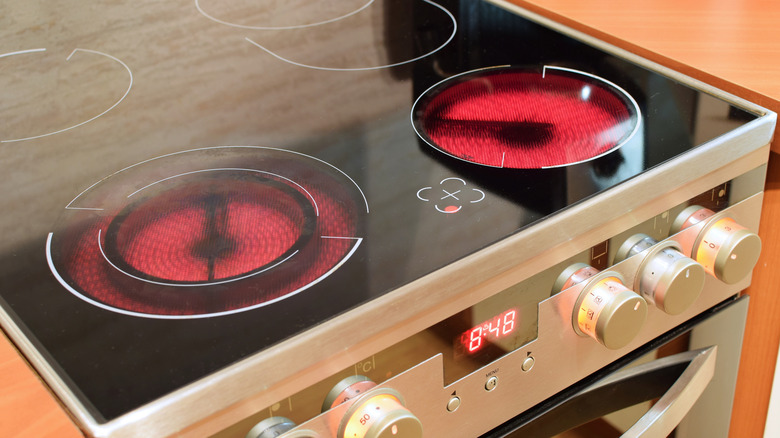
There are several tips to help you master the switch from a gas to an electric stove, from getting used to the different time it takes to heat up to settling into a cleanup routine. But in terms of simply using it? When compared to an induction stovetop, the physics of it is relatively straightforward. You turn a knob, the hob gets hot, and off you go. Even stovetops of the radiant variety work the same way. Although covered in ceramic glass, there are heating elements that heat up the glass, which transfers heat to your pot.
In comparison, induction stovetops have a bit more of a learning curve, what with the electromagnetic field heating up the cookware instead of the hob. So if you turn off an induction stovetop, the surface of the hob is safe to touch even mere moments later, because it was the pot that heated up. But if you are using a coil or radiant smooth top? Residual heat carries over when you turn off the power. Though this takes some getting used to, it's not difficult to learn.
Almost any pots and pans will work
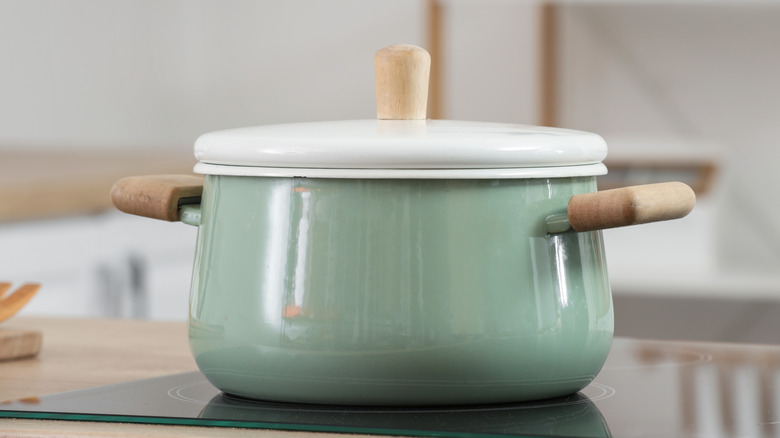
If you are using a standard electric stovetop, pots and pans made of almost any material will be compatible. But you do not have to concern yourself with testing the bottoms of your existing cookware with a magnet like you would for an induction stovetop. Unlike cookware you can't use on an induction stovetop, even ceramic pans and copper pots will still work.
That said, there are still plenty of cookware-related things you are probably doing wrong on your electric stove. Ensure your pots and pans have flat bases, so they maintain a maximum area of contact with the burner, which is different than gas stovetops where round-bottom pans like woks allow the flames to lick up the sides. The size of the pot's base and the burner should also match to minimize energy loss, which can help save you money on utility bills in the long run. And if your electric stovetop is of the radiant smooth-top variety, avoid dragging heavy cookware across its surface or you might scratch it, or even worse, cause it to chip or crack.
Electric stovetops are generally easy to clean
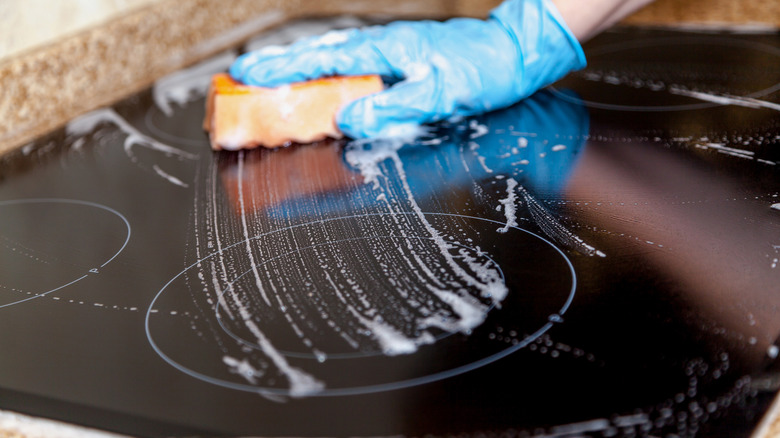
Electric stovetops are comparatively easier to clean than gas stovetops. Radiant smooth-top stoves are probably even the easiest type of stove to clean. While cooking oils and grease aerosolize no matter what stovetop you use, the live fire from gas will actually singe these fats. While that creates the coveted wok hei, that smoky flavor beloved of stir-fries, it also creates a bit more mess than an electric stovetop would. That is not to say your electric stove will be free of stains, just less so. Regular cleanup is necessary since stains can be burnt onto the stovetop over time and make it even harder to clean later.
So what are the best ways to clean an electric stovetop? As mentioned, radiant smooth tops are quite straightforward to clean. Just make sure the stove is off and cool to the touch before attempting to use any cleaning materials on it. Spot cleaning with a paste made of baking soda and water will help eliminate almost any tough stain. And if you are using an electric stovetop of the coil variety, make sure to remove the coils when cleaning. Avoid letting the electric connections come in contact with water and ensure everything is completely dry before reconnecting all the parts. This will help keep your electric stovetop in perfectly good and clean shape.
Electric is safer compared to gas stovetops
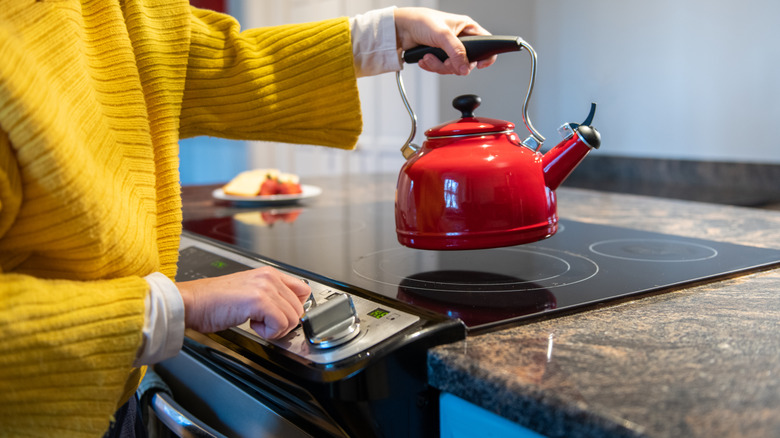
Electric stovetops as a whole are much safer than gas stovetops. Yes, the surfaces of coil and radiant electric stovetops do still get hot. They are supposed to, unlike induction varieties which work by directly heating the cookware. Many models of electric stovetops even visibly get hot, appropriately glowing red to signify that the hob is on. That said, the lack of a live flame makes a huge difference in terms of safety concerns. You will still need to maintain a clean and neat environment around the stove, as said lack of flame only makes it less easy for nearby items to catch fire, not impossible.
There also is no gas line or gas tank to worry about with electric stovetops, which means you do not have to be on guard for potential gas leaks. Additionally, while ventilation is important no matter the kind of stovetop you are using, gas stoves specifically are linked to a number of health concerns. Most notably, according to two meta-analyses of gas stove emissions in 1992 and 2013 (via Environmental Health Perspectives), nitrogen dioxide emissions are associated with a higher risk of asthma and wheeze in children. So if you have young children or a sensitive respiratory system, electric stoves are your better choice for your home kitchen.