

11 Ways To Upgrade Homemade Biscuits
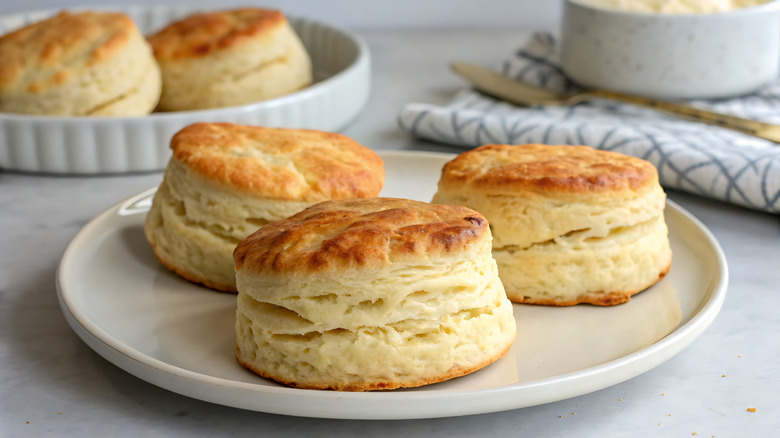
Nothing compares to tender, flaky biscuits, still warm from the oven. But, if your homemade attempts aren't passing muster, it's important to know what to do. What you need is some ways to upgrade homemade biscuits, taking them up a notch so that everyone on the block is asking you for the recipe.
To learn the tricks of the trade, I interviewed five biscuits experts. Chef Jason Santos owns Buttermilk & Bourbon in Boston, a restaurant whose honey glazed buttermilk biscuits are a top seller. Cynthia Christensen is the food writer and recipe developer behind But First We Brunch and the self-professed biscuit queen of New Jersey. Barbara Curry is the recipe developer and owner of Butter & Baggage, a Southern home cooking site for which she has developed an impressive 18 biscuit recipes. Ebony Robinson is a full-time food creator at food blog Elicit Folio who grew up in the South watching her mother and grandmother bake biscuits. Finally, Michael Kurowski is executive pastry chef of Ace Eat Serve in Denver whose biscuits take the brunch menu to the next level.
Between them, our experts have a wild amount of biscuit baking know-how, so there's lots to learn from their decades of experience. Whether you're trying to improve a biscuit recipe you make all the time or you're attempting them for the first time and want to know how to get it spot on from the get-go, there's a lot to take away here.
Upgrade the dairy ingredients
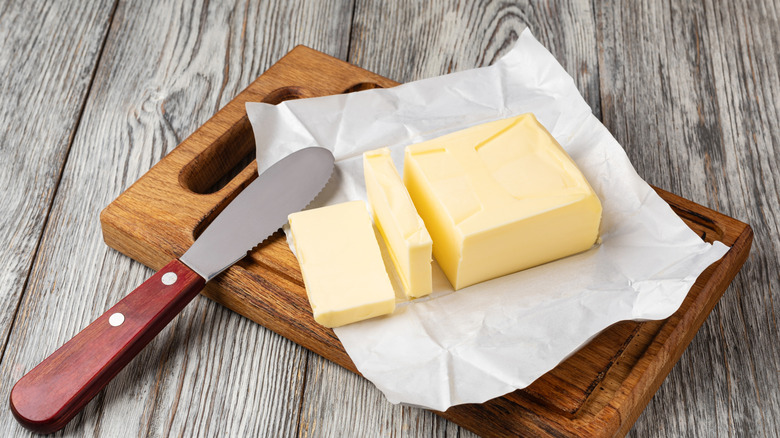
"Quality ingredients make all the difference, especially with something as simple as biscuits," pastry chef Michael Kurowski tells us. That's why it's important to use the best that you can budget for. It might seem like every stick of butter or carton of buttermilk is basically the same, but there's really nowhere to hide with biscuits, so ingredient quality does make a sizable impact. "I always recommend a good European-style butter because its higher butterfat content creates a richer flavor and tender texture," says Kurowski. Ebony Robinson agrees, remarking that "the most important ingredient all home bakers should invest in is butter," something she picked up while traveling in France.
For buttermilk biscuits, using real buttermilk is key. "Plenty of recipes suggest adding lemon juice or vinegar to milk to 'make buttermilk,' but I don't recommend it," recipe developer Cynthia Christensen advises. It might add acidity and thicken the milk slightly, but you don't get that same fermented flavor or the consistency of true cultured buttermilk. "Real buttermilk gives biscuits a subtle tang and tender texture, and its acidity reacts with baking soda to help them rise," Christensen explains.
The precise buttermilk you use matters too. "One of the easiest upgrades for home bakers is switching from low-fat buttermilk to full-fat buttermilk," says chef Jason Santos. "Most buttermilk you find in grocery stores is actually low-fat, so make sure you're reading the labels," he adds. The extra fat is important as it makes biscuits richer, more tender, and generally tastier.
Use a Southern-style flour for biscuits
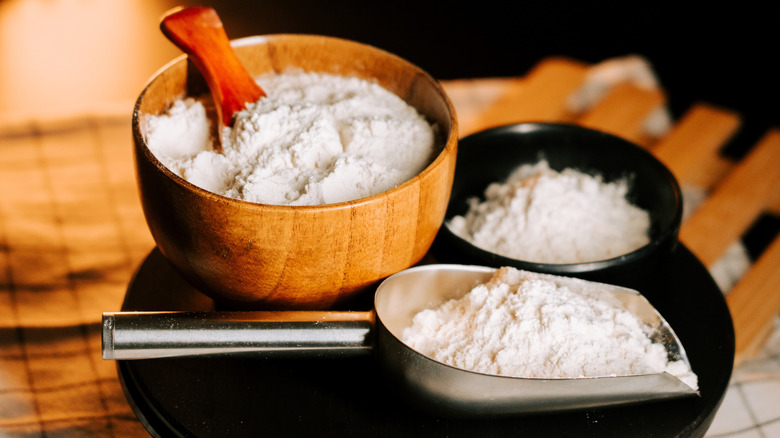
Switching to a Southern-style flour is a quick way to upgrade your biscuits that doesn't require any extra skill or new techniques. Originally, biscuit recipes were developed with this type in mind, and its specific qualities help you get the perfect texture.
"The one thing you could change out to make them lighter and fluffier is the flour," Barbara Curry remarks. Cynthia Christensen agrees, telling us "Southern-style soft wheat flour, like White Lily, has less protein than many all-purpose flours and makes a more tender biscuit." White Lily is also recommended by Curry, along with certain King Arthur products. What you're looking for is around 8% to 9% protein content.
If you can't find the right type, Christensen recommends swapping some of the all-purpose for cake flour. "That lower-protein blend can help you get a softer, more delicate texture without chasing down specialty ingredients," she notes. There's also an unexpected flour swap you can make for better biscuits. Using 00 pasta flour can give you a similarly tender biscuit due to its finer texture. Certain varieties are lower in protein than others, though, so check the label. For instance, 00 pizza flour will have a high protein content and could make your biscuits tough.
Start with cold butter
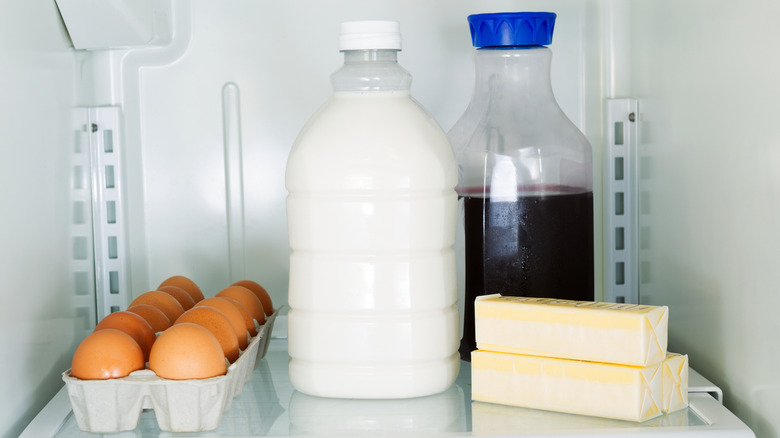
Whether you want to make restaurant-quality biscuits and gravy or you're just looking for simple ways to level up your favorite recipe, you need to start with cold butter. It's the simple upgrade that can make a big difference. However, you don't need to stress about chilling every last ingredient thoroughly and keeping them that way through the process. Use dairy products straight from the fridge, but don't sweat it too much if something warms up slightly.
"Stop worrying so much about keeping everything ice cold from start to finish," says Cynthia Christensen. "Start with cold butter, yes, but once I've cut my biscuits, I put the whole sheet pan in the freezer for 15 minutes while the oven preheats to 450 degrees Fahrenheit," she tells us. So, it's not a case of having to keep everything cold or you'll mess up. "That firms the butter back up, even if the dough warmed a bit while I was working, and helps prevent butter from leaking out before the biscuits rise," Christensen notes. It's important that the butter doesn't leak out because its water content turns to steam in a hot oven, which gives better layers.
Barbara Curry suggests mixing the butter into the flour with a food processor or pastry cutter to keep the heat of your hands from warming it up too much. After cutting your biscuits, "place them right next to each other on the baking sheet and freeze for 10 minutes before baking so that the butter firms up and creates little pockets of air in the biscuits," suggests Curry.
Rub your butter in properly
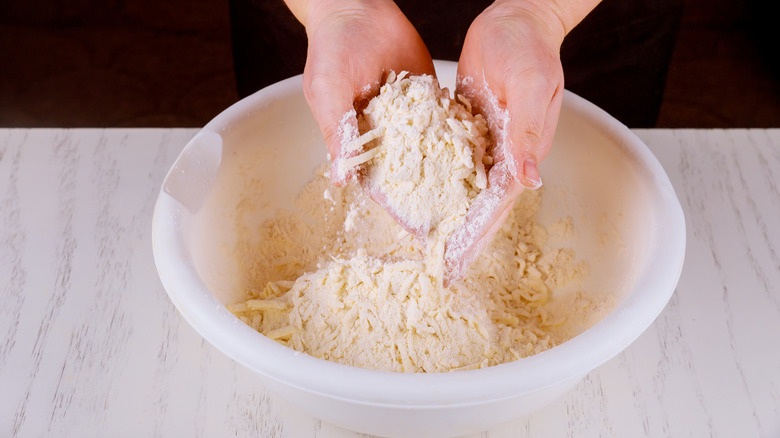
Some recipes call for grating butter into biscuit dough, but for the best results you should be rubbing it in. This is a fairly straightforward technique in baking, so if you aren't already familiar with it, you'll soon get the knack. You might wonder if it makes any difference, but it will seriously upgrade the texture of your finished biscuits.
"Use a gentle finger-snapping motion to rub some butter into the flour," Cynthia Christensen advises. "The fat coats some flour particles, limiting gluten formation for a tender biscuit, while the remaining little pieces of butter help create flakiness," she adds. While some recipes call for the butter to be fully rubbed into the flour to a breadcrumb consistency, with biscuits you want it partially rubbed in with some chunks remaining. The chunks melt and create pockets of air, giving you tenderness and good layers.
While Christensen recommends rubbing in flour with your hands (and that's my go-to method as well), some prefer to use tools. Both pastry cutters and food processors do the job nicely. However, it's easier to accidentally combine the flour and butter too thoroughly when using a food processor. If you're unsure about the technique or want to avoid melting the butter on a warm day, these pieces of equipment can help.
Add miso to biscuits
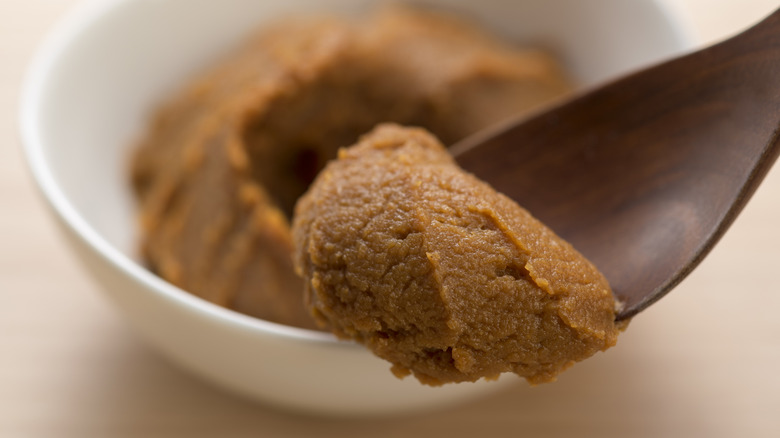
There's plenty of techniques that can upgrade homemade biscuits, but it can be as simple as adding extra ingredients to the dough. Miso is a simple mix-in that might not seem like it has a place in the Southern staple, but it really works. You get a pleasant savoriness that easily improves the baked good and is a bit different from the usual suspects.
"I love adding a little white miso to biscuit dough," says Michael Kurowski. "It brings a subtle savory depth and umami that complements the richness of the butter without overpowering the biscuit," he adds. As miso is a paste, it's relatively easy to add it along with the liquid ingredients, though it can be a bit stubborn when trying to dissolve it. If needed, you can mix it with a dash of hot water to help dissolve it, letting it cool and then adding it with your other liquids. Just make sure to account for the extra moisture in the recipe by reducing the milk or buttermilk.
And, if you think miso is going to give you a totally savory biscuit, prepare to stand corrected. "It's especially delicious paired with honey butter or fruit preserves," Kurowski tells us. So, miso biscuits are more versatile than cheese ones, as they work well for both sweet and savory treats.
Mix in some sharp cheddar
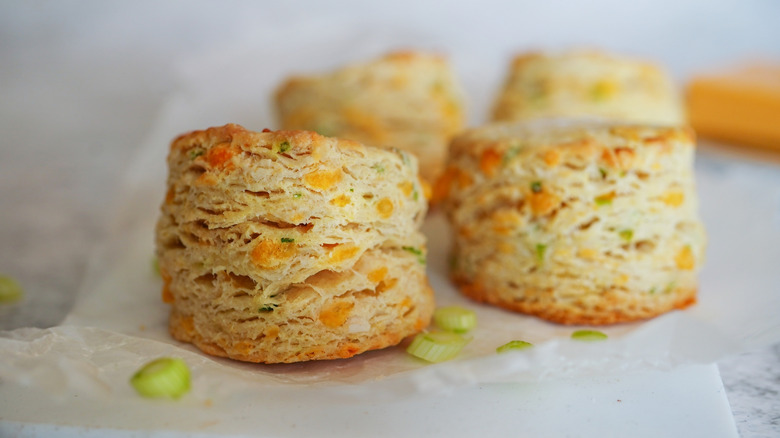
While miso is a bit of a wildcard that some people will adore and others won't be so sure about, cheese is a crowdpleaser for a reason. You can't go wrong by using cheddar in your biscuits. This classic combo is perfect if you want them to be fully savory, like for biscuits and gravy or a breakfast sandwich.
Ebony Robinson recommends using freshly shredded sharp cheddar to upgrade biscuits, advising to avoid bagged, pre-shredded cheese. "Sharp cheddar adds a rich, savory flavor and little pockets of melted cheese throughout the biscuits," she remarks. Folding it into the dough gives you a good distribution throughout.
Of course, you don't have to stick to cheddar if there are other cheeses you'd prefer. Blue cheese gives you an intense flavor and is great if you're a fan of this style. Parmesan is nutty and punchy. And smoked cheeses add an extra layer of flavor. However, anything too wet, such as fresh mozzarella, could introduce excess moisture and impact the bake.
Consider the balance of flavors
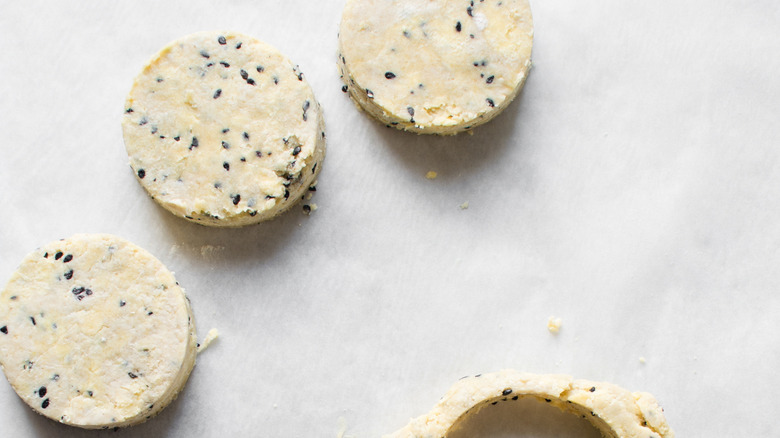
Balance is so important in cooking and can easily be thrown off, leaving your finished food flat and boring or skewed too heavily in one direction. Biscuits should be rich and buttery with a slight tang, but it's easy to make them so rich that they become cloying or so tangy that they're unpleasant. Keeping all the ingredients in harmony will upgrade the flavor.
"One of the simplest ways to improve homemade biscuits is to pay attention to the balance of butter, salt, and buttermilk," says Ebony Robinson. "Butter provides richness, buttermilk adds tang, and salt brings those flavors together," she explains. There's also a place for sugar, even if you're not intending to make sweet biscuits. "Even a small amount of sugar can round out the flavor without making the biscuits noticeably sweet," Robinson notes.
Salt is important for balance, too, and is something that Cynthia Christensen warns home bakers not to forget. "I respect that some people are watching sodium, but salt doesn't just make biscuits salty," she tells us. "It brings out the flavors of the butter, buttermilk, and everything else," she says. If you don't use enough, your recipe can taste flat, even if you've splashed out on fancy European butter and full-fat buttermilk.
Work the dough less for more tender biscuits

If your biscuits are coming out tough, there's a really simple way to upgrade them: Work the dough less. You might not realize that putting less effort into the recipe is the way to make it better, but it can make a huge difference.
"In my opinion, the biggest mistake people make when baking biscuits is overworking the dough," says Jason Santos. "The more you mix and handle it, the more gluten develops, which leaves you with a tough, dense biscuit instead of something light, fluffy, and tender," he explains. Handling the dough as little as possible can give you far better results than putting too much effort into it. Santos even works with a dough that's still runny and barely mixed and gets brilliant results. "Sometimes the less you do, the better the biscuit," he says.
Cynthia Christensen also suggests using a light touch. "Biscuit dough doesn't need to be kneaded like bread," she notes. So, while you might think you're doing the right thing, you're actually making your biscuits tougher with every minute you handle the dough.
Fold the dough for flakier results
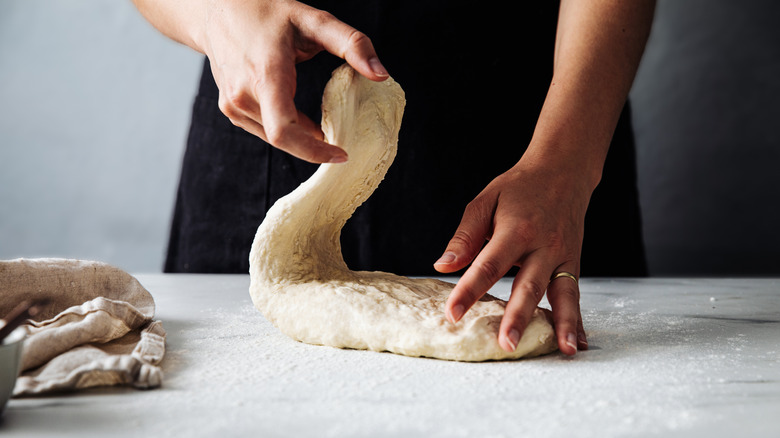
While there are various types of biscuits, some fluffier and some flakier, if it's flakes you're after, you can upgrade your recipe by folding the dough. This layering effect gives you super flaky biscuits. It can take a few goes to get the technique just right, but it's well worth the extra minutes. You should still avoid working it more than necessary, but these folds will help rather than hinder.
"I like folding the dough into thirds a couple of times, similar to laminating croissants," Michael Kurowski remarks. Ebony Robinson similarly shares that folding the dough is her favorite technique. "After bringing the dough together, I gently flatten it, fold it over itself, and repeat the process about two to three times," she tells us. "This helps create the beautiful, flaky layers that make homemade Southern biscuits so good."
Folding isn't the only way to get flakier biscuits though. There is also a cut-and-stack technique some of our experts prefer. "I gently pat the dough into a square, cut it into four smaller squares with a knife or bench scraper, stack them, and gently press them back down," Cynthia Christensen says, noting that she repeats this process twice more. "This technique builds distinct layers before the biscuits even go into the oven. As they bake, those layers separate into the flaky, pull-apart texture I'm looking for," she explains. In addition, layering creates air pockets that are crucial to biscuits' flaky, fluffy texture. Barbara Curry also favors the cutting and stacking technique.
Improve your biscuit cutter technique for more rise
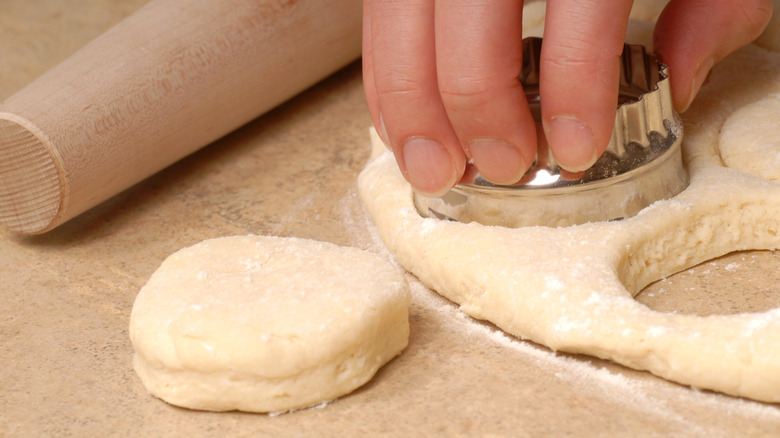
Another way to take your biscuits to the next level is to change the way you cut them. Several of our experts mentioned good cutting technique can lead to a significant improvement in rise. Luckily, once you know what to avoid doing, it's simple to do it right.
Biscuit cutters give you nice round edges, which makes biscuits look neat. However, it can cause you to run into issues. Many people end up twisting the cutter as they use it, which seems like it would help to get a clean cut but can actually mess things up. "When cutting your dough, press the cutter straight down and lift it straight back up," advises Ebony Robinson. "Twisting can compress and seal the edges, which interferes with the biscuits' ability to rise evenly," she tells us.
If you don't have a biscuit cutter and don't want to invest in one, it's fine to use a knife, as long as you're happy with square biscuits. There's no risk with twisting, but you should use a sharp knife that will cut cleanly through or you risk the same issue with the lack of rise.
Brush biscuits with flavored butter after baking
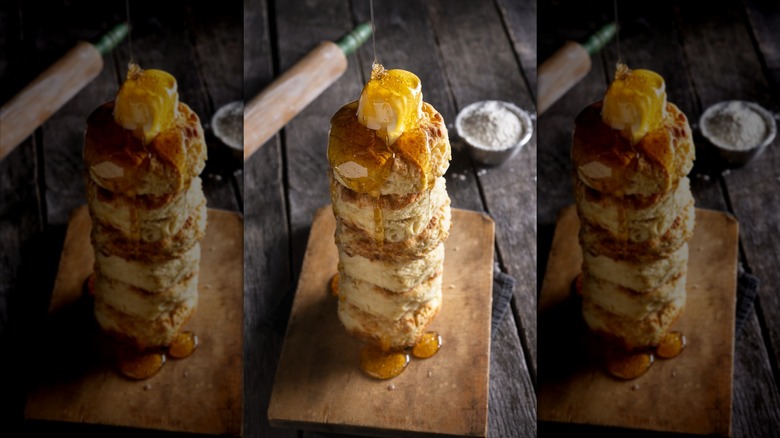
One of the mistakes many people make with biscuits is assuming the job is done as soon as you get them out of the oven. You can still add extra flavor once they're finished baking by brushing on flavored butter. It's a simple way to make something already incredibly tasty even better.
"I love brushing biscuits with flavored butter as soon as they come out of the oven," says Michael Kurowski. "Brown butter with miso and flaky sea salt adds a wonderful nutty, savory richness, while hot honey butter brings a sweet and spicy contrast," he notes. Ebony Robinson is also a fan of finishing biscuits this way. "I love mixing butter with a little honey for a sweet, glossy finish that complements the slightly tangy flavor of buttermilk biscuits," she explains. "For savory biscuits, melted butter infused with fresh herbs or roasted garlic adds another layer of flavor and a wonderful aroma," she adds. Robinson suggests brushing the biscuits while they're still warm to help the butter spread evenly over the surface.
However, that butter doesn't even have to be flavored. You can keep it simple. "I finish biscuits just like my grandmother did," Cynthia Christensen tells us. "The moment they come out of the oven, I take what she called a little 'nub' of butter and rub it over the hot tops," she details. Christensen likes the way that the butter melts into the crust, which adds richness and gives them a nice sheen. "Then I sprinkle on a little flaky sea salt. It brings out that buttery flavor and adds just the slightest crunch," she says.