

11 Styles Of Beer To Try If You Like IPAs
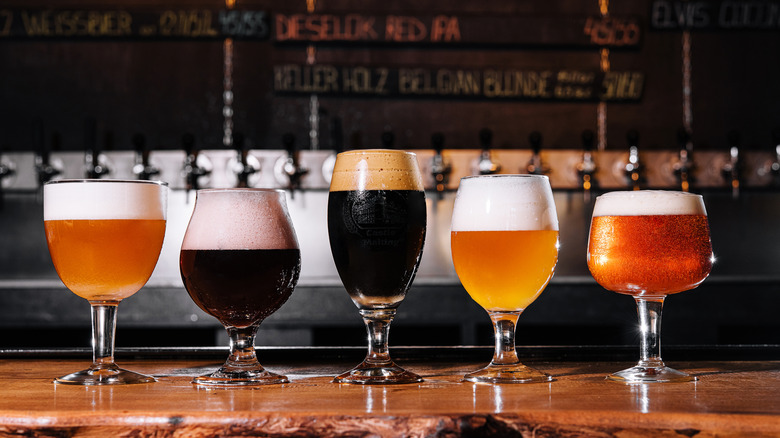
India pale ales (IPAs) have existed since the 18th century, not originating in India but with the British colonial forces who needed a hoppier beer to stay fresh on long voyages. However, you might only have started hearing about it in the past couple of decades, when it reemerged into popularity, first as a niche craft brew and later as something you can pick up in virtually any dive bar or grocery store. So, if you like IPAs, but are becoming a little tired of seeing them everywhere, you might be wondering what other beers to try.
Perhaps you're getting bored of your standard IPA or noticing the quality of the average one declining as they get commodified by huge commercial breweries. Or maybe you simply want to branch out and try something different from your usual order. Whatever your reasoning, there are plenty of brilliant beers that you might be into if IPAs are usually your jam.
As a former bartender and current beer fan, I'm always interested in recommending options to people who aren't sure what they might like. Of course, taste is subjective, so you might not love every style of beer on this list, but you can have a fun time finding out what you like. What you end up enjoying will also depend on what you like about IPAs, be it the fruitier flavors or the hoppy bitterness. Here are 11 types of beer to try if you're an IPA fan.
1. American pale ale
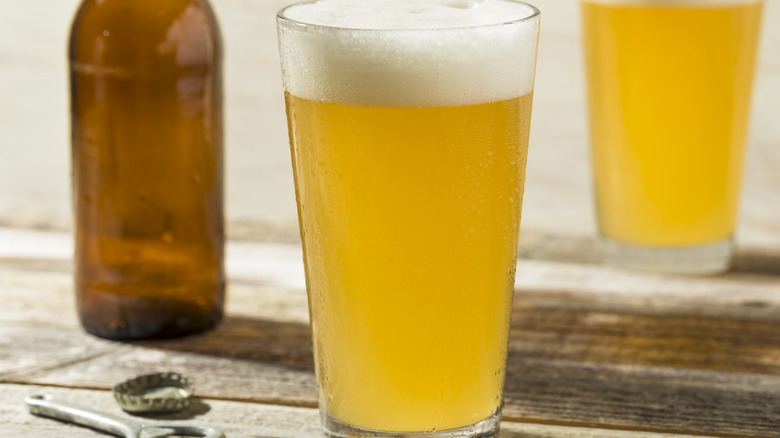
There is a difference between IPA and pale ale. Not every pale ale is an IPA. Rather, there are various different styles. An American pale ale is one such style and is a great choice for people who enjoy IPA, particularly the citrus and pine type notes that it offers.
American pale ale — sometimes known as APA — originated as an offshoot of traditional English pale ale. It's a very drinkable choice that's a little less intense than some IPAs can be, but there is a lot of overlap between the two styles. Like an IPA, it's not a particularly malty type of beer. Rather, the hops carry a lot of the flavor. However, APAs are significantly less hoppy than IPAs, meaning they're less bitter.
So, if you enjoy IPAs, but sometimes find the hop flavor too intense, you might find APAs more to your liking. This style of beer is mellower with less bitterness, which makes them a good choice for drinking alongside food, as the flavor won't overwhelm.
While this hasn't always been the case, many modern APAs use the dry hopping technique during brewing. This enhances their hoppiness, making the flavors they bring more pronounced than any maltiness from grains. This style of beer is a safe choice for IPA fans, as it's a particularly similar variety. However, if you're looking to really branch out and try something quite different, it's best to look elsewhere.
2. New England IPA
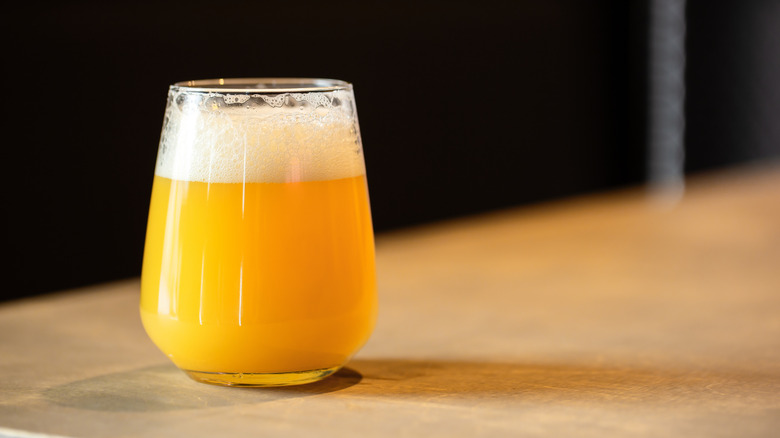
Technically, a New England IPA is an IPA, but this subtype is distinctive enough from the original to warrant its own entry. It's quite distinct from the original English type of IPAs and from the bitter, resinous West Coast IPAs that have come to define the style. If you love it when you get a particularly fruity-tasting IPA, then a NEIPA should be what you reach for.
As the name suggests, this style of beer was developed in New England. It arose in the craft beer scene of the 1990s and 2000s with producers such as Tree House Brewing Company and The Alchemy Brewery leading the way. Although these beers use higher volumes of hops than traditional IPAs, the choice of hops (with options like Citra and Mosaic being popular) and yeast strains makes the flavor light years away from the piney bitterness that straightforward IPAs have.
NEIPAs are usually hazy and opaque, as they're left unfiltered, rather than being clarified during the brewing process. This makes them look different to IPAs, but where the difference really comes into its own is how they taste. These are juicy, fruity beers with notes of mango and other tropical fruits coming to the forefront. They're not crisp or dry like you might expect from an IPA, but rather soft and smooth. These types of juicy beers are brilliant summer drinking for fans of fruitier IPAs.
3. Double IPA
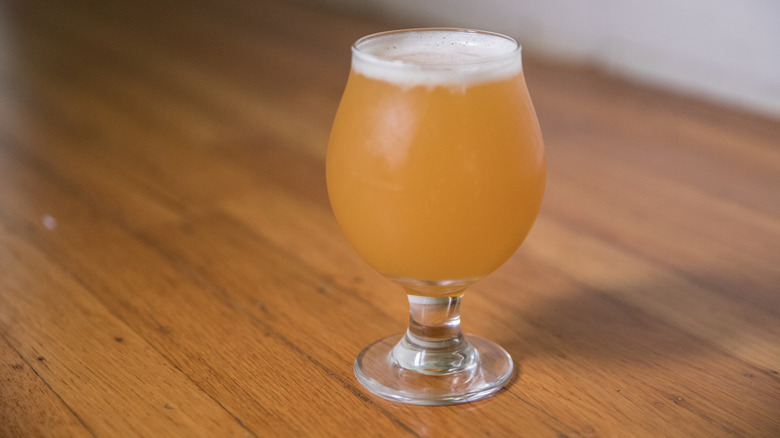
Another subtype of the IPA, a double IPA (or imperial IPA as it's also known) is brewed differently to give you a bolder, stronger beer. A double IPA doesn't necessarily mean double the alcohol, but they do almost always have more alcohol than regular IPAs (something like 7% to 10%). While you might think this boozier beer would be more of an acquired taste, many people find it particularly approachable. It's a sipper rather than a crusher, but it's carefully balanced to avoid excessive bitterness.
Double IPAs contain a greater quantity of hops than standard IPAs, so the hops are even more pronounced. However, brewers also increase the amount of malt used in the brewing process. This gives the beer additional sugars, which produce more alcohol during fermentation, while adding body and helping balance the bitterness of the hops.
While DIPAs can vary widely from brew to brew, they're often on the sweeter and thicker side compared to regular IPAs. The strongest ones can even veer into syrupy territory. Although you will find DIPAs with resinous or piney notes, they're often more sweet and fruity than they are intensely bitter. Even though they're technically more bitter and hoppy than standard IPAs, the larger amount of malt brings sweetness that balances out the bitterness, so they don't often taste more bitter. If you're looking for a beer that's full on but still drinkable, this is a great choice.
4. Amber ale
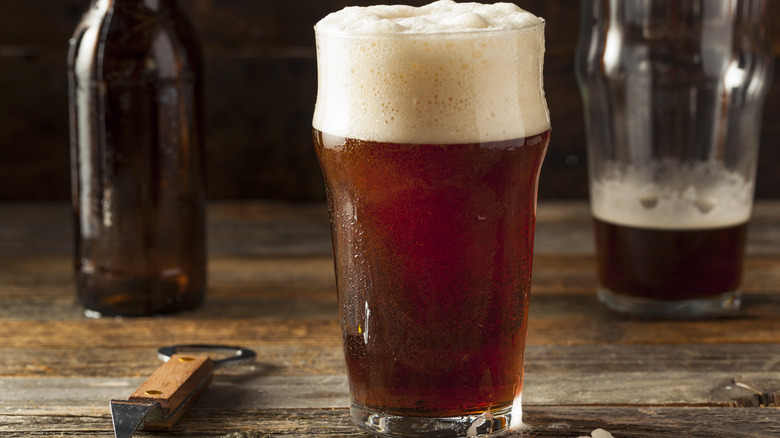
There are some big differences between amber ale and pale ale, and not just in the color. However, fans of IPAs may still enjoy amber ales for their complexity of flavor and hint of bitterness. This style of beer is rich but not heavy and might appeal to people who enjoy IPAs because they're more complex than the macro-brewed lagers that dominate the industry.
The most obvious difference between these two beers before you even go to taste them is the color. Amber ales have a rich amber shade whereas IPAs are pale and closer to straw-like. But, that's only surface level stuff. When you come to the tasting, amber ales are fairly malt forward, which gives them sweet caramel notes, as opposed to the more crisp hop flavors in IPAs. This doesn't mean amber ales are without bitterness, though. They're moderately bitter, and this can vary from beer to beer, with some bottles having an extremely pronounced bitterness and others remaining smoother.
Amber ales aren't thick and heavy like darker beers such as stouts and porters, though they're slightly richer than IPAs. This makes them a good middle ground for beer drinkers who want to get into maltier beers but aren't quite down with the heaviness of dark beers. If you're an IPA fan looking for something richer and toastier that's still well-balanced, an amber ale might be the ticket.
5. Saison
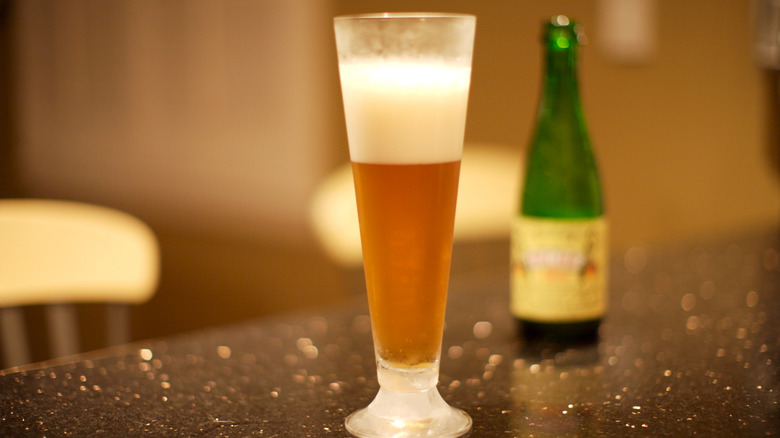
A saison is a Belgian farmhouse ale that's been brewed for centuries in Europe, but is starting to gain popularity in the American craft brewing scene. While it's not as hop-focused as IPAs are, this type of beer is still relatively hoppy. It's also crisp and refreshing, so if those are the qualities that you look for in an IPA, you'll probably be all over saisons.
As with most styles of beer, no two saisons from different producers are identical, but this style is particularly open to interpretation. One of the main things about it is that it should be dry, crisp, and intensely carbonated. It's known for its distinctive yeast profile, which makes it fruity and slightly spicy. Common notes include citrus, pear, apple, pepper, and clove. It has a moderate amount of bitterness to provide balance, but if you look for the bitterest IPAs out there, this won't quite match up.
Traditionally, saisons aren't as hop-forward as IPAs, but they can have notable floral, herbal, and earthy flavors from hops. Modern craft versions may use punchier hops, as well. If what you like about IPAs is that they give you more interesting, complex flavors than you'd give from a bog standard lager, you might find you get a similar vibe from a saison, even though the specifics are quite different. Either way, this isn't your watery light beer.
6. Pilsner
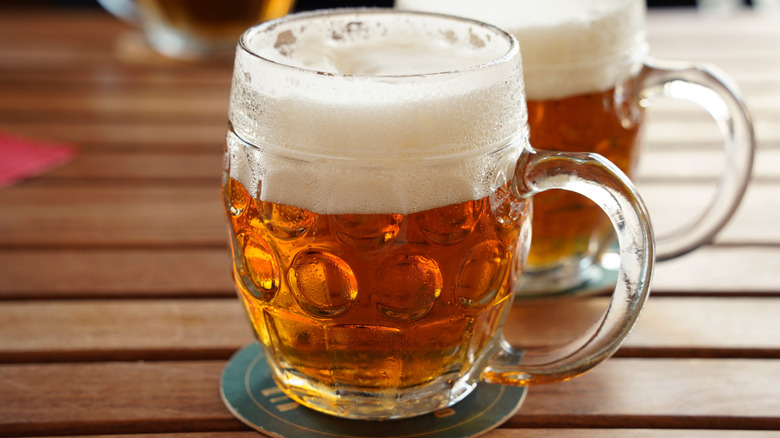
Some IPA fans like the bitterest or funkiest ones on the market, others like them to be crisp and easy-drinking. If that's what you want from an IPA, you should consider trying a pilsner. This style of beer originated in Czechia and has been traditionally brewed using pale malt, Saaz or other noble hops, and lager yeast. This makes it clean and crisp, but with a good level of hoppiness to it.
You might be wondering what the difference is between a pilsner and a lager. A pilsner is actually a type of lager, but that doesn't mean that all lagers are pilsners. If you tend to avoid lagers because the big names can be tasteless, you may be surprised how flavorful good pilsners are.
Like IPAs, pilsners are hop-forward, often featuring herbal, floral, grassy, and spicy hop flavors. Czech pilsners, in particular, have a distinctive flavor from the Saaz hops used to brew it. They also have a fair amount of bitterness to them, which IPA fans should appreciate. That said, this is balanced by a malty sweetness you won't find in most IPAs. If you appreciate the complexity of an IPA over a bland macro lager, but aren't opposed to lagers in general, try a quality craft pilsner, which should be far more flavorful than a mainstream version.
7. Gose
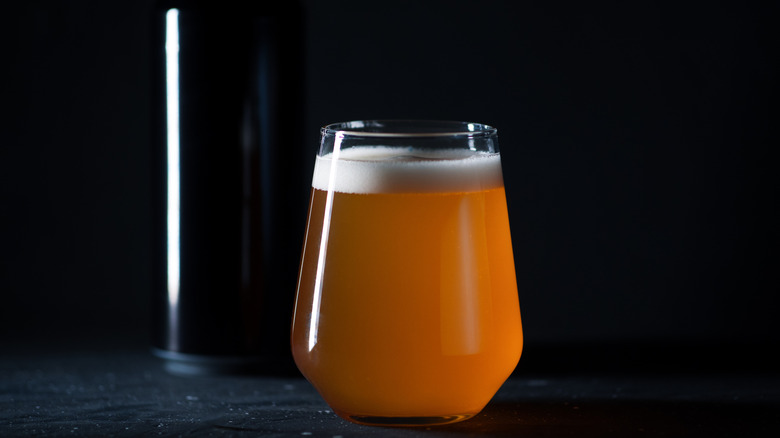
A gose is the cousin of a modern sour beer. The first gose may have been brewed as long as 1,000 years ago in what is present day Germany and was particularly popular in the 19th century. But, today, it's gaining in fame once again, alongside other craft beers. It's made with malted wheat, salt, and a bacteria to ferment it, making it sour. As you might guess from those ingredients, it's got its own thing going on, so I'm not suggesting it tastes similar to an IPA. However, it might appeal to an IPA fan looking to branch way out.
The coriander gives goses a citrusy flavor, which is only accentuated by the sourness from the fermentation process. The added salt might sound like an odd addition but it helps to balance out some of the sourness, so you don't end up with a super salty beer, but one that's less intense than it might be without the salt. Although traditional goses don't contain fruit, many modern craft versions are fruited to give them more sweetness.
Like IPAs, goses are way more complex than your average supermarket lager. Its citrus and fruit notes and slight spiciness may appeal to people who enjoy exploring different hop profiles of IPAs. What's more, some modern Gose beers incorporate fruit or use hops that have citrusy and tropical notes, which may appeal to fans of fruit-forward IPAs.
8. Wild ale
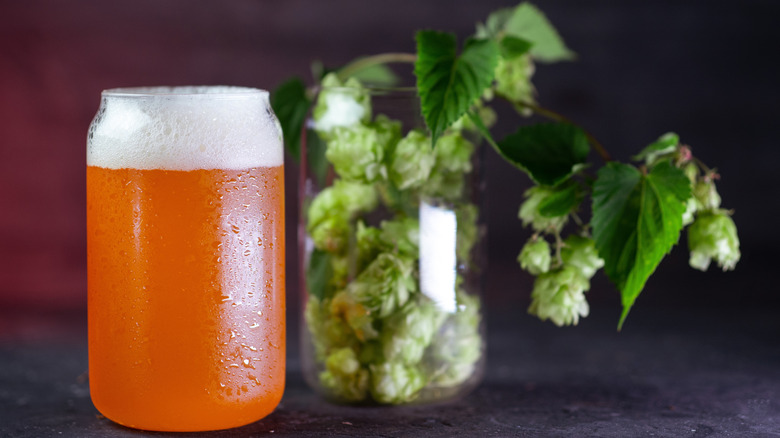
If you have a sourdough starter in your fridge and jars of sauerkraut or kimchi fermenting in the pantry, you might be drawn to wild ales. This is a broad category of beer made using wild yeast or bacteria, rather than relying on conventional brewer's yeast. With the rise of sour beer, wild ales have become more popular, but that doesn't mean the two are one and the same. Wild ales tend toward funky notes rather than full on sourness, but can vary due to the unpredictable nature of wild yeasts.
Unlike conventional beers, which generally use carefully selected yeast strains, wild ales are fermented with wild yeast and bacteria. This is basically the beer equivalent of using a sourdough starter versus a packet of commercial yeast to make bread. This makes the fermentation itself one of the main flavors in this beer, whereas other styles might be hop-forward or malt-forward.
Just as different hop varieties and hopping methods change how an IPA tastes, different wild yeast strains, bacteria, and fermentation conditions impact a wild ale. So, if you're a bit of a nerd for hop varietals and brewing methods in IPAs, you might enjoy exploring wild ales' alternative take. And, while wild ales aren't as bitter as IPAs, their acidity and funky flavors are equally distinctive and nuanced. They're also a good choice for anyone who likes dank and funky notes in an IPA.
9. Belgian tripel
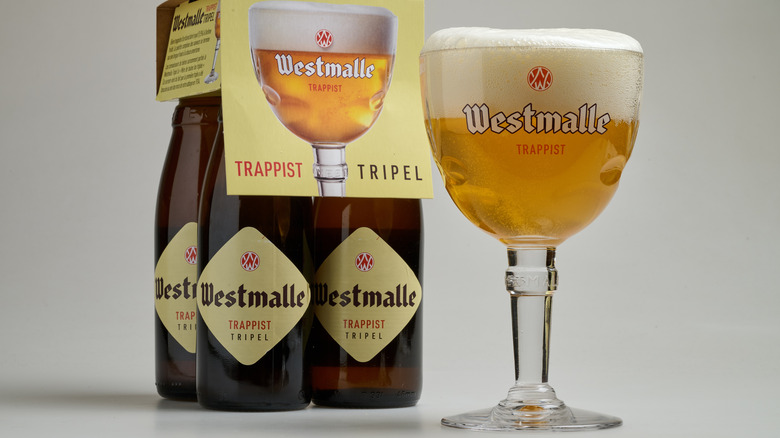
A Belgian tripel (pronounced triple) belongs to the Trappist brewing tradition that originated in monasteries. It was once the strongest style of Trappist beer, at around 9% ABV, but today some breweries make even stronger quadrupel beers. Although this type of beer is a strong one, it's surprisingly drinkable, yet still complex, which may appeal to IPA fans.
This style is relatively new compared to other Trappist beers, only having been brewed since the 1930s. It's a deep golden in color, with fruity, yeast-driven flavors that can vary a lot from brewery to brewery. It's usually brewed using pale malt, Belgian brewer's yeast strains, hops, and a type of brewer's sugar that helps increase alcohol content without making the beer excessively heavy.
Tripels tend to have fruity citrus flavors along with a slight hoppy bitterness, so if you like a moderately fruity IPA, but not one that's intensely juicy and hazy like a NEIPA, this might be the beer for you. IPA fans might also appreciate the intense, complex flavor profile that's a far cry from a mainstream lager. Like many craft IPAs, Belgian Tripels showcase the brewer's skill in balancing ingredients and developing distinctive flavors, with different yeast strains and brewing techniques producing noticeably different results.
10. Berliner weisse
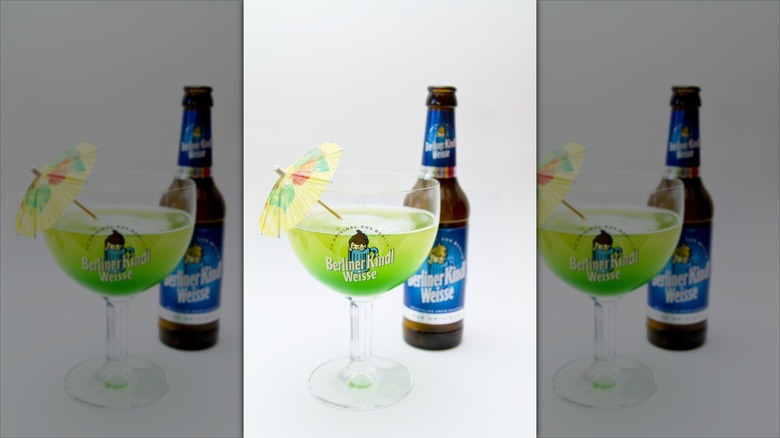
Those who like the sharpness that some IPAs have will probably enjoy Berliner weisse beers. This style of beer has earned the nickname the "Champagne of the North" due to its crisp, dry finish with lots of carbonation. It can either be fruited or unfruited, with the fruity versions perfect for those who like a juicy IPA.
In addition to brewer's yeast, Berliner weisses are brewed with Lactobacillus bacteria. This gives them the same kinds of funky flavors you'll find in wild ales, so if you like the dankest IPAs on the market, you'll be drawn to this style of beer. You also get a lot of tart acidity from the bacterial fermentation, which is good news for those who like IPAs with crisp citrus notes.
Although its flavor profile is quite different from an IPA, a Berliner weisse has an interesting combination of tartness, sweetness, and acidity. This might be appealing to drinkers who enjoy beers with some character to them. If the reason that you like IPAs is because they have more flavor than basic lagers, you'll also get piles of flavor from Berliner weisses. This type of beer might not be particularly bitter or hop-forward, but its acidity is similarly distinctive and punchy.
11. Dark lager
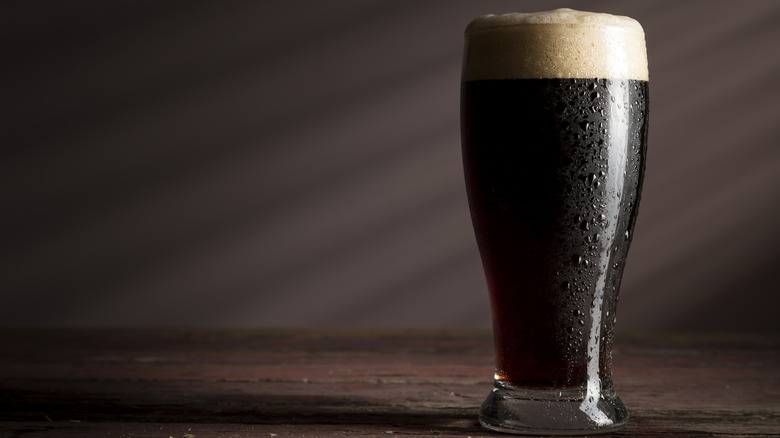
A dark lager, is a similar dark color to a stout or a porter but brewed with lager yeast. There are various styles of dark lager, such as dunkels and bocks from Germany and negras from Mexico. The combination of dark, toasted malts and traditional lager yeast creates a beer that's clean and smooth like a lager but with more complexity. This might appeal to fans of particularly crisp IPAs.
Dark lagers manage to combine the roasted, chocolaty note of dark beers with the crispness and drinkability of a traditional lager. It's basically a mashup of two beers, neither of which are IPAs, but it speaks to many fans of India pale ales nonetheless. This might be because they're approachable but still complex, much like IPAs are.
There's a notable bitterness to dark lagers that helps balance their maltiness. While they're less bitter than IPAs, it can still tick some of the same boxes. With notes such as coffee, dark chocolate, caramel, and toasted bread, these beers are nicely complex, so they're a far cry from certain watery lagers that shan't be named. Dark lager gives IPA fans a chance to explore a darker, maltier beer without giving up any drinkability.