

The Biggest Recalls To Hit Costco In 2025
We may receive a commission on purchases made from links.
Food recalls happen every year. It stands to reason that Costco, being one of the biggest retailers and wholesalers in the country, would be involved in many recalls within a given year. In 2025, however, the frequency of product recalls has been noticeably higher than usual. Even if we disregard the recall notices for consumer products like above-ground pools, air conditioners, tires, and power banks, Costco recalls made the broadcast news more often than usual this year, and people have noticed.
Four recalls happened in September alone. Two months later, four more notices were published on the Costco and U.S. Department of Agriculture's Food Safety and Inspection Service (FSIS) websites (one was for Ibuprofen gel capsules sold at Costco Canada). It helps to be aware of major food recalls, especially if the products in question are mainstays in your monthly shopping list.
Are you up to date on the biggest and latest Costco recalls? Here is a list of 10 food recalls to hit Costco over the course of 2025.
Fresh & Ready Ready-to-Eat Sandwiches (May)
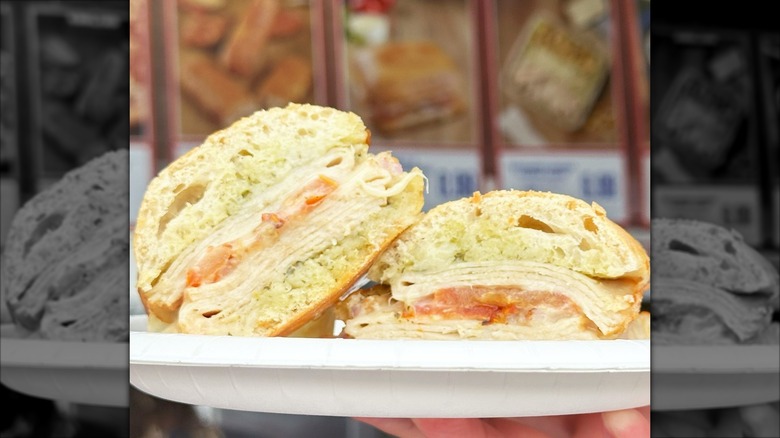
Costco's first major food recall for the year happened in May. Fresh & Ready Foods, a manufacturer and distributor of a wide range of ready-to-eat snacks including sandwiches and salads, announced a voluntary recall of over 90 products due to suspected listeria contamination. Listeria (Listeria monocytogenes) is a type of bacteria that grows in rotting plants and animal carcasses. It is also found in sewage and dirty water. The bacteria can contaminate food products via unclean water, unsanitary kitchens, and contaminated food preparation or packaging tools.
Once ingested, listeria can cause symptoms ranging from mild (i.e., fever, muscle pain, and nausea) to severe (i.e., debilitating headaches, delirium, and convulsions). It can be life-threatening to newborns, the elderly, and people with weak immune systems. It may even lead to premature birth, miscarriage, and stillbirth in pregnant women. Listeria can survive refrigeration, which explains the urgency of recalling refrigerated, ready-to-eat products, like the ones recalled by Fresh & Ready Foods.
Costco stocked and sold six of the brand's products from April 28 to May 11: turkey bacon club sandwich, turkey and cheese multigrain sandwich, garlic pesto salad, ham and cheese multigrain sandwich, turkey and cheese croissant, and egg salad sandwich. By July, the FDA had reported 10 hospitalizations and one death due to this larger outbreak.
Topo Chico Mineral Water (June)
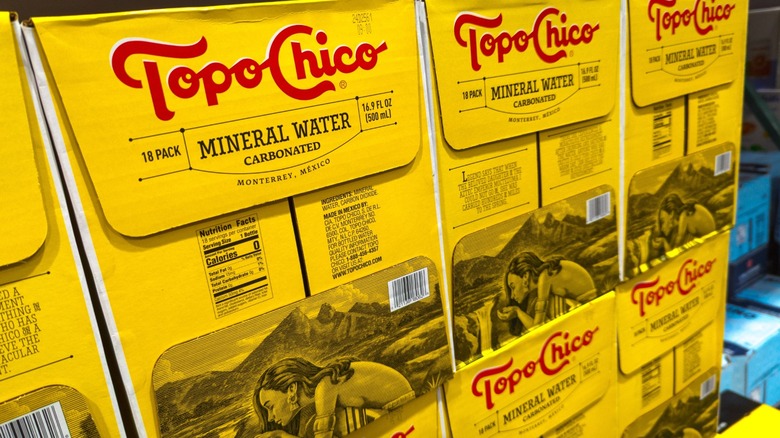
On June 2, Costco announced the recall of Topo Chico Mineral Water, a product of Coca-Cola. The famous soft drink company removed the 16.9-ounce bottled drinks from various retailer shelves in five states because of a suspected Pseudomonas contamination. Costco warehouses in Texas and Louisiana sold the affected bottles as 18-pack sets from May 20 to May 29.
Pseudomonas grow in soil and water, and can be transmitted via contaminated cleaning supplies. The bacteria pose a low risk to healthy individuals, but for people with weak immune systems or pre-existing conditions like lupus, diabetes, liver disease, cystic fibrosis, and cancer, infection can be deadly. The bacteria mainly affect the skin, lungs, eyes, ears, digestive tract, and urinary tract. Depending on where the infection takes place, patients may experience chills, fatigue, ear discharge, loss of sight or hearing, cough, and abscess-filled skin bumps.
Fortunately, there were no reported illnesses or hospitalizations that resulted directly from this incident. Coca-Cola advised customers who bought the Top Chico bottles with the recalled lot numbers to return them to the store where they had shopped for an exchange or refund.
Ritz Peanut Butter Cracker Sandwiches (July & November)
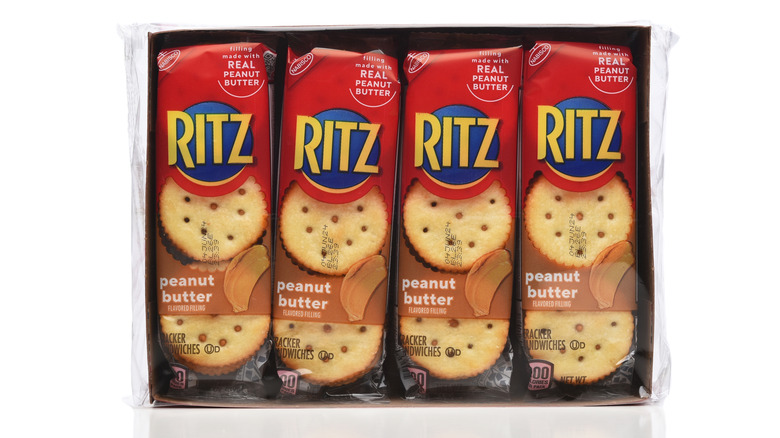
On July 8, Mondelēz Global LLC issued a voluntary recall of Ritz Peanut Butter Cracker Sandwiches, which are available at Costco in 40-piece packs. The reason was a labeling mistake on the film packaging rolls: the individually-wrapped peanut butter cracker sandwiches were mistakenly labeled as cheese cracker sandwiches. These were then packed in wholesale cartons that were correctly labeled as peanut butter. Mondelēz recalled 70 cases of the mislabeled peanut butter biscuits, which were shipped out to eight states.
Customers who bought Ritz Peanut Butter Cracker Sandwiches in 8, 20, or 40-pack boxes, or the 20-piece variety pack boxes, had to check whether the UPC numbers on the products were included in the recall. The company also issued a follow-up announcement on November 28. Some of the affected 20-pack boxes have January 2026 best-before dates, so customers might still have them in their pantries. The full list of recalled UPCs is available at the FDA site.
Mislabeled food products need to be recalled because they might cause severe adverse reactions in people who are sensitive to allergens, like peanuts. Fortunately, there have been zero reported injuries or hospitalizations due to this incident, as of November 28.
Oscar Meyer Turkey Bacon (July)
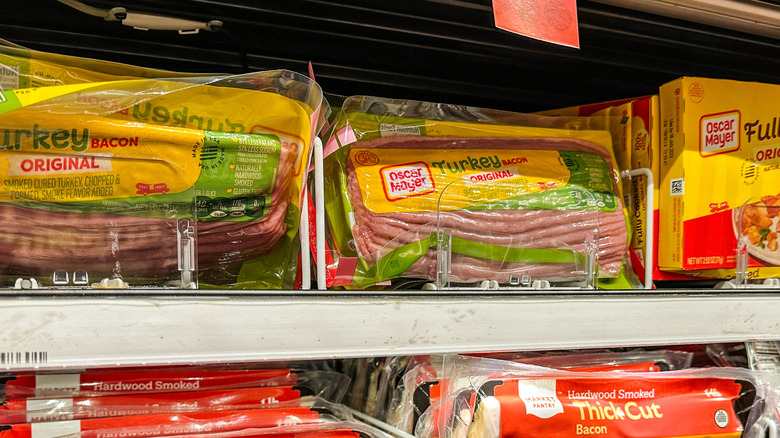
In early July, another big recall affected major retailers nationwide, this time for Oscar Mayer Turkey Bacon Original. Produced by Kraft Heinz Foods Company, Oscar Mayer's frozen bacon is a familiar sight in Costco's frozen section, alongside the warehouse's own Kirkland Signature bacon selections. Kraft Heinz recalled 367,812 pounds of the turkey bacon due to potential listeria contamination.
The company issued the recall through the USDA FSIS. The affected products were 12-ounce, 36-ounce, and 48-ounce vacuum-sealed packages of sliced turkey bacon. The products had already been distributed around the country and abroad before a laboratory test conducted by the FSIS revealed a possible bacterial contamination.
Oscar Mayer's packaged bacon slices come already fully cooked. Cooking food at 149 degrees Fahrenheit and higher can kill Listeria monocytogenes, but the bacteria can be reintroduced into the food during the packaging process. Customers who bought the adulterated bacon were advised not to eat the meat and to throw it out or return it to the store.
Kirkland Ahi Tuna Wasabi Poke (September)
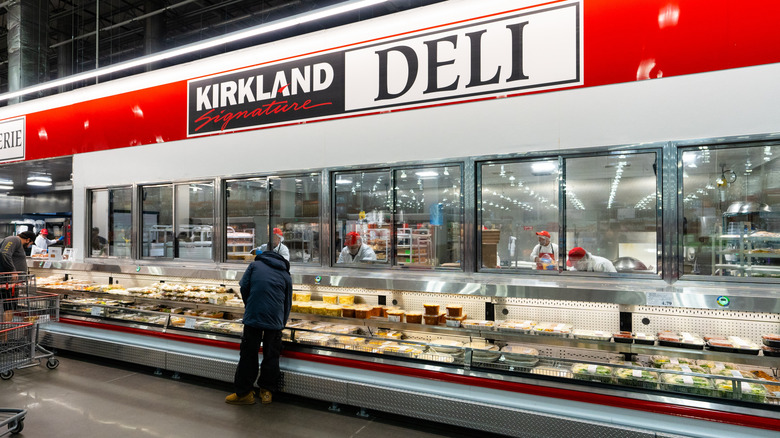
Yet another listeria scare happened in September and prompted Costco to recall about 3,315 pounds of its pre-packaged, Kirkland Signature Ahi Tuna Wasabi Poke. The warehouse issued the recall after a supplier informed the Western United Fish Company that the onions they provided had tested positive for listeria. The tuna wasabi poke was sold and taken off Costco shelves in 37 states.
As with most of the other items in Costco's deli section, the tuna poke in clear clamshell containers was meant to be consumed within the week. This means many customers could have bought and eaten the poke without knowing about the suspected listeria risk. Fortunately, there were no reports of customers falling ill or being hospitalized by the time Costco and the FDA announced the recall.
So why did press releases still go up two days before the contaminated tuna's sell-by date? People who ate the poke could have experienced delayed symptoms of listeriosis. Listeria monocytogenes has an incubation period of up to 70 days, which means symptoms like diarrhea and fever could appear weeks after eating contaminated food. Thankfully, no further news emerged about this specific recall.
Rolling Pin Dubai Style Chocolate (September)
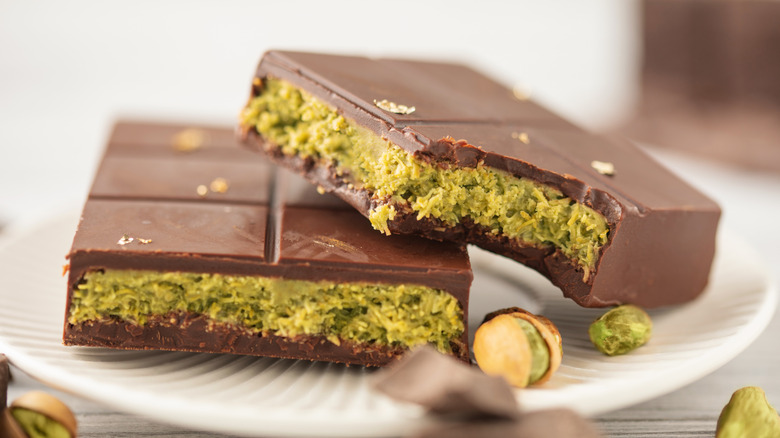
Dubai chocolate remained a huge hit in 2025, so it's unsurprising that the country's largest wholesaler stocked up on it, too. The chocolate-coated kadayif with pistachio butter and tahini cream is so tantalizing that some people even ordered bars straight from the Middle East. By the time the dessert flooded retailers, including Costco warehouses, the craze had started to calm down.
This was fortunate for Costco because Rolling Pin Company, the manufacturer of the Dubai Style Chocolate that the warehouse sold, recalled the product. There was a printing mistake on the packaging that listed gluten as an allergen instead of wheat. The recall was necessary because although gluten is found in wheat and one of the listed ingredients, kunefa, also contains wheat, the omission might confuse customers who are specifically looking out for wheat allergens.
Gluten warnings are for the benefit of consumers who are gluten-intolerant or have celiac disease. Wheat allergen warnings are specifically for people who experience immediate, adverse reactions to wheat proteins. They can experience typical allergy symptoms within four hours of eating wheat, which can include coughing, vomiting, swelling around the throat, hives, and anaphylaxis. Costco sent emails to the members who bought the Dubai chocolate informing them of the recall and advising them to return their purchases to get a refund.
Kirkland Signature Prosecco Valdobbiadene (September and November)
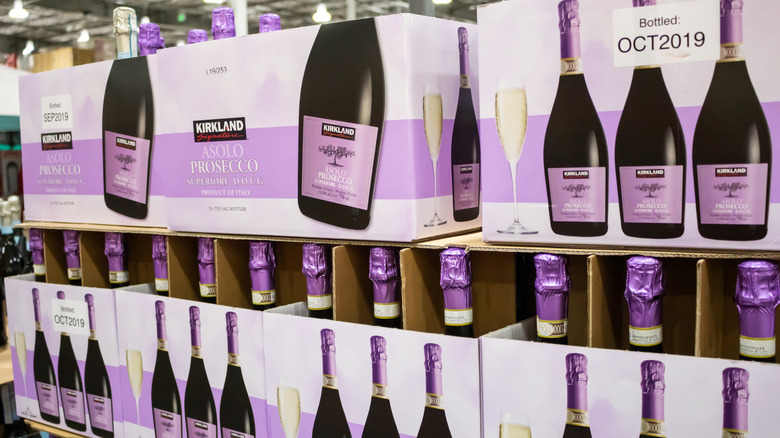
One of the more publicized Costco recalls of 2025 was for the Kirkland Signature Prosecco Valdobbiadene. The issue wasn't with the sparkling wine itself but with the bottles; Costco announced there had been a manufacturing defect that caused internal pressure to spike. The bottles were at high risk of exploding, even when they weren't being transported or opened.
In September, the chain first announced the recall of 941,400 units of the Prosecco sold at Costco locations in 12 states. The U.S. Consumer Product Safety Commission's (CPSC) official recall date was not until November 6, by which time 10 incidents of shattered bottles had already been reported to the manufacturer, F&F Fine Wines International, Inc. dba Ethica Wines.
Food safety may not have been the primary reason for this recall, but Costco regarded it as urgent and high-priority. Pressure-charged glass flying in every direction can cause deep lacerations and serious physical injury. Given the high danger involved, customers were not asked to bring the wines back to the store.
In an email sent to its members, Costco instructed customers who bought the shatter-prone wines (750 ml with UPC No. 196633883742 and Item No. 1879870) to wrap the bottles with paper towels, place them in a plastic bag, and throw them out immediately. Costco can review the purchase records of its members, so customers can go straight to the warehouse where they bought this top-shelf Kirkland Signature wine and ask for a refund.
Jimmy Dean Pancakes & Sausage on a Stick (September)
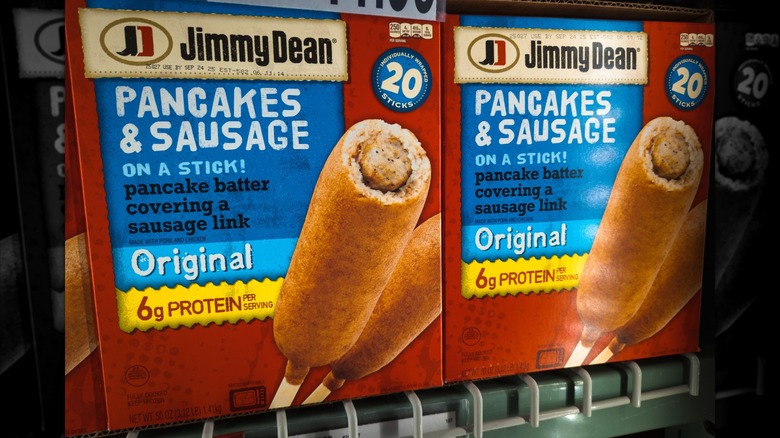
Just before the end of September, Costco sent a notice to its members about another major food recall, this time for Jimmy Dean Pancakes & Sausage on a stick. Its manufacturer, Hillshire Brands Company, voluntarily recalled the sausages on September 27, along with other varieties of Jimmy Dean products and State Fair Corn Dogs. The total recall volume reached 58,000,000 pounds.
Hillshire Brands and the FSIS announced the recall after discovering that certain batches of this popular Jimmy Dean snack had been cooked in batter contaminated with pieces of wood. The problematic production continued for over six months, from March 17 to September 26, which explains the large recall volume. After Hillshire Brands received several customer complaints and five reported injuries, it conducted an investigation that eventually led to this major recall.
The corn dogs and sausages were sold online and distributed to retailers nationwide; some even reached the Department of Defense facilities and USDA Commodity Foods Donations. For its part, Costco advised customers who bought the contaminated Jimmy Dean products to return their purchases to the store, where they would receive a full refund. Those who experienced health and safety issues from eating the affected products were advised to contact Hillshire Brands Company.
Golden Island Pork Jerky, Korean BBQ Recipe (October)
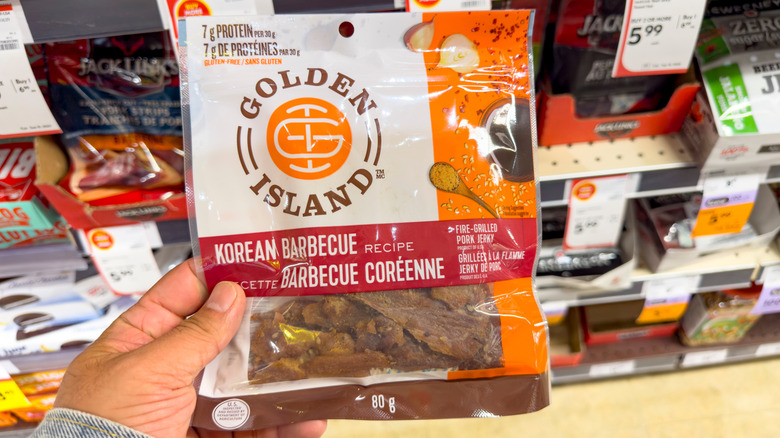
Another huge Costco recall in 2025 was for Golden Island's Korean Barbecue Fire-Grilled Pork Jerky. Its manufacturer, the South Dakota-based meat producer, LSI, Inc., issued a voluntary recall of approximately 2,277,540 pounds of the ready-to-eat snack on October 24. According to the FSIS announcement, several customers raised concerns to LSI, Inc. after finding bits of wiry metal in the popular pork jerky. The company looked into the issue and discovered that a conveyor belt may have introduced metal pieces into the product.
Fortunately, the customers who filed the complaints didn't suffer any health problems or injuries because of this major production issue. Customers who bought 14.5-ounce and 16-ounce pouches of Golden Island's Korean Barbecue Fire-Grilled Pork Jerky in recent months should check the lot numbers and best-by dates published on the FSIS website. Many of the affected packs are good for consumption until September 24, 2026, so customers and resellers might still have unopened jerky in their pantries and aisles.
The affected products were already distributed nationwide to Costco and Sam's Club stores before the recall notice came out. Costco customers who bought the contaminated jerky should return the item and get a refund, or throw it out.
Costco's Caesar Salad and Chicken Sandwich with Caesar Salad (November)
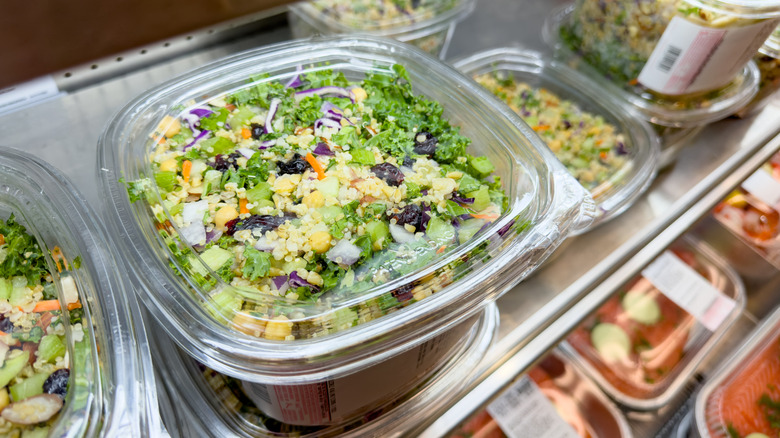
On November 7, Ventura Foods, Costco's supplier and producer of pre-packaged Caesar salads and chicken sandwiches, announced a voluntary recall of select batches sold in the last quarter. The manufacturer cited the potential presence of a foreign material as the reason for the recall.
The problem was the salad dressing: Ventura Foods discovered that it contained pieces of plastic, which can be a health risk once ingested. People may choke or suffer from blocked digestive
passageways from swallowing foreign materials. But the bigger concern is the risk of ingesting microplastics or nanoplastics. Micro and nano plastics have been a problem in food products over the last decade because of their potential for physical harm. Some microplastics also contain chemicals that are toxic to the human body and have been linked to lung disease, liver damage, metabolic disorders, immunity disorders, reproductive failure, and cancer.
The contaminated dressing was added to Caesar salads and chicken sandwiches with sell-by dates between October 17, 2025, and November 9, 2025. Costco flat-out urged customers not to eat the affected salads and sandwiches and to return them instead for a full refund
Caesar Dressing and Hidden Valley Ranch Dressing (November)
Immediately after Costco recalled its two popular prepared meals, the FDA also announced a Class II recall of the contaminated dressing. Ventura Foods LLC, the manufacturer of the Caesar dressing used in Costco's Caesar salads and chicken sandwiches, voluntarily removed the product from the warehouse's kitchens.
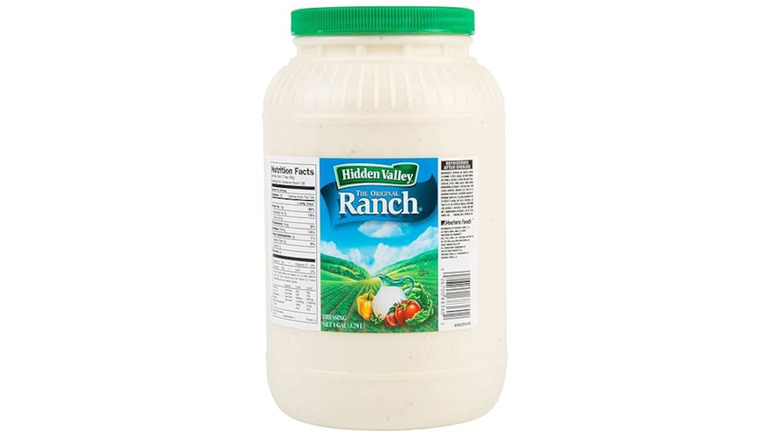
Ventura Foods also recalled other varieties of dressings and sauces, including Hidden Valley Ranch, which is commonly found at Costco. The manufacturer issued the recall to its distributors across 27 states, including cafeterias and delis. Approximately 3,556 cases of 1-gallon and 23- to 32-pound bottles were pulled in the voluntary recall before they ever made it to store shelves.
The FDA notice provided more details about the contamination. It appears that quality control measures led to the discovery of black plastic planting material in the granulated onion used to season the affected products. Black plastic that's commonly added to agricultural mulch is a potential choking hazard. This explains the Class II classification of the recall. According to the FDA website, Class II involves "a violative product [that] may cause temporary or medically reversible adverse health consequences or where the probability of serious adverse health consequences is remote."
Hawaiian Macadamia Baking Nuts (December)
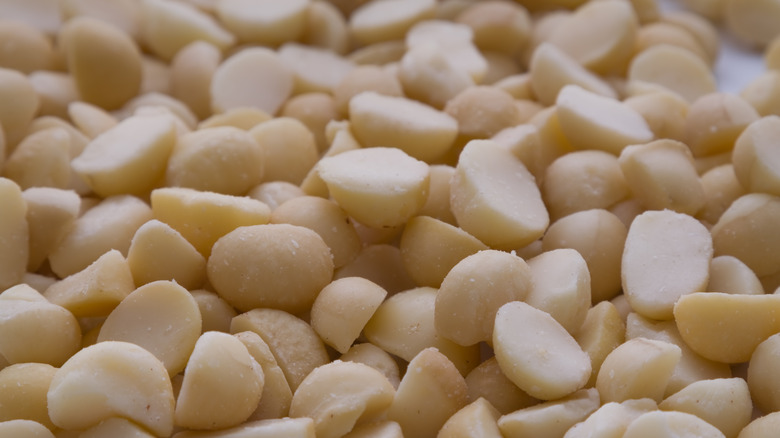
American Nuts LLC announced a voluntary recall of its Hawaiian Macadamia Nut Company Dry Roasted Baking Macadamia Nuts on December 5. The nuts were sold at a Costco in Hawaii, and the retailer's email notices were sent to members and shoppers who had purchased the product.
The recall happened after the manufacturer detected salmonella in its 20-ounce pack of macadamia nuts. The affected batch was sold at the Costco warehouse in Hawaii Kai Shopping Center from November 29 to December 4. Customers who purchased macadamia nuts within this period were asked to check if the lot code on their purchases matched the recall notice. Those who bought the affected products were encouraged to return them for a full refund.
Macadamia nuts are a common ingredient in baking, especially for cookies and breads. They also add crunch and just the right amount of nuttiness to salads and ice cream. Considering their broad uses, there's a real danger of widespread outbreak if a contamination isn't addressed quickly enough. The recalls came just in time, as there were no reports of health issues due to eating the affected macadamia nuts.
There are still quite a few days left before 2025 officially ends. Who knows if there will be one or two more Costco recalls by then? But whether that happens or not, it's comforting to know that Costco and institutions like the FSIS and CPSC will continue to inform the public about food products that are potentially harmful to consumers.