

We Tried 8 Ways To Make Broccoli, Here's How They Ranked

All personal controversy about the enjoyability of broccoli aside, this cruciferous crusader turns out to be one of the most flexible vegetables in the crisper drawer. Not only does it deliver a boatload of micro nutrients like vitamin C, vitamin K, and folate, it does so by becoming a willing partner in a slew of global dishes. The only thing more varied than the recipes that feature broccoli in some form is the number of methods you can use to prepare it.
Maybe you've only encountered broccoli as a dried-out option on a store-bought vegetable tray or as a soggy side dish steamed within an inch of its life. That only means you have a whole world of broccoli cooking techniques awaiting you to help you incorporate more fiber into your diet using broccoli recipes the whole family will eat up.
To get a handle on which of the various ways there are to cook broccoli and find out which one steals the show, I grabbed a few heads from the produce section and did some kitchen science to track the results. Will pan-roasting top sautéing as the trickiest technique to get fantastic flavor from your broccoli, or is hauling out the air fryer for the task your best bet? Let's get cooking and see what happens.
8. Air-fried
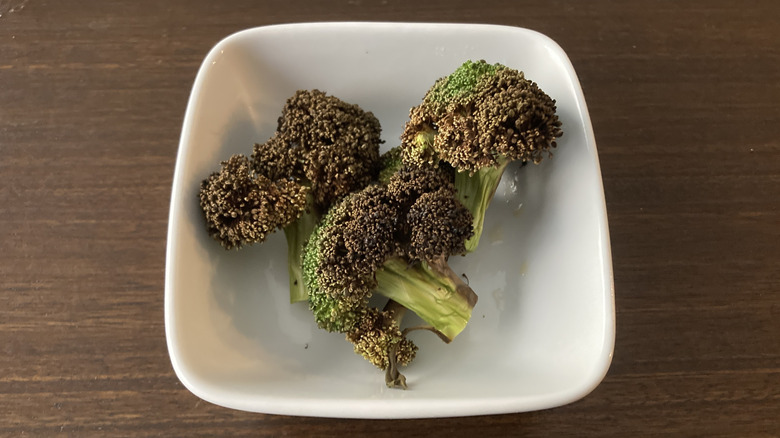
That most modern of kitchen conveniences, the air fryer, comes in handy when you want a crispy version of cooked broccoli that doesn't rely on heavy oils to make the magic happen. Since I didn't have an air fryer handy, I enlisted the help of my sous chef (my son) to do the honors. He cooked up several florets at 370 degrees Fahrenheit for eight minutes or so, until the tops had fully browned.
I was surprised at how discolored the finish broccoli looked, almost as if it had been dehydrated. I suppose that's the nature of air frying, but I was expecting something a little more tender. The recommendations I saw online said you can cook broccoli in an air fryer at 390 degrees Fahrenheit or higher for up to 12 minutes, but I can't imagine how ashen the finished vegetable would look. Our eight-minute cook left the broccoli dry and scorched beyond redemption.
If you have an air fryer and can tinker with times in settings as well as different oils to use as coatings, there's no doubt you can easily nail the broccoli cooking process. But I plan on owning an air fryer soon and I will not be cooking broccoli in it, since I know so many more dependable processes.
7. Stir-fried
One of the common mistakes people make with stir-fry is tossing all the elements to the pan at the same time. Since different ingredients cook at different rates, they should be prepped and added to the heat individually. This is especially true for broccoli, which needs to be steamed or blanched before entering the pan.
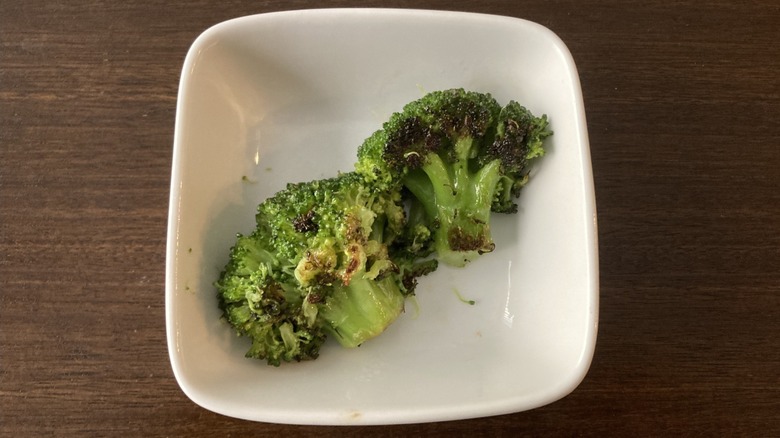
To achieve my stir-fried broccoli, I took steamed florets and placed them in a pre-heated pan over medium heat with olive oil drizzled on the bottom. I knew the pan was ready for the broccoli when the florets crackled as I added them; this meant they would gently fry without sitting too long in the oil. I watched them the whole time they were in the pan, letting them brown a bit before turning them over. In total, they spent around three to four minutes in the pan.
The finished dish was a little more broken up than would be ideal, but since stir-fries usually incorporates many different pieces, this would probably not be a big deal overall. For broccoli stir-fried on its own, it means a shaggy collection of little trees that ended up with a nice caramelized exterior, sweet cabbage-like fragrance, and a complex flavor.
This is one process I would reserve for using broccoli as part of a larger recipe. It would work well for a full-on stir fry or a root vegetable dish where broccoli is part of an ensemble, and not the star of the show.
6. Steamed
Steaming is probably the most familiar way to get broccoli good and ready for supper time, though it's also how many kids and grown-ups become averse to eating the vegetable. If you let it go too long, it becomes mushy and bland; take it off the heat too soon, and it's crunchy, fibrous, and difficult to chew. This is usually why people pour cheese sauce or slather butter all over their steamed broccoli to make it palatable.
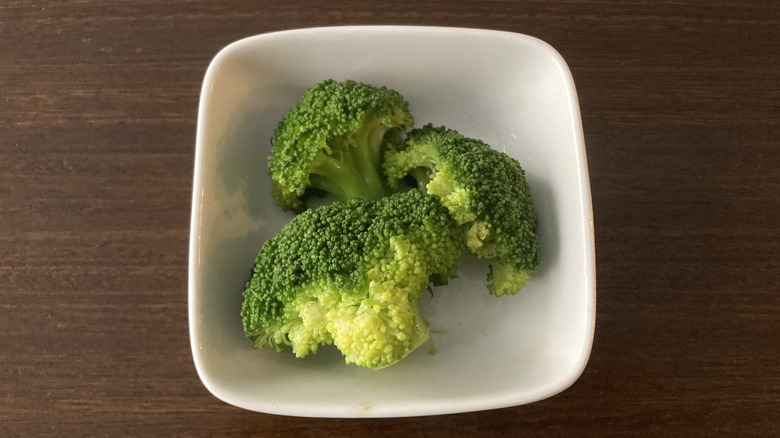
I did a simple steaming in a lidded sauce pot over medium heat. I added a couple of tablespoons of water to enhance the steam content and ensure tender florets. Then, I turned the burner on to medium heat to let the steam gently rise in the pot and soften the broccoli. After about five minutes, the water in the bottom of the pot was simmering and I could see the florets become the vibrant dark green that steamed broccoli turns as it cooks. I tested the consistency with a knife at the seven-minute point and found it to be soft and ready to be removed.
The finished broccoli had a sweetness that I wasn't expecting and have never noticed in microwaved broccoli. I would choose this method as a way to soft-cook the florets, especially for using in easy steamed broccoli recipes that add color and flavor to my finished meal. With just one pot and a lid to clean up, it's pretty tidy, too.
5. Microwaved

Obviously, if you can push buttons and pull a door open, you can make broccoli in the microwave. But you can't just throw it in a bowl and expect heat to make it edible. It takes a little more finesse to make your space-age cooker cooperate in the broccoli preparation process. You also have to be careful with cooking time, since the food that comes out of the oven is still in the process of cooking for several seconds. It's easy to overcook broccoli without realizing you've done so.
To keep the moisture locked in and prevent the broccoli from turning rubbery, I topped the bowl with a ceramic plate. A glass or ceramic cooking crock with a lid is a great choice, too. I started with 45 seconds at high power to make sure I didn't apply too much heat to the florets. This was plenty of time to properly cook the three pieces I was testing with, though obviously you would need more time for a higher quantity.
The finished product was perfectly tender and easily chewed. The flavor was robust and didn't feel like it was missing anything, even without salt or lemon juice to brighten the tasting notes. This is a very quick and easy way to work steamed broccoli into your regimen when "fast food" means microwave cuisine. It's also a one-bowl task that cleans up easily.
4. Sautéed
Sautéing is just a fancy way of pan-searing food with oil or butter over high heat to infuse it with flavor. If you've never thought of sautéing broccoli before, this is your opportunity to learn what the gourmet French technique offers your florets.
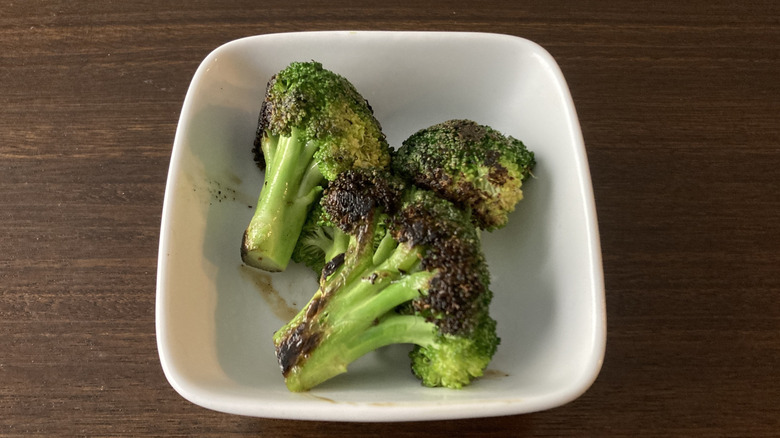
Rather than using my usual olive oil for the sautéing method, I switched things up with a slab of Country Crock plant butter, which is also olive oil-based but delivers a creamier body and taste once melted. I cooked these florets over moderately-high heat, since I was going for a slightly firmer texture with a nice caramelized finish. This meant tending them constantly and turning over the broccoli to prevent it from scorching, and adding a little more butter once the first bit had absorbed. Even so, ended up with a bit more caramelization than I would've liked, resulting in broccoli that was pretty brown.
Sautéing is a very finicky process for cooking broccoli, and one that I would not recommend for cooks who like convenience. Having to babysit your vegetables can derail the rest of your cooking work. It also leaves a bit of a mess in the pan that required extra cleanup. The one thing I can't criticize here is the flavor; the heat and butter combine with the sugar in the broccoli to create an outstanding semi-soft vegetable with a smoky-sweet flavor that would be great next to steak or chicken.
3. Broiled

While my ordinary broiling process for broccoli and other vegetables involves a mix of savory spices to bring the flavor together, I decided to go in with only a drizzle of olive oil and some sea salt to keep the taste factor as clean as possible. I turned the oven up to 400 degrees Fahrenheit and let the broccoli cook for 10 minutes before checking it. Then, I looked inside to see it had browned slightly, so I flipped the florets and gave them another five minutes in the heat.
Having the vegetables exposed to the open burners in the oven helps caramelize them without over-softening them. The drawback is that they can sneak up to the burnt stage pretty quickly if you aren't keeping track of how long they've been in the oven. The resulting flavor was somewhere between sautéed and grilled, with a crispy texture and a slightly more shriveled body to the florets. Cooking is compromise, I guess.
This is the best way to prepare a large quantity of broccoli as well as letting it share the pan with roasted peppers and potatoes for a mixed vegetable dish. Try smashing your broccoli before cooking to make it even crispier. There's a little pan scrubbing afterward, but it's no big deal.
2. Roasted
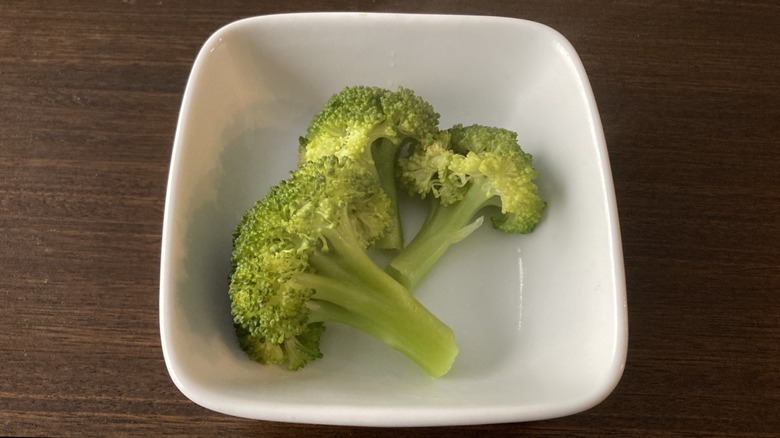
Roasted broccoli is one of the most underrated cooked vegetables on the planet, in my opinion. Allowing the heat to slowly soften the florets while caramelizing the sugars provides a crisp yet chewable texture that maximizes flavor and consistency.
For my roasting process, I heated the broccoli in a ceramic casserole dish with a bit of water in the oven at 350 degrees Fahrenheit to give it a longer cooking time than broiling. I also covered the casserole with a glass lid, though you could use aluminum foil instead. I started with five minutes, then checked for doneness before letting it go for another five. I kept careful watch over it so it didn't overcook. The florets were tender and ready to eat after about 15 minutes.
The roasting process softened the florets perfectly while allowing them to develop a slightly more caramelized flavor than simple steaming or microwaving would have. Though I didn't finish them off by removing the lid and letting them dry out and brown just a little, it's a nice touch that would firm and brown them a bit more to stand on their own as a side dish.
This is a great process to use when your oven is busy with other items and you just need to set your broccoli cooking. A recipe like crispy roasted parmesan broccoli made on a sheet pan would be a good way to go.
1. Grilled
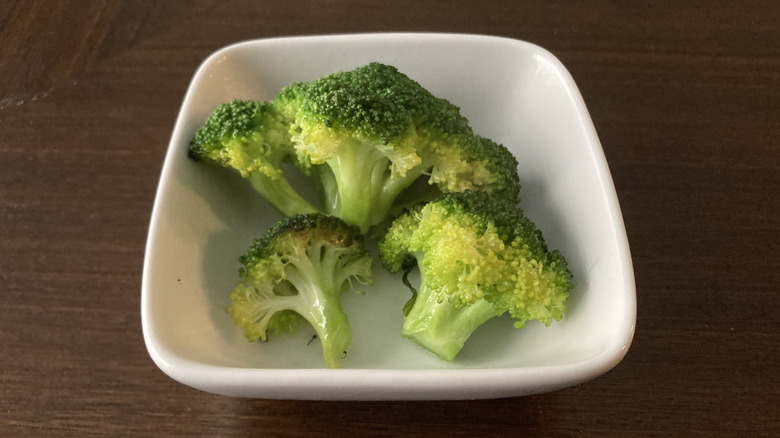
Broccoli may seem like one of those things you wouldn't think to cook on a grill, which is understandable; laying chopped broccoli on a heated grate sounds like a recipe for mess on top of mess. But if you prepare it properly, you can use the open-fire goodness for a delicious finished dish.
Rather than going with an open grill and risking disaster, I wrapped a few florets in aluminum foil after coating them with oil, and popped them onto the grill. The heat was set at 420 degrees Fahrenheit for what I would consider a flash-level heat in my restricted culinary vocabulary. This allowed the vegetables to cook as quickly as possible without compromising taste or texture.
The aroma that wafted out of the foil when I opened it was perfect, a mix of grassy green and roasted sweetness that told me something great had happened over the open flames. The flavor was ideal as well, perfectly centralized between the steamed broccoli and roasted broccoli I tried. It seems like the higher heat, quicker cooking time, and foil wrap combine to create the perfect environment for cooking broccoli.
I've heated broccoli on the grill many times and I always love how it turns out. It also happens to be the easiest process to clean up. If you have a grill at home, this would be the recommended way to get your broccoli cooking.
How I ranked these methods
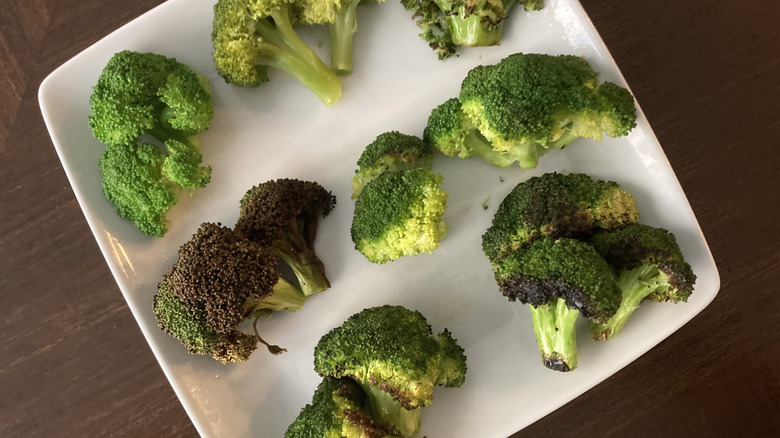
The most obvious aspects for ranking various methods I chose for making broccoli are by the resulting taste in texture of the vegetable. It's obvious that heat applied in different ways will result in an array of flavors and textures, so these were my primary guide posts throughout the taste test.
But other elements of the cooking process can be time prohibitive and even put certain techniques out of reach; for instance, if you don't have an air fryer or a barbecue grill at your disposal, those methods are ruled out entirely. For these reasons, I also took convenience and availability of everything needed for the cooking processes into consideration when creating the ranking.
Depending on how quickly you like your meal to come together, time spent in the kitchen or waiting for your broccoli to finish cooking can also influence your decision regarding which method works best for your needs. And of course, the techniques that make the least mess while keeping all of these other aspects in check turn out to be the most favorable, all of which I factored into my decision-making process.