

10 Ways To Make Spam Taste Gourmet, According To A Spam Chef
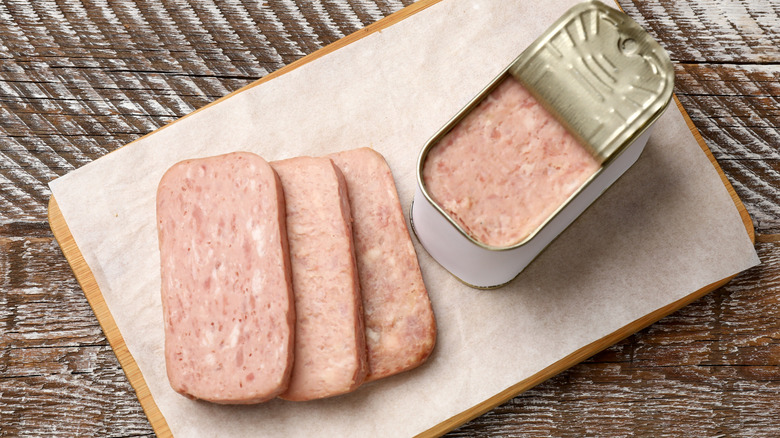
Spam, which is said to get its name from the combination of spice and ham, is both an American staple and a cultural icon — particularly in Hawaii. Not only did Spam fill a need for shelf-stable, wartime food for soldiers around the time of World War II, but locals in the area also embraced the canned meat's unique features creating local dishes like Spam musubi and Spam fried rice. Today, Spam is a part of Hawaiian culture. Not only are Hawaiian 7-Eleven stores selling 70,000 Spam musubis each week (per YouTube), but the state also has the annual Waikiki Spam Jam, where 40,000 people came out to celebrate the canned meat in 2026 (per Hormel Foods). Teriyaki and Portuguese sausage flavors were even manufactured specifically for the Hawaiian market.
Hawaii isn't the only state benefiting from the convenience of having Spam in the kitchen pantry. Since it was introduced in 1937, billions of cans of Spam have been produced. There's even a Spam museum in Minnesota. So we spoke to Spam expert Erich Chieca, Executive Chef, Hormel Foods Culinary Collective, to find out how to elevate this popular ingredient.
"Spam is a remarkably versatile ingredient that brings out the best in everything it's paired with," said Chieca. "With a few simple techniques, you can unlock its full potential and take any dish to the next level." If you're interested in using Spam in unexpected ways, Chieca shared his tips on how you can elevate it into gourmet dishes and upgrade your canned ham game.
Use a hard sear
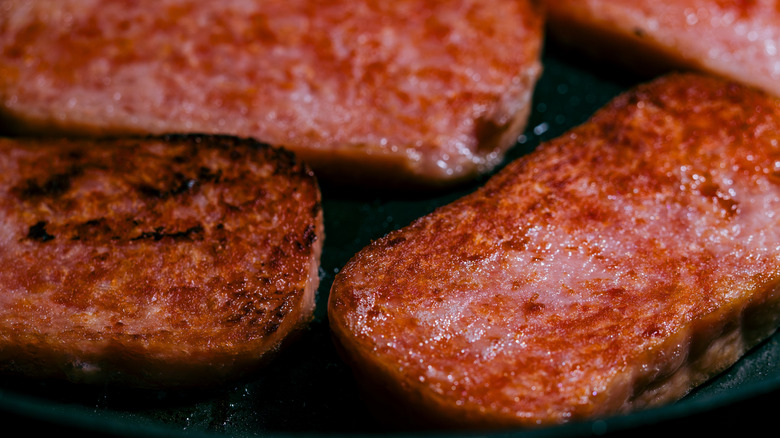
One of the best ways to elevate the flavor of your Spam? "Slice it thick and sear it hard," said chef Erich Chieca. "A cast iron skillet and high heat are your best friends. A proper sear creates a deeply caramelized crust that adds layers of savory, almost smoky flavor."
A proper sear will also enhance and intensify the flavor of your meat by creating a crust. This reaction between the meat and the higher heat is known as the Maillard reaction, which causes amino acids in the Spam to impart a greater depth of flavor. The sear can also boost the appearance of the meat and improve the presentation of your dish — two key characteristics of a gourmet creation.
If you decide to sear Spam, Chieca suggested patting your slices dry with a paper towel before they hit the pan. "Moisture is the enemy of a good crust," he said. "Get your cast iron screaming hot before adding the meat, and don't move it for at least 90 seconds per side."
Choose a tasty marinade
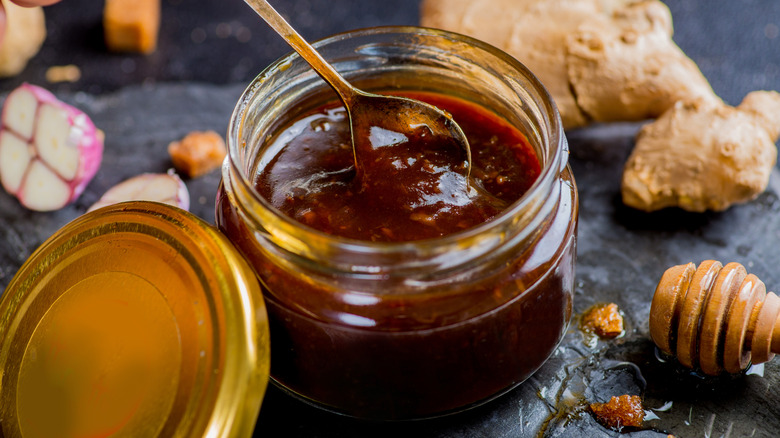
According to chef Erich Chieca, Spam is highly receptive to marinades and absorbs flavors really well. "Try a quick soak in a mixture of soy sauce, mirin, garlic, and a touch of sesame oil before cooking for an umami-forward upgrade," he suggested.
However, be careful not to over-marinate your meat. Cooking experts indicate that the longer a meat sits in a marinade, the mushier it can become. A softer meat like Spam doesn't need to be marinated as long as a chicken breast or thick cut of beef. In fact, Chieca said you don't need to marinate it long at all in order to impart the flavors you want. "Even 20 to 30 minutes makes a noticeable difference," he said. "For best results, keep the marinade time to a few hours so the flavors stay balanced and the Spam holds its satisfying bite."
Depending on the flavor profile you're going for, your marinade should include a fat like olive oil or yogurt, an acid like lemon juice or a vinegar, and seasonings like salt, garlic, and shallots. You also might want to include sugar, honey, or even an umami flavor like fish sauce. Some perfect marinade ingredients for Spam might include sesame oil, rice wine vinegar, oyster sauce, Worcestershire sauce, garlic, ginger, honey, and mirin.
Try glazing Spam
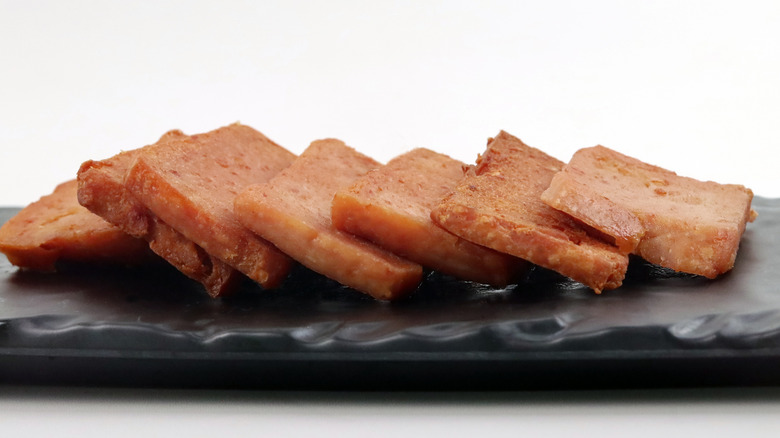
Glazing Spam after cooking it adds depth and enhanced flavor to the meat. Plus, you can combine salty and sweet for an extra palate-pleasing flavor. Try mixing fruit spreads or chutneys with whole grain mustard or another savory ingredient. Experiment with your favorite flavors until you find a combination you like — most cooks find that a little sweetness will complement the saltiness of seared Spam.
Chef Erich Chieca suggested treating Spam the way a chef would treat duck breast or pork belly, finishing it with a glaze of honey and gochujang, or a reduction of balsamic and brown sugar, in the last few minutes of cooking. For the glaze, Chieca said to apply it in the last two to three minutes of cooking over medium heat. Doing so also allows the sauce to thicken until it becomes the type of glaze that coats the Spam.
You will be delighted by the stickiness and the extra flavor. The key is paying attention to the timing. "Too early and it burns; too late and it doesn't have time to set," said Chieca. "A silicone brush gives you the most control."
Deepen the flavor by smoking it

Historically, smoking was used to preserve meat and is particularly effective at controlling bacteria. In fact, when wood is ignited, the acids and alcohols act as antibacterial agents and help to prevent foods from spoiling. Today, smoking is not necessary for preserving meats, but is instead used to enhance flavor, heighten the taste, and elevate the preparation of different meats. In fact, this cooking method creates a deep, complex, smoke-infused flavor that you cannot achieve with grilling and roasting alone.
The type of wood matters. Some experts recommend using hickory or fruitwoods for pork products like Spam. You can also mix hickory with applewood for a smoky flavor with a hint of sweetness.
"If you have a smoker or even a stovetop smoking setup, a short smoke over applewood or cherrywood chips deepens [Spam's] complexity and highlights the rich, savory character of this premium cured meat," said chef Erich Chieca. It's best to keep the smoking short. "Twenty to 30 minutes is plenty. Spam doesn't need long smoke exposure; you're just adding a subtle layer, not overpowering the flavor."
Treat it like bacon

Lots of Americans love the taste of bacon. After all, there's something irresistible about cooking up crisp slices of bacon in the oven or in a pan until it releases all of its buttery, salty glory. Not only does it add flavor to all of your favorite dishes, but that crispiness offers a rewarding mouthfeel.
If you're a fan of bacon, you'll love the fact that Spam can often be treated the same way. In fact, chef Erich Chieca suggested cubing Spam and crisping it up to create a remarkably similar flavor profile to bacon. "Cut Spam into small cubes and render them down in a pan until crispy," said Chieca. "Use them exactly as you would bacon bits, tossed into a salad, stirred into pasta, or scattered over a creamy soup."
For the cubing technique, the chef said to start with a cold pan and let the fat render out slowly before turning up the heat to crisp up the cubes of meat. "This gives you more flavor and a better crunch than dropping them straight into a hot pan," he explained.
Choose high-end condiments
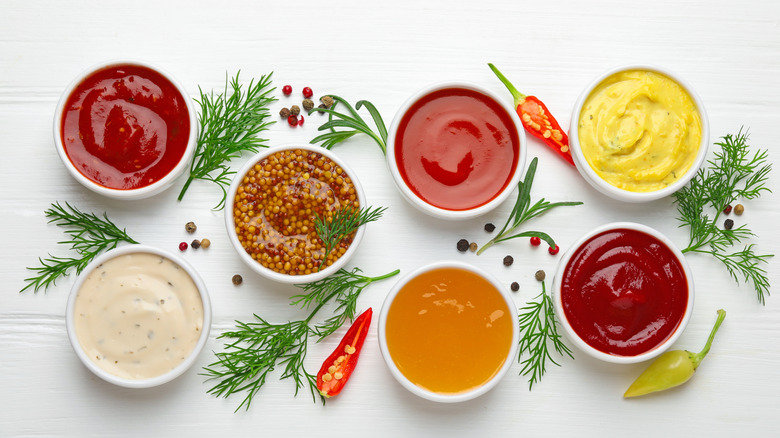
Sauces and condiments are one of the best ways to boost the flavor or your dish and make it stand out from other creations, especially if the one you choose has a complex and intriguing flavor profile. A well-selected condiment can also add a different texture based on whether it's smooth, chunky, or creamy. You can create variety and to liven up a dish you've been making for years simply by swapping out the sauce or condiment you pair it with.
Chef Erich Chieca said Spam pairs beautifully with bold accompaniments. "Try serving seared slices with whole grain mustard, a yuzu kosho aioli, or a dollop of kimchi butter," he suggested. "Spam's savory depth makes it a natural partner for elevated flavors."
To pick the perfect sauce or condiment for your Spam dish, consider the ingredients you're using in your dish and the flavor profile you want to create. For instance, a mild or light sauce may not pair well with bold flavors, while a strong or heavy sauce could overwhelm a lighter dish. Experiment with different flavors and textures until you find one that produces the result you want.
Give it a role in a composed dish
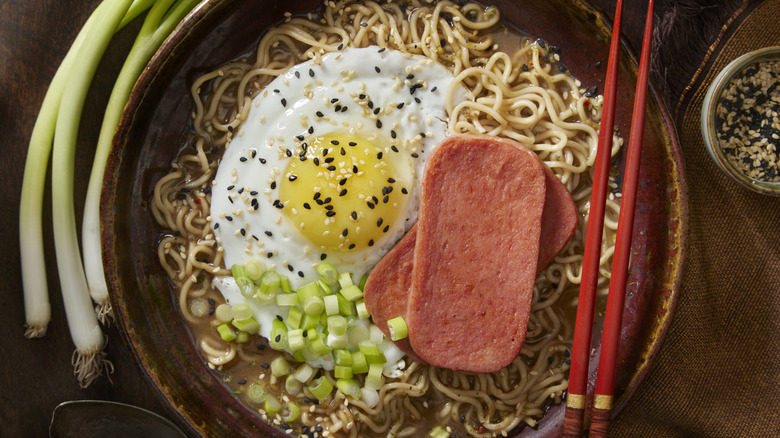
One of the best ways to take Spam to the next level is to use it in a composed dish, said chef Erich Chieca. But what exactly is a composed dish? According to experts, one of the most important things to consider when developing a composed dish is to think about the flavor pairing. After all, some flavors will play well together while others simply won't make sense when you see them on a plate.
You also have to consider how those flavors and foods will be plated together. In other words, where will you place your vegetable, protein, starch, herbs, and sauces? Remember that what people see on the plate plays a big role in how your food tastes to them. So how you assemble the dish is important. To make your Spam dish come to life, Chieca suggested thinking beyond the sandwich.
"Plate seared Spam over a silky parsnip purée with a drizzle of herb oil, or lay it across a bowl of dashi broth with a soft-boiled egg and scallions," he said. "Presentation and context change everything."
Consider breading and frying Spam
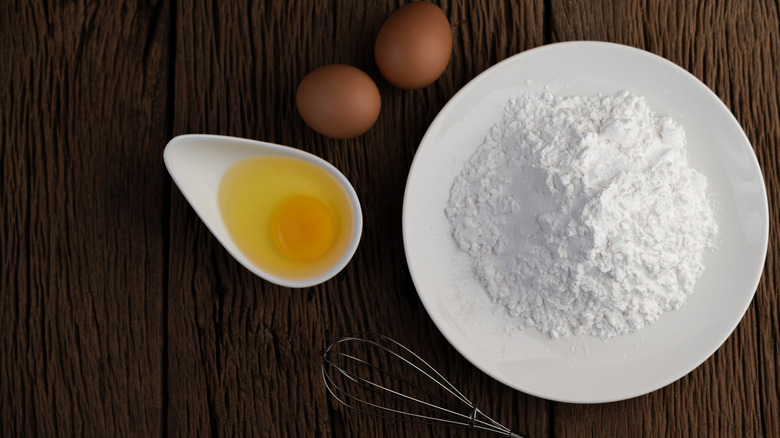
There's something magical about breaded and fried foods — many of which can be considered high-end or gourmet if treated appropriately and plated accordingly. Think chicken Milanese or chicken piccata, but made with Spam instead. Typically, America's love for these breaded or battered and fried foods is related to crunchiness, flavor, and that melt-in-your-mouth goodness. And, according to chef Erich Chieca, you can create these sensations with Spam, too. The key is breading and frying it properly, he said.
"Take the fritter concept upscale by dredging thick slices in seasoned flour, dipping in egg, coating in panko, and frying until shatteringly crisp," said Chieca. "Serve with a dipping sauce and it becomes a legitimate crowd-pleaser at any table." For perfect breading and frying, start by making sure your oil is at 350 degrees Fahrenheit before adding the Spam. "Any cooler and the breading absorbs oil instead of crisping up," explained Chieca. "A thermometer is worth it here."
When serving your Spam fritter, think about how you might top it. For instance, arugula, shaved parmesan, fresh lemon juice, chopped parsley, or flaked sea salt are all good options. Then, pair it with a dipping sauce like garlic aioli, pesto, chimichurri, or even a copycat Raising Cane's sauce.
Use it on a charcuterie board
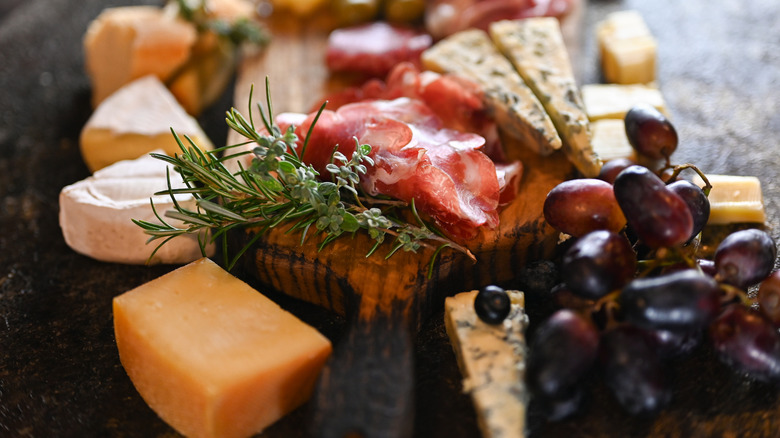
Ever-popular charcuterie boards often feature cured meats, cheese, fruits, spreads, crackers, nuts, chocolates, and other snacks that are served as appetizers for a larger dinner party. These boards are also fun displays of food, easy to put together, and allow people to try a variety of meats and cheeses. They may also be a good way to feature Spam, suggested chef Erich Chieca.
"Thinly slice and sear Spam, then arrange it alongside pickles, sharp cheddar, grainy mustard, and crackers," said Chieca. "It holds its own next to cured meats at a fraction of the cost."
To assemble your board, Chieca suggested searing the Spam slices ahead of time and letting them come to room temperature before plating. "For the perfect bite, skewer a piece of Spam with a pickle, a cube of sharp cheddar, and a swipe of grainy mustard — it's a crowd-pleaser that disappears fast."
Balance the saltiness with acidity
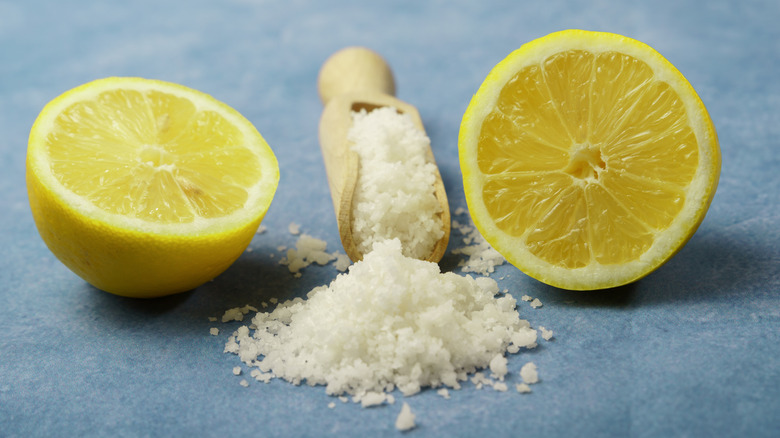
Acid plays an important role in cooking and often helps to balance out dishes. Used appropriately, it can allow other flavors to shine without becoming overbearing or taking over the dish. For instance, adding a pinch of vinegar or incorporating lemon juice into your soup can help the other flavors to shine. The same is true for dishes made with Spam, especially when it's topped with something bright and acidic, said chef Erich Chieca.
"Spam is rich and salty by nature, so it loves a sharp counterpoint," said Chieca. "A quick pickled cucumber salad, a squeeze of fresh lime, or a spoonful of mango salsa cuts through the richness and makes the whole dish feel alive."
For the acidic topping, Chieca said timing is everything. "If you're building a salad, dress the greens first and then lay your seared Spam on top just before serving. On a taco, squeeze the lime right before that first bite — the brightness hits at exactly the right moment."