

12 Restaurant Chains That Were Way Better In The 2000s
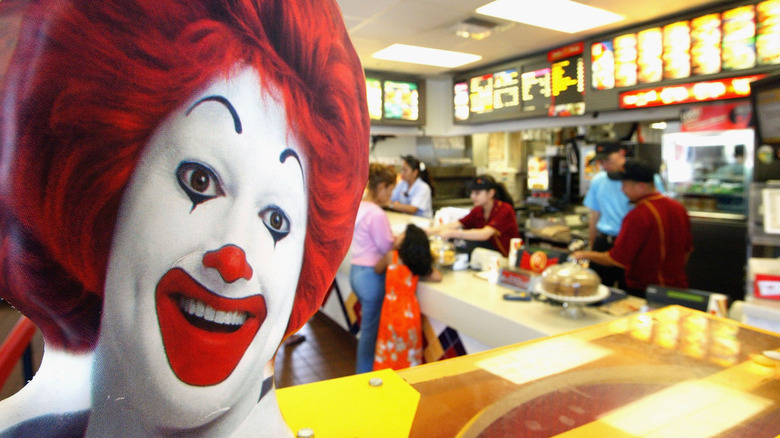
Those instantly-recognizable golden arches, the bright red roof, that glowing red chili sign — all sights that made us shout "pull over" to our parents back in the day. In the 2000s, nothing was more enticing to kids and adults alike than the promise of a McDonald's snack wrap or a freshly-toasted sandwich from Quiznos. But the restaurants we loved in the 2000s feel quaint compared to today's convenience-first DoorDash dining trend. These 12 restaurant chains in particular have seen better days.
Some have raised their prices into the stratosphere, and others have changed their menu for the worst. And then there are the restaurants that are barely hanging on for dear life, with looming bankruptcies and sweeping downsizing threatening to shut them down completely.
From news publications to Reddit, people have a lot to say about how these restaurants have fallen from grace since their Y2K heydays. Even loyal customers are admitting their preference for the Taco Bell, Sonic Drive-In, and Hooters of yesteryear. Keep reading to see if your former favorite — or current go-to — made our list.
1. McDonald's
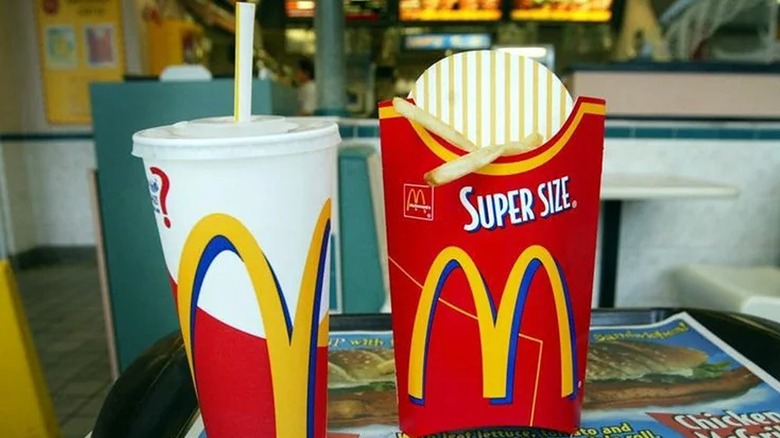
McDonald's is just as culturally relevant as it was 20 years ago, but that doesn't mean it's better now than it used to be. In fact, some would say that 2000s-era McDonald's is when the fast food chain was at its peak. Think about it: vestiges of the vibrant '90s color scheme remained, Happy Meal toys felt like actual collectibles, and those yellow arches still inspired excitement. Customers would never have discovered the convenience and tastiness of the legendary Snack Wrap if it hadn't debuted in 2006. The offering — which was discontinued in 2016 — was such a cult favorite that it returned in 2025.
But perhaps the most memorable part of 2000s-era McDonald's wasn't a menu item at all, but the menu itself. McDonald's Dollar Menu made it possible for everyone to fill their bellies, regardless of their financial situation. Burgers and fries for $1 each harkened back to a simpler time — a time many modern customers want back.
McDonald's replaced the Dollar Menu with a McValue Menu in the 2020s, making it difficult for customers to enjoy those classic fries and burgers the way they used to. The Dollar Menu has turned into the "under $3 menu", a seemingly-small change that customers say leaves a big dent in their wallets. "In what world is $7.00 for a McDouble 'mcvalue meal' with SMALL DRINK AND FRIES any value at all?" one person wrote on X. "That is 89 cents worth of food."
2. Pizza Hut
You'd know that red tiled roof anywhere, the one that immediately brings to mind steaming stuffed-crust pizza and commercial-worthy cheese pulls. Pizza Hut has been a fan-favorite since the '60s, but the '90s and 2000s were when the pizza chain really got experimental with its menu offerings.
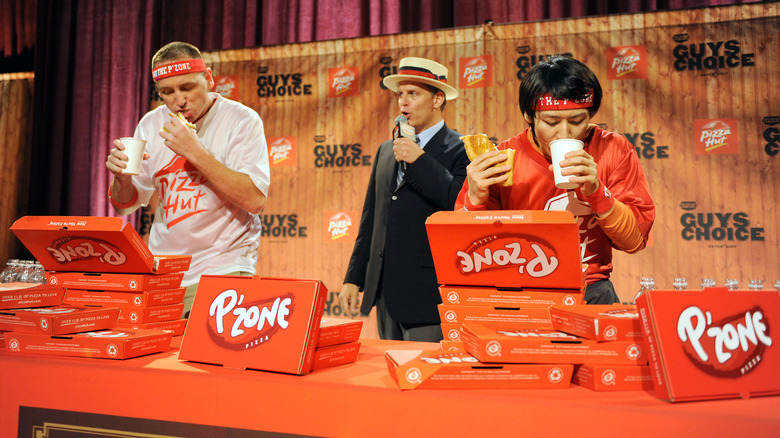
Dippin' Strips and the P'Zone (a pizza-calzone hybrid) defined Pizza Hut's 2000s era, and gained a cult following. The P'Zone debuted in 2002 and was phased out in the early 2010s, making it a true relic of the 2000s. "If I ever won the lottery, I would open an unsanctioned pirate Pizza Hut just to eat them again," one Reddit user said. This Redditor got their wish in 2019, when Pizza Hut resurrected the cult favorite P'Zone along with nostalgic decor. But the P'Zone has since disappeared back into the Pizza Hut vault.
And something else has disappeared at Pizza Hut since the 2000s: significant profits. The pizza chain's profits hit new heights during the P'Zone's original run in the early-mid 2000s. The pandemic undoubtedly generated delivery profits for Pizza Hut, but it hasn't been able to compete with other big names in pizza delivery. In 2026, Pizza Hut's parent company, Yum! Brands, announced it's closing 3% of the pizza chain's U.S. locations — that's about 250 empty red-roofed restaurants.
3. Sonic Drive-In
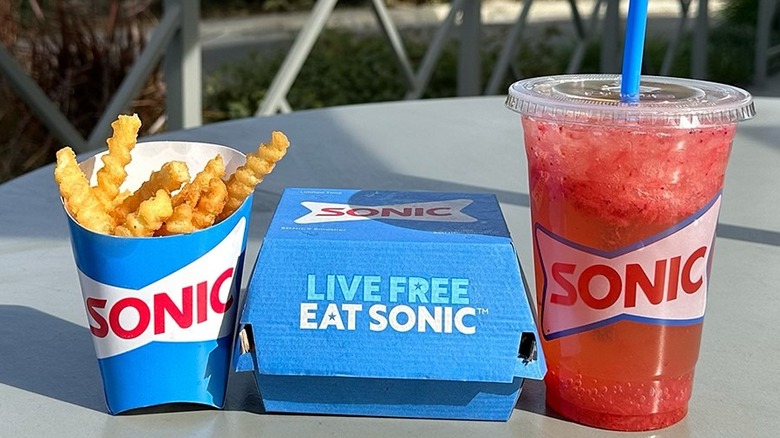
People wanted eating out to be fun back in the 2000s, not just convenient. Hence the popularity of Sonic Drive-In, which opened back in the '50s but arguably hit its peak in the '90s and 2000s. Its retro vibe, complete with a carhop on roller skates, was a stand-out feature, especially as drive-thrus gained steam and in-person interaction lessened. When our dads all craved corn dogs and chili cheese fries, we'd pile into the minivan and head on over to Sonic with our windows rolled down, ready to order. Memories!
Sonic's advertising helped the drive-in chain achieve national fame in the 2000s. In fact, you might know of the restaurant solely for its quirky "Two Guys" ads depicting two "everyday Joes" in a car, chowing down on hot dogs and talking about their love for Sonic. The restaurant phased out these fan-favorite ads in the 2010s, and the enthusiasm for Sonic seemed to phase out, too.
Customers' needs have changed, and Sonic has had to change with them. Now, the carhop-style service adds friction to the now-popular contactless food delivery trend. The chain has moved away from corporate ownership to franchising in an effort to cut costs and expand to new markets. This operational change doesn't necessarily mean that Sonic is in trouble — quite the opposite — but it's a reminder of how times can change, and customer tastes can change right along with it.
4. Red Lobster
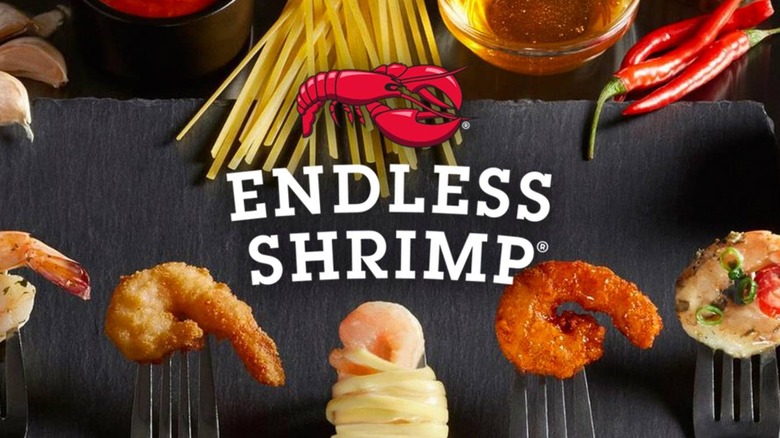
Remember when you thought a succulent lobster dinner was the height of elegance? Red Lobster felt like the swankiest spot in town thanks to its upscale atmosphere, fresh seafood, and yes, those unforgettable cheddar bay biscuits. "Red Lobster used to have tablecloths back in the day ... candles, nice decor, and when you ordered a salad, the waiter [would] crack fresh pepper on it," one Redditor recalled. The chain's peak arguably came in 2004, aka the year Red Lobster started its Endless Shrimp promotion.
But time has not been kind to Red Lobster, starting with a 2009 renovation that switched to a coastal New England vibe. "They have gone downhill starting back when they changed the decor," the same Reddit-user wrote. "Slowly but surely, they lost the panache they once had." When Red Lobster filed for Chapter 11 bankruptcy in 2024, CEO Damola Adamolekun told Business Insider that its Endless Shrimp promotion probably wouldn't continue.
With Red Lobsters closing all around us, it's hard not to look back at a happier time for the restaurant chain. Although Red Lobster recently reversed its decision and brought its Endless Shrimp promotion back to Los Angeles, it hasn't caught on with customers like it did back in the day. Some Reddit sleuths say it's a supply chain issue, but some experts simply blame poor management. Either way, it's obvious that Endless Shrimp no longer spells success for Red Lobster.
5. Starbucks
Good news: There's probably a Starbucks within 30 minutes of wherever you are right now. The coffee chain's ubiquity has long been part of its charm. Its star grew in the '90s and 2000s, thanks in part to its use of Italian phrases (grande and venti and trenta, oh my!), inventive menu, and cultural curiosity (what even is a flat white?). Starbucks felt like a more sophisticated alternative to Dunkin'. You didn't just go to Starbucks to buy coffee; you went to be seen buying coffee, while nonchalantly writing the next great American novel from a cushy armchair.
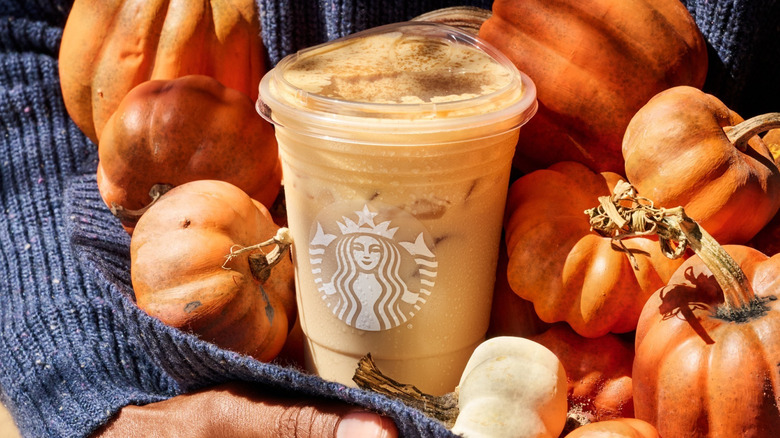
The debut of the Pumpkin Spice Latte in 2004 not only gave the coffee chain a star menu item, but long-running cultural significance. You know you've "made it" when your seasonal coffee flavoring garners both adoration and disdain every time the leaves turn brown. But the Starbucks that excited coffee lovers in the 2000s looks and feels a lot different these days.
Starbucks is still a popular sit-down destination, but its sophistication has been overshadowed by soaring menu prices and gimmicky attempts at virality (remember the Unicorn Frappuccino?). It doesn't help that other specialty coffee shops have popped up since the 2000s, making Starbucks' novelty fade. The coffee chain announced the closure of 1% of stores by 2026, and it's sad to imagine the empty street corners where Starbucks once reigned.
6. Chili's
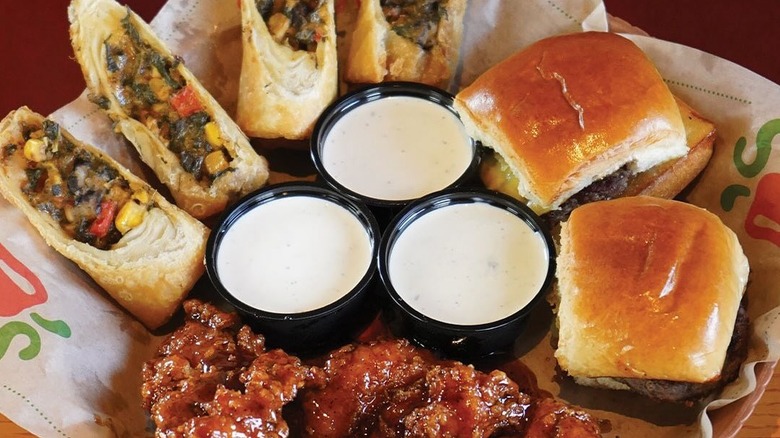
Chili's has always been more than its famous jingle, but that doesn't mean the promise of "Chili's baby back ribs" didn't excite customers back in the '90s and 2000s — quite the opposite. People really did want Chili's baby back ribs, and they wanted the restaurant chain's smash burgers and Chicken Crispers, too. With a giant, glowing red pepper adorning each restaurant, Chili's isn't aiming for subtlety. The chain's quesadillas, fajitas, and skillet queso not only brought the spice, but paved the way for one of Chili's most beloved offerings, the Triple Dipper appetizers.
Chili's expanded its beloved Triple Dipper appetizer format in the 2000s, giving fans more food and dip options. The fact that Chili's made not one, but two appearances on the decade-defining sitcom "The Office" only cemented its legendary status in the 2000s. But now, even longtime fans are questioning whether Chili's still packs the same punch.
As always, rising prices are leaving a sour taste in customers' mouths. The restaurant experienced an economic slump in the 2010s and 2020s, and is only now starting to make a comeback, thanks in part to Gen Z's enthusiasm for the Triple Dipper. "The Triple Dipper is literally a TikTok trend rn," said one Redditor. But this user claimed that the menu item is still "nowhere near the popularity it was 15 years ago." Chili's may have gained Gen Z's favor, but it has yet to achieve the highs it experienced in the 2000s.
7. Rainforest Cafe
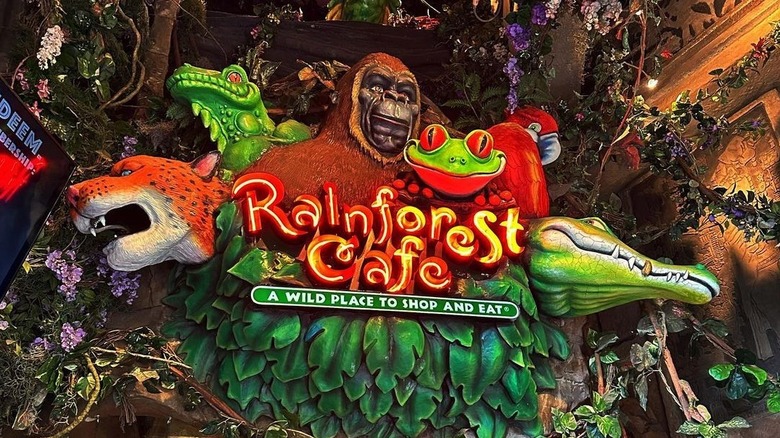
Eating at the Rainforest Cafe didn't only feel like dinner — it felt like an experience. The Rainforest Cafe peaked in popularity in the '90s and 2000s, when novelty dining experiences, like animatronic jungle animals and the occasional indoor thunderstorm, were all the rage. There's a reason why one Rainforest Cafe location has long called Disney World's Animal Kingdom home: it's the epitome of destination dining, where the food quality is second to the entertaining atmosphere.
The Rainforest Cafe has never been on every street corner or inside every mall, and its rarity was part of what made it feel like such a special dining experience. But its popularity faded in the 2010s, much like the malls many of the restaurants were attached to. Its appeal as a dining destination couldn't compete with the rise of fast-casual eateries in the 2010s and beyond. There used to be upwards of 40 locations; now there's only 16. It's a sad state of affairs for Tuki the elephant, Bamba the gorilla, and the rest of the so-called Wild Bunch.
But the nostalgia is strong with this restaurant chain, and loyal customers have helped keep the Rainforest Cafe afloat despite dwindling profits. YouTubers Eddy Burback and Ted Nivison proved just how passionate some people still are about the Rainforest Cafe when they visited every location in the U.S., collectively garnering over 20 million views in the process.
8. Hooters
Ah, Hooters: the dining destination that, honestly, had very little to do with food. This doesn't mean people don't look back fondly on the memories they made at Hooters over fried pickles and chili cheese fries. But it's safe to say that people were drawn to Hooters' reputation for scantily-clad waitresses more than its menu of pub-grub standards. It's a 2000s-era gem, a symbol of a time when we were still pondering the boundary between family-friendly and adults-only dining, and questioning if a boundary should exist at all.
In fact, there are two types of people: those who always saw Hooters as an antique, and those who thought it would survive into the 3000s — you know, like a Twinkie. Or a cockroach. In truth, Hooters could only survive off of Buffalo wings and its cheeky reputation for so long: The restaurant chain filed for Chapter 11 bankruptcy in 2025.
But the Hooters' infamous dress code isn't entirely to blame for its financial troubles. Hooters is as much a victim of inflation and rising labor costs as every other restaurant on this list. And whether you're on the Twinkie or cockroach side of the debate, you could still be right, as Hooters, despite filing for bankruptcy, still has loyal customers. And those loyal customers still seem to crave the restaurant's burgers, wings, and, well, general atmosphere. Only time will tell if they respond positively to Hooters' new plans to become more family-friendly.
9. Taco Bell
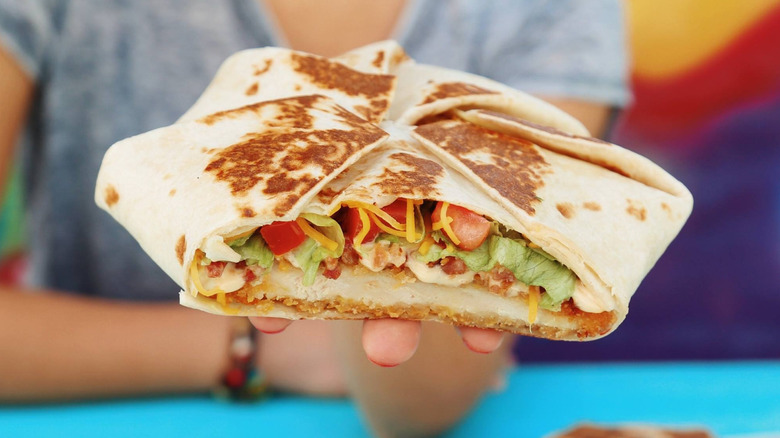
Taco Bell's Crunchwrap Supreme entered our lives in 2005, and nothing hit quite like that very first bite. It's somewhat unassuming from the outside, but once you plumb its depths, you'll find it's a masterpiece of beef, cheese, sour cream, lettuce, and tomatoes, with that classic crunch of the corn shell in the middle. The Crunchwrap Supreme catapulted the already-popular taco chain to legendary status. Other standout innovations followed, including the Double Decker Taco and 7-Layer Burrito. These items are so beloved that Taco Bell revived its 2000s-era menu for a limited time in 2025.
The fast food chain is still a fan favorite, but it hasn't had a menu item capture the cultural imagination quite like the Crunchwrap Supreme. Sure, the Doritos Locos Tacos had their moment in the 2010s, and the iridescent Baja Blast is a classic to this day. But Taco Bell itself calls the Crunchwrap Supreme its "most successful product introduction," and it's hard to argue with that.
But Taco Bell's "Live Mas" tagline rings somewhat hollow these days. Redditors are known to bemoan the loss of 2000s-era pricing, with one Reddit user lamenting "the days when a few crumpled dollars could fill a tray with tacos, burritos, and joy. When prices welcomed everyone, not just the fortunate few." This Redditor called Y2K-era Taco Bell "a vibe, a culture, a memory," one not even a nostalgic menu can reproduce.
10. TGI Fridays
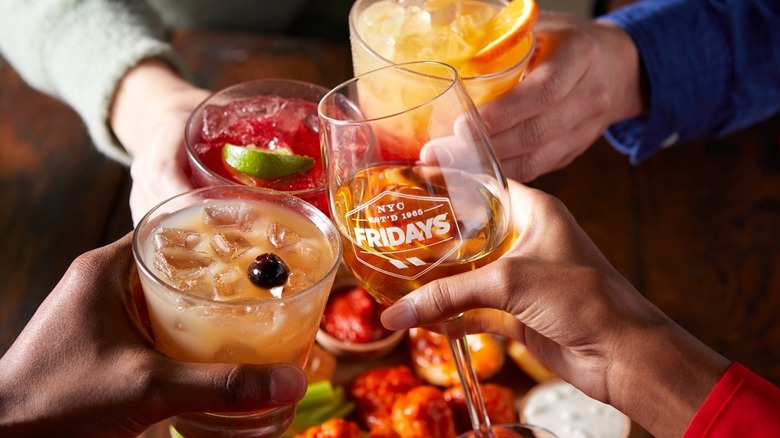
There was a time when the neighborhood TGI Fridays was the go-to casual dining destination, and that time was the 2000s. The big metal cup underneath the restaurant's logo encapsulated what Fridays was all about: lively happy hours, spicy, steaming pub grub, and, of course, alcohol — and lots of it. Where else could you get mini sliders, honey-glazed hot wings, and a frosty margarita while surrounded by blaring TV screens? Well, lots of places, but on a dreary Tuesday afternoon, you always found yourself choosing Fridays.
Now people can buy the restaurant's popular bar-and-grill-style appetizers, like loaded potato skins and jalapeño poppers, in the frozen food section at their local grocery store. Is this more convenient than going to Fridays? Sure. But these apps just don't quite taste the same when they aren't served alongside one of the chain's signature Long Island Iced Teas. Although, Americans aren't as enamored with alcohol as they used to be, either. In 2025, only 54% of survey respondents told Gallup that they drink alcohol, an almost 90-year low. And let's face it: Most people went to Fridays for the drinks and the atmosphere, not the food.
Monday finally arrived for Fridays in 2024 (sorry about the pun) when the restaurant chain filed for Chapter 11 bankruptcy. Although the restaurant is reportedly eyeing a comeback, only time will tell if it will achieve its highs of the 2000s.
11. Quiznos
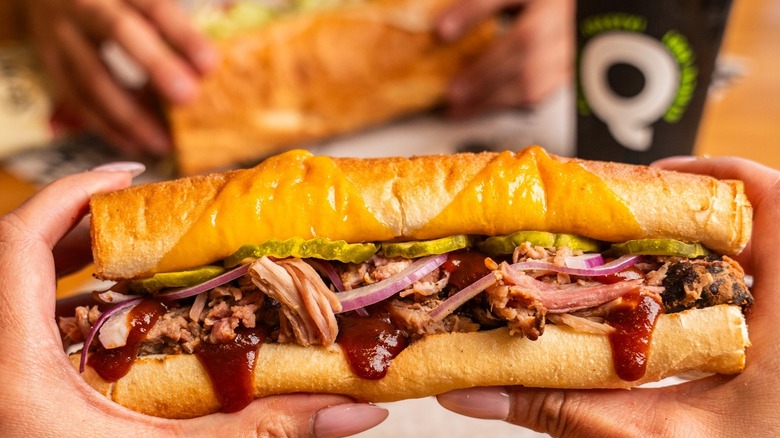
Does anyone else remember the great Subway versus Quiznos feud of the 2000s? This conjures images of lettuce and deli meat flying across bread-encrusted battlefields, but the truth is less dramatic (sadly). When Subway took a leaf out of Quiznos' book and started toasting sandwiches, it was all over for Quiznos. The sandwich chain is permanently tied to the 2000s, when it experienced its heyday — and its downfall.
Quiznos didn't go down without a fight, and even capitalized on the randomness of the early YouTube era with its "We love the subs!" Spongemonkey ad. But it was to no avail; between 2007 and 2017, Quiznos closed down an estimated 90% of its locations. The toasted Spicy Monterey Club and Mesquite Chicken sub are Y2K staples, but their deliciousness has been overshadowed by Quiznos' economic decline.
The people of Reddit put some of the blame onto Quiznos' long-maligned franchise model, with some calling it "predatory" and a "pyramid scheme." One Redditor said Quiznos' franchise model "drove everyone into the ground." Some Quiznos locations are still chugging along, but they're not nearly as popular as they were in the early aughts.
12. Subway
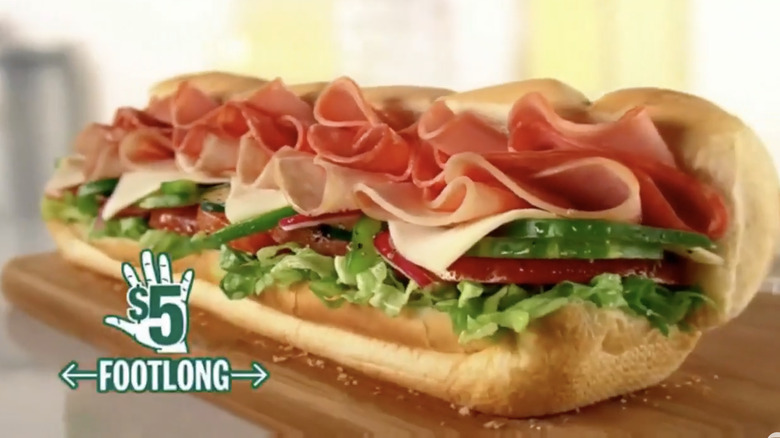
The 2000s brought highs and lows to Subway, but you can't deny the meteoric rise of the famous $5 footlong (you're singing the song in your head right now, aren't you?). There's a reason Subway calls its employees sandwich artists; the experience is meant to feel more intentional and refined than the average sub shop, even if they're simply laying presliced ham and shredded lettuce onto an Italian roll.
"It was cozy and refreshing at the same time," one Redditor said of Subway's 2000s-era decor. But modern days are not so idyllic. That $5 footlong customers used to love so much? It's been cut in half for the same price. Nowadays, Subway customers can't help but remember better (and less expensive) times. "I feel like [the food] tasted way better back then," the Reddit user added.
Some customers also question if the chain's food is still as "fresh" as it once claimed. In 2021, the New York Times commissioned a lab test of Subway's tuna sandwiches and found, well, not tuna, meaning the sandwiches were either highly processed or made of something that was decidedly not tuna fish. This doesn't mean that Subway's sandwiches aren't healthy, per se, but it does give you pause, right? It's no wonder customers are wistful for the days when "eating fresh" seemed as simple as a $5 footlong.