

The Forgotten Breakfast Dishes People Ate During The Great Depression
When the stock market crashed in 1929, it ushered in an era known as the Great Depression. This time of hardship brought about a way of cooking that's almost unheard of today. Not only were people limited in what they could afford to eat, but some foods became so scarce due to supply chain issues that they rarely graced breakfast tables. This forced the people of this generation to be creative and resourceful as they made do with what they had on hand.
The top priority was to sustain their families by keeping them fed with foods that would fill their bellies and could be stretched further in some way. Consequently, this approach often meant sacrificing flavor because spices were costly. Instead, breakfast was created around staples people had, like potatoes, rice, oats, cornmeal, and flour.
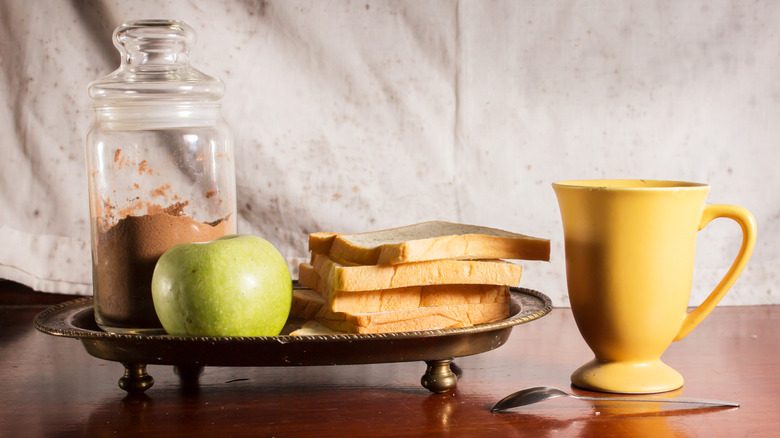
While this time period may have been challenging, this hardworking generation created unique meals and dishes during the Depression that kept their families fed and ensured that absolutely nothing went to waste. Even lowly vegetable peels were used in soups for the next day's dinner. Meanwhile, leftover mashed potatoes were turned into potato pancakes at breakfast and stale bread became milk toast.
Though people may no longer consume these breakfast dishes regularly, remembering them — and perhaps even preparing one or two — pays homage to the strength and survival that era possessed. Here are some common breakfast items people ate during the Depression.
Poverty pancakes
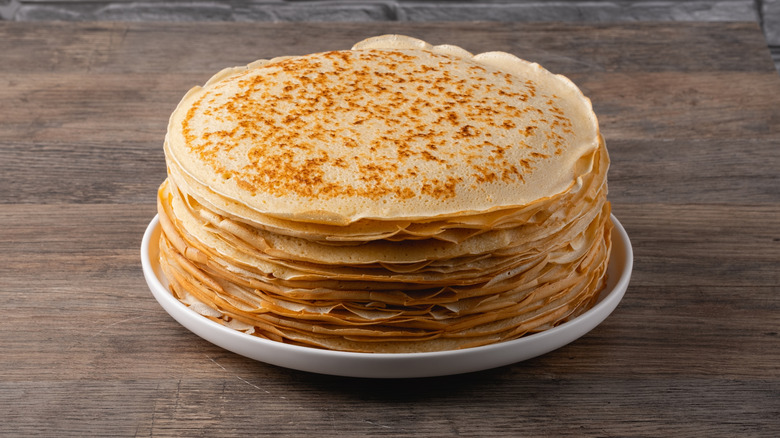
During the Depression, milk and eggs were in short supply, due to the fact that few families could afford to stock these items. If the family didn't have chickens or cows to source eggs and milk from, they had to rely on pantry items readily available to put breakfast on the table in the morning. Consequently, because flour, water, salt, and small quantities of sugar were somewhat inexpensive staples most families had available in their kitchens, they used these ingredients to make their breakfasts.
Poverty pancakes, or pancakes made without milk and eggs, was one such dish born out of the Depression. This simple recipe combined flour, warm water, salt, sugar, and baking powder to form the pancake batter. Once cooked on a hot pan, it was topped with whatever sweetener the family had. For some families during this era, this meant slathering them with molasses, the least expensive sweetener at the time. Today, some people still make pancakes with no milk and eggs due to food allergies or dietary restrictions.
Cornmeal mush
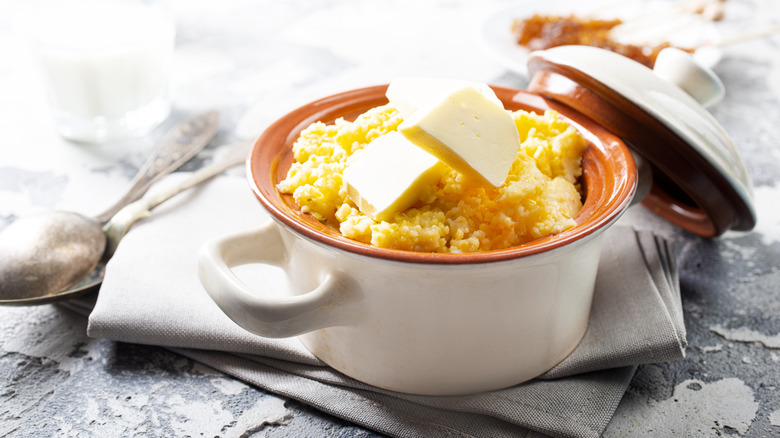
Cornmeal mush was another popular breakfast dish largely because cornmeal was inexpensive and readily available during that time period. This warm dish was easy to make as well as filling, dense, and carb-heavy — characteristics that provided working class families with the energy they needed to get through the day.
To make the mush, some home cooks simply mixed cornmeal, water, and salt and cooked the mixture to the desired consistency. Another variation, which was developed by a group of scientists at Cornell and spearheaded by Eleanor Roosevelt, involved using powdered skim milk, cornmeal, and salt. Once prepared, families served it with a pat of butter if they were fortunate enough to have some on hand and any sweetener they had available.
Later, the leftover mush could be poured into a loaf pan to cool, then sliced into thick slabs the next day for another meal. Some people even fried the pieces of sliced mush in leftover grease or lard to make another satisfying dish. Complete with crispy edges, the slabs were then doused in sweeteners like sorghum syrup or even molasses, if there was some to spare.
Creamed eggs on toast
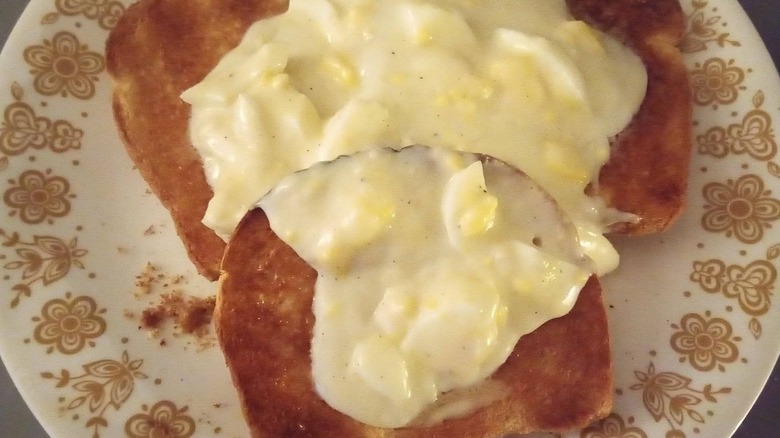
During the Depression, families were forced to get creative with the meager ingredients they had available and find ways to stretch them to feed the hungry mouths at the table. One way to do that was to engineer dishes that took staple items and stretched them as far as possible. Creamed eggs on toast, or egg gravy as it was sometimes called, fit that bill perfectly.
This recipe provided a way for the family to take what few eggs they had on hand, bulk them up, and still produce a filling breakfast that would sometimes get them through until dinner. Overall, the dish was rather simplistic and involved mixing a white gravy with chopped hard boiled eggs and ladling it over toast. The end result was a warm and satisfying meal that could be made with as little as two hard boiled eggs. Egg gravy was also remarkably affordable for that time period and considered a hearty comfort food.
Milk toast
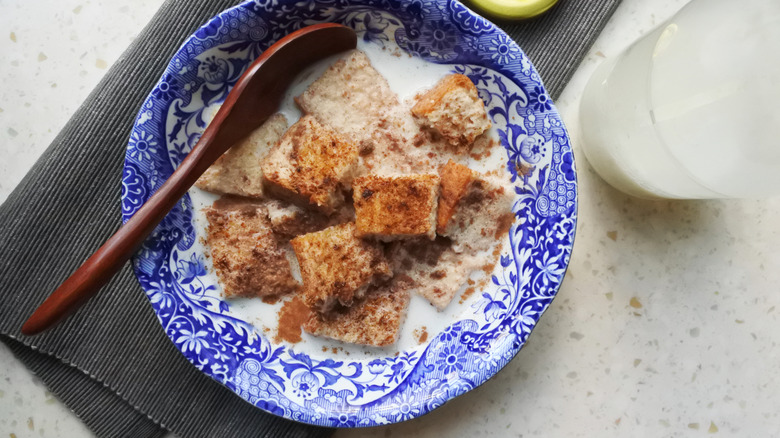
The idea of taking bread and turning it into a mock breakfast cereal probably sounds like a completely foreign concept today. But milk toast, as it was often called during the Depression era, was an immensely common breakfast dish at the time. Families basically lived on bread and a little milk on occasion. Aside from being affordable and easy to make, many people also considered it the quintessential food to feed someone who was ill or recovering from a sickness. Not only was it bland and soft, but milk toast was easily digested. This made it the go-to meal when someone was under the weather.
Today, you won't find many people in the United States eating milk toast, but in other parts of the world it's still common. In Hong Kong, there's a version of milk toast made with sweetened condensed milk and toast. There are also some modern-day cookbooks that feature milk toast, like "The Little Women Cookbook." The cookbook is based on the novel by Louisa May Alcott and includes versions of foods that the March sisters might have eaten, including milk toast.
Cornmeal breakfast pudding
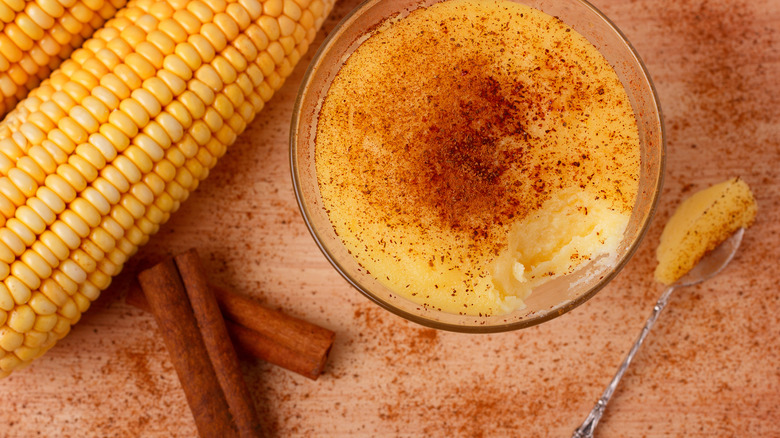
Cornmeal breakfast pudding, or hasty pudding as it's sometimes called, is a cake-like dish that was originally made with wheat in Europe. But during the Depression, cornmeal was used because it was inexpensive and abundant. If a family had spices on hand, they might flavor it with cinnamon or nutmeg and pour molasses on top to sweeten it up. The First Lady Eleanor Roosevelt loved hasty pudding and served it at the White House one year for Thanksgiving. It was rumored to be Uncle Teddy Roosevelt's favorite dish, too. This led some people to call it "Teddy Roosevelt's Pudding."
Much like cornmeal mush, cornmeal breakfast pudding starts with cornmeal and builds from there. Most recipes call for cornmeal and milk, but people in that era might have used a combination of water and milk to conserve some dairy for a different meal. Some recipes also call for eggs, so if a family was running low they might choose to make cornmeal mush instead of hasty pudding. Either way, cornmeal was a cheap, accessible grain that could be turned into a number of filling dishes.
Creamed chipped beef
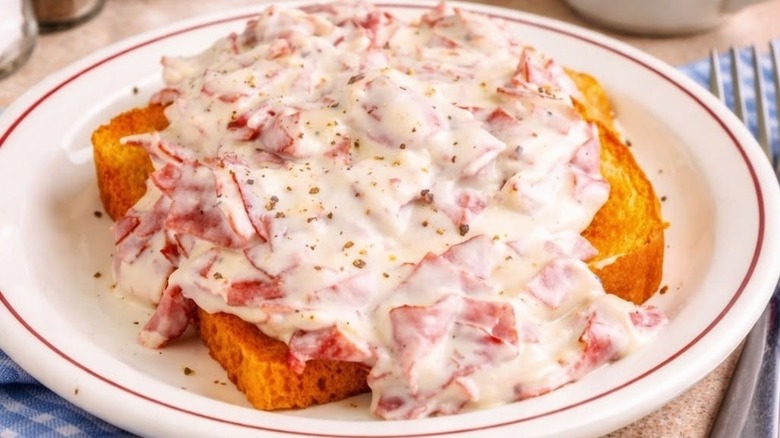
When families wanted something a little heartier for breakfast, or perhaps something that resembled a comfort food, they likely made creamed chipped beef on toast. Sometimes called frizzled beef or SOS (which had a variety of different meanings), this simple dish incorporated a small amount of dried beef or beef scraps with a white gravy made with milk, flour, and butter. Then, that mixture was served atop one or two pieces of toast.
During the Depression, people were careful not to waste food, so they would use beef scraps to make this dish. Even if the beef was old and would be thrown out by today's standards, it would still be used after being rinsed with vinegar. The end result was a dish with a more sour or acidic taste than the original recipe.
Creamed chipped beef originated in Britain when the British navy fed the concoction to their sailors. The dish then made a comeback during the Great Depression because it was incredibly budget-friendly. The beef was dried so it didn't require refrigeration, and it was a great way to stretch a small amount of meat to feed an entire family. Some families still make the meal using packaged dried beef, and appreciate that the recipe can be made in less than 15 minutes for a savory start to the day.
Coffee soup
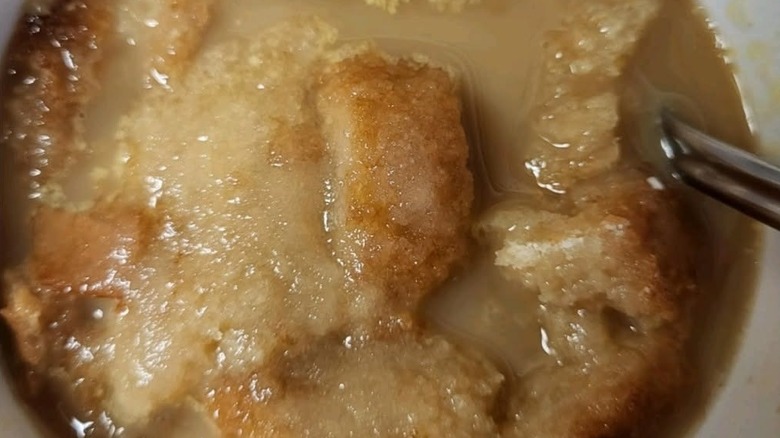
Originating in the Amish community, coffee soup is the epitome of a minimalist dish. It became a go-to breakfast option during the Depression, showcasing not only the creativity and ingenuity of home cooks, but also illustrating how little families had available to them to make a meal. Most people served this simple dish during cold, winter mornings or when they needed a burst of energy from the caffeine to get through the day.
To make coffee soup, cooks placed small pieces of dry or stale bread in the bottom of a bowl and poured brewed coffee over top. Then, they typically added sugar and possibly milk. This process turned the concoction into a type of gruel or thin porridge. People who regularly ate coffee soup enjoyed its warmth (though it could be served cold too) and savored how the caffeine increased their alertness and focus. This added kick helped them get through the work day that sprawled ahead.
Poor man's breakfast cookies
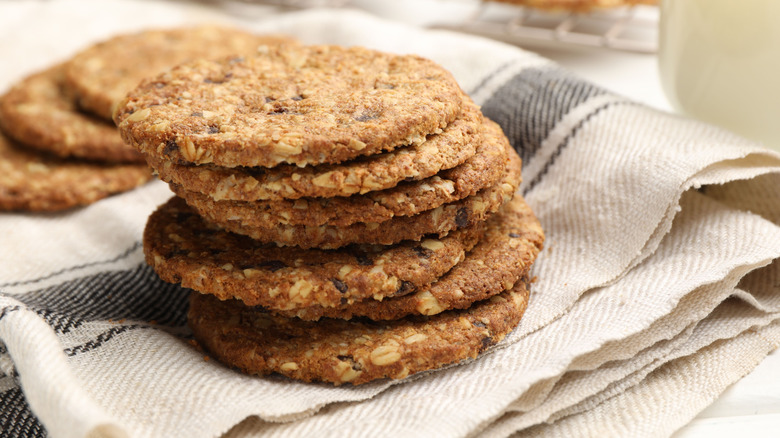
Because oatmeal was an inexpensive option for meals, people living through the Great Depression found multiple ways to use this hearty grain. One popular use was to create oatmeal-based poor man's breakfast cookies. However, these oatmeal cookies were nothing like the delectable treats we eat today. Not only were these cookies heartier than they were sweet, but they were usually a little dry. This is largely because the cookies were baked thinner and to a harder texture so that the batter would go further and keep longer. These cookies also provided families with both a breakfast option and a snack for later in the day.
Overall, poor man's breakfast cookies were made with very few ingredients and often didn't include the same components you would find in oatmeal cookies today like eggs and other dairy products. Instead, families used common staple items like shortening, sugar, flour, baking soda, and rolled oats. Sometimes they would also add in nuts, raisins, or a dash of cinnamon if they had any of those items on hand. This dairy-free approach is on par with the dairy-free or vegan oatmeal cookies made today, just not as sweet.
Breakfast rice
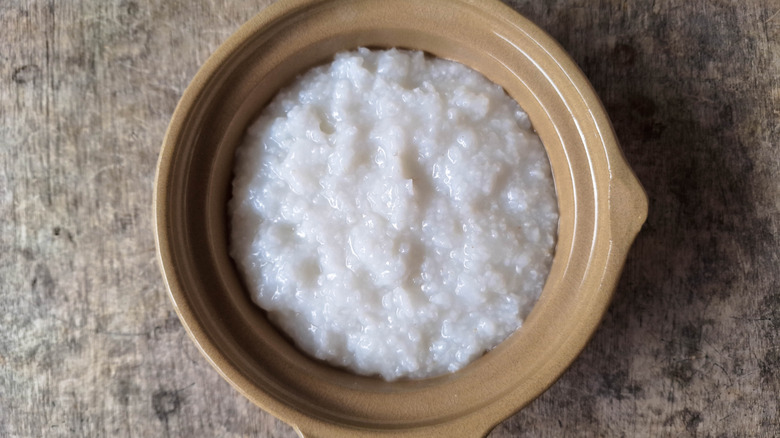
During the Depression, people were looking for ways to make comforting breakfast foods that featured readily available and inexpensive ingredients. Breakfast rice was one such dish that could be stretched to feed a large number of people. Sometimes it was made with leftover rice from dinner the night before; other times it was made fresh that morning. Either way, it was a breakfast item that was easy on the stomach and well-liked by most people.
While many folks likely ate this porridge on its own, some experts familiar with the dish indicate that a biscuit or piece of toast was a nice addition to the meal and could be used for scooping up the remnants from the bowl. Even a dollop of homemade canned jam could take the dish to the next level. To make breakfast rice, most home cooks used cooked rice, a dash of salt, sugar, and a small amount of milk or cream. Cinnamon and butter were added if available. The old-school favorite known as Spam — introduced in 1937 at the tail-end of the Depression — also made a hearty addition to this breakfast dish.
Potato pancakes
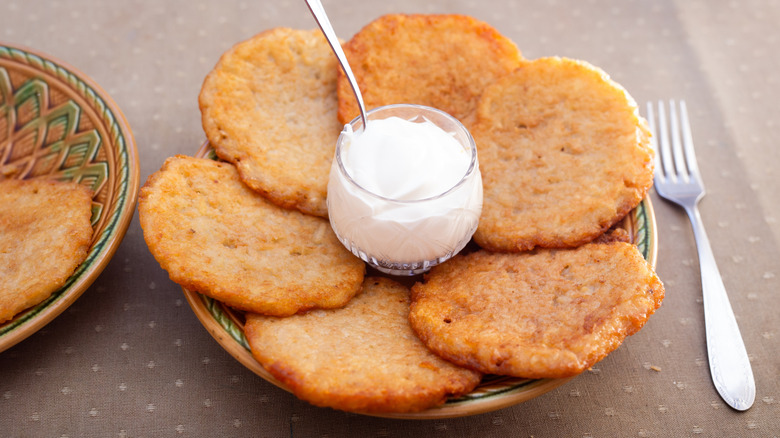
Potatoes were inexpensive and likely one of the most common foods during the Great Depression. In fact, some people who lived through that period indicate that they often had potatoes every day. From potato soups to fried potato peels, they had it all — and nothing went to waste. And, when people had potatoes left over from the night before, they would turn them into pancakes the next morning.
When you think of potato pancakes today, you likely have visions of perfectly crisp latkes, which are made with shredded potatoes. And while some version of that potato pancake was likely made during the Depression as well, people often made the breakfast version with leftover mashed potatoes.
To make this dish, people would take their mashed potatoes and add a little flour, egg, salt, and pepper and form it into pancake shapes. The pancakes were then fried in a skillet and served as a warm, filling meal that kept people going through the day.