

The Hands Down Best Ways To Season And Serve Prime Rib
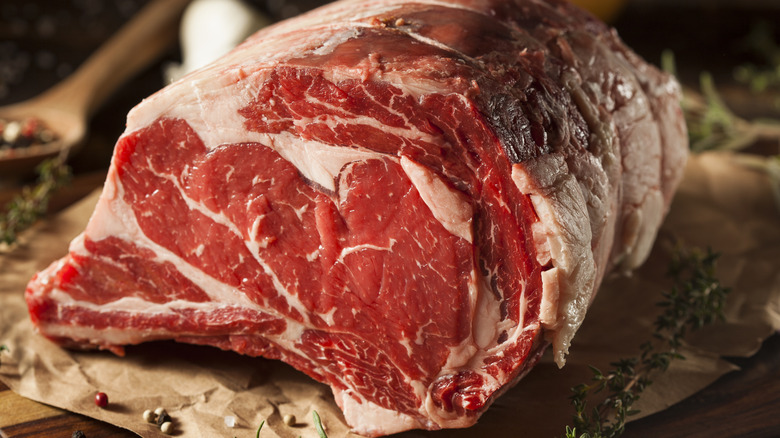
When it comes to serving great tasting prime rib, the seasoning is perhaps the most important step aside from how long you cook the meat. Not only can the right mix of salt and seasonings enhance the rich, beefy flavor of this cut of meat, but it can also take your roast to the next level and allow it to make a statement at your dinner party. The key is not going overboard with the seasonings — or failing to season enough — and ruining this well-marbled beef. That's why it's increasingly important that you know how to treat your prime rib from the start so it can rightfully take its place at center stage on your dinner table.
Of course, if you've never made prime rib before, this process can be a little nerve-wracking and maybe even feel overwhelming at times. But with a few tips, and a little practice, you'll learn how to season your prime rib like a pro and wow your family and friends. To help you get started, we spoke with two seasoned culinary professionals who have shared their top tips for how best to season a prime rib. Below you'll find insights from chef Britt Rescigno, a Food Network competition chef and co-owner of Fiamma in Sun Valley, Idaho, and chef Christopher Lindsay, a chef instructor and lecturer at the William F. Harrah College of Hospitality at the University of Nevada, Las Vegas.
Plan to prep several days ahead
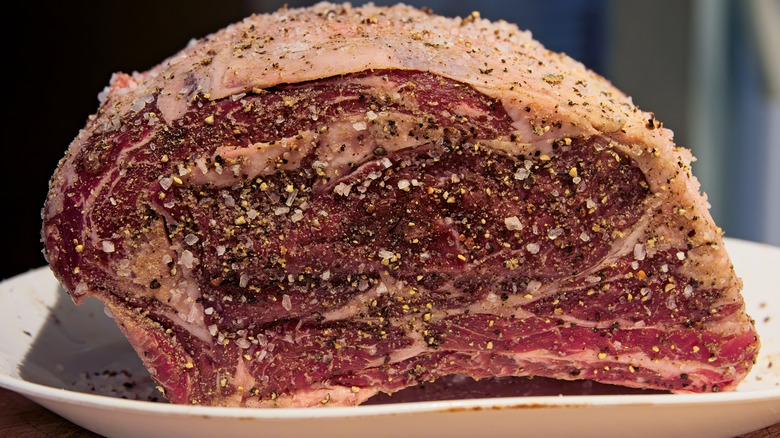
In order to get just the right flavor into your prime rib, you need to plan ahead and start working with the meat a few days ahead of when you plan to serve it. Oftentimes, this means starting by cutting your roast off of the bone and then adding salt to your beef and allowing it to sit in the fridge for 24 hours, said chef Britt Rescigno. The salt acts as a natural tenderizer and will draw out the moisture in the meat, dissolve, and reabsorb into it.
Some people begin the prep for their prime rib even earlier than the day before, but 24 hours is sufficient to allow the salt to do its job. According to culinary experts, salt is the only seasoning that can truly penetrate the meat and season it internally. Salt also causes the proteins in the meat to retain moisture and for the beef to become juicier. So, try not to skip this step when prepping your prime rib.
"The con [with prepping ahead of time] is that it's labor intensive and takes a couple of days to prepare, so you have to plan for that," said Rescigno. "The pro is that it will turn out perfectly and be the most incredible prime rib you've ever tasted."
Be generous with the salt
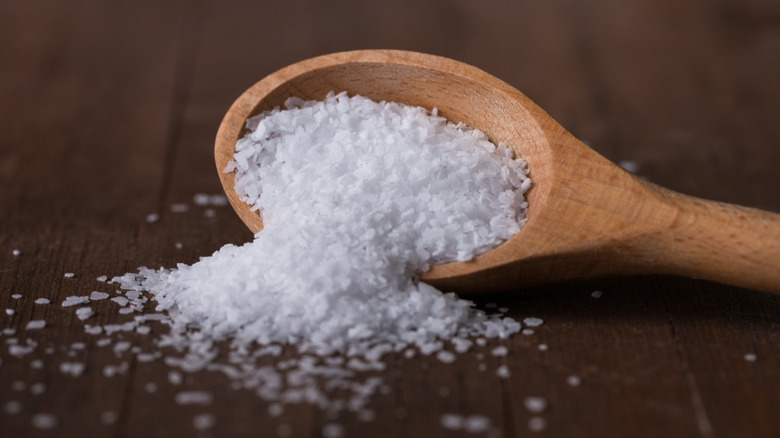
If you want a great tasting prime rib that is well-seasoned, don't skimp on the salt. In fact, you may need to use a lot more salt than you realize. After all, you're working with a very big cut of beef that could weigh as much as 22 pounds on the high end, so you want to use enough salt to penetrate the meat and help it remain juicy and flavorful. This means you may need as much as 1 teaspoon of coarse kosher salt per pound of meat. Of course, you can use slightly less if you're concerned about your salt intake or have dietary restrictions that make salt unhealthy for you.
According to chef Christopher Lindsay, one of the purposes of adding salt is to draw the moisture away from the meat. He said this creates a better surface for you to work with when roasting your prime rib and when adding your seasonings. Salt also causes the pores of the meat to open and be more receptive to the other flavors you're using in your seasoning blend. "It allows the transition of flavors into the meat," he said. In other words, you put all of your desired seasonings on the surface of the beef, and then once the pores start to open up, the flavor starts to go into the meat itself.
Use a traditional seasoning blend
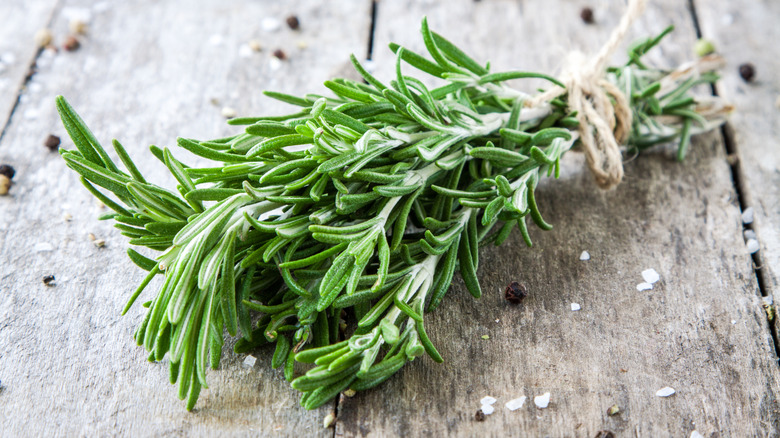
When it comes to seasoning prime rib, many chefs and home cooks are minimalists who prefer a simple combo of salt and cracked black pepper while others like to add a bit of earthiness with rosemary and thyme. After all, nothing says classic rib roast like a hint of rosemary, thyme, and garlic married with the salt and pepper on your prime rib.
"Prime rib has so much natural flavor, I let the meat speak for itself," said chef Britt Rescigno. "That's why I just use salt and pepper. If you do want to add more seasoning, fresh rosemary and thyme are nice ways to complement the meat. Just make sure you don't use too much; you don't want to overpower it."
If you do decide you want the fragrant flavor of rosemary and thyme, you can create a crust with the herbs, which complements the rich, savory flavor of prime rib. According to chef Christopher Lindsay, these herbs can also be finely chopped and used to create an herbed butter that's added later to the meat, or you can impart the flavors of rosemary and thyme by putting a sachet in the sauce you're creating. There's even the option of using rosemary flavored salt if you want to go that route, he said. The key is, you can get that traditional flavoring in a number of different ways.
Consider dry brining, rubs, and pastes for a unique seasoning blend
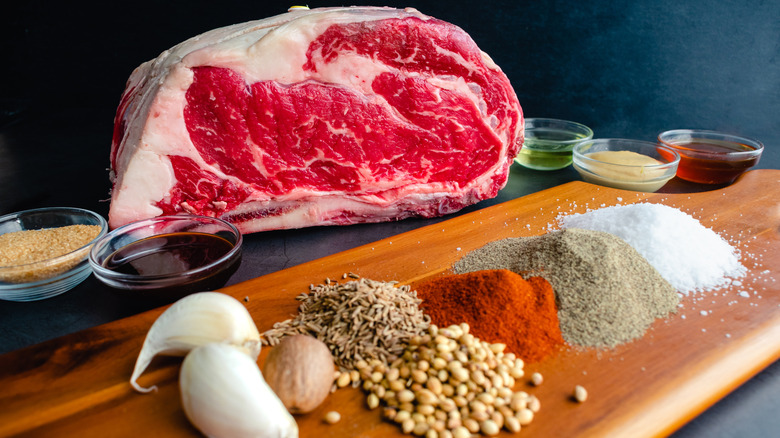
While many chefs prefer the traditional route in seasoning prime rib, you can also take creative license with your seasonings, too, especially if you want to vary the side dishes for your prime rib to match a particular theme, suggested chef Christopher Lindsay. In other words, you might choose to rub the meat with a blend of carne asada spices, he said, and then pair it with a chimichurri sauce.
Chef Lindsay said he has even seen chefs add French's mustard and a variety of seasonings to create an interesting rub. You can also dry brine your prime rib with your favorite seasoning blends, add in a little chili flake for a kick, porcini dust for umami, or give it a more barbecue flavor if you choose, he said. But, like most other chefs, Lindsay said he prefers taking the traditional route to seasoning. "I like to do a paste where you take fresh rosemary, fresh thyme, chop that up really, really small, add minced garlic into that, and a little bit of kosher salt and oil to make a paste," he said. "Then I like to rub that all over, and underneath the meat itself, and let it sit overnight."
Regardless of the seasonings you decide to incorporate, both Lindsay and chef Britt Rescigno suggested being cautious and using a light hand. Prime rib has such a delicious flavor on its own that other than salt and pepper — and little rosemary, thyme, and garlic if you want — it doesn't need much else.
Try cutting it off the bone and then reattaching it
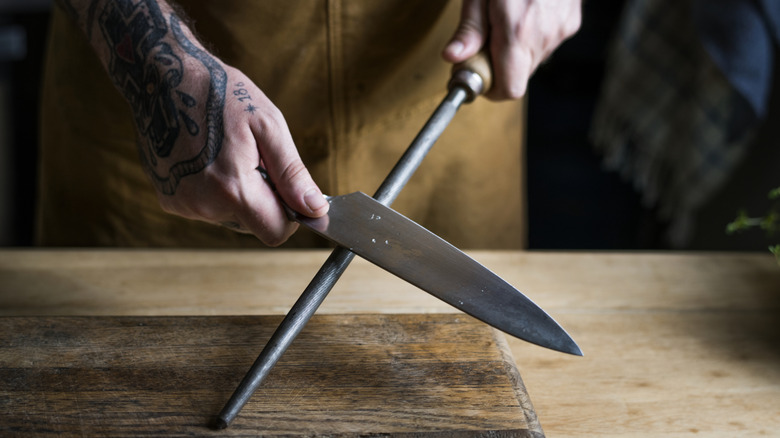
Prior to adding your salt and letting the prime rib sit in the refrigerator for 24 hours, you could try cutting it off the bone and then reattaching the bones to the meat with some food-grade kitchen twine, said Britt Rescigno. This process takes some time — and some planning ahead — but most culinary experts indicate this will result in a tastier roast that is easier to carve once the roasting is complete and the meat has rested.
You simply snip your kitchen twine and remove the bones and your roast is ready to be sliced. Another benefit to this method is it allows you to season the underside of the meat, which makes your roast more flavorful. "I get a bone-in prime rib. Take it off the bone and flip it upside down so the [fat] cap is resting on the bone [and then] tie it up so the bones are reattached," said Rescigno.
Another option is to save the bones for another purpose and cook the prime rib without the rib bones. But there is much debate about which is the best option for flavor. Some people like to use the ribs as a natural rack or shelf for their prime rib while cooking and feel ribs protect the meat from over-cooking. Meanwhile, those in favor of removing the bones completely prefer to get a crust on the entire exterior of the prime rib and believe it cooks more evenly this way. Both options can produce a tasty cut of meat, so it will likely come down to personal preference and your cooking style.
Slow roast it with a blast of heat at the end to enhance seasoning
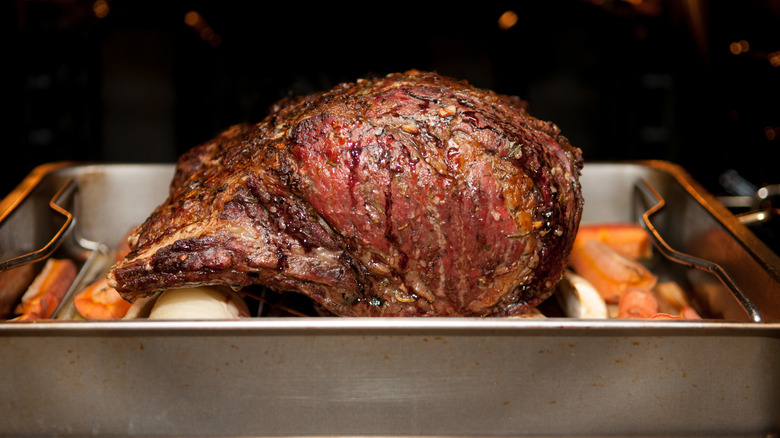
According to chef Christopher Lindsay, you should roast the prime rib on a lower heat to promote more even cooking. This also prevents the muscle fibers in the beef from contracting, and it tenderizes the beef and allows the fat to melt slowly into its interior. Once that step is complete, he suggested exposing the roast to a little blast of high heat to brown the exterior and give it more of a crust.
After that, Lindsay suggested bringing the roast out of the oven and putting a couple of pats of butter on top, and letting it melt over it while it rests. "I only do the butter just to help rehydrate a little bit, which typically can happen during the resting phase," he said.
Lindsay and others indicate that you cannot expect to use one oven temperature for all of the cooking. Even though prime rib has a great deal of marbling and can be forgiving when it comes to cooking, you need a low and slow temperature to ensure even cooking and a high temperature to brown the meat and create a crust. Sometimes this method of cooking is called a reverse sear.
Use butter to amp up the flavor profile
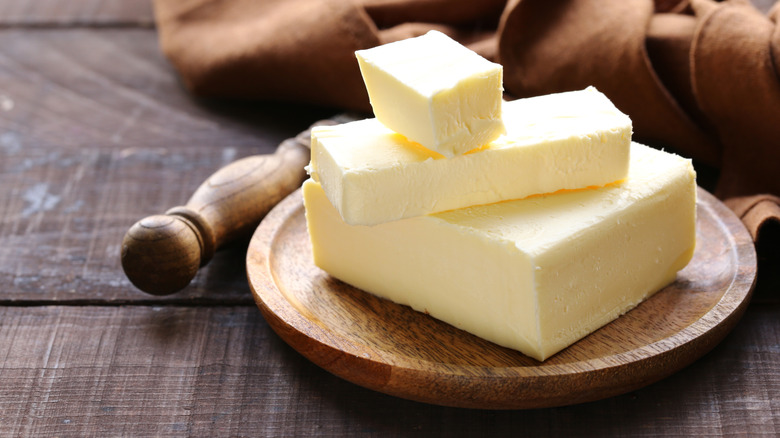
Butter is another way to add flavor and seasoning to your prime rib, said chef Christopher Lindsay. Plus, it adds extra moisture, another layer of fat, and a rich nutty flavor that helps impart the aromatics or herbs of your choice into the meat. Butter will also seep into the crust and mix well with the roast's natural juices. You could even add a finishing salt with the butter, said Lindsay. One that he recommended is alder salt, or alderwood smoked sea salt, which is made from red alderwood and provides a nice, smoky undertone.
If you plan to use butter, Lindsay suggested making a compound butter ahead of time. To do so, take herbs and seasonings that complement the seasoning on the prime rib and mix them into softened butter. Then roll it up into a log and put it into the refrigerator until you need it. Then, you simply slice it and put it on top of the roast while it rests. For instance, if you used a carne asada inspired seasoning blend, Lindsay said you could make a habanero honey compound butter to complement the seasonings on your beef.
"You can easily make these different compound butters that, with the heat of the meat, could easily be a nice addition to what you're doing," he said. "You could even get fancy [and] pipe out little stars at home, if you wanted to, with your little pastry bag."
Change your sauce pairings to boost flavor and seasoning
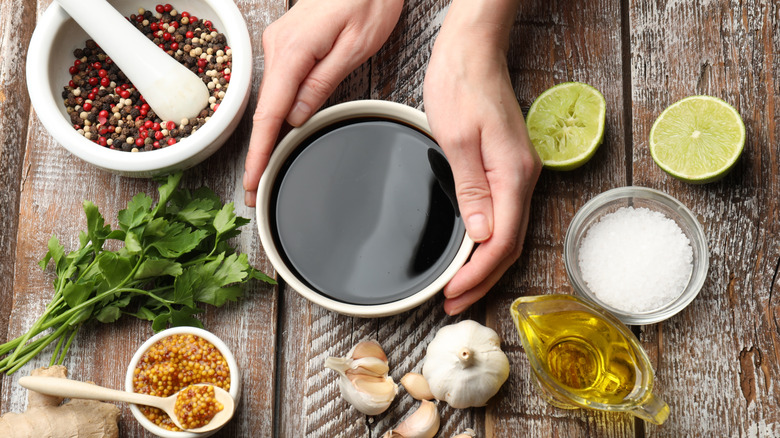
Most of the time, prime rib is served with a savory au jus or a creamy horseradish sauce. But if you want to add a new or different seasoning or flavor to your prime rib, you can do it through the sauce, said chef Christopher Lindsay. And, the options are endless. For instance, you could make a chimichurri sauce, a béarnaise sauce, or even a red wine sauce.
The béarnaise sauce would add a creamy, buttery tang with its tarragon, chervil, and ground mustard while the chimichurri would add bright, acidic undertones and overall fresh, herby taste with its cilantro and other herbs. Meanwhile, a red wine sauce adds rich, savory earthiness and a bright acidity. Overall, your sauce choice can be guided by the flavors you enjoy, said Lindsay.
Other options might include a mushroom sauce, mustard cream sauce, onion sauce, or prime rib gravy. Select a sauce that pairs well with the sides you are serving and complements the seasonings on your prime rib. If you choose to stick with just kosher salt and cracked black pepper, you can serve just about any sauce you want and impart the flavor and seasoning that way. Just make sure you make the sauce at least once before your big meal so that you can ensure you like the flavors and seasonings — and correct anything that seems a bit off, suggested Lindsay.
Practice on a ribeye steak if you want to try a unique seasoning
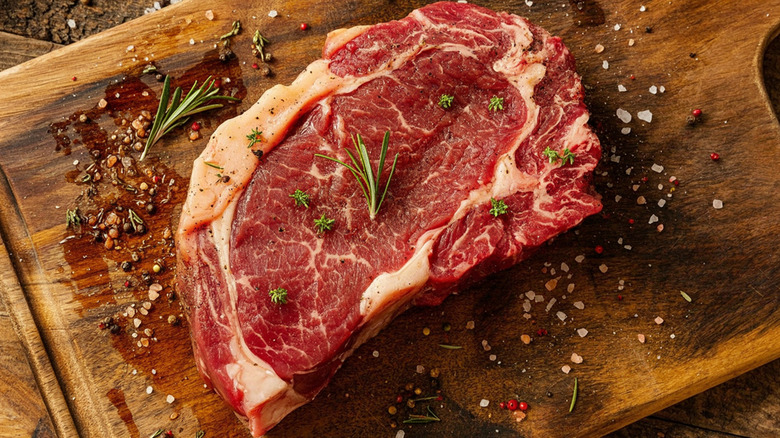
Making your own seasoning blend isn't easy and takes practice. In fact, beginners often under-salt and forget to taste as they go. If this sounds like you, or you've never made prime rib before and you want to practice a little before serving something so elaborate and expensive to your guests, you can practice your seasoning blends and ideas on a few ribeye steaks, said chef Christopher Lindsay.
"The ribeye steak is a great way to mess around with things," he said. "Maybe you're doing a huge prime rib dinner and you're not really solid with your seasonings and your flavoring profiles. Go to the store, buy a ribeye, and play around with [...] your seasonings and flavorings. That way, it's a cheaper way to do it, plus it's a great little dinner for two."
Practicing ahead of time also allows you to experiment and determine if the seasonings you have in mind are really going to deliver on the flavor profile you want. In other words, are they too salty, too acidic, too bland, or lacking the punch you're looking for? The good thing is when you're practicing, you can make adjustments as needed in your seasoning blend so that when the real deal arrives you can prepare and season your prime rib with the confidence of a veteran home cook.
Let your prime rib rest before carving
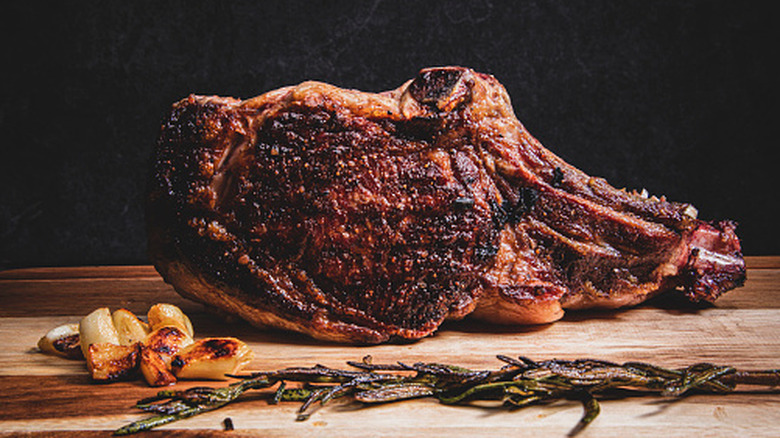
One of the most overlooked steps in creating a perfectly seasoned prime rib is allowing time in the schedule for your roast to rest. Most people skip this step because they're in a rush to get everything on the table in time. But not resting your meat after it's cooked could result in a dry, chewy roast. Cutting the meat too soon after cooking also causes you to lose all of those flavorful juices from your well-planned seasonings. Instead of the seasonings and juices redistributing into the meat while it rests, it will release out onto your carving board when it's sliced too soon after cooking. So make sure you allow enough time in your schedule for the resting to occur.
Once you remove the prime rib from the oven, and tent it with foil. Keep in mind it will continue to cook and raise in temperature by another 5 to 10 degrees Fahrenheit, so you may want to take it out before it reaches the maximum temperature you're going for. Use your rib's resting time to prep your sides and any sauces you plan to serve with the prime rib.
As for how long you should let your roast rest, there is some flexibility here. Most experts suggest aiming for a minimum of 30 minutes, but the longer you let it rest, the better. Chef Britt Rescigno suggested aiming for about an hour. "Let your prime rib take a nap," she said. "You want it to stay juicy."