

9 Regional BBQ Sauces That Define American Barbecue
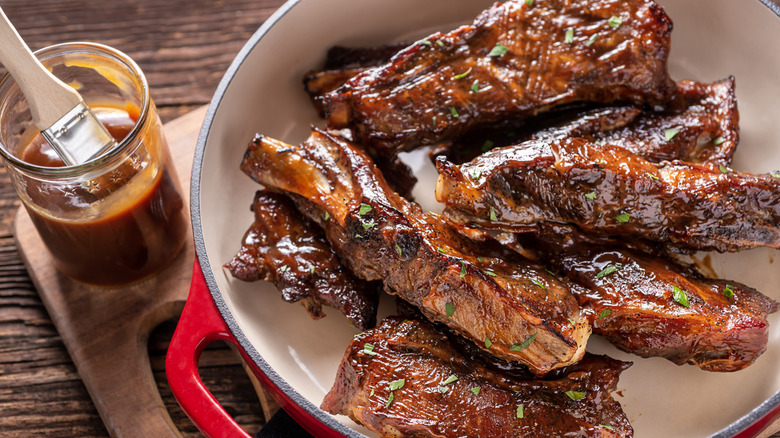
The grand tradition of U.S. barbecue means something slightly different depending on the region that does the cooking. Cuts and selections, cooking methods, and serving styles all rise from the cultural roots that brought them to the table, creating a panoply of possibilities. But of all the indicators of an area's culinary heritage, it's the sauce that speaks loudest and most clearly about where your barbecue options originated — even if it shares a similar base with its Southern brethren, taken from core recipes handed down through French, English, and early American traditions. With four cardinal sauce formats to guide the palate — light tomato, heavy tomato, vinegar and pepper, and mustard — each sauce asserts its own personality, further improved by cooks who add their own twists until an exemplary sauce emerges to represent the region.
When you say you like "barbecue sauce," do you know which regional sauce you're referring to? Is it a Kansas City sauce with vinegar notes rising above the other ingredients, or is it an Oklahoma sauce where sweetness is overtaken by warm baking spices stirred into the mix? Before you hit the grill for your next big open-flame cooking occasion, it's a good time to learn a little about what each region's barbecue sauce brings to the collective table of American cookout culture. Take a look at the distinctions of these related yet individualized concoctions and discover what makes each one special in its own right.
Kansas City
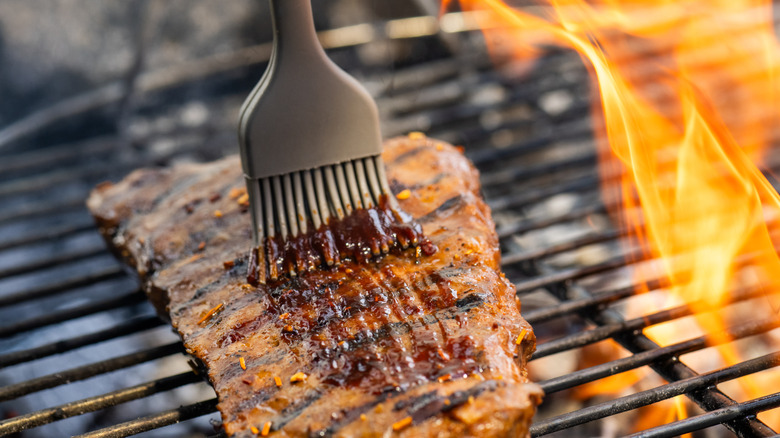
The character of Kansas City barbecue depends on a rich reduction of tomatoes, molasses, onion, vinegar, mustard, and a variety of spices that becomes a sauce summoning tangy sweetness with a deep, full body. Informed by years of culinary evolution thanks to local cooks with a flair for creativity, the original tangy, vinegar-heavy sauce that made the city a barbecue innovator gradually shifted into the silky, rust-colored nectar it is today. This uniquely regional concoction can be credited to Henry Perry, an early-1900s Kansas City cook who began serving slabs of ribs for a quarter a pop, flavored with a rich sauce that would become indicative of a whole American culture. The basic idea for the sauce stemmed from Memphis, Perry's hometown; his alterations helped create a foundational flavor that would give Kansas City world-renowned barbecue personality.
Taking the tradition even further, a child psychiatrist named Rich Davis tinkered with a molasses-forward iteration of Kansas City barbecue sauce in 1977. It sold like crazy and became KC Masterpiece, the popular bottled brand that helped spread the regional specialty from coast to coast and was once voted the best barbecue sauce in the world. Even if you're into customizing your sauce for your specific needs, this pour-over gives you a perfect basting base to start from.
Memphis
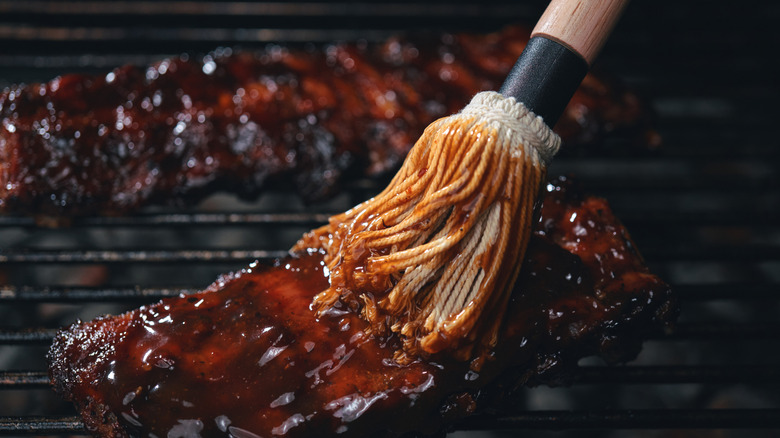
You know you've captured the heart and soul of Memphis barbecue when the sauce is a blend of just about every bottle and jar in the spice rack and pantry, plus a few bottles from the fridge. But the traditions are part and parcel of the city's history. Memphis' status as a port town in the 1800s brought the fundamentals of early barbecue to the area, specifically molasses and hardwoods that would be used in open-fire cooking and transformed into an essential sauce. It led to the city becoming a destination for barbecue lovers, with a sauce that only Memphis could call its own.
You may have heard the term "mop sauce," which is a hallmark of Memphis barbecue; the name stems from the mop-like brush used to apply generous amounts of sauce to everything on the grill. The mix of tangy apple cider vinegar for acid, along with warming mustard, tangy tomato sauce, and smoky Worcestershire, comes together into a distinctive, thinned-down sauce that spreads easily. Cayenne pepper lends kicky heat, while garlic and onion powder deliver umami earthiness to round out the formula that makes ribs and pulled pork taste like no other down-home cuisine.
Texas
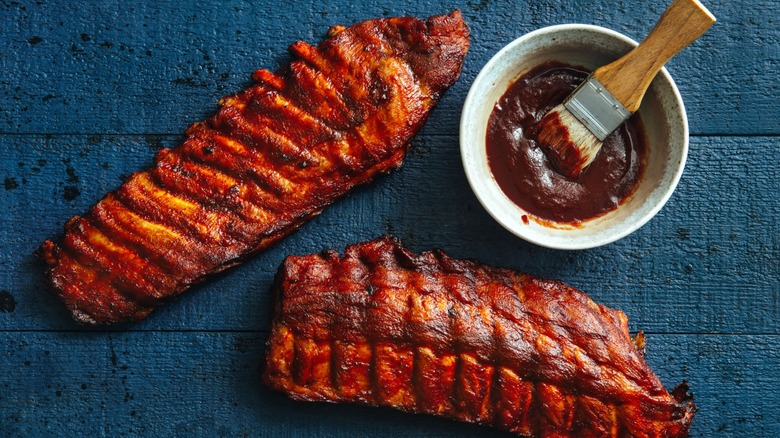
Texas barbecue got its start as an extension of the smoke-only process that married techniques from Mexican and European influences with practices of Indigenous peoples. The emergence of barbecue sauce was intended to enhance the flavors of the meats. And much like its meats, sauces in Texas vary by region. East Texas, for example, was the area where they came to favor a sweet and tangy tomato-based concoction, infused with apple cider vinegar for flavor. While many smoke-filled barbecue pits forgo the sauce entirely, those that utilize a brush-on or pour-over depend on this thinner mixture to infuse their meatiest cuts like brisket and beef ribs with a flavor combination that puts the region on the barbecue map.
To get beyond the simple starter that could be mistaken for other regional sauces, a blend of novel and familiar additions is on hand to give Texas versions a more nuanced composition. Beef drippings and cumin bring warmth; ketchup (in place of tomato sauce) and Worcestershire create a teeter-totter of tanginess and umami essences that aim for balance rather than taking your taste buds on a wild ride in one direction or the other. Alterations sometimes introduce maple syrup or honey as a sweetener to incorporate greater depth.
Oklahoma
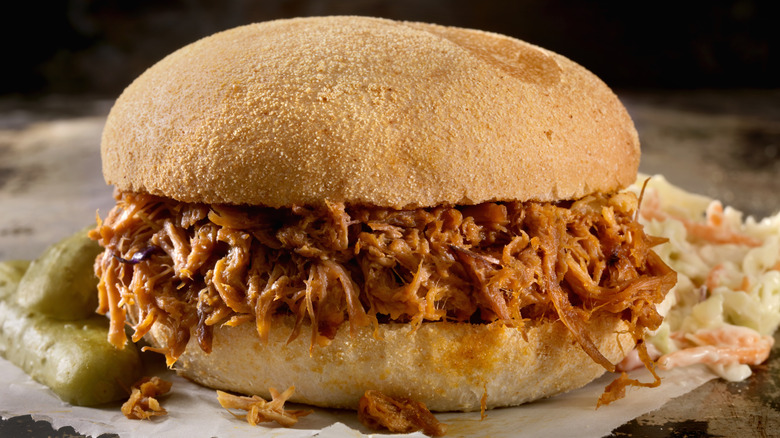
Regional influences in and around Oklahoma bring the essence of distinctive barbecue sauce traditions to the state's signature sauce, which also asserts unexpected earthiness from a few surprising ingredients. On the more basic side, the underlying heat in this mix depends on three ground peppers — red, black, and chile — worked into a tomato base that brings the traditions of Western North Carolina and Memphis sauces together with some special twists.
One of the most unique additions in Oklahoma barbecue sauce is the inclusion of nutmeg, ginger, and cloves, a trio of spices better known for their contributions to baked goods. The team-up of warm tasting notes gives the sauce a spirit you won't find in other regional varieties. Barbecue seasoning company Head Country celebrates the special composition in a blend that originated back in 1947. It's just one of dozens of bottled sauces the region has produced over the decades. If you've ever used the brand's shake-on or pour-over items for your homemade pulled pork, you've indulged in Oklahoma barbecue without even realizing it.
North Carolina
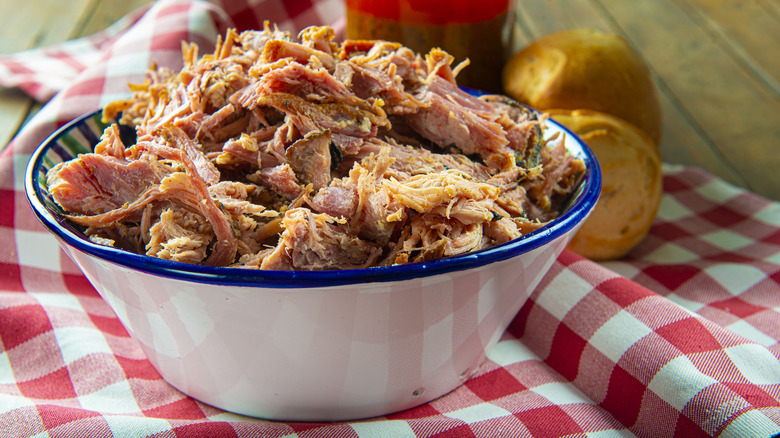
There's more than one regional sauce that dresses up North Carolina's finest grilled dishes. Historically, the Eastern North Carolina sauce that centered vinegar and pepper as the main components was inspired by the sauces used by Native Americans in the region. This super-tangy formula features both apple cider and white vinegar, a splash of spicy Tabasco with an additional cayenne kick, and just enough brown sugar to sweeten the pot. The sauce's chemistry helps tenderize the meat while infusing it with sharp flavor that grabs you by the back of the throat from the first bite.
The Western North Carolina sauce — also known as Lexington or Piedmont-style — added tomatoey sweetness to the tangy Eastern base and was originally crafted by immigrants to recreate German-influenced flavors. It's somewhat complex, using butter and Worcestershire for a richer body and plenty of ketchup to up the tang factor. Mustard powder and lemon juice expand the flavor profile, and a few crushed pepper flakes plus a splash of Tabasco make sure the fire is felt and tasted. Think of this one as the hot-headed little brother of the Eastern variety, taking a simple tomato-based sauce into places where only those with thick skin can withstand the heat.
South Carolina
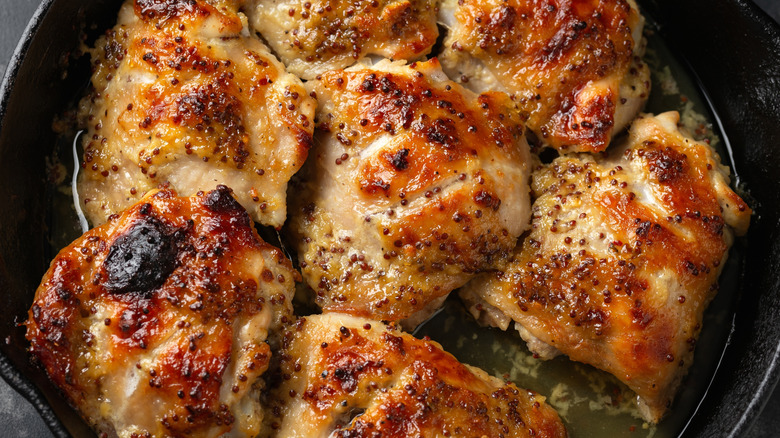
South Carolina has come to be known for a local barbecue sauce that spins together a mustard-forward mixture thinned with vinegar, perked up with spices, and occasionally sweetened with honey for a distinctive combination that will never be mistaken for any other region's brush-on. Anyone with a penchant for honey mustard sauce is bound to recognize the tasting notes that swirl about on their taste buds, even with a few extras thrown in — and even if they've never been to South Carolina to sample the original sauce in its native region.
German immigrants settling in the Lowcountry regions are responsible for giving South Carolina barbecue its unmistakable golden sauce. Traditional tastes for mustard followed them to their new homeland in the 1700s and became integral to what made the region's barbecue sauce a one-of-a-kind creation. The peppy kick is a far cry from the usual tomato-based sauces, and the vibrant color plays differently on the plate. More sophisticated takes on this vivid sauce use Dijon mustard and a generous helping of hot sauce to make sure the warmth comes shining through.
St. Louis
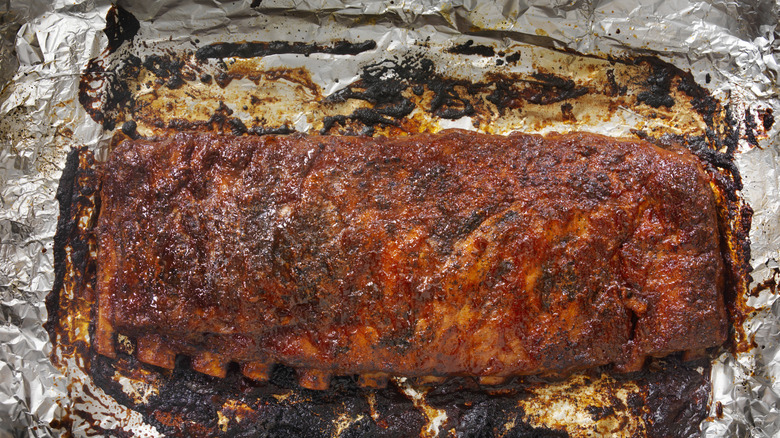
The special way ribs were cut by local butchers post-World War II helped establish a St. Louis barbecue style. The origin of the city's signature sauce, however, was based on Memphis-style recipes. A St. Louis man named Louis Maull jumped on the bottled sauce train in 1926, cementing a St. Louis-style that had more tanginess than its counterpart in Kansas City. It all came together to create the spirit of the city's barbecue, with a brush-on that had its own regional magic.
For a St. Louis sauce that dials down the sweetness and ramps up the zing, a variety of ingredients make their way into the pot, decorating a foundation of ketchup, yellow mustard, vinegar, and brown sugar. Since the formula leans more toward the tangy side of the spectrum than the sweet, some chefs even utilize citrus zest to bring out sunnier aspects.
If you usually stick with a simple homemade barbecue sauce recipe, you're likely creating a basic St. Louis-style sauce. Starting with the fundamentals and adding your own extra elements for more tanginess and warm seasonings could lead to a personalized sauce that rivals the best barbecue restaurants in your state, no matter which region you're cooking in.
Alabama
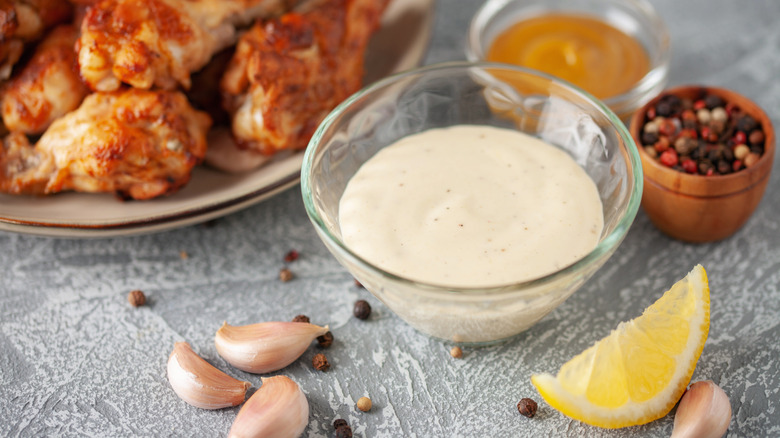
Alabama saw the rise of its regional barbecue thanks in part to Big Bob Gibson, a man of imposing stature who began a smoked-meat enterprise in 1925 by cooking real homemade barbecue literally in his backyard. His use of a distinctive white sauce gave his creations a unique look and flavor, leading to a family legacy and a chain of restaurants that are still in operation.
Rather than the usual dark-hued tomato and brown sugar-based sauces established as tradition in other regions, Alabama pit masters start with mayonnaise as the central ingredient for a twist that makes the region's barbecue a unique experience. The creamy condiment is already tangy by nature; adding apple cider vinegar ramps up the tingle and helps thin down the consistency.
Common add-ins like Worcestershire, cayenne, and black pepper spread the flavors over a broader spectrum. But then, some unusual suspects step in to remind eaters that this is no ordinary recipe. Minced garlic shares its vapor, and horseradish — an element unheard of in other barbecue sauces — stokes the fire in an earthy manner, eliminating the need for liquid smoke. It's a fantastic sauce for pork and poultry, working with the natural lightness of the meat in a way that heavier, darker sauces don't allow.
Kentucky
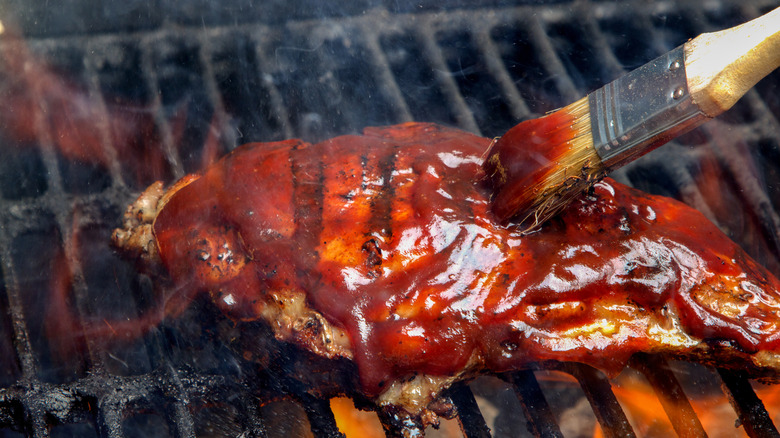
Kentucky barbecue arose in part throughout the 1800s when wool farmers in the state began utilizing older sheep who'd aged out of wool-giving as mutton — not the usual choice for grilling out. The toughness of these more mature meats called for extra flavor that came courtesy of sauce and smoke.
Kentucky's world-famous bourbon sometimes shows up as a distinguishing feature of its tomato-based sauce that takes on many personas around the state. Vats brewed at cookout competitions reveal the range of Kentucky barbecue sauces, which are mostly designated by county. Some pit masters favor acidic brews where vinegar is boss, while others stick closer to the heat by incorporating chili powder or cayenne. A splash of bourbon can help pull the flavors together with an unexpected sweet, caramelly layer; pit masters just have to be careful to avoid these bourbon-based cooking missteps.
Another take on the state's barbecue sauce legacy, Kentucky black dip, is a beef broth- and Worcestershire-based spread originally invented in the western portion of the state for slow-cooked mutton that was raised in the region. This sauce sidesteps the tomato elements and ramps up the vinegar to tenderize the lamb meat and complement its gaminess.