

3 Disadvantages Of Having A Sam's Club Membership

There's no denying that a Sam's Club membership comes with many perks. Shoppers can access fuel savings, free samples, and lots of deals and discounts at the chain. There are also savings associated with buying groceries and other household essentials in bulk. However, bulk savings aren't universal, or even practical for every consumer. For all the benefits offered by Sam's Club, a store membership also comes with drawbacks. If you're mulling over signing up for a membership, or debating the renewal of an existing one, there are some disadvantages to factor into your decision.
The top consideration is whether your household can actually make do with bulk volumes (before items go bad, that is). Then there's the question of product quality. While many shoppers have a genuine affinity for Sam's Club's products, its store brand doesn't have as lofty a reputation as rival retailers. If you're worried about going over your grocery budget, the conditions at Sam's Club are just right for overspending. As a Club member on Reddit put it, "A basket of 10 things will equal $100, and sure I'm buying in bulk, but it's rough to feel like I'm not getting a variety."
Not everyone has room in their life (and home) for bulk goods
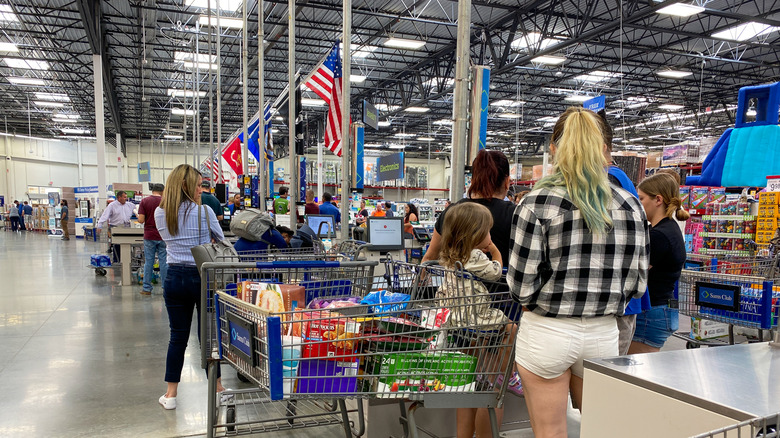
There are numerous factors to consider before buying in bulk, from how much storage space you have to whether you can preserve perishables successfully. Let's say you spring for a Sam's Club membership and spy a massive deal on Member's Mark Uncured Black Forest Ham. You bring home nearly 1½ pounds of deli meat only to find that you can't finish it before it spoils, lest your body give out from all the sodium and nitrates. As a result, you're forced to discard the remaining meat after it expires. This scenario brings up a crucial point about bulk grocery shopping: it only saves money when you shop smart(ly). And for some people, smart shopping means buying fewer groceries and household items.
Bulk goods do come with a lower per-unit price, but the purchase price is still higher because you're buying more. A greater upfront expense, plus the risk of losing money on wasted food if spoilage becomes an issue, aren't exactly pillars of bargain-savvy shopping. Then there's the yearly membership fee. At Sam's Club, an annual Club membership costs $60, while the Plus membership costs $120 (though the chain does offer reduced memberships pretty regularly). These costs add up and can chip away at Sam's Club's built-in savings.
The Member's Mark brand isn't as beloved as rival retailers
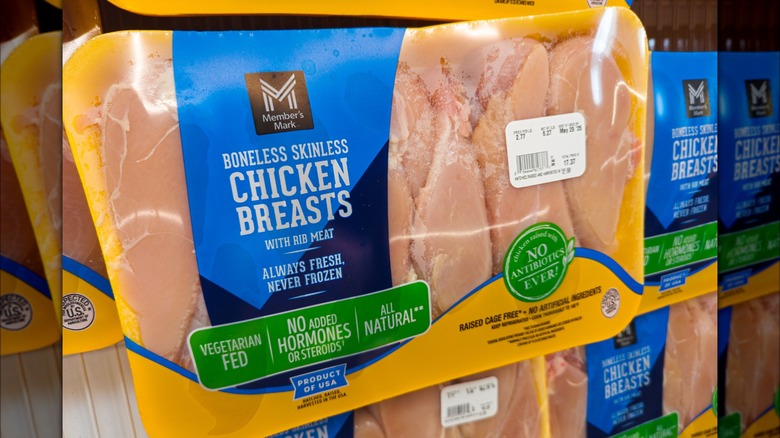
Many grocery chains command loyal followings these days, and Sam's Club is no exception. However, Sam's Club isn't the only warehouse retail behemoth in town, and Costco definitely gives the chain a run for its money in the popularity department. For instance, residents of Western Michigan created a subreddit discussing the overwhelming preference for Costco over Sam's Club in the area, particularly when it comes to the treatment of employees. The quality of each chain's store brand products also comes into play during online debates, and the exclusive Member's Mark line at Sam's Club is subject to its fair share of criticism.
A Reddit thread asking which items shoppers should avoid at Sam's Club sheds more light on the issue. "The prepared fresh foods," said a commenter, "Walmart/Sam's is about cheap price; not quality." Another shopper exclaimed, "Their hams, they are not good!!" Someone else lamented, "The bananas I get are so green, but then two days later they're already brown." That's not to say that every Costco product is a bona fide winner, but the store's Kirkland Signature brand has maintained an edge over Member's Mark for some time.
You might end up spending more than you intended
Navigating a warehouse club for the first time is often confusing, and retailers can use less intuitive store designs to their advantage. When a new Sam's Club shopper on r/samsclub asked about the store's layout before their first trip, a fellow member provided insight. "Generally speaking, they're all laid out the same," they explained. "The back of the store is bakery, fresh fruits/vegetables, meats, and refrigerated/frozen foods ... Center section is snacks, chips, and seasonal items. The other side is foods, drinks, spices, cereals, coffee, etc."
It's probably not a coincidence that staple groceries are situated in the back at Sam's Club. This layout exposes shoppers to more products and increases spending opportunities. And while most grocery chains use this strategy, the risk of overspending is higher at bulk retailers like Sam's Club. The chain is also stepping away from the usual checkout process in favor of Scan & Go, which lets shoppers scan and pay for items in store with their phones. While convenient, a study published in Decision Sciences showed that scan and go technology can cause consumers to spend more money in general. If you're a current member and want to gird yourself against impulse buys, always make a list before shopping at Sam's Club.