

How To Pair Wine With Food, Straight From The Experts
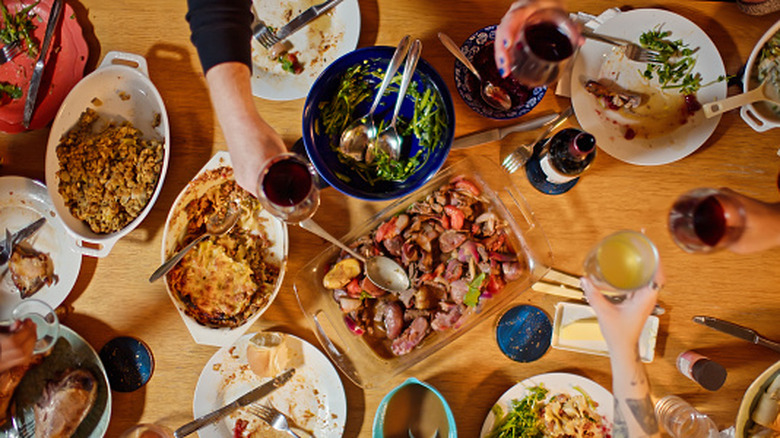
You might know that New Zealand offers the most passionfruit-forward sauvignon blanc or that Romanian pinot noirs offer brilliant bang for your buck, but when it comes to deciding what wine to drink with your meal, things get turned on their head. Even if you know how to order wine like an expert, pairing it with your meal is a whole other kettle of fish (another thing you probably don't want to pair with your delicate pasta dish). That's why we spoke to the experts about how to pair wine with food, bringing together solid, practical advice that will make you feel like you know what you're doing in no time.
We interviewed three experts who know their wine and how to serve it alongside food. We spoke with Kinga Mackowiak, sommelier and director of food and beverage at Apple Blossom in Denver, Colorado; Ashley Herzberg, consulting winemaker at Avaline Wine; and Vilma Mazaite, advanced sommelier and general manager of Donnachadh Family Wines. Their combined expertise gave us real insight into how best to pair food and wine, what common advice is worth listening to and which is best ignored, and some of the most versatile wines to look out for.
Whether this is your first time consciously attempting to pair wine and food, you've had some misfires in the past, or you're fairly confident but feel like you could do better, there's something here for you. There's no need to make it extremely complicated, but once you know the basics of pairing wine with food, you unlock the opportunity for more enjoyable meals.
Pair delicate wines with delicate dishes
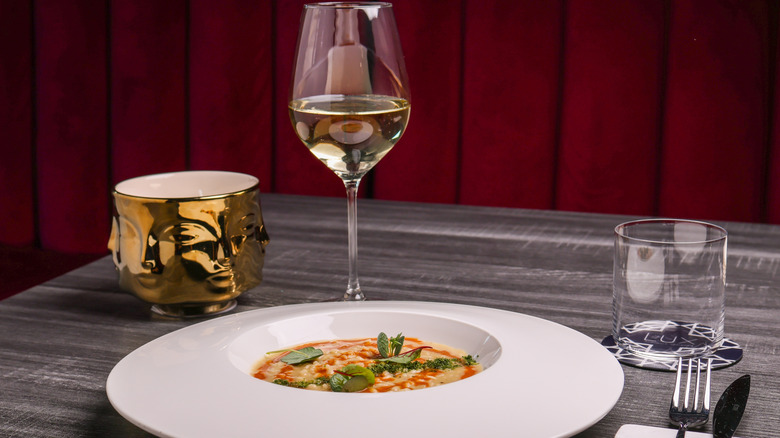
Choosing a wine before your meal can backfire because not all wines go with all foods. This is the essence of wine pairing. One of the biggest mistakes people make is drinking a wine that overpowers the food, which is why you should pair delicate wines with delicate dishes and vice versa.
"As a general starting place, I always consider that a delicate dish needs a delicate wine and a bold dish needs a bolder, more full-bodied wine, and build from there," says Ashley Herzberg. "If I am making a slow cooked bolognese that is full of rich, bold flavors, that may not pair as well with a Sauvignon Blanc, but could pair perfectly with a Cabernet Sauvignon."
A bold, full-bodied wine can drown out the nuances of a delicate dish. On the other hand, a meal with punchy flavors overwhelms subtle wines, so you can't appreciate them in the same way. Ultimately, this is all about balance, which Kinga Mackowiak tells us is the first thing she considers: "The wine should not overpower the food, and the food should not make the wine disappear." If you're not hugely experienced with wine, knowing which are delicate and which are full-bodied takes a bit more work. However, reading the tasting notes and a quick Google search should clear things up.
Consider the whole dish, not just the main ingredients
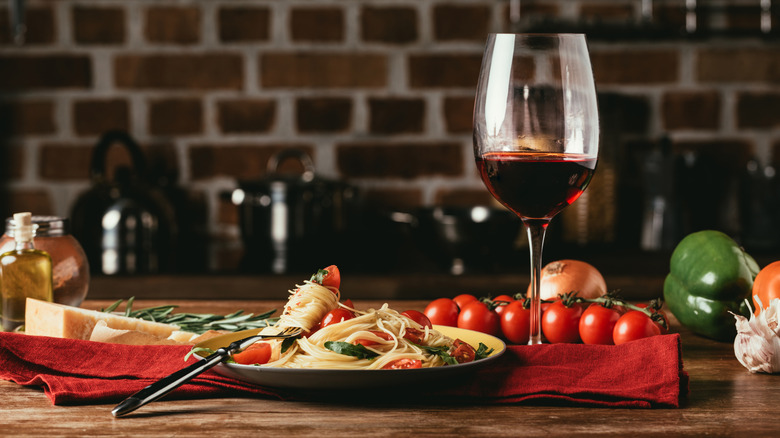
When people are getting started with wine pairing, they sometimes think about the main ingredients in the dish and make decisions based on that. However, it's not just the main ingredient that plays a role in the pairing. Take a pasta dish, for instance. The wine you pair it with will vary depending on whether it's tomato-based, rich and creamy, or fresh and herbaceous. You need to consider the whole dish before you make any decisions about the wine.
"I always look at the whole dish, and not just the main ingredient," says Vilma Mazaite. She notes that people often think a particular ingredient needs a certain type of wine, but there's more to consider than that. "How is it prepared? What's the sauce? What else is on the plate?" Mazaite asks. "The wine should make the whole bite taste better," she says, and this requires a careful consideration of the whole dish.
Ashley Herzberg remarks that you should always consider the sauce or any herbs used to finish a dish. "Maybe a steak will pair super well with your bold red wine but the chimichurri sauce might take it in an entirely different direction and want something a little brighter like a Rhone red blend or a Pinot Noir," she says. Even something that might initially seem insignificant about a meal can change the vibe of the pairing.
Pair wine that will either contrast or complement the dish
There are two main ways you can go when pairing wine and food. You want the wine to either contrast or complement the dish it's being served with. These might sound like contradictory approaches, but stick with us. "You can complement something in the dish or create a nice contrast, but the two should work together," Vilma Mazaite says. So it's more about how the food and the wine interplay than a specific rule like a rich ragu should always be paired with Chianti. The fact is, there's never just one perfect wine to pair with a particular dish. Rather, there are a range of good options.
"Contrast and complement are both valid strategies, and neither is more correct," Ashley Herzberg tells us. "You can match a rich dish with a rich wine (complement), or cut through richness with something bright and acidic (contrast). Once people understand that both directions work, pairing stops feeling like a test with one right answer," says Herzberg.
Whatever you ultimately choose, don't get so caught up in the nuances of pairing that you forget about your preferences, no matter what your favorite wine says about you. "You have to like the wine you're drinking," says Mazaite. "That matters more than following any rule." If you don't like dry riesling, for example, you aren't going to start loving it just because it's a brilliant pairing with your sushi.
Think about how the ingredients have been prepared
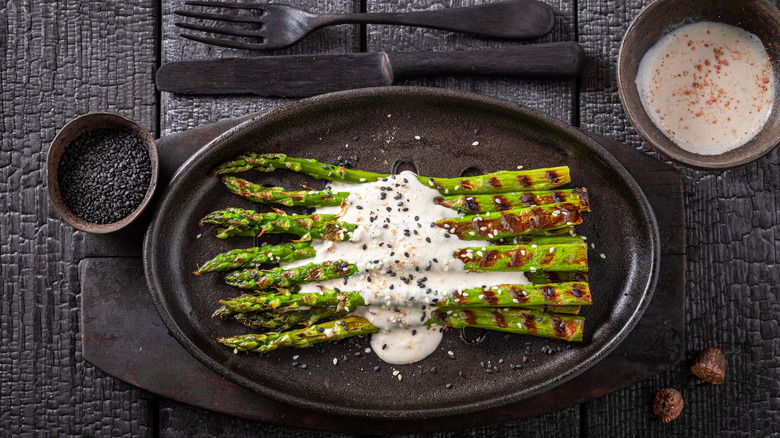
When you're debating what wine to pair with a meal, it's not just about the ingredients themselves but how they've been prepared. You should always consider that each cooking method imparts its own flavors to a dish and can make a huge difference in how it tastes.
"Preparation of the dish matters tremendously, maybe even more than the actual ingredients," remarks Ashley Herzberg. Whether an ingredient is grilled, roasted, fried, poached, or steamed makes a huge impact on how it tastes, and this carries through to the wine pairing. "Grilling and roasting add char and caramelization that can handle a wine with more tannin or oak," Herzberg tells us. "Steaming and poaching keep things delicate, so a heavier wine will just flatten the dish. Frying adds richness and a little grease that a wine with good acidity will cut right through."
Once you know which wine characteristics go with which methods of preparation, you can learn how to pair wines that fit the bill. For instance, if you're looking for tannins in wine to go with a charred dish, red wines are best, particularly varieties like Barolo or shiraz. On the other hand, acidic wines that cut through rich dishes include crisp rieslings or light-bodied reds such as pinot noir.
Treat common pairing advice like guidelines, not rules
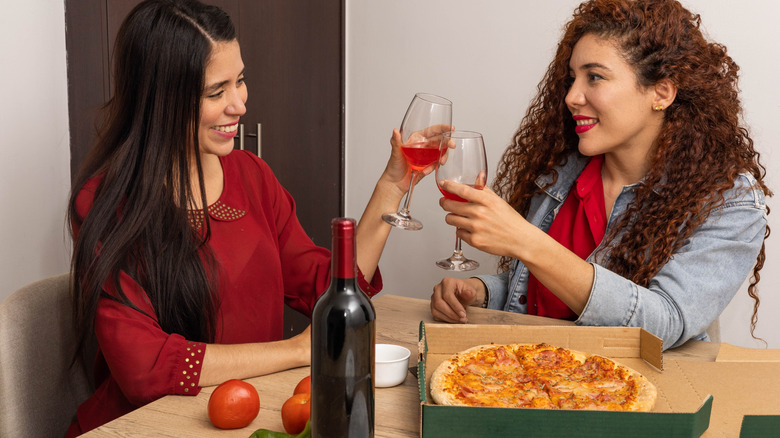
You may have heard some common pieces of wine pairing advice, like pairing white wine with fish or pairing wines with ingredients that grow in the same region. These can be useful in some cases, but you should treat them like loose guidelines, not absolute rules. Even if these pieces of advice are sometimes correct, there are always exceptions and following them too rigidly only leads to trouble.
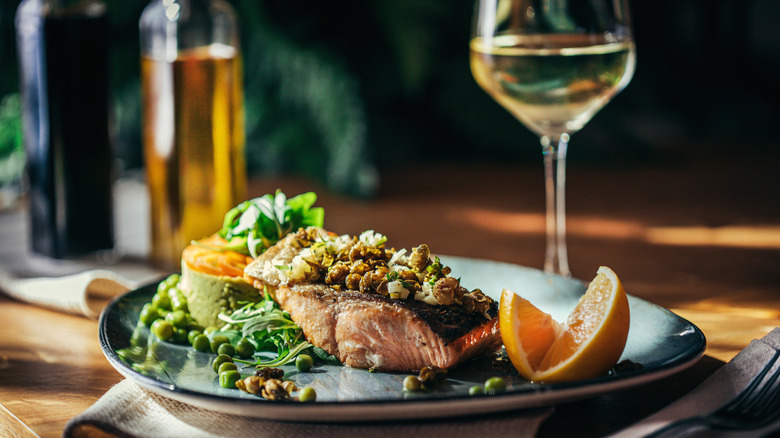
"The idea that red wine cannot go with fish is far too simplistic; with so many lighter reds and different preparation methods, the sauce and cooking technique often matter more than the protein itself," says Kinga Mackowiak. According to Ashley Herzberg, the idea that red wine goes with meat and white wine goes with fish is reductive. "I think salmon goes great with Pinot Noir and roast chicken and Chardonnay are just delicious together," she remarks.
Vilma Mazaite further points out, "The problem is when those guidelines become rules." She shares that some pairing advice works as a starting point, but you risk missing out on some really great combos if you view it as law. "With spicy food, I like something fruit-forward and lower in alcohol," says Mazaite, which contradicts common advice to pair spicy dishes with something bright and acidic. "I think it's better to understand why something works and pairs well than to simply follow a list of pairing rules," she advises.
Think about the acidity of the dish
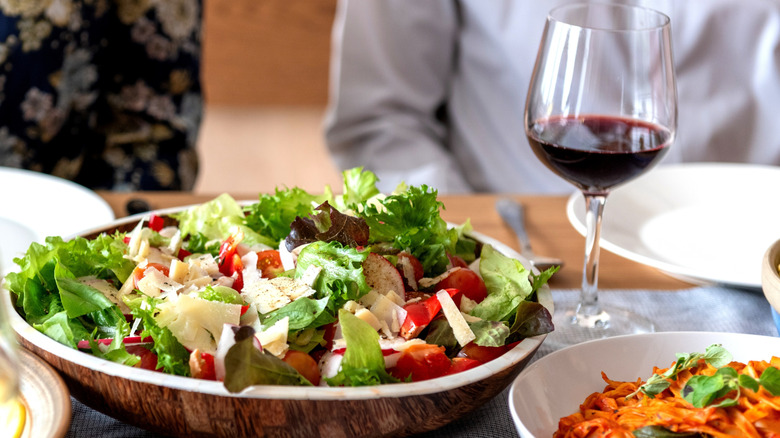
The acidity of a dish plays a big part in what kind of wine you should pair it with. So, if you're unsure where to start with your pairing, this can be a simple entry point. According to Vilma Mazaite, you should always start with the food when deciding how to pair and asking "Is there acidity from citrus or vinegar?" is a good place to start.
"'Acid loves acid' is a pretty good go-to rule: a squeeze of lemon on a dish and a high-acid wine almost always work together," explains Ashley Herzberg. So, a high-acid wine can be a brilliant choice when pairing wine with a vinaigrette-dressed salad or a German dish that's heavy on the sauerkraut. White wines tend to be higher in acidity, particularly varieties like sauvignon blanc, riesling, and Chablis. On the other hand, higher-acidity red wines include Chianti and cool-climate pinot noir.
But just because acidic dishes pair well with acidic wines, it doesn't follow that dishes low on acidity need wines that are the same. In fact, a rich, low-acidity meal can be brilliant with an acidic wine to cut through and lift the flavors, which is a good example of how both complement and contrast can be solid pairing techniques. Having this much room to maneuver can make learning the ropes more complicated at first, but it's often not as simple as a pairing being right or wrong, which gives you scope to get creative and figure things out.
Try pairing sparkling wine with heavy or fried foods
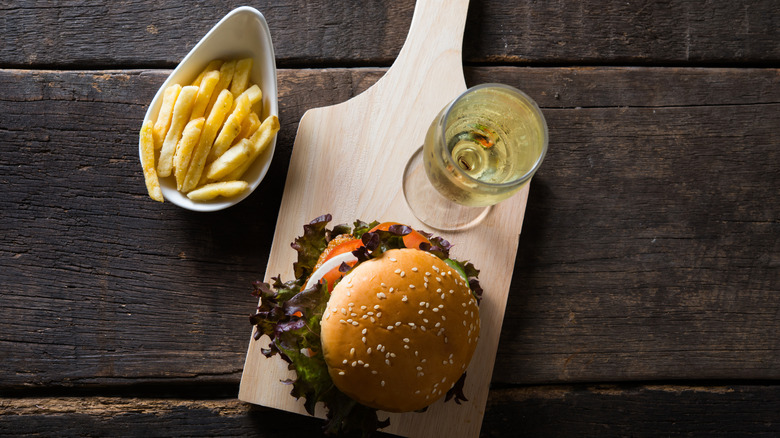
You might think that a fancy sparkling wine calls for a luxurious pairing, but one food that pairs best with Champagne and other sparkling options is french fries. Sparkling wines actually pair beautifully with heavy or fried foods. This can be a great way to be a bit playful and subvert expectations when pairing wine.
"I'm obsessed with high-low pairings," says Ashley Herzberg, telling us she likes to pair sparkling wines with salty fried snacks. "The acidity and bubbles work so well at cutting through the richness of food, and it's just fun," she remarks. There are all kinds of ways that you can cut through the richness in a dish, but this is one of the more surprising ones.
While it might seem a bit niche, pairing bubbles with fried food can work nicely if you're planning to have small snacks or hors d'oeuvres at the start of your meal. Rather than going for something typically fancy, choose a fried snack like jalapeño poppers or fried green tomatoes and serve it alongside a glass of fizz. It's not just tasty but also provides the kind of contrast that can work beautifully in wine pairing.
Reconsider sweet dessert wines
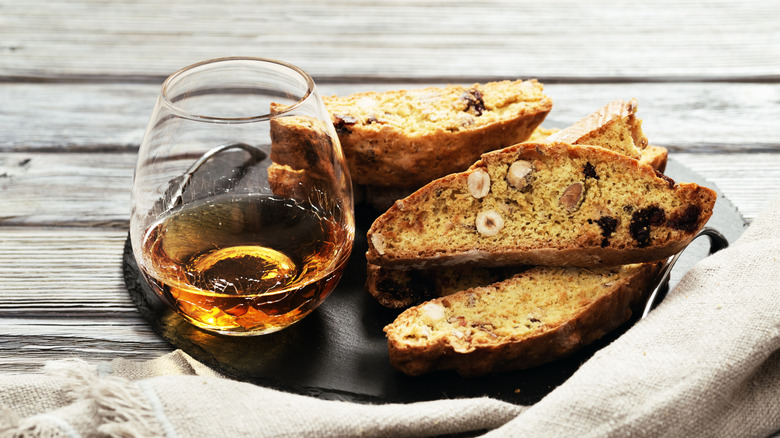
Once you get to dessert, your wine pairing can easily fall apart. If you stick to the same wine you had with dinner, it can end up tasting extremely sour against the sweetness. That's why dessert wines exist. They have a syrupy flavor that complements your dessert, but some people suggest reconsidering.
"I would try moving away from the idea that dessert always needs a sweet wine," says Vilma Mazaite. "For me, that can sometimes be too much sweetness." She suggests bittersweet amaro as an alternative pairing to wine, noting that its bitterness contrasts the sweetness of dessert. However, not every expert agrees that classic dessert wine needs to be reconsidered. Kinga Mackowiak gives the example of pairing chocolate with wine, noting that most dry table wines can taste harsh or bitter next to the sweetness of chocolate. "When I do pair wine with it, I choose something sweet and fortified, such as Taylor Fladgate Fine Ruby Port, whose concentrated black-fruit character works especially well with dark chocolate," she tells us.
There's nothing wrong with choosing a dessert wine, but you should consider whether it's what you want or if you're just opting for it because it's traditional. There are all kinds of flavor profiles in dessert wine, from intensely honeyish to rich notes of dried fruit. The main thing is that they're usually served in small glasses of 2 or 2.5 ounces.
Look for versatile wines
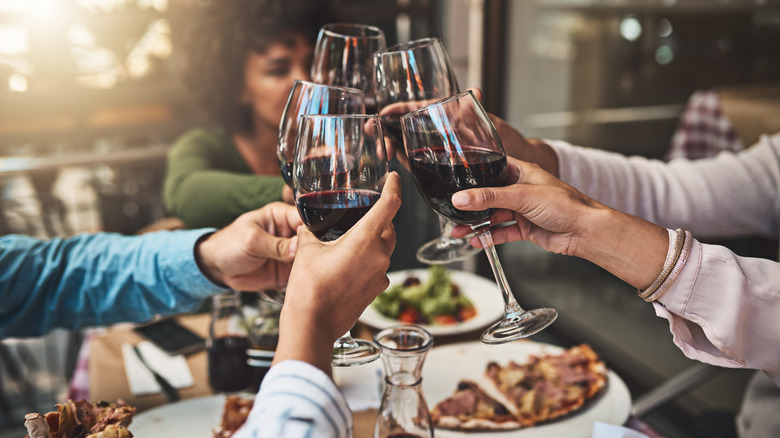
Some wines are more versatile than others when pairing them with food. When you're new to the pairing process, it makes sense to choose a flexible wine that leaves more margin for error. These aren't always the most unexpected or creative pairings, but it saves you from making a clanger.
Vilma Mazaite suggests cool-climate pinot noir as a flexible choice: "It has the acidity to work with fish and vegetables, and enough fruit and structure for grilled or roasted dishes. The fog and wind on cool-climate Pinot give the wines freshness, and you get more savory and spice-driven character alongside the fruit." Ashley Herzberg says, "Grapes with naturally high acidity and moderate alcohol tend to be the most flexible with a variety of foods." She agrees that pinot noir is a particularly versatile wine for pairing. "It can go with brighter, lighter foods, herbaceous foods or even heavier roasts," she says, noting that it can be served at room temperature or chilled.
Kinga Mackowiak adds, "Barbera from Piedmont is one of my favorite food-friendly wines because its bright acidity, low tannin, and juicy red fruit allow it to work with everything from tomato-based sauces and pizza to mushrooms and roasted vegetables." She particularly likes serving it with pasta in fresh tomato sauce, but it works with a wide range of dishes.
Learn how to taste wine to get the pairing right
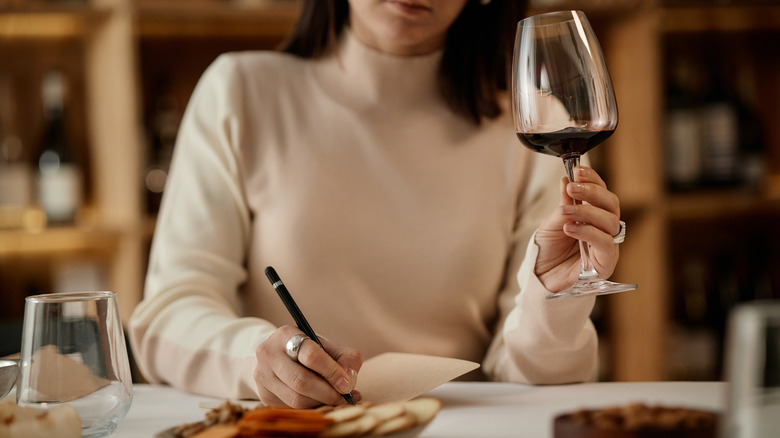
Part of figuring out pairings is knowing how to taste wine to assess whether it goes well with a particular dish. This is especially useful if you're planning a special dinner and want to know if a wine will go with a meal ahead of time. It can also give you useful information for future pairings, even if what you discover is that your chosen pairing is a bit of a dud.
"Taste the wine on its own first, then taste it again right after a bite of food," Ashley Herzberg advises. "Think about how the wine changes after that bite of food: does it make it fruitier, drier, more or less tannic or soft?" The first taste gives you an idea of how the wine is on its own, establishing a baseline to compare against. Tasting again after a bite and really taking time to consider the changes will help you discover if the wine is improved by food, with it bringing out delicious new notes and flavors, or if the food makes some of its natural qualities too intense.
Doing this every time you pair food and wine is one of the best ways to get better at it. Effectively, learning on the job is the only real way to improve. You can read about pairings that work, but the specifics are so nuanced it's best learned by doing.
Don't overcomplicate things — unless you want to

Wine pairing can seem daunting, whether or not you consider yourself knowledgeable about wine and food. While you can create elaborate pairings for multi-course meals, it can also be a simple process. Just think of it as what it is: choosing a wine that will work well with your dinner. This can make the whole thing seem simpler.
Vilma Mazaite believes that people can sometimes make wine pairing more complicated than it needs to be. "You don't necessarily need a different wine for every course," she says. "I'd much rather open one good bottle that works with most of the meal and enjoy it." So if you think wine pairing is overly complex, just pick a bottle to go with your main and let the rest fall as it may.
That said, if you love the idea of making a five-course meal with a different wine for each, more power to you. Wine pairing doesn't need to be complex, but if you enjoy the process and want to have a fine-dining experience from the comfort of your own home or throw a fancy dinner party with its own wine pairing menu, you can get as creative as you'd like. It should be a fun extra, not something you feel weighed down by or obliged to do.