

What Chef's Table Doesn't Show You On Screen
Netflix has been rolling out its unique culinary documentary series "Chef's Table" for more than a decade. The show shines a spotlight on some of the most significant chefs in the gourmet world, and lets viewers take a peek into their lives beyond the kitchen. With an innovative format that keeps a laser focus on the chefs and their success stories, there's a whole world behind the scenes that doesn't show up on camera. Everything — from who brought the idea to the table to who makes sure it looks artfully cinematic, to how much time is invested in interviewing the chefs to what goes into those incredible cooking sequences — happens somewhere just out of frame.
The sort of creativity and hard work that goes into "Chef's Table" deserves appreciation, especially considering the accolades and attention the show has garnered over the years. We took a bird's-eye view of what the show offers, and gathered a banquet of offscreen elements that may not have a visible presence, but that influence the finished product just the same. Here's a peek at some of what you don't see when you binge Netflix's highly acclaimed culinary documentary series.
The mastermind behind the concept
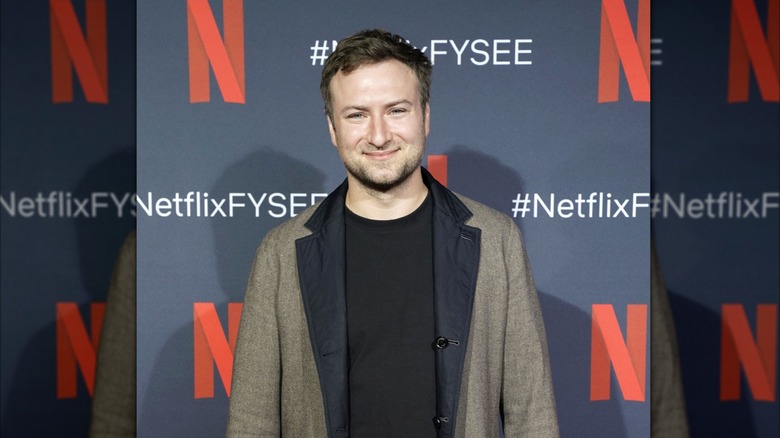
The man who assembled the whole "Chef's Table" phenomenon isn't a chef himself — he isn't even a part of the dining industry. He's actually David Gelb, director of the 2015 horror film "The Lazarus Effect," and documentarian who created the 2011 work "Jiro Dreams of Sushi," which foretold his future in documenting how culinary creatives make their magic. In addition to coming up with the concept, Gelb has also served as producer and director on "Chef's Table," helping bring specific episodes to life.
What makes a horror director shift his attention to conjure up one of the most innovative food series on the streaming scene? In an in-depth interview with The Talks, Gelb credits his passion for creating meaningful content, as well as for documenting the passion exhibited by his "Chef's Table" subjects. He said he was inspired to bring a similar sensibility as he saw in the BBC documentary series "Planet Earth" to his own work, affording food a sort of romantic and cinematic dignity.
As part of the learning process in the show's early days, Gelb discovered that earning the trust of his culinary subjects was key in getting them to open up in meaningful ways that reached beyond their signature dishes and culinary training. This, coupled with his love of cinema, helped forge the "Chef's Table" platform that has become the show's standard.
The process for choosing the featured chefs
You may notice that the chefs in each "Chef's Table" episode are singular talents, one-of-a-kind gourmet creators who take great pains to bring their unique dishes into being. The process that goes into choosing the featured figures gives the series an array of personalities and viewpoints; every episode feels like a window into the secrets of fine dining, and its world-class creators. Part of the appeal is the literal globetrotting approach to meeting these chefs where they are. Geography is no barrier; Gelb and team spare no expense reaching their subjects, factoring the chef's personal terrain into the storytelling.
As for selecting the chefs themselves, Gelb related to Great British Chefs, "We're interested in telling an origin story, so the chefs have to be willing to talk about everything from their childhood onwards." Viewing even a single episode reveals how true this structure is; the exploration of food's significance and the creative process that leads to finished dishes is embedded in an abbreviated biography of the featured chef. Pivotal moments are unearthed, struggles are exposed, and childhoods are mined for their deeper meaning.
While not all of this points directly a life dedicated to epicurean greatness, every chef chosen has their own version of a hero's journey that led them to become the complex characters they are in — and out of — the kitchen. The intriguing tales that humanize these artists are just as crucial to the "Chef's Table" formula as their culinary skills.
The emotionally-charged nature of the interview process
The insightful character of "Chef's Table" leads the featured cooks to explore their childhoods or family experiences, sharing formative moments that led them to their personal and professional status. It's more than just explanations from the chefs themselves; friends and family members make appearances, writers and colleagues weigh in, and critics who aren't always kind to famous chefs help explain the impact these innovators have on modern cuisine. The emotions that come through are genuine, inspired by a highly charged interview process that gives the chefs somewhat of a life review that leads to some surprising revelations. But as much as you see onscreen, much of the emotion doesn't make it into the show.
In one particular fraught incident early in the life of the series, when Italian chef Massimo Bottura was asked about his father, he left the interview, hamstringing the crew and leaving Gelb wondering what would happen next. Ultimately, Bottura completed the process; in the finished episode, he comes across as well-humored and affable — all tension has been left offscreen. And a season 1 scene of chef Dan Barber admitting to his volatile temper, paired with select images of that temper rising with his kitchen staff, looks more like a therapy session than a cooking show conversation, though a calm one.
It's a testament to the flexibility of the "Chef's Table" creatives and their editorial finesse that the rawest moments are omitted, leaving behind a sensitive treatment of the expansive interviews.
The hours of interviews that don't get used
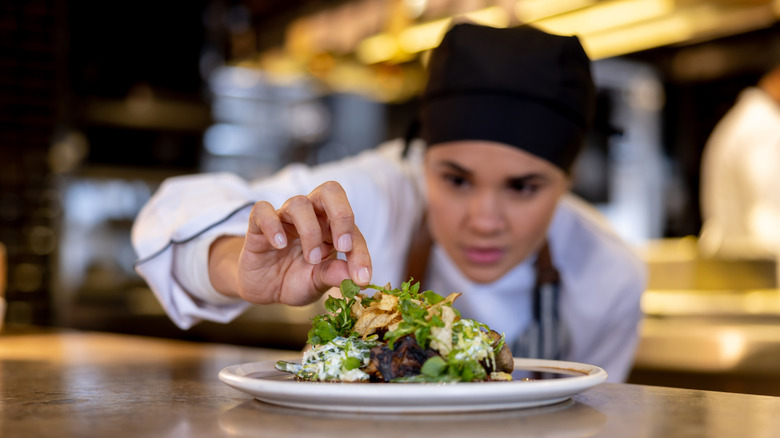
Though each "Chef's Table" episode does a deep dive into the featured chef in under an hour's worth of airtime, there's actually much more footage produced before a completed episode shows up in your Netflix feed. It's not unheard of for a single episode to consume an 11-day shooting schedule, with days spanning from sunup to sundown, as it did for chef Tim Raue's season 3 episode. As Raue explained to Great British Chefs in 2025, "I did around eight hours of interviews which was condensed down to less than forty minutes, but I'm really happy with what came out at the end."
Chef Dan Barber offered insight into how the extended interview process leads to a sort of looseness, as he told Foodism UK, "Chefs get very good at saying what they want to say in interviews, but after a third full day of filming you can't do that." Similarly, Gelb explains that this process can result in important revelations: "As we do interviews, we discover stuff about the chef that maybe previous journalists may not have realised or thought was that important." Through all the extra filming, a conversation unfolds, revealing personal details of the path that led the chefs to industry greatness and self-actualization, and a narrative is crafted for the final cut — a trimming of the fat, to put it in culinary terms.
The decisions that lead to the final dishes made on the show
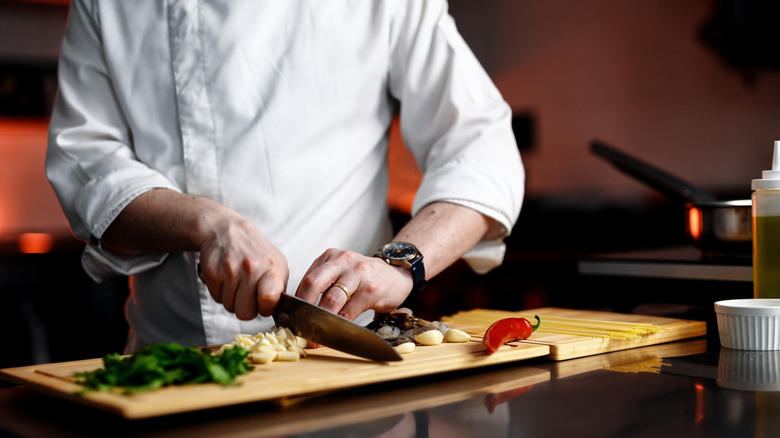
As much as it is an exposition of the inner workings of the chefs featured, "Chef's Table" is also a showcase for their masterful dishes. Watch any episode and you'll see the ingenuity and loving attention that goes into every step, from choosing the ingredients to cooking them with precision to plating the final elements for undeniable "wow" moments. It's a dance between creators and creation, where the gourmet art pieces are afforded a cinematic level of attention to provide peak enticement and draw audiences in.
Naturally, appearance is key for a visual medium, and Gelb takes great pains to make the food look as elegant and artful as possible. As he tells Splendid Table, "Shooting the food scenes is always a lot of fun because the plate itself is already a work of art. Then we're trying to find the best way to capture the essence of that." The term used by the creators is "food symphony," shorthand for the coordination of the food filming for maximum impact. The crew samples the food at the chef's restaurant so they have a sense of what they'll be working with. High-tech robotry moves the camera to allow precisely coordinated movements. When it all comes together in the finished episode, it looks seamless; all the labor left out of frame is what gives that exhilarating sense of magic.
The cinematographers who make it all flow
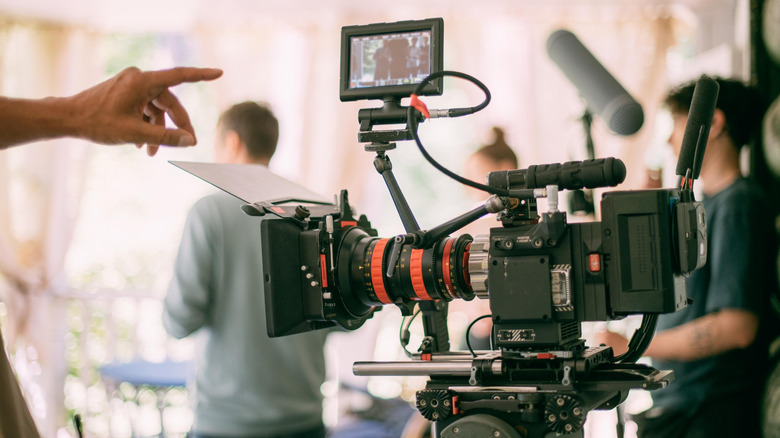
There's no cutting corners when it comes to making every "Chef's Table" episode feel like a mini movie. The striking imagery and thoughtful compositions that turn incidental exterior footage of the chefs working are as lush and evocative as the slow-motion sequences of otherworldly food coming together in the kitchen. Cinematographers Adam Bricker and Will Basanta developed the show's unique aesthetic, an element that becomes almost invisible to viewers who get caught up in the narrative. Still, it's a critical piece of the puzzle that puts the show in the upper echelons of culinary television.
Bricker has a background in advertisement, crafting memorable commercials for global brands like McDonald's and Starbucks. His television experience beyond "Chef's Table" also includes work on the Emmy-winning HBO series "Hacks" and the feature-length film "Permission." Basanta comes from a similar background; he's filmed ads for Chipotle and Royal Caribbean, worked on documentaries outside of the "Chef's Table" realm, and, shot music videos for the likes of the Shins and the Fray. Their faces may never appear on your television screen, but their vision informs what you end up seeing in the finished series. Both have been nominated for Emmys for their exceptional camera work.
Though these two artists aren't part of the onscreen happenings, they're responsible for the all-seeing lens through which viewers experience an episode. Being drawn into the narrative and mooning over the photo-perfect food is all thanks to their visual blueprint.
The choreography of shooting the cooking segments
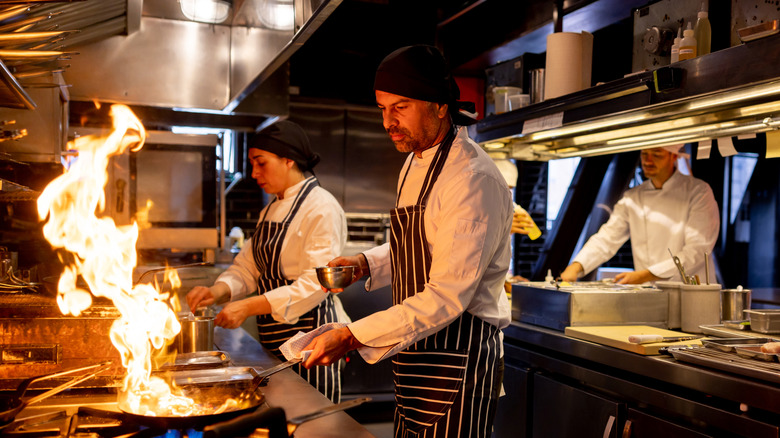
Anyone familiar with cooking competition shows or the environs of a professional restaurant knows how frenzied the action behind the counter can get when meals are coming together. There's a team of experts speaking their own language, filled with idiosyncratic terms that let everyone know what's happening. So dropping a camera crew into the midst of the action is bound to add to the tension ... and yet, it's a necessary tweak that gives "Chef's Table" its culinary character. And the coordinated dance that keeps the cameras rolling without crashing into the cast and crew all comes down to the cinematographer's agility — invisible onscreen, except in the elegant final result.
The series' cinematic quality is due in part to having high-resolution digital cameras from a company called RED that helps the cinematographers maneuver in the tight quarters of a working kitchen. "We've always used RED cameras because they had the right resolution, the right size for these small kitchens," Bricker told Variety in a 2025 article about how he achieves the impossible without sacrificing quality. "Over the course of the 10 years, we've just been keeping pace with the technological progression of the cameras and sort of always trying to shoot on the latest thing." This flexibility and knack for finding ways to work with the environment makes capturing the inner workings of a kitchen in motion an eye-opening experience for the viewers.
The nominations and awards the show has garnered
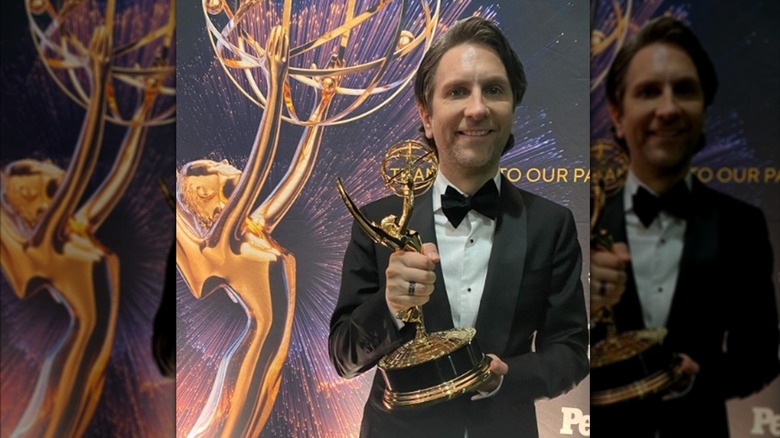
In its more than 10-year run as a Netflix original, "Chef's Table" has racked up nominations for its exceptional work in both the television and the culinary worlds. From the Television Academy alone, the series has received 11 Emmy nominations for a mix of outstanding music, cinematography, or documentary series. After years of near misses, composers Duncan Thum and David Bertock brought home the show's sole trophy for Outstanding Music Composition, Documentary Series or Special, in 2025. The show has also been bestowed a 2026 James Beard Award for Documentary Visual Media, for the "Chef's Table: Legends" collection.
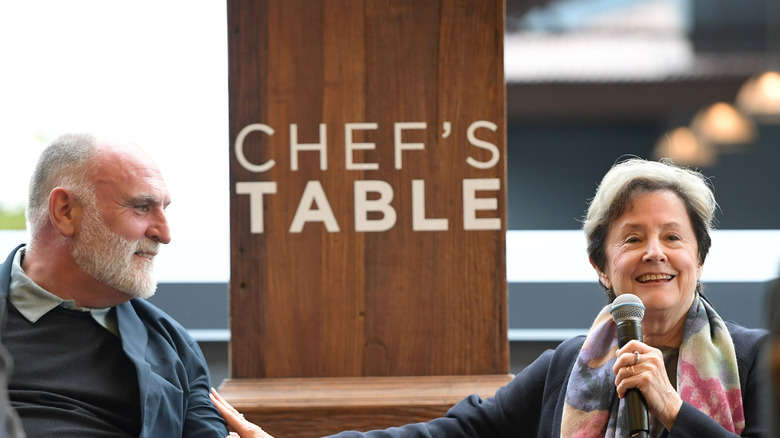
Though there was no actual award from the Reel Taste Film Awards, "Chef's Table" was honored with a 10-year celebration event at the Napa Valley Film Festival in May 2025. The event assembled celeb chefs Jaime Oliver, Alice Waters, and Thomas Keller, along with creator David Gelb, to share thoughts, rewatch clips, and of course, dine on sumptuous fine food. As the series has done with every episode, the event showed the very human side of these well-known figures, and gave them a chance to share memories and personal anecdotes with their guests.
The real-life experiences the show arranges
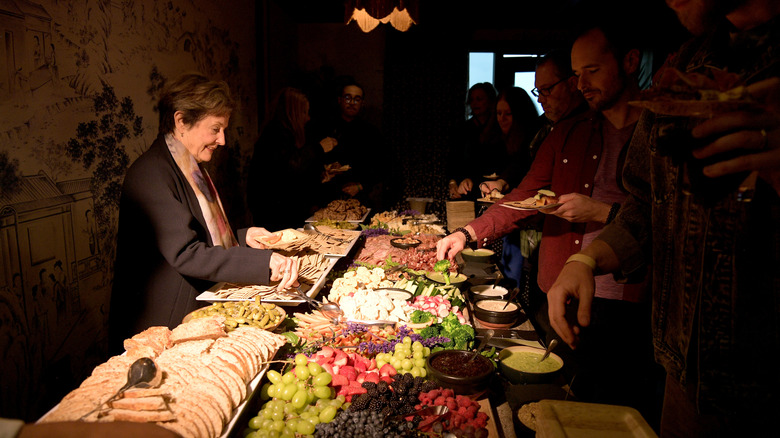
Viewers intrigued enough by the chefs and restaurants highlighted on "Chef's Table" are likely to hit the web to learn more once the episodes end. This interest in the gourmet enchantment has led to real-world experiences centered around some of the featured figures and their phenomenal food, giving fans an opportunity to sample the goods, as well as connect with some of the show's fascinating culinary artists. A 2023 Netflix-themed restaurant featured "Chef's Table" alum cooking for the public, and In 2025, a collection of Airbnb encounters were created to let lucky travelers engage in cooking classes with five celebrity chefs stationed at in different stays around the world. The courses included a London-based pasta session with Jamie Oliver sharing tips, and a Seoul-based lesson in plating up the perfect desert with Justin Lee.
There has also been a 2026 cross-promotion with United Airlines, in which alumni chefs from the show designed meals to be enjoyed in the United Polaris business class section of international flights. Eleven of the world's top chefs were tapped to arrange a menu that pulled influences from cultures around various global locales. As well in 2026, creator David Gelb brought a third dimension to the "Chef's Table" world with a full-fledged food festival in Park City, Utah. The event included a slate of chefs from the show's various seasons for an intimate gathering viewers and fans could enjoy.
The impact that appearing on the show has on a chef and their business
You won't find "Chef's Table" circling back with the culinary superstars featured in the series to learn how things may have changed as a result, but there's a definite downstream impact that makes putting themselves in the spotlight a boon. Though every chef was already successful to some degree, many found that appearing on the show gave their enterprises a boost, and even led them in unexpected directions.
Finding out what the chefs are up to now requires a bit of sleuthing, though if you dig deep enough, you can discover how many have gotten on since their appearances. Francis Mallmann saw his newfound fame add plenty of business to his schedule in the years that followed his episode; some viewers inspired by his episode even offered to ditch their lives and become his assistant. Asma Khan, the first British chef to appear on the show, used her exposure to promote women and racial equity; as of 2026, her Michelin-honored London eatery Darjeeling Express has relocated to a larger site to accommodate more creations — and more business. And the prince of premium pizza stylings Chris Bianco expanded beyond his Phoenix base in 2023 with L.A. locations for pizza and sandwiches.
With five regular seasons and six specialty collections, it's challenging to keep track of every chef's progress after the show. But it certainly seems being part of "Chef's Table" has led to further success off-screen, by and large.