

12 Best Rosé Wines For First Time Drinkers
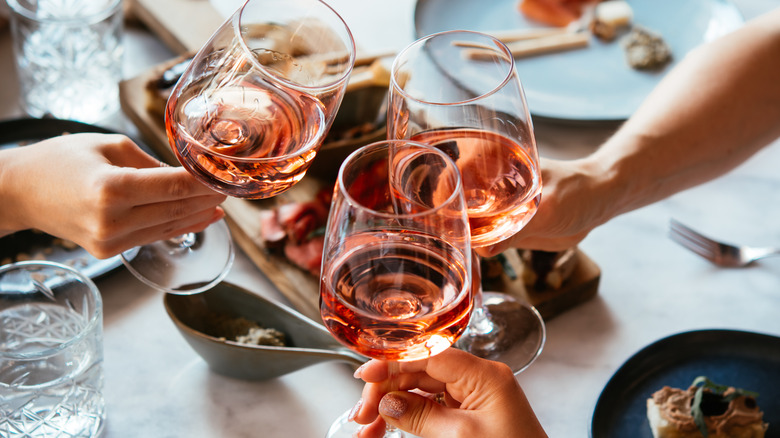
For those just beginning to explore the tastes and complexities of wine, a bottle of rosé may be a good place to begin. Known for its varied pink hues, this style of wine is often made from red grapes, and typically spends a short time in contact with their skins, so it never fully develops the richer pigments or tannins of a red wine.
Keep in mind, too, that rosé is a style of winemaking and not dependent on a particular type of grape. Instead, you may see a wide variety of grapes used, including everything from pinot noir and grenache to syrah, mourvèdre, and cinsault. This allows winemakers flexibility in creating a unique wine that's reflective of the winery's focus and location. For the most part, rosés strike a balance between the freshness and acidity of a white wine and the structure and fruitiness of a red. The end result is a menu-friendly wine that's approachable for beginners.
To help you determine which rosés you should try first, we consulted with sommeliers and wine experts to get their top picks in this category. Below you'll find insights from Douglas Kim, a Master Sommelier and Executive Director of Wine for MGM Resorts International; Julien Barthelemy, Sommelier and Director of Food & Beverage at AREV St. Tropez; Jordyn Sotelo, Sommelier at Trino Steakhouse; Lindsey Becker-Schwartz, Sommelier and Beverage Manager at RPM Seafood; and Julie Dalton, Master Sommelier at The Post Oak Hotel at Uptown Houston.
Château d'Esclans Whispering Angel Rosé — Côtes de Provence, France
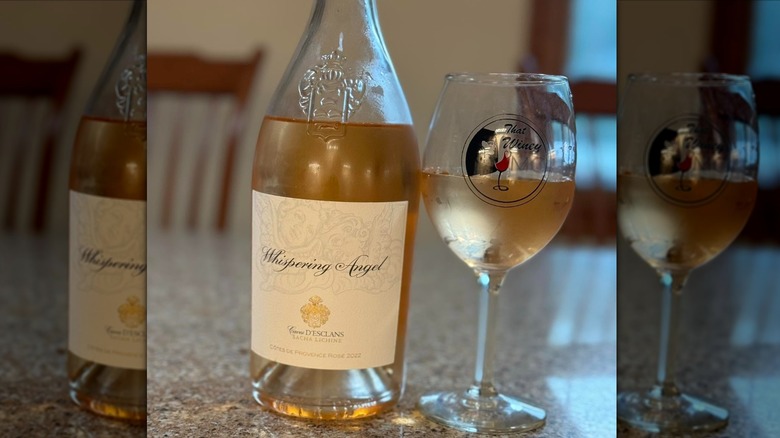
The Whispering Angel Rosé from Château d'Esclans in France is a classic introduction to Provence rosé, says Douglas Kim. In fact, when Sacha Lichine acquired the winery in 2006, the goal was to start a "Rosé Renaissance" in the area. The end result, 20 years later, is a more approachable wine. Made with grenache, cinsault, and rolle grapes, this wine is pale with a crisp finish.
"It is dry, refreshing, and fruit-forward without being overly sweet, making it approachable for someone new to wine," says Kim. "Its widespread availability also makes it easy to find and enjoy."
This wine provides flavors of strawberry, watermelon, peach, and citrus; and, the combination of fresh fruit and bright acidity make it easy to drink. This flavor profile also makes it more appealing to someone who may normally prefer lighter beverages, says Kim. It pairs well with salads, seafood, grilled chicken, sushi, and light appetizers, and retails for around $20 to $30, depending on the market. Once you open a bottle, it's best enjoyed within a few days, says Kim.
Château d'Esclans Rock Angel Rosé — Côtes de Provence, France
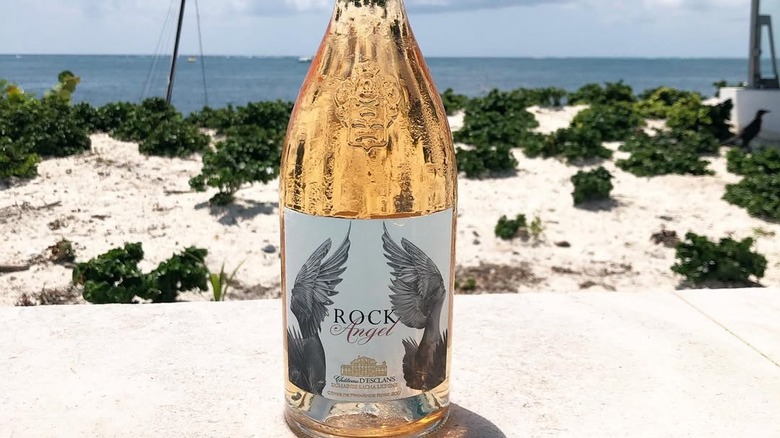
Rock Angel is also from Château d'Esclans in France, but has a more complex taste profile than Whispering Angel. Unlike Whispering Angel, it's made with only grenache and rolle grapes — and it's aged differently. This results in a bolder, more mature wine than Whispering Angel.
"Rock Angel is a slightly more substantial version of the Whispering Angel Rosé while remaining fresh and approachable," says Douglas Kim. "It is a great next step for someone who wants to explore a more serious or structured rosé."
When enjoying a glass of Rock Angel, you will likely notice flavors like strawberries, peach, citrus, and subtle floral notes, says Kim. "The freshness of the wine balances the fruit, which makes it appealing without being sweet."
Serve this rosé with your favorite salmon recipe, chicken fricassee, duck à l'orange, and other hearty dishes. You can typically snag a bottle of Rock Angel for about $30, though sometimes the price may creep up to $40. If you want something a little less expensive, try the Whispering Angel first.
San Salvatore Vetere IGP Paestum Rosato – Campania, Italy
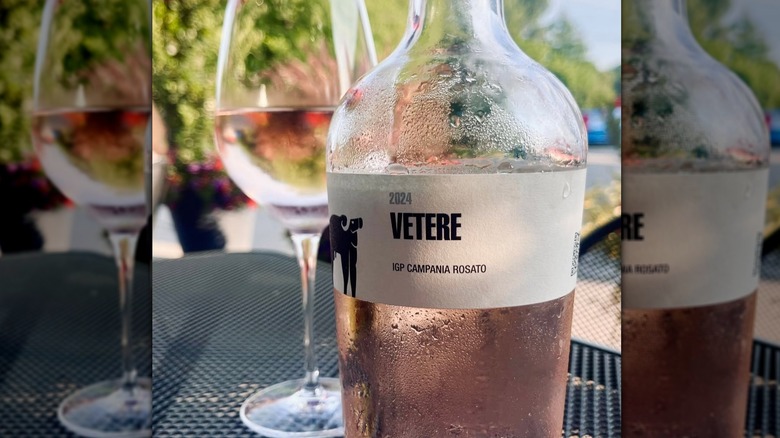
Located within Italy's Cilento National Park, the San Salvatore estate was established by Giuseppe Pagano. There, the organization features organic vineyards, olive groves, and even water buffalo farming. Consequently, the wines produced at the estate feature a unique version of Mediterranean soil and climate.
"This is one of my favorite rosés that I have tried recently," says Douglas Kim. "Made from Aglianico grapes, this Italian rosé has plenty of fresh fruit and floral character while remaining soft, balanced, and easy to drink. I particularly love its creamy texture. Its relatively moderate alcohol level and fresh Mediterranean style make it a good choice for someone who is new to rosé wines."
While enjoying a glass of this rosé, look for a flavor profile that features fresh red berries — particularly strawberry and cherry — along with wild rose, violet, and subtle Mediterranean herbal notes, says Kim. Overall, this wine is smooth, lightly savory, and not too sweet. Serve it with your favorite Italian dishes like bruschetta, burrata arugula salads, or a margherita pizza, he says. Typically, you can find a bottle of Vetere for about $20 to $30.
Pullus Pinot Grigio — Ptuj, Slovenia
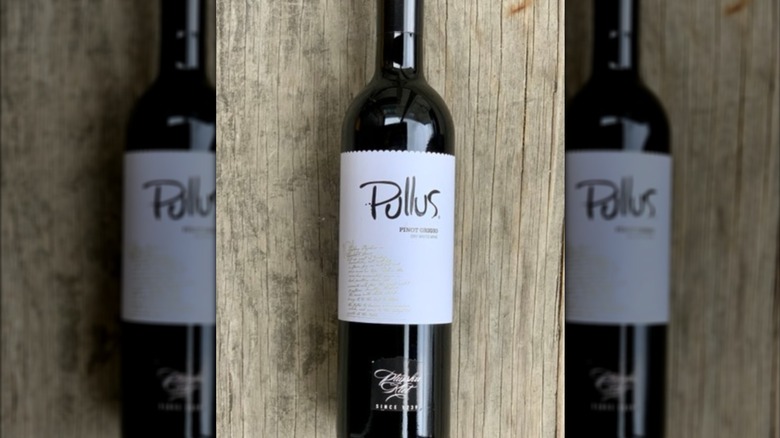
Pullus Pinot Grigio is a Slovenian wine produced in an area of diverse soil that consists mainly of sand and clay found in steep-sloped vineyards. Located in the town of Ptuj, Jordyn Sotelo says the wine cellar at this particular winery was built by monks in 1239. Though, some historians believe the Celts planted the vines there even earlier.
Interestingly, this rosé is made with a white wine grape, but the skins of the grape are a pinkish-gray, and Sotelo says the winery lets the juice hang out with the skins for a few days. This style, which is called ramato rosé, is where the delicious-looking pink color comes from, she says.
Once you take a sip of this wine, Sotelo says the first thing you'll notice is how "lively and zippy" it is, which she contributes to its acidity. "Then pay attention to how it feels. It's smooth, almost a little creamy. That comes from the time the wine spends with the grape skins, plus a few extra months of resting before it's bottled."
Consider serving this wine during winter holidays when your table is filled with a multitude of dishes and you need something that will go with everything, suggests Sotelo. Not only does it pair well with most holiday dishes you'll serve at your dinner party, it goes especially well with turkey, chicken, fish, or a larger roast. You can usually pick up a bottle for about $16 to $20.
Anne Amie Rosé of Pinot Noir — Willamette Valley, Oregon
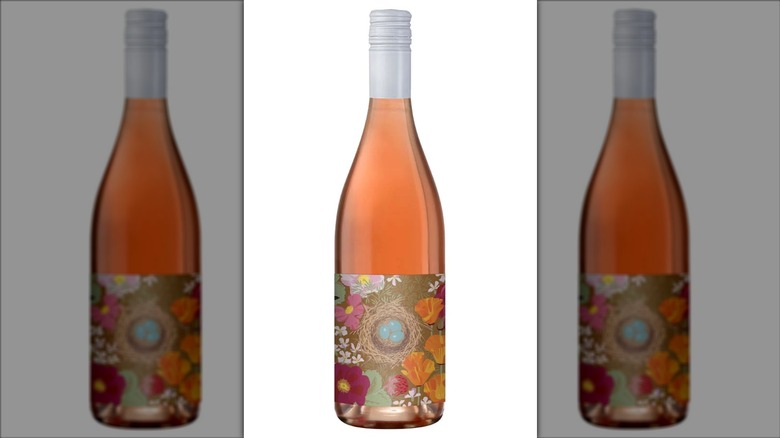
If you prefer a fruity wine, then the Anne Amie Rose of Pinot Noir is for you. Overall, it's fresh, easy to drink, and made for sharing, says Jordyn Sotelo. "You get big strawberry and melon flavors without it tasting heavy. It's easy to love and clearly made with a lot of care."
This attention to detail and care in producing a top-notch wine is not surprising, given the commitment to quality winemaking you'll find in Willamette Valley. This area is home to more than 500 wineries, many of which are family-owned. As for the Anne Amie winery, it was founded in 1999 by Robert Pamplin, who purchased the area's historic Chateau Benoit Winery. In 2004, he renamed the winery Anne Amie Vineyards to honor his two daughters. Today, Anne Amie also owns Twelve Oaks Estate vineyard in the Chehalem Mountains.
If you plan to try the Anne Amie Rosé of Pinot Noir, you can expect to pay around $20 to $25. But keep in mind, the winery's website lists this particular version as a seasonal wine and notes that they only produce a limited amount each year, so it may be a challenge to find it in some instances; or it may be sold out depending on when and where you look. Plan to serve this wine with everything from fried chicken, shrimp, and salmon to arugula and goat cheese salad, paella, and lobster rolls.
Rosé of Mourvedre — Western Cape, South Africa
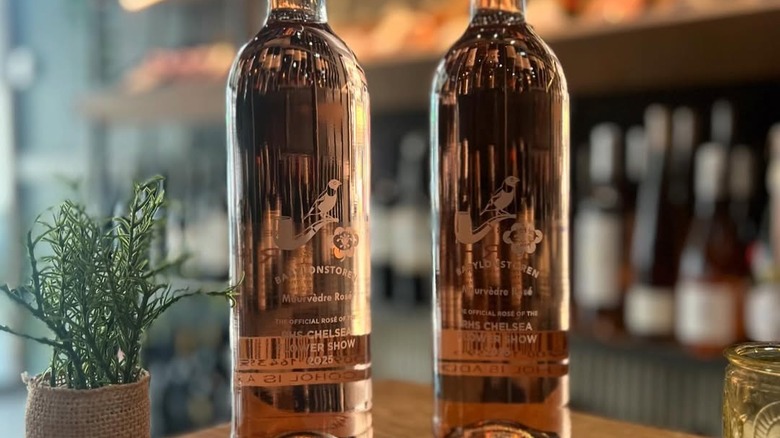
As one of the oldest working Cape Dutch farms in the Western Cape of South Africa's wineland region, Rosé of Mourvedre was first fermented by cellarmaster Charl Coetzee in 2011 after he decided to experiment with the mourvèdre grapes. Normally, this grape is a minor blending grape in trendy rosés you often see from Provence in France, says Lindsey Becker-Schwartz, so it's rare to see a wine made entirely from mourvèdre.
"But the fresh pomegranate and strawberry notes with just a touch of rustic dried herbs make this very beginner-friendly," she says.
This dry wine has an upscale salmon hue and pairs well with tomato-based dishes, much like rosés of all styles. The wine's fruity flavor profile and acidity complements the naturally sweet, earthiness of tomatoes. So, serve it alongside your favorite tomato tart, bruschetta, or favorite pasta. You also could try it next to your favorite cheeses or with the salty flavors found in pork or cured meats. Once you pour it, Becker-Schwartz says it will start to open up after it has been in your glass for about 5 to 10 minutes. Typically, this wine retails for about $19.
Tsiakkas Winery Rodinos — Pelendri, Cyprus
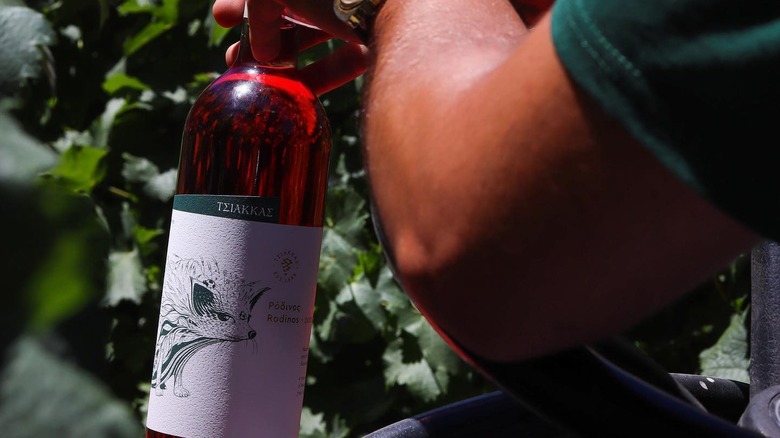
Founded just outside of the Pelendri village, Tsiakkas Winery (pronounced CHA-kiss) began as a humble startup by a newly-wed couple who produced just 500 bottles of red wine in their first year. Today, their private and partnered vineyards are making nearly 200,000 bottles of wines. And even though the winery is now expanding to a second generation of winemakers, they're continuing the family's winemaking heritage by upholding local customs and using traditional methods of viticulture and vinification.
You can see this commitment — and creativity — in their rosé known as Rodinos. According to Lindsay Becker-Schwartz, this wine is a surprisingly dark rosé, and is a blend of grenache and shiraz alongside two native Cypriat grapes — vamvakada and xynisteri.
"Don't let the color fool you though," says Becker-Schwartz. "There's still a widely held belief that darker rosés are sweeter, and that is certainly not the case here. There's an incredibly charming peach gummy ring quality mixed with clementine and nectarine that make this body way too easy to polish off."
The Rodinos pairs well with green salads, cheeses, and some desserts and can be found for roughly $20 to $34, depending on where and when you purchase it. And, while this wine may be slightly on the higher side for what a first-time drinker might want to pay, Becker-Schwartz says rosés tend to improve in taste and be more interesting the more you increase your budget.
V Rosado from Casa Madero — Parras Valley, Coahuila, Mexico
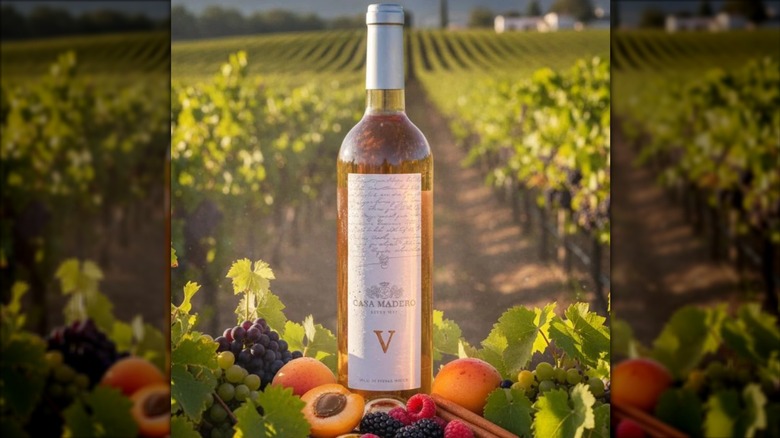
When most people think of Mexico, they may not consider its wine producing capabilities. But, this region of the world produces some remarkable wines; and you can count on Casa Madero to consistently be in the mix. Founded in 1597, this vineyard is one of the oldest in the Americas, and was originally planted by the Spanish for producing both wine and brandy. It's located at a 5,000 foot altitude exposing the vines to cooler temperatures and making it an ideal location for grape growing.
And you'll see this unique location manifested in the V Rosado, Casa Madero's rosé. In fact, Lindsay Becker-Schwartz says when her team was preparing this year's Summer of Rosé menu, they tasted about 25 different rosés blind — and this one was a unanimous and enthusiastic yes from the entire team. She says even though "it's syrah-based, the color and flavor profile are both light and refreshing."
Try pairing this wine with your favorite Mexican fare like chicken tinga or al pastor tacos, or serve it alongside blueberry and pistachio salad, scallops, pasta, crab salad, or creamy desserts. This rosé can be purchased in the U.S. for roughly $18.
Broadbent Vinho Verde Rosé — Barcelos, Portugal
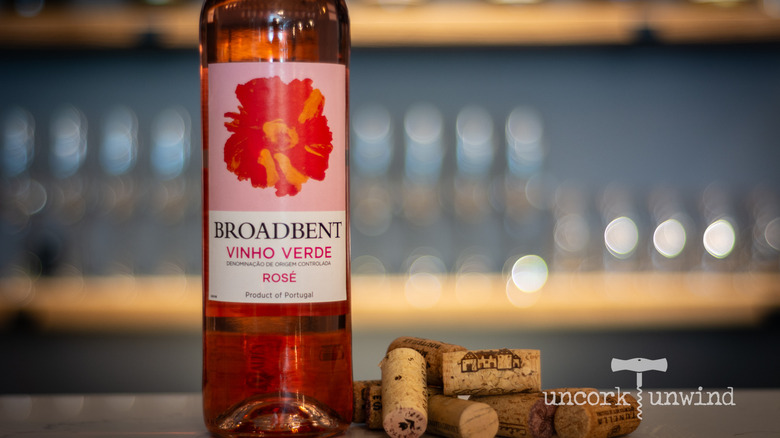
The Broadbent Vinho Verde Rosé is rooted in Bartholomew Broadbent's desire to produce Portuguese wines that not only have balanced alcohol levels, but are also versatile enough to be enjoyed every day. His Vinho Verde was first launched in 2005 and is produced at Quinta de Azevedo in the Barcelos commune. There, it undergoes a precise process involving pneumatic presses, controlled fermentation, and a yeast developed in the vineyards. This produces a wine with an undeniable spritz.
Julie Dalton recommends this wine to first-time drinkers because she says it offers "pure enjoyment without any risk." Not only is it relatively affordable at just about $10 per bottle, but it's also easily accessible in the United States. Plus, it has a fun little prickle on the palate, making it texturally pleasing, she says. "It's very bright and crisp, but with enough fruit to keep it balanced. Also, it's lower in alcohol, so if we're speaking with beginners, going for something lower in alcohol is generally a good idea."
Serve the Broadbent Vinho Verde with dishes reminiscent of the area like cod fritters, clams, oysters, shrimp, and light fish. Charcuteries boards, grilled tinned fish, and orange fennel salad all work well with this wine. Even turkey burgers, shrimp spring rolls, and fried chicken will pair nicely.
Chateau Peyrassol Rosé — Côtes de Provence, France
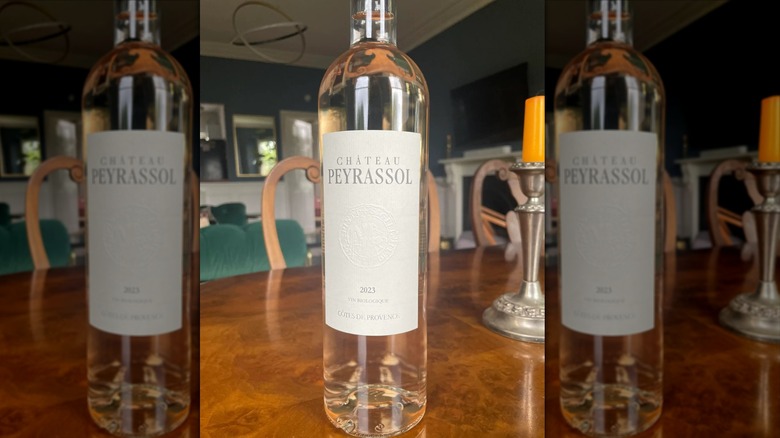
Côtes de Provence is the largest appellation in the Provence region of France and covers about half of the entire Provence wine region. It's known for its production of rosé wine and its varied climates, which include a combination of Mediterranean sea breezes in the south and sub-alpine hills in the north. If you want to try a classic Provençal style of rosé — which means it's dry, very pale, and probably more herbal and smokey than it is fruity — then Julie Dalton recommends the Chateau Peyrassol Rosé.
"It has those bright zippy grapefruit citrus notes that Sauvignon Blanc lovers adore," says Dalton. "And considering Sauvignon Blanc is the most popularly-ordered grape variety at the moment, many beginners fall in line with what's trendy or popular."
Serve this wine with herbed, white-bodied fish like grilled grouper or Chilean sea bass, or a crostini topped with goat cheese. You could also try light cheese boards, charcuterie, or grilled chicken with this rosé. And if you're feeling particularly creative or adventurous try making a mild aguachile. You can expect to spend about $35 for a bottle of Chateau Peyrassol Rosé — but you'll be getting a classic Provençal style of rosé.
Brooks Rosé of Pinot Noir — Willamette Valley, Oregon
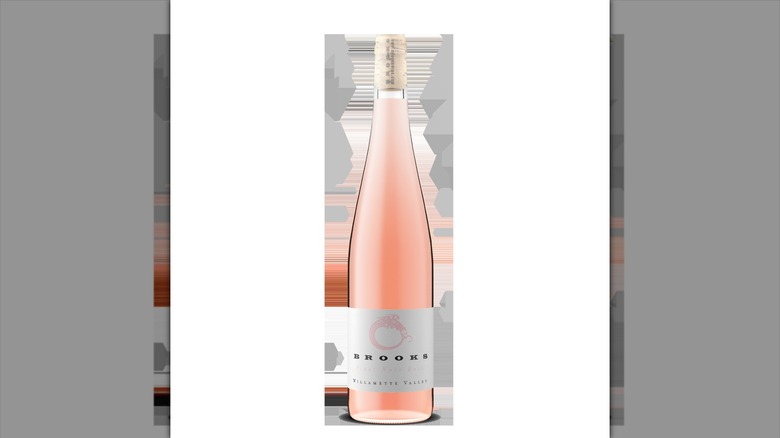
If you're a beginning wine drinker and want a more serious wine that still feels familiar, Julie Dalton recommends the Brooks Rosé of Pinot Noir. "This is a fruity wine, still dry, but has some softness around the edges that is usually more pleasant for beginners to drink."
You'll also appreciate the strong family legacy behind this winery, which was founded by Jimi Brooks, who passed away unexpectedly in 2004. After Jimi Brooks' death, his 8-year-old son, Pascal, became the youngest winery owner in the country. But with the help of his aunt, Janie, as well as the extended Brooks team, the winery has continued to produce noteworthy wines in the Willamette Valley area like the Brooks Rosé.
This wine will pair well with a wide variety of foods making it super flexible for beginners. You can try it with everything from hummus and charcuterie boards to informal foods like pizza, dim sum, grilled sausages, and even fish and chips. If you purchase this wine directly from the vineyard, it's roughly $32. But if you buy it at your local wine shop, you might have to pay more.
Fondugues-Pradugues Eau de Rosée — Provence, France
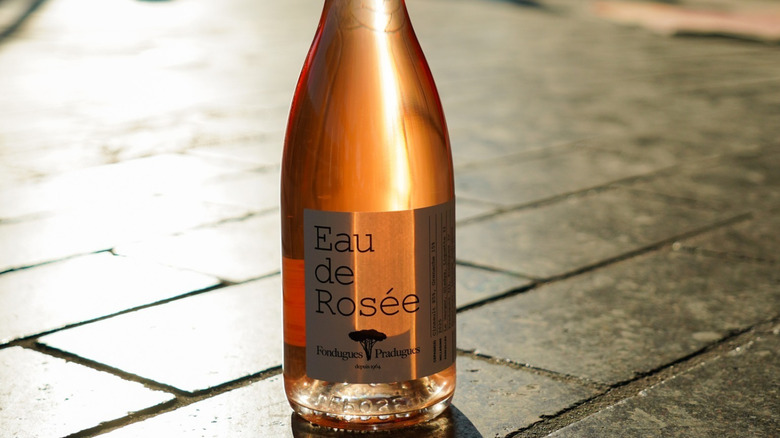
Fondugues-Pradugues is a family-owned property located at the foot of the village of Ramatuelle — and its vineyard and wines are the only certified organic and biodynamic producers in Saint Tropez. Not only is the family focused on natural production, they also produce wines with a strict minimum of sulfites.
The winery's rosé — Fondugues-Pradugues Eau de Rosée — is an approachable introduction to Provence rosé because it's fresh, balanced, and easy to drink, without being overly complicated, says Julien Barthelemy.
"Its delicate fruit character and refreshing acidity make it accessible to someone who is discovering wine for the first time, while still offering enough personality to encourage further exploration," he says. "The combination of fruit, freshness, and a clean finish makes it particularly easy to enjoy, even for someone who is not accustomed to drinking wine."
When tasting this wine for the first time, Barthelemy suggests looking for fresh citrus, peach, nectarine, and delicate white-fruit aromas. It also has a subtle mineral finish that reflects the Mediterranean soil and climate of a wine grown near the sea. If you're serving Mediterranean cuisine, this wine is a natural choice. It also works well with grilled vegetables, shrimp ceviche, and fresh cheeses while the winery, or the domaine, recommends drinking it with an heirloom tomato salad. You can get a bottle of this wine for roughly $20 to $25.