

11 Mistakes To Avoid Making Green Bean Casserole
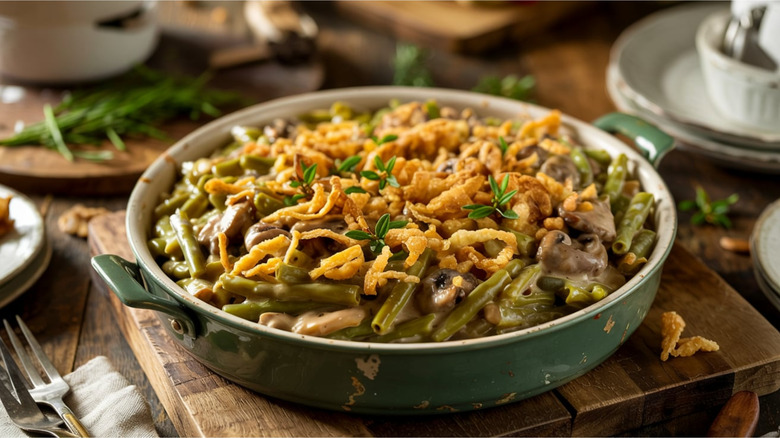
Green bean casserole is a classic holiday dish that can leave some people divided. For some folks, the original recipe from the back of a can of Campbell's soup is the one that does the trick. Others find it mushy and too reliant on convenience foods for something served in the 2020s and want to make changes. Either way, there are some mistakes to avoid when making green bean casserole that will elevate the dish and make it fit for 21st century celebrations.
I wanted to hear from some experts to get their take on green bean casserole missteps. I interviewed Angela Latimer, recipe developer at Bake It With Love; Erin Clarke, founder of Well Plated and cookbook author of "The Well Plated Cookbook" and "Well Plated Every Day"; and Joanne Gallagher, co-founder and recipe developer at Inspired Taste. Having made hundreds of green bean casseroles between them, they know the mistakes to avoid in order to make the best one possible.
Whether you're totally new to green bean casserole and want to get it right first time or you've run into issues in the past, you'll find the solutions you need here. Not only will you learn about common green bean casserole mistakes, but also how to fix or avoid them.
Using canned green beans
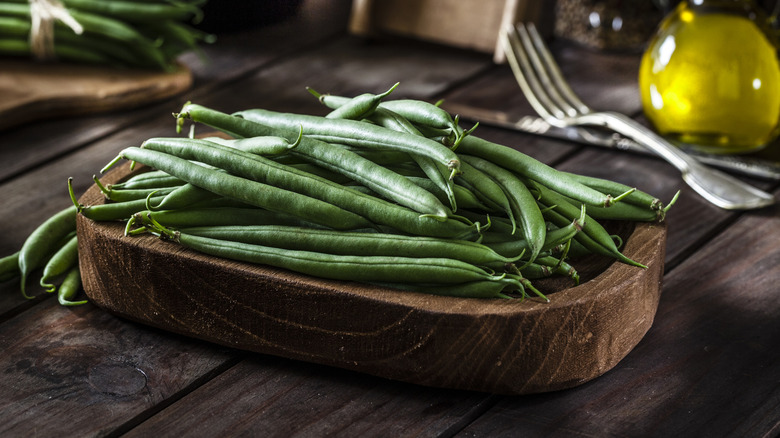
One of the biggest complaints with green bean casserole is that it's soggy or mushy, and this usually comes down to the green beans. "The biggest mistake I see is starting with canned green beans," says Joanne Gallagher. "I'm not a fan because they tend to become mushy in the casserole," she explains. They're already soft when they come out of the can, so after being baked in a creamy sauce, they only get softer and venture into baby food territory. "I love fresh green beans because they keep their crunch and bright color after baking," Gallagher tells us, noting that frozen green beans are the next best option if you can't find them fresh.
All this said, it's worth acknowledging this dish has a long history of being made with canned beans, and some people are looking for nostalgia rather than aiming to make the technically best casserole. So, if you must use canned green beans, it's important to go about it the right way.
"When using canned green beans, you want to keep the overall baking time short to avoid a mushy mess," Angela Latimer remarks. "You're popping it in the oven just long enough to heat the casserole and crisp the topping," she says. You should also choose the best canned green beans, as some are fresher and more crisp than others.
Cooking the green beans incorrectly
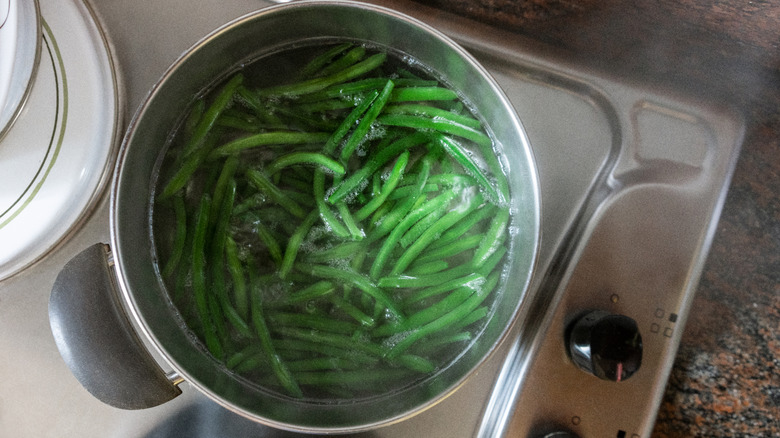
When using fresh green beans in a casserole, it's important to cook them right before putting them in the casserole. Failure to do so can either release water and dilute the sauce or cause the same mushiness that using canned beans gives you. "Overcooking is the biggest culprit to a sad, soggy green bean casserole," Erin Clarke tells us. "The beans keep cooking in the oven after blanching, so you want them a little firmer than al dente when you add them to the casserole to ensure they come out just right," she says. You need to make sure there's still some snap to them when you drain them. Even if you like a softer bean, as they will keep cooking in the oven.
"I like to blanch my fresh green beans in boiling salted water for 5 minutes, then drain and rinse them under cold water to stop them from cooking," says Joanne Gallagher. Putting them in an ice bath is another alternative to running them under water. "This easy step won't fully cook your beans, allowing them to finish cooking in the oven without getting too soft," Gallagher adds.
According to Angela Latimer, skipping blanching can give you a runny cream sauce and means you'll need to increase the time the casserole spends in the oven. "The added bonus is that the blanching will lock in a bright green color that looks amazing on a holiday table," she notes.
Always using canned soup as a sauce for green bean casserole
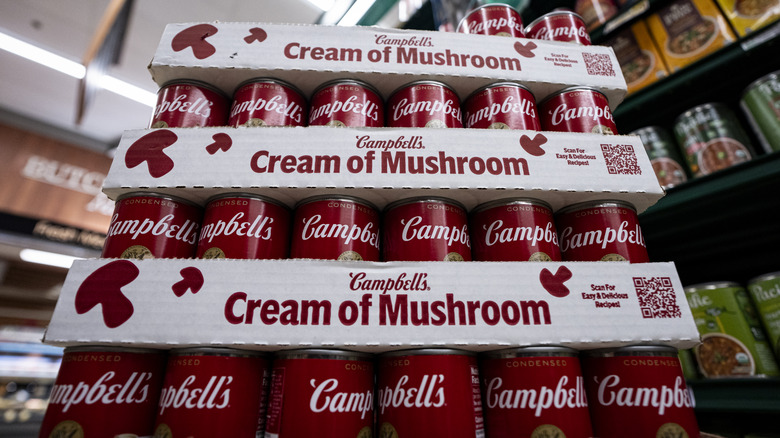
According to some, canned cream of mushroom soup makes the best green bean casserole. This was how it was invented, but that doesn't mean it's the only choice, or the tastiest one. It's a mistake to always reach for the canned soup to use as a sauce for this dish. Sure, it's traditional, but we've largely moved on from the mid-century trend of using canned soup and Jell-O in every other recipe, so why has everyone stuck to soup in green bean casserole for so long?
"Instead of starting with canned soup, I like to use my homemade creamy mushroom sauce prepared with plenty of fresh mushrooms, garlic, and shallots," says Joanne Gallagher. "It's surprisingly easy to make, and tastes so much more decadent than anything made from a can," she remarks.
You don't need anything fancy to make it, either. Button or cremini mushrooms are particularly good choices that are easy to pick up in supermarkets. But, if you wanted to elevate things with porcini or king oyster mushrooms, they'd also be delicious. If you know how to make a basic béchamel sauce, starting with a roux of butter and flour, there won't be many surprises here. Just add mushrooms and aromatics to that, and you've got a better-tasting sauce than you could ever find in a can. Gallagher adds white wine to her sauce, but it isn't essential.
Not browning the mushrooms properly
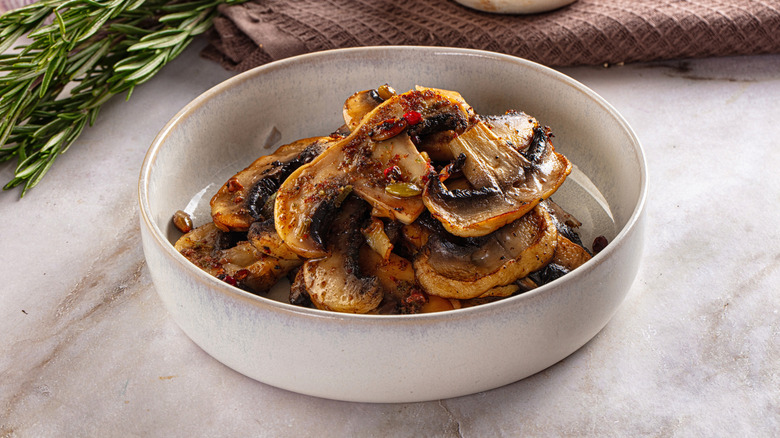
Green bean casserole is a fairly simple dish. You've got the beans, the creamy mushroom sauce, and crispy onions on top. There's not a whole lot to it, so you need to build flavor where you can. Which is why it's such a mistake not to brown the mushrooms properly. It means you're missing out on big umami flavor. Cooking them well also improves the texture of the casserole.
"A proper, long sauté develops additional flavor and cooks out extra liquid that can make your casserole soggy," Erin Clarke explains. "Give them plenty of room in the pan, leave them alone until they pick up color, and keep cooking until the released liquid cooks away," she advises. First, you're making sure that all the extra liquid cooks off so you don't end up with a watery casserole. Then, you're using the Maillard reaction to your advantage to make it taste richer and more nuanced.
"Mushrooms that are deeply browned instead of merely softened give the sauce a deep, savory flavor that makes the casserole memorable," Clarke tells us. Mushrooms have deep umami notes to them when cooked the right way, which can help balance out the creamy sauce and the freshness of the beans.
Underseasoning green bean casserole
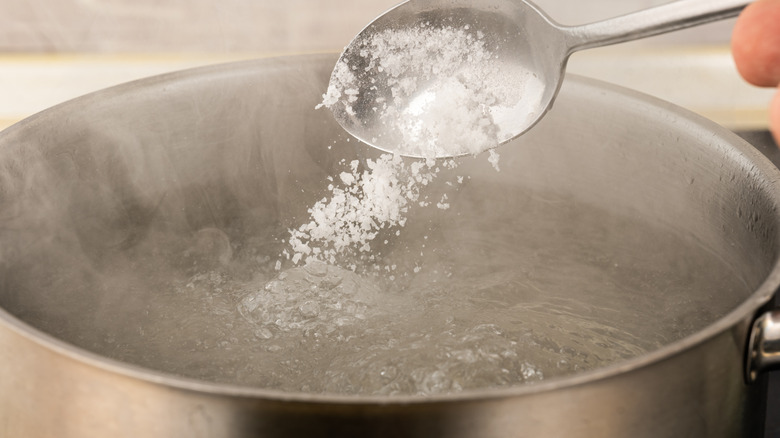
Sometimes green bean casserole can end up bland. It's not offensively bad or inedible, it's just a bit ... meh. The mistake to avoid here is underseasoning. A lot of people are worried about their salt intake, but sodium is an essential nutrient, and nobody's asking you to overdo it, just don't be shy with the seasoning.
It all begins as soon as you start cooking the beans. "Salt the green bean blanching water the way you would for pasta," suggests Erin Clarke. It won't absorb all the salt that you put in the water, but it means that you'll draw some seasoning inside the beans themselves, so they're seasoned right the way through, not just on the outside. "Taste the sauce before it goes onto the beans to make sure it's seasoned nicely," Clarke adds. If the beans are seasoned and the sauce is seasoned, you've got a winning combo.
Of course, it's not just about salt. There are all kinds of herbs and spices you could potentially use in your casserole. "Green beans love bold seasoning but you don't want to go overboard, especially if you're feeding a crowd," says Angela Latimer. "A splash of soy sauce or Worcestershire, a pinch of nutmeg, and an extra turn of freshly grated black pepper is all that's needed in addition to your recipe's ingredients," she remarks. So, do season but keep it relatively simple.
Failing to control the moisture content
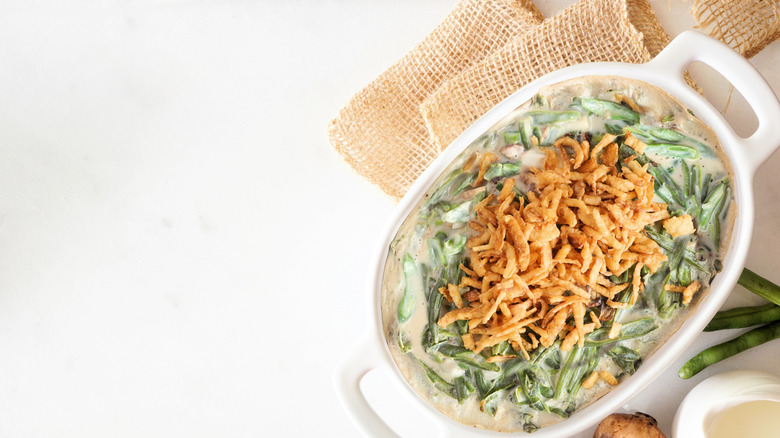
A common complaint with green bean casserole is that it turns out watery, rather than richly creamy. This can be caused by excess liquid diluting the sauce. So, it's important to control the moisture content in the dish. Failing to do so is a frequent error, but one that's easy to avoid once you understand the problem.
"Blanched green beans release their extra moisture which will prevent a watery cream sauce," explains Angela Latimer. Or, if using canned green beans, let them sit in a colander or sieve for a few minutes so that all the liquid drains away. Frozen green beans should be properly thawed before using.
But, the beans aren't the only place where you need to control the liquid in the dish. "If adding fresh mushrooms, they need to be completely sautéed as they also release a lot of moisture," Latimer notes. Plus it has the added bonus of creating better flavor.
You also need to check the sauce consistency before baking. "If you've done the above steps and the sauce is runny, it will be runny once baked," says Latimer. "The cream sauce should cling to your spoon and hold your casserole mixture together," she advises. You can use cornstarch to help thicken the sauce if needed.
Using low fat dairy products
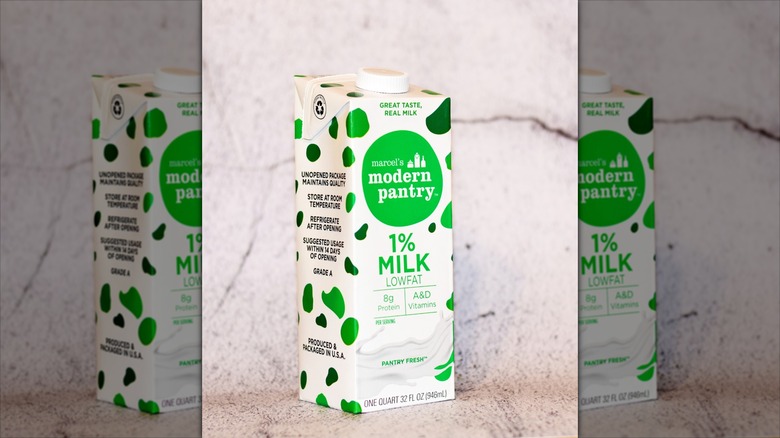
If you're someone who usually uses low fat dairy products, that's a habit you should skip when making green bean casserole. This is meant to be a celebratory holiday dish, so there's no need to skimp on the fat content. Use whole milk where recipes call for milk and don't be worried about using cream where called for. This will taste better and give you the correct texture.
"This is a dish where you don't want to use low-fat, non-fat, or other oat or nut milk products as they don't handle the high heat of baking as well," says Angela Latimer. Using these low-fat products means "the sauce is more prone to breaking, curdling, or resulting in a watery casserole," she explains.
If you're looking to make a dairy free green bean casserole, soy milk is the best dairy-free choice. When you compare soy milk and almond milk (or other non-dairy milks, like oat or rice), soy milk is higher in fat and protein, which gives you results more similar to full-fat dairy milk.
Overbaking green bean casserole
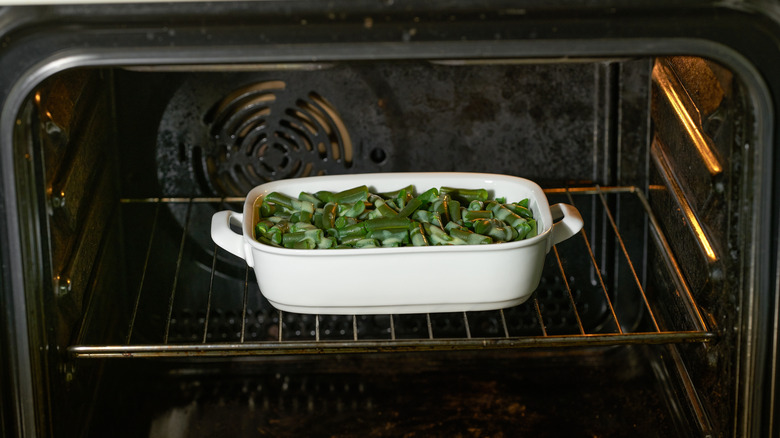
Even though the components of green bean casserole — the beans and the sauce — are already cooked, there's a reason why they still need to go in the oven. This is where the flavors meld and the dish goes from green beans in mushroom sauce to being a full-blown casserole. But, there's such a thing as too long in the oven, and overbaking is a common mistake to avoid.
When you're cooking a holiday meal, it's easy to lose track of time and end up overcooking your green bean casserole. There's the obvious kind of overbaking, where it comes out of the oven visibly burned, but it can also be more subtle than that. "If you leave your green bean casserole in the oven for too long, you could end up with dull flavors and a soggy texture," notes Joanne Gallagher "After combining the sauce and blanched green beans in a casserole dish, bake for 20 to 25 minutes, or until the sauce is bubbling around the green beans," she advises.
A small amount of browning can add to the flavor, but burned parts are just unpleasant. Make sure to use a timer to keep track of the various dishes you might have in your oven when cooking a holiday feast.
Adding crispy onions too soon
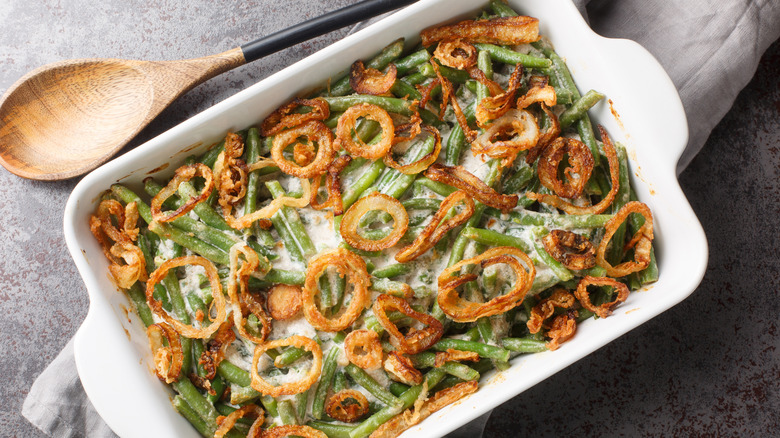
Crispy onions are the crowning glory of green bean casserole. They taste great and they add some much needed crunch to a dish that can be fairly soft in texture. So, when they end up turning soggy, it's a disappointment. Adding crispy onions too soon is the mistake that leads to this travesty. It's vital to get the timing right.
"Adding the onions too early is a common mistake, as they can become soggy fairly quickly," says Erin Clarke. According to Joanne Gallagher, you should add them right before serving. "I let the casserole rest for 5 to 10 minutes after baking, then top it with plenty of crispy onions or shallots when I'm ready to serve," she tells us. "Adding them too soon can cause the shallots to steam and turn soggy," Gallagher remarks.
But, not everyone agrees on exactly when to add the onions. Clarke adds them right before baking to give them an extra crisp in the oven. Though, this can run the risk of them turning soggy from the sauce or browning too much on top. Both agree that extra crispy onions never go amiss, though. "I also like to set extra on the side for people to add even more to their serving," Clarke says. Gallagher recommends keeping some aside to add after reheating leftovers.
Trying to make everything on the day

The original Campbell's soup can version of green bean casserole was meant to be easy. But, if you want to upgrade your green bean casserole by using fresh beans and making the sauce from scratch, it takes far longer. You don't have to do everything on the day, however. In fact, it can be a mistake to attempt making it all in one go when you have other dishes to make as part of a holiday spread.
"I like to blanch the green beans, make the mushroom sauce, and assemble the casserole up to 3 days in advance, then cover and refrigerate it," says Joanne Gallagher. "When I'm ready to serve, I slide the casserole into a 350-degree oven and bake it for 15 to 20 minutes, adding the crispy shallots once the casserole is warm," she notes. Making various components in advance or making the whole lot and assembling it means you'll free up time on the day you want to cook it.
However, if you do decide to assemble the whole dish in advance, Angela Latimer advises against cooking it straight from the fridge. "This results in cooked (or burnt) edges but a cold center," she explains. "Allow the casserole to sit out at room temperature for 30 minutes to take the chill off, or bake covered with foil for an extra 10 to 15 minutes."
Not knowing where to put in the effort and where to save time
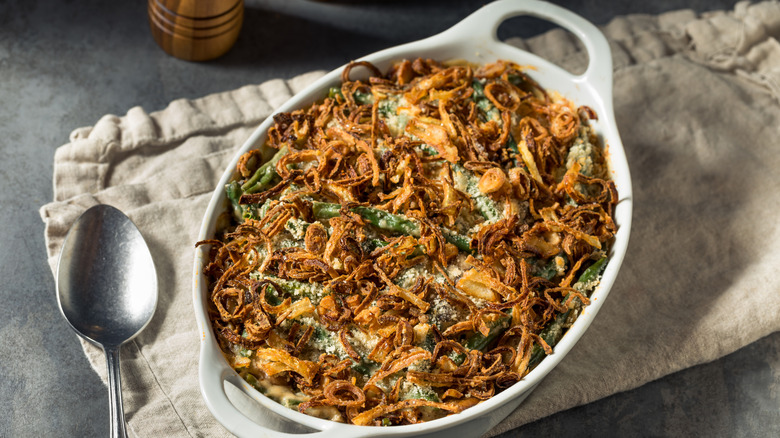
Green bean casserole can be as elaborate or as simple as you want it to be. It's important to figure out which changes will greatly improve it, and which aren't worth the extra time they take. "The homemade mushroom sauce is where the effort pays off," Joanne Gallagher remarks, noting that it's so much better than canned soup. She also believes that using fresh beans is worthwhile. In fact, all the experts I spoke with agreed that making the sauce from scratch and using fresh green beans pays off in terms of effort versus how much it improves the dish. "I'm convinced anyone who doesn't like green bean casserole has only had it with canned ingredients," says Erin Clarke.
However, our experts are also in consensus about the fact that store-bought crispy onions will do the trick almost as well as homemade, and the effort it takes to make them isn't necessarily worth the payoff. "Homemade fried shallots are my favorite, but store-bought crispy onions (like French's) work too," says Gallagher, while Clarke notes that it's a messy job that she's happy to avoid.
"I love to make every bit of my dishes homemade but I'll opt for store bought french fried onions 9 times out of 10," says Angela Latimer. "Mix some panko, parmesan, and butter into your onions to elevate the topping in seconds rather than spending time frying onions," she suggests.