

11 Mistakes You're Making With Homemade Garlic Bread
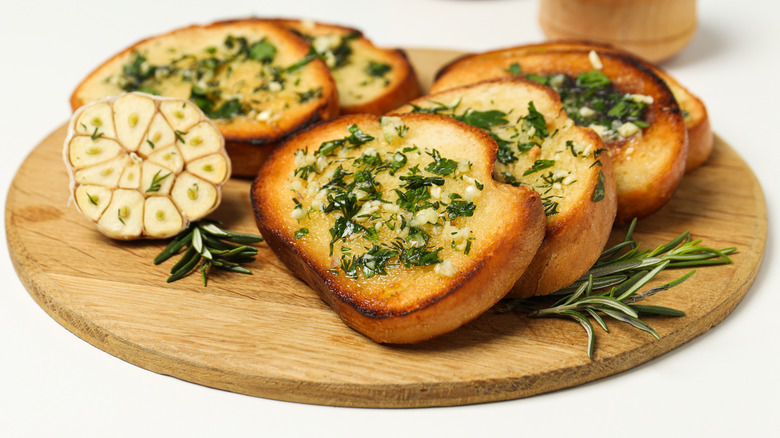
Garlic bread is one of those foods that is indescribably delicious when it's done right, but is often lackluster. Though there are ways to upgrade store-bought garlic bread, nothing is quite like the homemade stuff — when you get it right, that is. Home cooks often make mistakes with garlic bread made from scratch that can leave it underwhelming.
The thing to remember about garlic bread is that it's simple. You've got three main ingredients: bread, butter, and garlic, plus those extra herbs and seasonings that elevate the flavor. So, you need to think about the quality of each one. If you use a loaf of cheap sliced white, you're never going to make amazing garlic bread. But, there are more nuances to getting it right than most people think, and we're about to dig into them and find out where folks often go wrong and what to do instead.
Buying a disappointing package of garlic bread from the store is bad enough, but when you've put time and effort in and it still doesn't taste great, that's a real disappointment. Luckily, you're in the right place to learn how to turn it all around. Once you know the mistakes you're making with homemade garlic bread, you'll be able to get it right every time. Never again will you be cursed with a dry or flavorless slice.
1. Not experimenting with bread varieties
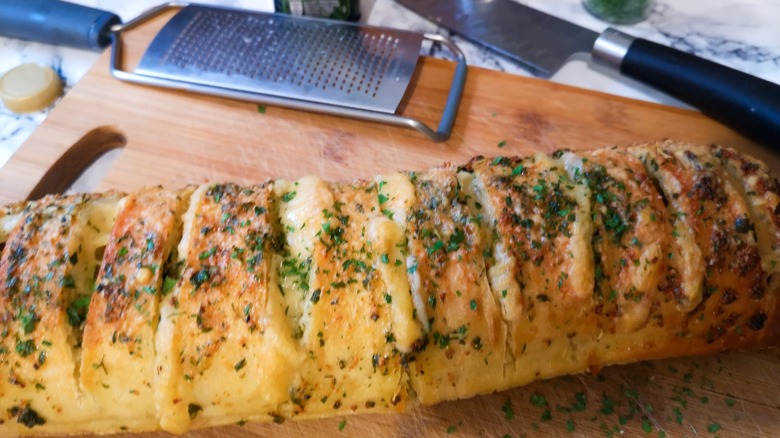
This world contains so many types of bread, so if you're only ever using the same one or two options for your garlic bread, you're making a mistake. Sure, some varieties work better than others, but there are still plenty of great choices. There's no single right or wrong answer when it comes to choosing your bread; it really depends on your preferences and what kind of vibe you're going for.
Baguettes and Italian bread are two of the most obvious options. You can buy them quite cheaply in most grocery stores and even the mediocre ones taste pretty good once you smother them in garlic butter. Some people prefer the thinner crust of Italian bread over baguettes because it doesn't get as hard after being baked in the oven.
But, there are so many choices beyond this. The kind of bread used for Italian subs in a deli works nicely. Ciabatta is a flavorful option, especially if baking it as a loaf, with cuts through most of it, leaving it in one piece at the base. When making individual slices of garlic bread, ciabatta's crumb can have excessively large holes in it, which means the butter just drips through. For this reason, focaccia is potentially a better option.
If you like a sweet-savory combo, brioche can be transformed into delicious garlic bread, as can challah. Essentially, if it has a relatively closed crumb and the capacity to absorb liquid, you can try turning it into garlic bread. It never hurts to experiment.
2. Always using store-bought bread
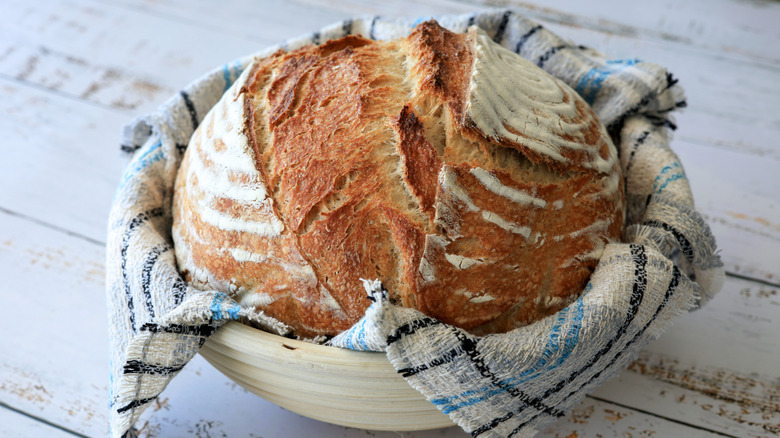
The beauty of garlic bread is that it elevates simple ingredients. You can take a $2 loaf of bread and make it way more delicious than it was before you covered it with butter and garlic. But some people make the mistake of assuming that this means that cheap bread is the best option. If you think garlic bread is good made with a basic, fairly flavorless loaf, just imagine how incredible it tastes made with top-notch bread.
One of the reasons why restaurant garlic bread tastes better than homemade is that chefs sometimes make the bread from scratch. If you're an experienced bread baker, you could tailor the loaves you make to perfectly suit the type of garlic bread you want to make. You could bake a perfectly thin-crusted Italian loaf or a baguette that's robust but not so dense that it won't absorb the topping properly. Or, perhaps, you could make focaccia that's thicker than average so it's a better size and shape for garlic bread.
You have the option to make anything that you can dream up, whether made with commercial yeast or sourdough starter. There's even the option to incorporate the garlic butter before baking to make a different kind of garlic bread. Of course, not everyone has the time, skills, or inclination to bake their own loaves, and that's fine. Sourcing a quality loaf from a bakery will also give you a better quality of garlic bread. There are plenty of suitable options at most bakeries, from fluffy French bread to robust sourdough loaves.
3. Using one kind of fat for garlic bread
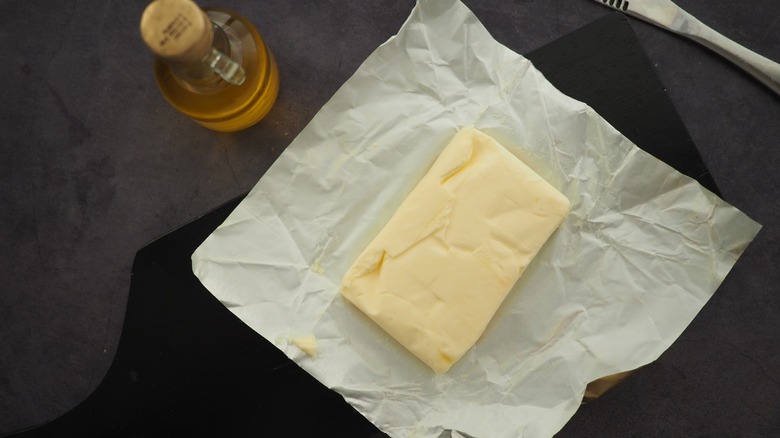
In order to make garlic bread, you need bread, garlic, and some kind of fat (plus seasonings). Usually, people's fat of choice is butter. It's solid and spreadable and found in most fridges, so it's the obvious choice. However, it can be a mistake to use butter alone. It's not inherently wrong, but you can get excellent results by combining fats.
The Italian way to make garlic bread is to use olive oil instead of butter. This is delicious in its own way, with the complex fruity or peppery notes of the oil coming through. But, when you use olive oil alone, some people miss the richness and creaminess of the butter. Plus, depending on how you choose to make your garlic bread, using oil alone can be trickier and messier. Because it's liquid, you can't spread it onto the bread the same way you can butter and this can leave you with more on the baking sheet than on the bread.
The tasty solution is to use a combination of olive oil and butter. The olive oil brings extra flavor without totally losing the buttery richness. Plus, when you combine solid butter with oil, it still has a spreadable consistency, rather than being totally liquid. But, you can't just use any olive oil. At the very least, it should be extra-virgin olive oil, but spending more money on a higher quality EVOO makes a huge difference to the flavor.
4. Failing to consider the quality of the butter
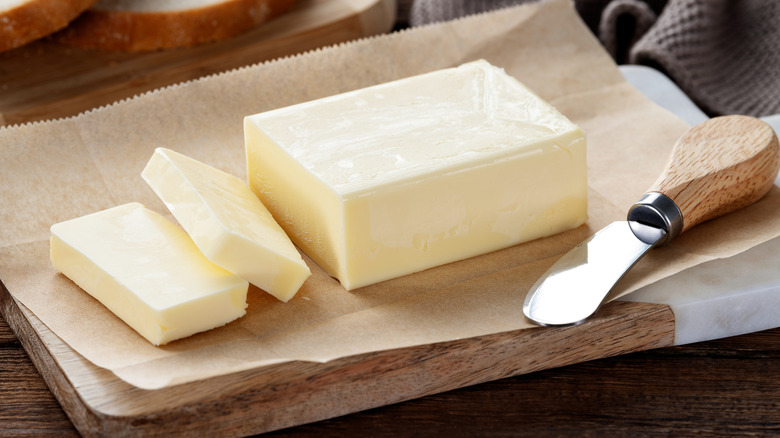
We've talked about olive oil quality, but the quality of the butter also makes a big difference. It brings a lot of flavor to homemade garlic bread, so if you use the cheapest butter at the store, you're not going to get the best flavor. It's one of those ingredients where there truly is a huge difference between the cheap and pricier options, so it's worth splurging on, especially for simple recipes where it plays a big role.
As many home cooks know, American butter isn't the same as European butter. The stuff typically produced in the U.S. has a lower fat content and, generally, a milder flavor. European butter, on the other hand, is richer in butterfat and is made to have a stronger, almost grassier flavor. Luckily, it's easy enough to get your hands on European butter, such as Kerrygold, these days, even in a standard supermarket. Plus, American manufacturers are beginning to produce European-style butters more frequently.
Real butter will give you the most flavor here, so skip the margarine unless you're vegan or dairy-intolerant. In this case, find the highest quality non-dairy butter that you can. Wildbrine makes a European-style butter alternative that's full of flavor, while Flora plant-based butter has an amazingly buttery taste. When using non-dairy butter, you may choose to use more extra-virgin olive oil to give your garlic bread extra flavor.
5. Making garlic bread with garlic powder
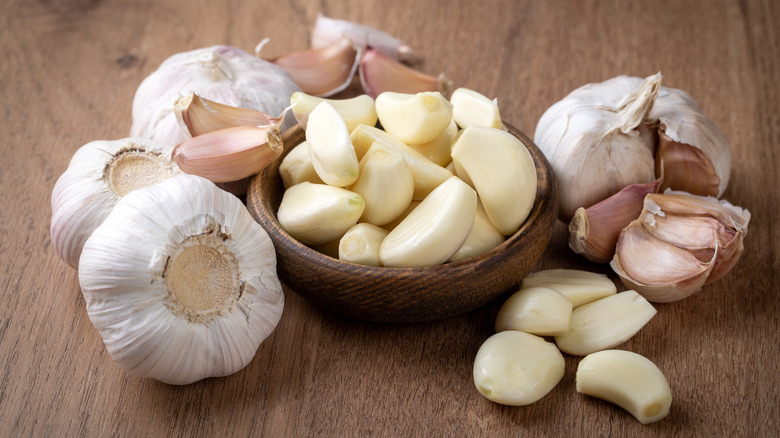
If you're used to making garlic bread with garlic powder, you're not getting the tastiest results that you could be. Yes, it's convenient. Yes, it's quick. And, if you're looking to make the simplest homemade garlic bread that you can, go for it. But, if you're trying to make the best, then you need to reach for the fresh garlic.
Granulated garlic or garlic powder just don't have the depth of flavor and the nuance of fresh garlic. It's also quite pungent, so it's easy to overdo it. Of course, you want plenty of garlic flavor in garlic bread, but lots of the powdered stuff hits differently. You'll end up with something that tastes like it came out of a packet. And not in a good way.
Minced or finely grated fresh garlic works well for homemade garlic bread. You get a richer, more complex flavor with little extra effort. And, while the garlic butter mixture might be pungent before cooking, it mellows out in the oven. However, if you find using raw garlic gives you harsher results than you want, or if you simply want a sweet, mellow flavor, you can also use roasted garlic. You'll need to roast at least a whole bulb, if not two, since roasted garlic loses its punch, but gains caramelized sweetness. Once cooled, you can squeeze the softened garlic from each clove, mash it, and mix it with butter and oil.
6. Not using enough garlic
One surefire way to make disappointing garlic bread is not using enough garlic. If your main problem with your homemade version is that it's bland or lacking the punchy flavor that you want it to have, you might just need to up your game. The right amount of garlic is subjective, of course, but using more will boost the flavor (even if it does give you serious garlic breath).
A lot of recipes call for a couple of cloves of garlic per stick of butter but, for many people, that's just not going to cut it. We've come across recipes that use a whole head of garlic for each stick of butter. In these recipes, some of the garlic is left raw, while the rest is lightly cooked in butter, then cooled.
We're not saying that this is the right or wrong way to do it, but it certainly won't leave you with bland garlic bread. We'd recommend making it super garlicky at least once. Then you can gauge whether that's too much and you need to tone it down or if you've found yourself in garlic heaven. You might be surprised at how much garlic you can add before it starts to be too much.
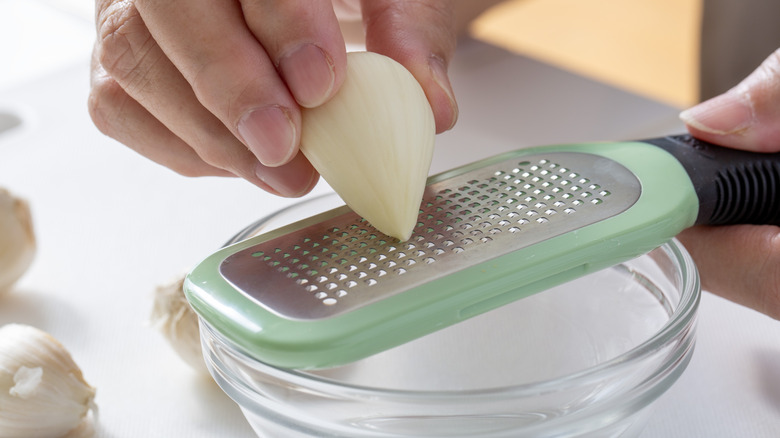
How you prep your garlic matters, too. If you slice it, you don't get as much surface area as you do when it's minced or grated with a Microplane style grater. In turn, the garlic flavor is less pronounced. Garlic bread usually calls for minced or grated garlic for maximum flavor.
7. Skipping spicy ingredients
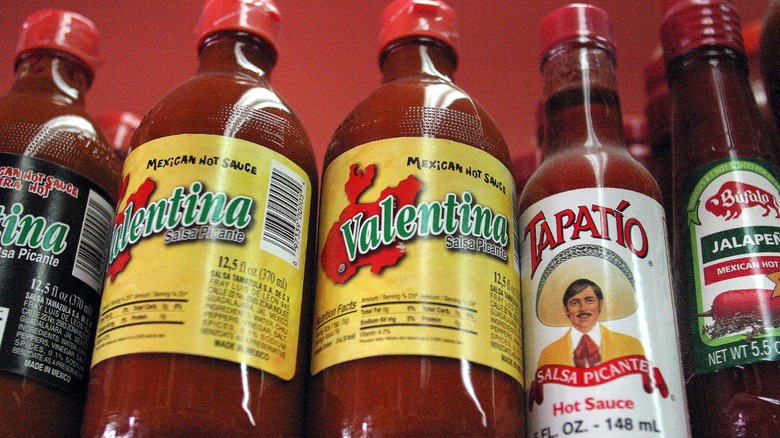
You might not think of garlic bread and spiciness going hand-in-hand. However, this isn't always the case. Adding a little heat to the mix can give you excellent results. It won't be a classic garlic bread, but sometimes a twist on the original is what you need.
Guy Fieri's secret to great-tasting garlic bread is a fiery one. He adds hot sauce to taste, which brings an extra dimension to the dish. If you want to add a little spice to your recipe, any hot sauce will do. Whether you like yours garlicky and flavorful or just all mouth-numbing heat, it's up to you. Plus, you can add as much or as little as you like, making it anywhere from slightly warm to super spicy.
Of course, hot sauce isn't the only way to spice up your garlic bread. You could use fresh chilis. For instance, some recipes call for blending fresh chilis with garlic and butter before spreading it onto the bread. You can also use fragrant spices in these kinds of recipes, like coriander or cumin. It changes the vibe of the garlic bread significantly, but makes it no less tasty.
Other simple additions to spice up garlic bread include red pepper flakes, cayenne pepper, or chili crisp. You might even choose to add hot spice blends or pastes, such as chili powder or harissa.
8. Being stingy with the garlic butter mixture
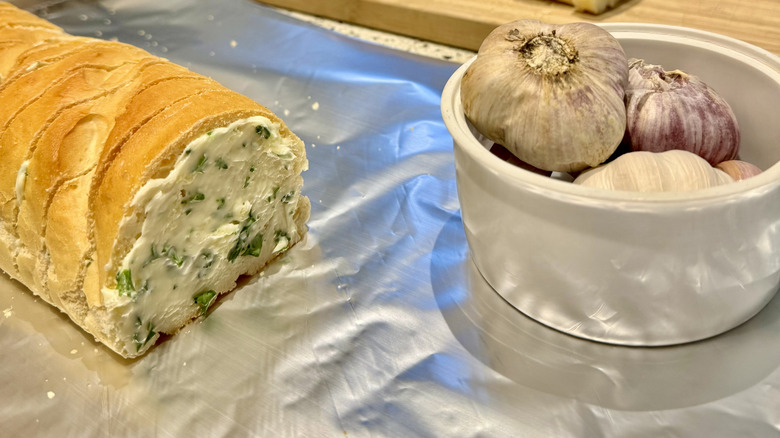
One of the ways that homemade garlic bread can be lackluster is when it's lacking in garlic butter. Making it yourself at home, the amount you need to use to get flavorful results can seem like a lot. But you shouldn't be stingy with the garlic butter, otherwise you might as well be eating plain bread.
Most recipes call for around a stick of butter per baguette or loaf of bread. But, loaves can vary widely in size, so that's not always enough. Rather than being entirely prescriptive, it's a good idea to adjust the recipe as needed. It doesn't hurt to double up the recipe when making garlic butter, so you have extra if you need it. If you don't use it all for the garlic bread, you can keep it in your fridge to use for other meals. There's no shortage of delicious ways to get rid of leftovers. Make sure that each cut piece of bread has a generous layer of garlic butter on it before cooking. This is more important than following a recipe precisely.
And, you can also get creative about how you butter your bread. The hack that will take your garlic bread to the next level is to butter it on every side. Cut your bread of choice into cuboids and slather that garlic butter on all six sides before baking it. With this approach, you'll never have to worry about getting dry or flavorless slices again.
9. Skipping the herbs on your garlic bread
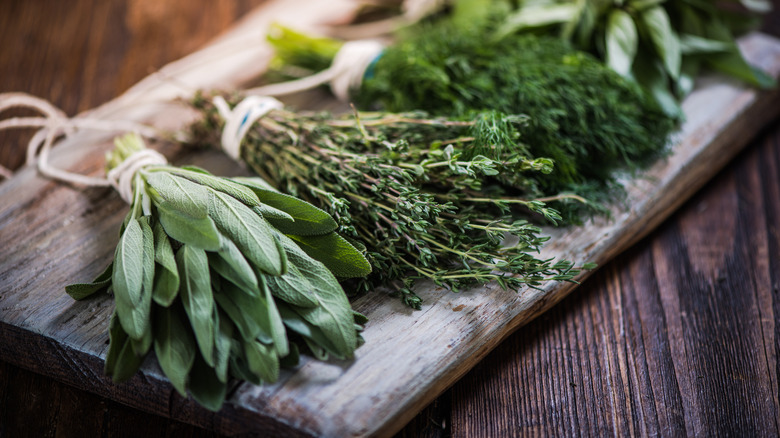
Up until now, we've focused on the key ingredients: the bread, fat, and garlic. But, there is more to it than that. One mistake people often make is forgetting about the herbs on their garlic bread. They may play second fiddle to garlic, but they're still important for bringing everything together. Without herbs, garlic bread can end up a little one-note.
Flat leaf parsley is often the herb of choice for garlic bread. The fresh stuff is best, as it has a more complex flavor than dried parsley. Plus, because there isn't a lot of liquid to rehydrate them, dried herbs can bring an unpleasant texture. But, you shouldn't limit yourself. There are a range of herbs that go nicely with garlic bread. Oregano and basil work well for an Italian feel. Thyme is tasty, but should be used sparingly so it doesn't overwhelm. Rosemary goes brilliantly with garlic. And, even something like dill isn't classic but could work nicely if you want to mix things up a bit.
You just need a handful of finely chopped fresh herbs for each stick of butter. It's a forgiving dish, so you don't have to be extremely precise. It's also about personal preference. Some people like extremely herby garlic bread, whereas others prefer the herbs to fade into the background and complement the garlic without the risk of outshining it.
10. Avoiding putting cheese on garlic bread
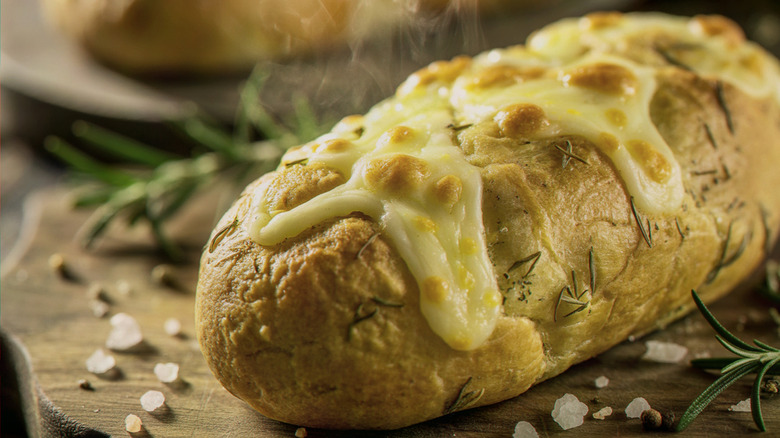
Garlic bread doesn't necessarily need cheese on it every time. Sometimes you want the simplicity of garlic and butter shining through. But, if you're avoiding cheese on garlic bread altogether, that's a mistake in its own right.
Some garlic bread recipes throw a little Parmesan or other hard cheese in the mix. This doesn't necessarily make the finished dish super cheesy, it just adds some umami richness and a little stretch, while keeping it otherwise quite classic. Other recipes really lean into the cheesiness. For instance, our cheesy ciabatta garlic bread recipe uses generous quantities of both Parmesan and mozzarella, covering the top of each slice to make it melty, gooey, and cheese forward.
The great thing about adding cheese is that the varieties you use can change the vibe significantly, so you have countless options to try out depending on your mood and preferences. For instance, you could make a grown-up cheesy garlic bread with something like Stilton or Camembert. Or you might like the sweet, nutty notes of Swiss cheese or Edam. You can even keep things dairy-free with one of many commercially available vegan cheeses, or your own homemade cashew cheese.
11. Baking it too much or not enough
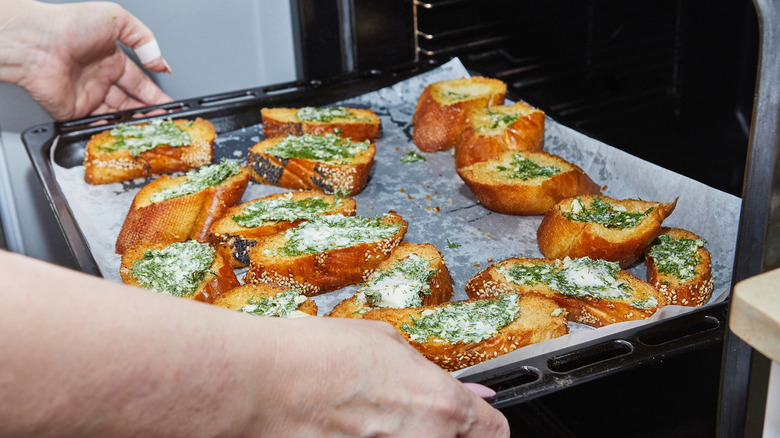
You can get everything else right with your homemade garlic bread, but you can still fall down at the last hurdle by overbaking or underbaking it. When you overbake garlic bread, it ends up excessively crunchy (or burned, if you really overdo it). But if you don't bake it long enough, the bread ends up floppy and soggy, the butter might not melt and distribute evenly, and raw garlic tastes harsh and underdone.
So, how long should you bake garlic bread? The exact amount of time it takes depends on the bread, oven temperature, and how you like it, but around the 10 to 15 minute mark is about right in a 400 degrees Fahrenheit oven. If you like your bread on the paler and less crisp side, around 10 minutes should do it, while you'll need closer to 15 minutes for something well browned and crunchy.
If you're not sure how long to bake it for, err on the side of caution, checking early and often. Peek in on it after 10 minutes and see whether it's cooked to your liking. If not, check back every minute until you're happy. At this stage, it can quickly go from one extreme to the other.