

10 Underrated White Wines To Try In 2026
When popping open a bottle of wine for your after-work tipple, it's easy to opt for a popular international variety or an option from a well-known winery you typically enjoy. But, sticking with the same bottle you always enjoy means missing out on new flavors and discovering wines from around the world. And consumer trends agree.
Wine drinkers in 2026 are looking for quality, value, a great story behind the wine, and, of course, great taste. Consumers are also looking for lower alcohol options and selections from wineries that put sustainability at the forefront. Instead of the ordinary, they are seeking out options from emerging regions. They want wines that are similar to what they know, yet also offer something new and unique. Instead of sauvignon blanc and pinot grigio, wine drinkers are opting for albariño, chenin blanc, and assyrtiko.
As these varieties grow in popularity, the interest in their origins and what makes them unique is also growing. While sommeliers and wine merchants may know these varieties and producers well, consumers may find these selections to be underrated, as they are not lining the shelves of local grocery stores. Still, each option in this feature over-delivers on taste, quality, and well-defined character, sharing the story of where it is produced in every bottle.
Methodology
When considering the underrated wines to enjoy in 2026, I drew upon my experience traveling to wineries, walking vineyards, and tasting wines in their places of origin in my work as a wine writer, Certified Sommelier, Certified Specialist of Wine, and Spanish Wine Scholar. I have spent the past 20 years in the industry, traveling to well-known and up-and-coming regions.
Each of the wines included in this feature displays a sense of place, showcasing the region's terroir while delivering delicious flavor. While these underrated wines may have difficult-to-pronounce names or come from places still unknown, my goal through this feature is to put them on your radar for the next time you are shopping for wine.
1. Marqués de Murrieta Capellanía White Reserva
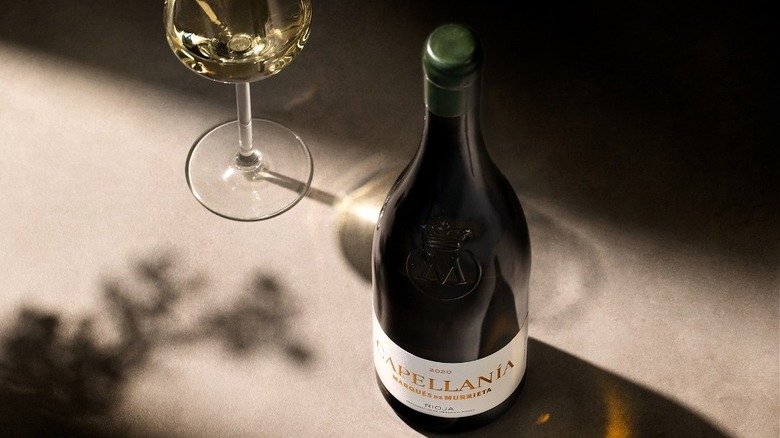
Spain's Rioja region is known for its tempranillo-based red wines. However, producers are showcasing white varieties in their refined, age-worthy options. The historic Marqués de Murrieta estate displays finessed, long-lived elegance in its Capellanía White Reserva from the viura variety. From the small, 14.5 acre, high-altitude Capellanía vineyard within Rioja Alta, the sub-region that sits at the highest elevations, the winery crafts its engaging white wine from 70-year-old, low-yielding vines growing in mineral-rich calcareous soils. Hand selected viura fruit is hand-harvested at optimal ripeness.
The grapes ferment at a controlled low temperature, ensuring the delicate flavors and overall freshness stays intact. Aging occurs for 23 months in 225-liter new French oak barrels and 13 months in concrete vats. This adds texture and tannin to the wine, lending creaminess, spice, and vanilla notes, while allowing the overall flavors to come together and create a luscious, multidimensional wine. Layers of white peach, nectarine, and honey meld with creamy hazelnut, chalky minerals, and wild herbs. With a full body and 14% alcohol, the wine is easy to enjoy with rich dishes, such as maiale al latte, milk-braised pork, or decadent lobster mashed potatoes.
Melding power with grace, Capellanía is a white wine that red wine lovers will enjoy. It has richness, texture, complexity, and ready-to-be-noticed character. Using French techniques learned in Bordeaux, Marqués de Murrieta was the first to produce modern-day Rioja wine in 1852, the year it was established. It is known for the quality of its wines, which honor tradition while embracing modernity.
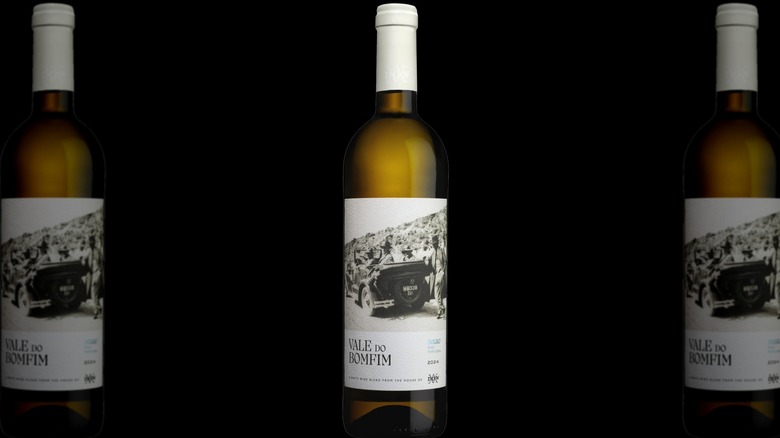
2. Dow's Vale do Bomfim Branco
If you are seeking unique and emerging white grape varieties that express their terroir and offer exceptional flavor in 2026, consider the white wines from the Douro region of Portugal. While the Douro is renowned for its exceptional fortified Port wine crafted from a robust blend of native red varieties, the area is also gaining broad recognition for the quality of its non-fortified, dry red and white wines.
Symington Family Estates is a leading producer in the region and a champion of sustainable viticulture and winery practices. The portfolio features some of the Douro's most esteemed finest Port wine houses, including Graham's, Warre's, Cockburn's, and Dow's, with terraced vineyards overlooking the Douro River throughout the region. The Symingtons produce their white wine blend, Vale do Bomfim Branco, under the Dow's portfolio, using high elevation fruit grown in the family's Quinta do Bomfim and Quinta da Senhora da Ribeira vineyards. These are the same vineyards that are the source of Dow's acclaimed vintage Port wines.
The blend includes 30% viosinho, 30% rabigato, 20% gouveio, and 20% arinto. While these native varieties may be unfamiliar and difficult to pronounce, they produce delicious, thirst-quenching white wine. Vale do Bomfim Branco layers tropical pineapple, ripe apricot, golden citrus, soft herbs, and crushed stone, supported by a mineral-driven backbone. With 12.5% alcohol, the palatable wine pairs well with roasted white meat, such as Ina Garten's perfect roasted chicken.
3. Cantina Tramin Gewürztraminer
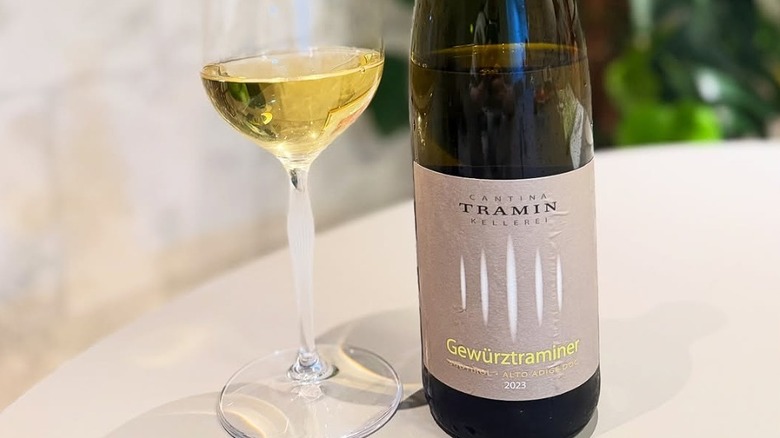
If you want to enjoy a wine that tastes distinctly of the grapes straight off the vine, try gewürztraminer. The pink-skinned grape's flesh has sweet flavors of lychee, lilikoi, honey, and ripe peaches, with highly aromatic floral notes reminiscent of fresh roses. The taste and aroma of the just-off-the-vine fruit translate almost directly into the wine's flavor.
Italy's Cantina Tramin artfully displays the aromatic fruit's flavors in its signature wines. The cooperative of 160 families farms vineyards that lie in the rolling hillsides of Trentino-Alto Adige, between the foothills of the Italian Alps and Lake Garda. Warm breezes off the lake meld with the cooling mountain air to create a mixed microclimate that combines Alpine with Mediterranean, creating ripe fruit that has freshness, even with this low-acid variety.
Gewürztraminer has been a regional star for over 1,000 years, with Tramin displaying the fruit's exquisite richness, character, and charm in its signature wines. From high-elevation vineyards with limestone-rich calcareous clay and gravel soils, Cantina Tramin's Gewürztraminer shows the variety's classic tropical fruit notes of lychee, starfruit, and peach, along with spiced candied ginger and a touch of lemongrass.
The wine ferments and ages in stainless-steel tanks, helping maintain its freshness. Its sister selections are among the highest-rated in Italy. The fruit-forward wine pairs well with white fish and white meat dishes, such as grilled halibut with a sweet and savory mango chutney or saucy apricot glazed chicken.
4. Gai'a Assyrtiko Wild Ferment
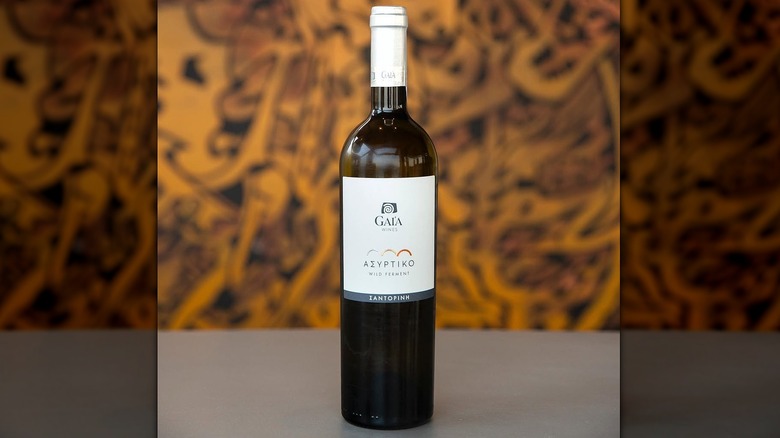
The Grecian island of Santorini is home to assyrtiko, a steely, lean, mineral, and citrus-driven wine that thrives in the well-draining volcanic soils. Producers crafting wine from the high-elevation vineyards that rise up from the sea must wrap the grapevines around themselves, forming wreath-like baskets of vines. Known as a kouloura, these protect the grapes from the harsh winds that blow across the island during flowering and the excessive sunlight beating down on vines throughout the long summer growing season. Producers typically vinify the wine without using oak barrels or long aging, keeping the high-acid and often high-alcohol wines fresh, clean, and crisp.
Gai'a winery takes a different approach with its Gai'a Wild Ferment assyrtiko, creating a highly gastronomic wine with mouth-coating richness, balanced by the grape's natural acidity. Using 70-80-year-old low-yielding fruit from the distinguished Pyrgos vineyard, the grapes first sit at cool temperatures on the skins for 12 hours, during which time spontaneous wild yeast fermentation begins.
The fermentation occurs in stainless steel tanks, new French and American oak, and acacia barrels, with the winery embracing a hands-off approach to showcase the essence of the terroir. The resulting wine is complex and highly structured. Aromas of vanilla, oak, and citrus blossom lead to layers of lemon curd, ripe orchard fruits, toasted vanilla, and spice. Crushed stone minerality runs throughout the 13.5% alcohol wine, displaying the essence of of the Greek island in every sip.
5. Medly Italian White Wine
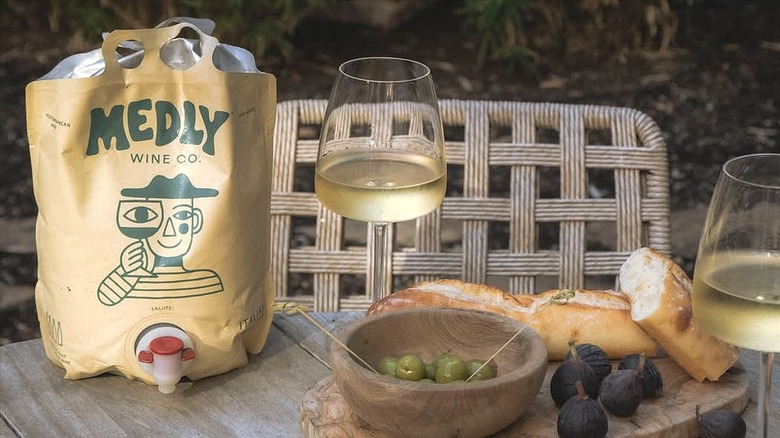
Bag-in-box wines offer great value, particularly for wine drinkers who only have a glass or two at night, since the packaging allows the wine to stay fresh longer than a typical bottle. According to manufacturers, the bag prevents the opened wine from oxidizing up to 45 days. While the packaging is convenient, the wine inside the bag tends to be an everyday selection without the quality that may be bottled in more traditional glass bottles that allow wine to age gracefully.
Medly is helping boxed wine overcome its negative stigma, changing the narrative with its organic large-format wines. Medly sells its Italian white wine in pouches that are the equivalent of four standard bottles, available in fully recyclable plastic pouches. The wine showcases the white grape inzolia, an ancient variety and one of the oldest cultivated in Sicily.
It shows fresh, lively acidity and citrus, soft herbs, and orchard fruit flavors with a slight nutty note on the finish. Inviting citrus aromas draw you in to enjoy a glass of this light-bodied 12% alcohol wine. Every aspect of Medly's wine production is sustainably-focused, using fruit from vineyards that practice sustainable, biodynamic, and organic methods. The company works without chemicals, additives, or non-organic ingredients in its winemaking. The inzolia vineyard's farmers are 6th-generation Sicilian vintners. Their non-interventionist approach follows organic methods and brings authenticity to the easy-to-drink wines.
6. Tangent Albariño
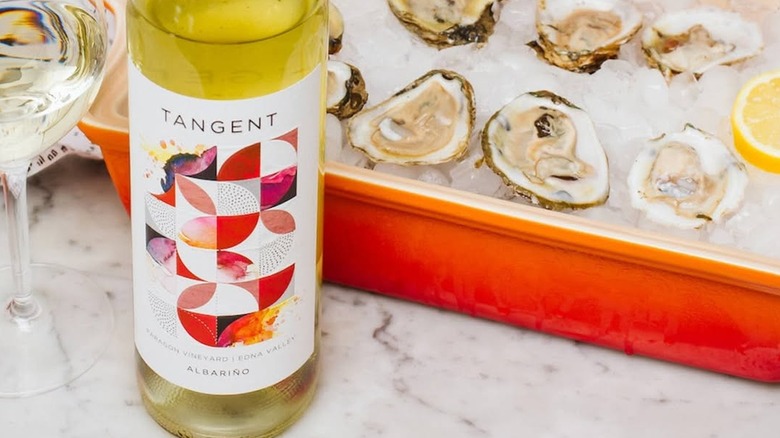
Albariño is a white grape variety from Rías Baixas within Galicia, Spain. It is an area in the northwest corner of the country that is heavily influenced by the Atlantic Ocean. Vineyards sit just off the ocean's edge, where warm days, cool nights, and constant coastal breezes bring in sea salt air.
With a similar microclimate to Rías Baixas, Edna Valley is home to seaside vineyards on the edge of the Pacific. The area is part of the SLO Coast region of the Central Coast of California near San Luis Obispo. Here, refrigerated sunshine creates a long, steady growing season, allowing fruit to ripen slowly. It is able to achieve phenolic complexity while maintaining fresh acidity. And, like the albariño wines from Rías Baixas, there is a touch of briny salinity thanks to the ocean influence.
Tangent showcases its coastal-influenced fruit in its refreshing albariño. Crafted from SIP Sustainability in Practice Certified grapes grown in the region's notable Davenport vineyard, the wine leaps from the glass with aromas of orange blossom, grapefruit, and ripe peaches. These aromas lead to juicy, fruit-forward, refreshing layers of ripe citrus and stone fruit, with a crisp mineral edge.
It is the kind of wine you can easily sip all summer while enjoying steamed clams, mussels in white wine sauce, or grilled white fish. California winemaker Rob Takigawa crafts the 13.5% alcohol Tangent wine, and is one of the few Asian American winemakers in the industry.
7. Domäne Wachau Grüner Veltliner Federspiel RIED Liebenberg
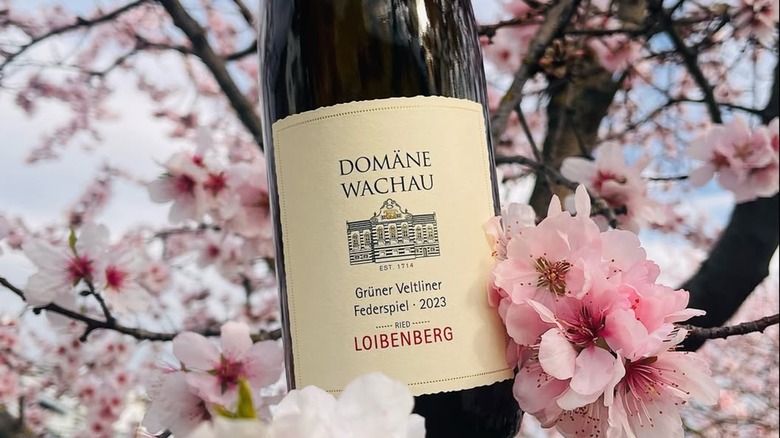
With steep vineyards rising from the banks of Austria's Danube River, Domäne Wachau crafts its premium single-vineyard grüner veltliner white wine. The Liebenberg vineyard sits at a dramatic 81% slope, requiring hand harvesting. The mineral-rich soils blanket the vineyard, lending a slightly briny, crushed stone, mineral-forward character to the crisp, zesty wine.
The wine ages briefly on the spent yeast strains, known as lees, in stainless steel tanks. Using tanks instead of oak barrels ensures the wine's freshness is at the forefront, without being masked by the toasty, spice-filled characteristics barrel aging can lend. The Federspiel designation is a classification of the weight and texture, signifying the dry white wine will have a medium body and alcohol of 11.5% to 12.5%. Domäne Wachau's bottle has 12.5% alcohol.
Aging on the lees enhances the wine's weight, bringing richness to the fresh, fruity texture. The selection opens with aromas of ripe peaches, apricots, and golden apples. These aromas lead to a palate filled with orchard and stone fruit, lime pith, white pepper, and stone. The clean, fresh palate has a touch of salinity and a peppery character that pairs well with poached or grilled white-fish dishes, such as a spiced Moroccan-inspired whole-roasted branzino.
The winery is nestled in Northern Austria's Wachau region, a UNESCO World Heritage Site due to the significance of its cultural landscape. Sustainability is a focus within the winery and vineyards, with organic practices growing in both.
8. Winery at La Grange Petit Manseng
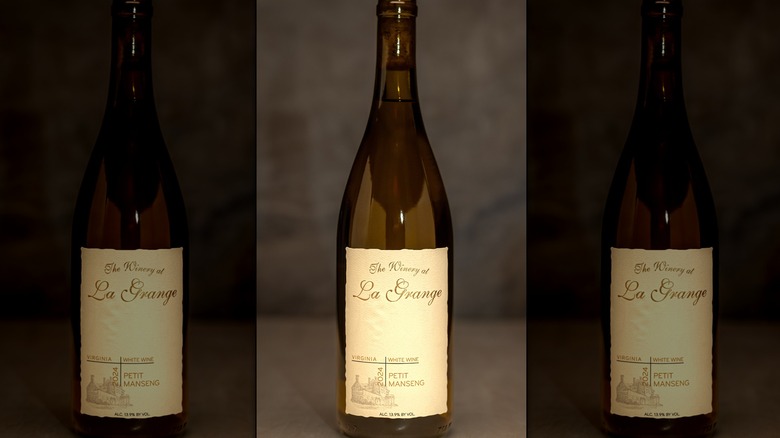
The petit manseng variety is best known for a sweet style of wine that originates in Southern France. However, wineries in Virginia are quickly proving that the typically off-dry wine is delicious when vinified dry. The low-yielding, high-acid variety has found a home in Virginia, with wineries crafting aromatic, tropical fruit-filled wines from the small-berried grapes.
From 100% estate-grown fruit, the Winery at La Grange displays lush elegance with its petit manseng wine. The winery ferments and ages the selection in French oak, softening the natural acidity while enhancing the creamy texture and structure of the wine, lending toasty, warm spice notes and a touch of vanilla cream to the flavor profile. These characteristics mingle with tropical fruit flavors of pineapple and candied mango, with touches of brioche and white flowers.
With 13.5% alcohol, the full-bodied wine pairs deliciously with slow-cooked duck confit or seared scallops in a chile and garlic butter sauce. The touch of spice in the sauce will cut through some of the unctuousness, while the wine's natural acidity balances the richness of both dishes. Located in Prince William County in the northern part of the state, the Winery at La Grange opened to the public in 2006. The history of viticulture and wine production in the county dates back to the 1800s.
9. Marchesi Frescobaldi Gorgona Bianco Costa Toscana IGT
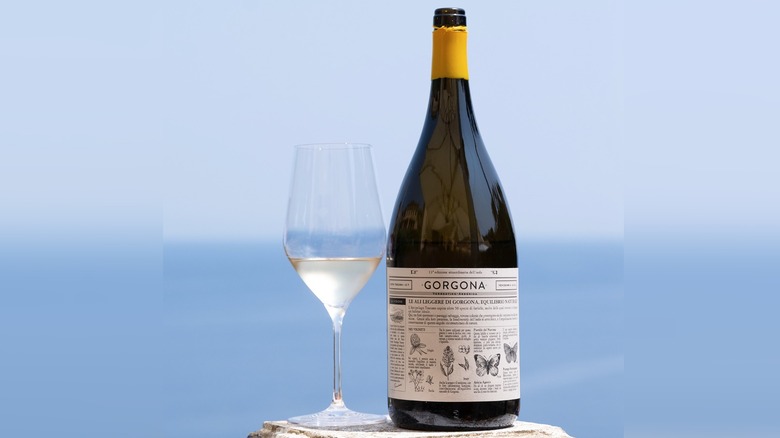
Marchesi Frescobaldi is a historic Italian producer crafting expressive wines from vineyards across Tuscany. While displaying the diversity of the terroir through the wines is always at the forefront of fine wine production, the producer is doing more than just revealing the layered characteristics of the region with its Marchesi Frescobaldi Gorgona Bianco Costa Toscana IGT.
Frescobaldi gives hope through education and training with every bottle. In 2012, Frescobaldi began the Gorgona Project, a working relationship with Gorgona, the northernmost island in the Tuscan Archipelago, teaching the inmates of the Gorgona Agricultural Penal Institute the craft of viticulture and winemaking. Working with inmates serving the final days of their sentences in the small island vineyard provides valuable instruction, teaching a trade that will help them reintegrate into society with dignity.
Located just off the coast of Tuscany, the island vineyard's iron-rich soils create an aromatic, mineral-forward white wine from a blend of vermentino and ansonica. The Mediterranean varieties thrive on the island where the vineyard's eastern exposure is protected from harsh sea winds. The maritime climate provides sunshine-filled days with little rain during the growing season, creating full-flavored fruit. There is a balance between the wine's richness and freshness, with creamy golden citrus, crushed stone, ripe pears, wildflowers, and spice creating an inviting flavor. The wine's fruitiness and creaminess wash over the palate, while the mineral notes add depth, ensuring overall balance that lingers on your palate for days.
10. Rhys Vineyards Mt. Pajaro Vineyard Chenin Blanc
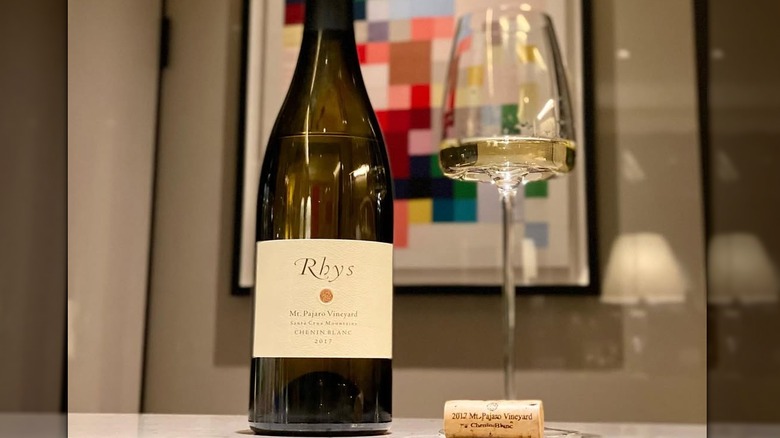
Chenin blanc has many faces. The white variety originates in the cool climate of the Loire Valley in France and can produce wines that range from light and ethereal to rich, concentrated, and highly structured. Producers can craft wines that are dry or off-dry, and still or sparkling. California's Rhys Vineyards artfully crafts its coastal Mt. Pajaro Vineyard chenin blanc to show structure, complexity, elegance, and refinement. The winery practices organic and biodynamic farming, keeping sustainability at the forefront.
The winery grows a small block of the variety on a north-facing slope in the southern Santa Cruz Mountains, where high-elevation grapes enjoy a cool climate influenced by the Pacific Ocean, just 7 miles from Monterey Bay. With limited area to grow and flourish, tightly spaced vines must dig deep into the earth to find nutrients, taking on the mineral-intense characteristics of the vineyard's shale and marine sedimentary soils.
The fruit undergoes native yeast fermentation, followed by 12 months of aging in neutral oak barrels and 6 months in stainless steel. The resulting wine is fresh and fragrant, highlighting the fruit's natural crisp acidity, with white flowers, soft herbs, and green pear. There is purity in the 13.5% alcohol wine, with vibrancy wrapped around structured elegance. With its bright acidity and full-flavored palate of citrus, orchard fruit, quince, and crushed stone, this dry wine is delicious with rich poultry or fish dishes, such as creamy salmon pasta.