

What Causes Hangovers? (And 4 Ways To Alleviate Them)
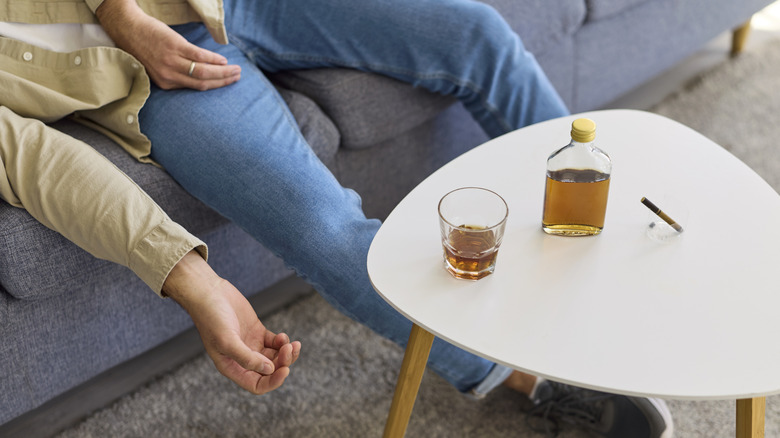
Sometimes we go to bed feeling fine after a night out, but then wake up the next day with a bad headache and a strong urge to pray to the porcelain god. Why does this happen? Different people have different tolerances to alcohol, and consuming excessive amounts can cause a cascade of symptoms in the body. Among other things, it may make you urinate more (which causes electrolyte imbalances and possible dehydration), irritate the lining of your digestive system, make your blood sugar levels fall, and trigger and inflammatory response form your immune system. While hangovers are often associated with the morning, they could happen at any time of the day. This is because symptoms kick in about six to eight hours after drinking.
Unfortunately, there are no magic-bullet cures for hangovers. The body needs to rest and let the alcohol naturally leave the system. You can, however, help it along by drinking plenty of fluids, eating bland carbohydrates, taking an appropriate over-the-counter pain reliever, and going back to sleep. Do note that more serious symptoms like confusion, irregular breathing, and difficulty staying awake are possible signs of alcohol poisoning. A person exhibiting them should seek emergency health services immediately.
If you or someone you know is struggling with alcohol use, please reach out to a trusted healthcare provider for help, or call American Addiction Centers at (313) 723-2484.
Drink a lot of fluids
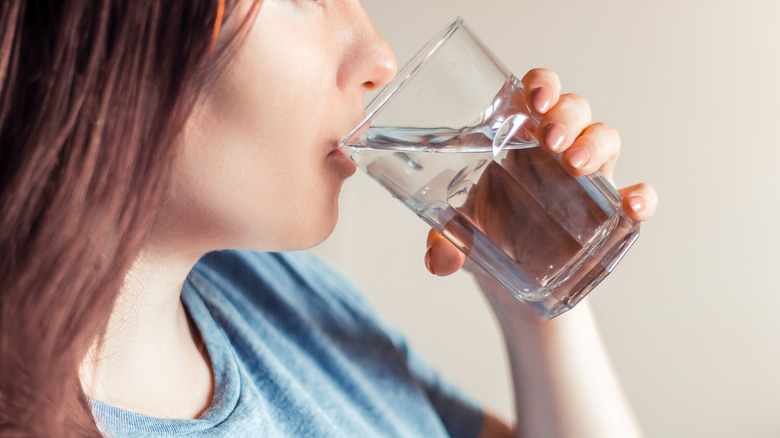
Hydration is incredibly important when you are recovering from a hangover. Alcohol has diuretic effects, and this loss of fluids can cause an electrolyte imbalance. Fortunately, the remedy for this is very simple: drink lots of fluids. Plain water is always a good bet. In fact, the next time you are out with your friends, make sure to drink water in between sips of alcohol to keep your body hydrated. Green tea is another good choice as it contains antioxidants that may combat alcohol-related inflammation of the liver.
Electrolyte drinks can replenish lost salts, but you might want to avoid the fizzy ones. The bubbles in carbonated drinks could worsen hangovers by causing your body to absorb alcohol faster.. Broth will also rehydrate you. However, you should look out for store-bought brands that are high in sodium. You could also make your own at home (like this Instant Pot chicken broth) to control the salt levels.
Note that not all fluids will have soothing effects. While many people may swear by a good old cup of Joe, you should not drink coffee to cure a hangover. Caffeine is also a diuretic and can dehydrate you further, while making you feel more alert than you actually are. Most importantly, do not consume even more alcohol. You may have been told that having some hair of the dog will make you feel better in the moment, but it is merely prolonging the effects of the booze.
Consume bland carbohydrates
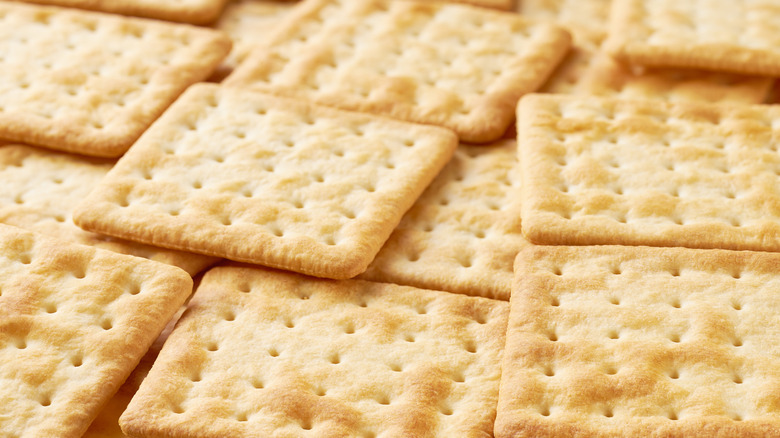
People may recommend greasy foods or unappetizing drinks like the prairie oyster to improve hangover symptoms. However, these alleged cures can actually exacerbate stomach pain. Instead, what works best are bland carbohydrates to help reduce nausea and restore blood sugar lost during the course of drinking. If you are feeling especially nauseous, nibbling on crackers throughout the day could ensure you get some food in your body without further unsettling your stomach. Toast is also a good option, as is oatmeal. If you need a bit more flavor, consider nutrient-dense foods like bananas, blueberries, and avocado.
For more inspiration to soothe your hangover through food, look to other cultures. The French have their hearty onion soup, while the Japanese have been drinking miso soup for its nutritive and restorative benefits for generations. Koreans have an entire category of dishes called "haejangguk" which translates to "hangover soup", often made with a hearty base of beef broth. To help prevent hangovers in the future, remember to always have some food in your belly before you drink, as this can help slow down the absorption of alcohol.
Take pain relievers
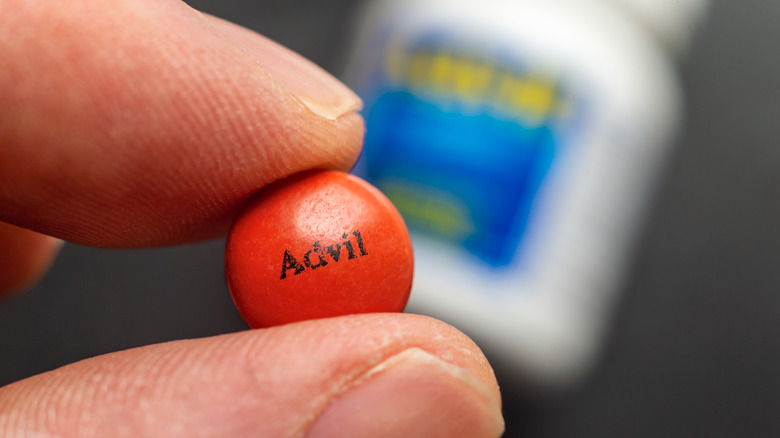
One of the classic characteristics of a hangover is a headache. It may also be accompanied by muscle aches and a general sensitivity to light and sound. An over-the-counter pain reliever could be a good friend in a moment like that. Other nonsteroidal anti-inflammatory drugs like ibuprofen (commonly sold as Advil in the U.S.) can also help. However, going this route may not always be the most judicious choice. Exercise caution if you are also having digestive issues, as these drugs can irritate your stomach lining.
However, a common pain reliever that you need to avoid is acetaminophen or paracetamol, which is sold under the brand name Tylenol in the U.S. When combined with alcohol, acetaminophen can be toxic to the liver. In any case, remember to always take the pain reliever of your choice with some food and plenty of fluids to avoid exacerbating your stomach pains.
Relax or go to sleep

Some people have routines they swear by to help them recover from the effects of alcohol. For example, famously cranky chef Gordon Ramsay likes to get over a hangover by exercising. Unfortunately, hard workouts are not recommended as they can make existing symptoms worse. For instance, heavy exertion can contribute to muscle discomfort and dehydration. You could also risk seriously injuring yourself. If you still want some of those good endorphins from exercise to make your body and mind feel better, take a walk in the fresh air instead.
However, if the sun is too bright and the sounds of the world are too loud (and it often is when you are hungover!) we have the ultimate suggestion for you: go back to sleep. Alcohol interferes with the quality of your sleep, which means you will need even more rest than you usually do. Drawing the curtains and snuggling under the covers will also give those overly sensitive senses a break. Plus, if you sleep long enough, you can sleep through the worst of the hangover effects and wake up refreshed and ready to go about the rest of your day.