

5 Ways Beginners Can Easily Identify Quality Rum

There are plenty of reasons to drink rum straight up, like when it is your birthday, à la 50 Cent's "In Da Club," or on a visit to one of the world's top rum-producing regions, like Puerto Rico or Jamaica. If you're a beginner, it may be confusing to figure out what qualifies as quality rum and what doesn't. To help rum newbies on their journey to connoisseurship, Mashed spoke with Robyn Smith, PhD, founder of rum et al., an experimental rum distillery based in California. Smith's top tips are to seek out brands with transparency and specificity in their marketing, look beyond the color of the rum, check its ABV (alcohol by volume), and always taste different products to find out what you like.
Different rums can taste and look vastly different from each other. For example, did you know that dark rum and aged rum are not actually the same thing? Not all dark rums are aged, and neither type is definitively better than the other, but at the heart of all rums is a base of fermented cane sugar (in the form of syrup or molasses) or cane juice. In fact, most rums are still made with a molasses base. In the U.S., the spirit must be bottled at a strength of at least 40% ABV to even be classified as rum. Read on to find out more about what to look for in quality rum!
Keep an eye out for transparent production details
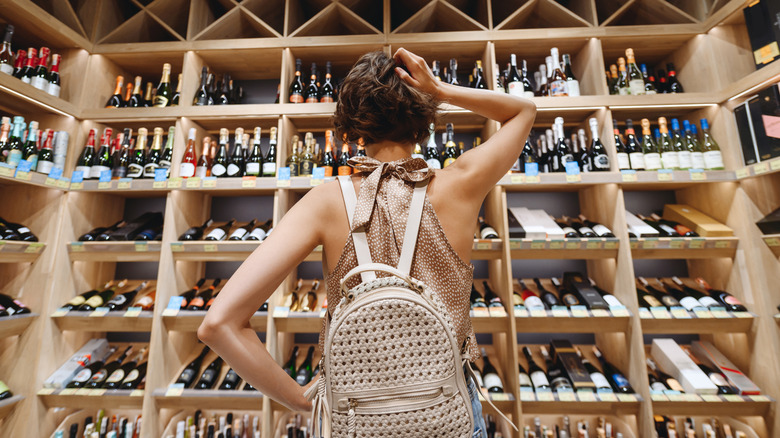
The first thing that rum et al. founder Robyn Smith looks for when identifying quality rum is brand transparency. She advises that rum producers with confidence in their product are more willing to share real details about the process behind it, so always read the label. "Does the brand tell you where the rum was made, what it was made from, how it was distilled, how long it was aged, and whether anything was added after distillation?" These may seem like basic questions for any type of spirit, but Smith notes, "Rum is an incredibly diverse category, but in countries like the U.S., where the regulations around what rum can be are relatively broad, it can also be opaque."
This opacity can pay a huge disservice to beginner rum drinkers who are trying to identify specific aspects of what they will come to enjoy in a rum. Knowing exactly what goes into your drink is crucial to thoughtfully developing a palate for the stuff. For example, how will a fledgling aficionado know that what unites their favorite rums is that they are all pot-distilled and molasses-based rums if the labels do not indicate them as such? Some may worry that it is snobbish to be so ostentatious with their drink, but this is also a matter of respecting the craft that goes into the production of a spirit as historically rich as rum.
Prioritize specificity over vagueness
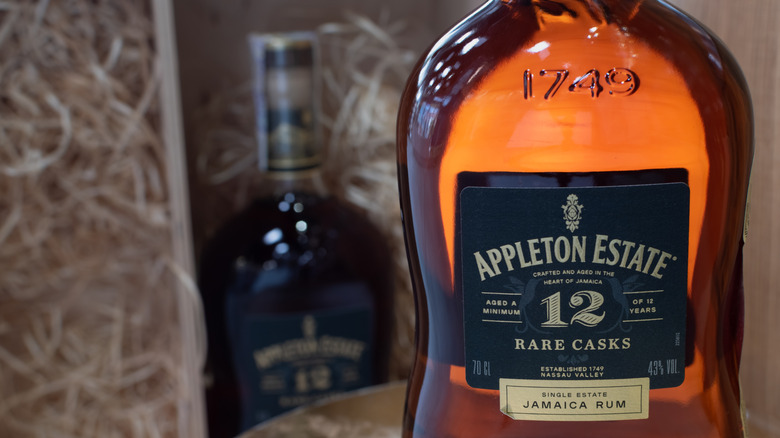
As you check the labels of different rum bottles, Robyn Smith suggests looking at the specificity of the wording. Marketing buzzwords can obscure a mediocre product, making it appear more exceptional than it actually is. Smith advises avoiding vague descriptions like "premium", "smooth", or "dark" as they do not indicate what the production of that rum entails. Instead, she says phrasing such as "molasses-based" or "cane juice" is specific enough to inform consumers what the base spirit was distilled from. Mentions like "eight years" indicate how long it has been aged (if at all), while terms like "single estate" denote that the rum was produced from the sugar cane on one property, as opposed to a blend from different distilleries. Specificity tells you what exactly you are drinking.
Smith also explains that the country of origin can tell you a lot. Rum traditions began in the Caribbean, yes, but many of the islands have their own production methods and history. Some island nations, such as Cuba, have registered geographical indications or official designations for the rum produced there.
Judge not (just) by color
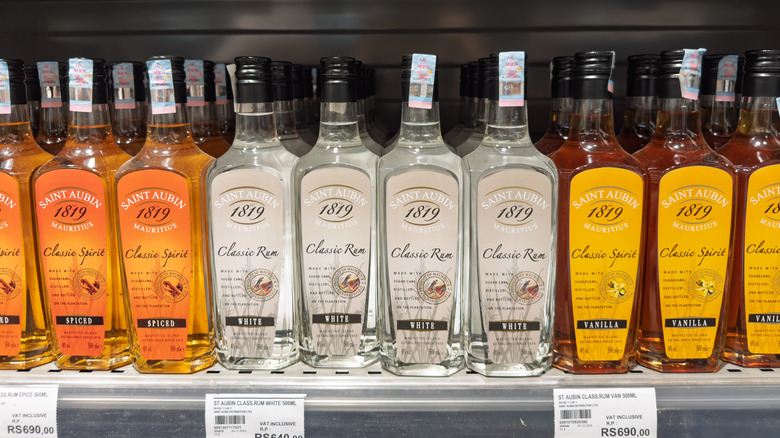
You may have been told that the darker the rum, the older and better it is. According to distiller Robyn Smith, "Rum can be colored, filtered, sweetened, spiced, or blended in ways that make color a pretty unreliable quality indicator." A better way to discern the quality of rum? "Pay attention to aroma and flavor," Smith says. Seeing as there is such diversity under the umbrella of rum, she recommends that beginners start with exactly that — different kinds of rums in order to understand the wide range of styles. To help us out, Smith provides recommendations for different rum categories, from fresh cane juice rum to various molasses-based rums.
Smith describes fresh cane juice rums as "grassy, herbaceous, earthy, and sometimes savory." These flavors can be explored through rhum agricole from Martinique (e.g., Trois Rivières), clairin from Haiti (e.g., The Spirit of Haiti), or Mexican rum brands (e.g., Alambique Serrano). For molasses-based rums, there are high-ester ones from Jamaica (e.g., Hampden Estate or Worthy Park), which she says are "packed with intense tropical fruit, fermentation-driven complexity, and the kind of 'funk' that makes Jamaican rum so distinct." Other molasses-based rum producers like Foursquare in Barbados and Demerara Distillers in Guyana make what Smith calls "complex, rich rums that show how much depth and structure the category can have."
What is the rum's ABV?
Another characteristic Robyn Smith advises looking for in rum is the alcohol by volume (ABV) percentage. In the U.S., the cane-based spirit must have a minimum ABV of 40% to be legally referred to as rum. Much like identifying quality gin, a higher ABV in rum often indicates that the makers want to highlight the flavors of the spirit, instead of creating a neutral base to mix into cocktails. If it is under 40% ABV, it cannot be called rum, but rather "rum-based liqueur". There are definitely merits to low-ABV drinks, so if a lighter "rum" is what you are looking for, go right ahead!
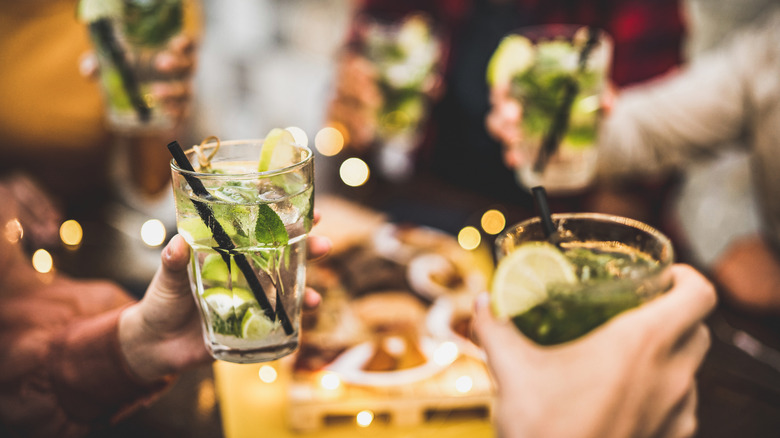
You can drink rum straight, of course, or enjoy it in one of its many famous cocktails. Smith points out several cocktails that allow beginners to explore the breadth of the category. First off, daiquiris. A daiquiri is just rum, lime, and sugar, which gives the rum plenty of space to shine. The mojito is another simple cocktail that highlights the tasting notes of good rum. Once you are ready to move onto more intensely flavored rums, try a mai tai, which adds lime, orgeat (an almond-based sweet syrup), and orange curaçao. Smith also recommends the classic ti' punch, which is a more concentrated version of a daiquiri.
Taste rum for balance
Last, but definitely not least, Robyn Smith encourages beginners to taste rum for balance. "A good rum doesn't have to be "smooth" in the boring sense. It can be funky, grassy, bold, or intense. But it should feel intentional." She definitely does not judge anyone for liking what they like either. "If someone loves a super sweet coconut rum and it makes them happy, that's fine," she reminds us. Yet to understand rum's character in a purer sense, unflavored varieties are the place to start.
One issue Smith has with commercial rum is when a bottle is presented as an aged liquor but "tastes more like vanilla extract, caramel syrup, or dessert liqueur." This is where prioritizing balance can help budding aficionados make educated decisions about a rum's quality. Read the labels for transparency and specificity, and remember to taste, taste, and taste. With a little time, experience, and knowledge, you could be making your own expert-level rum drinks at home like a pro!