

9 Burger Chains That Have Slipped In Quality
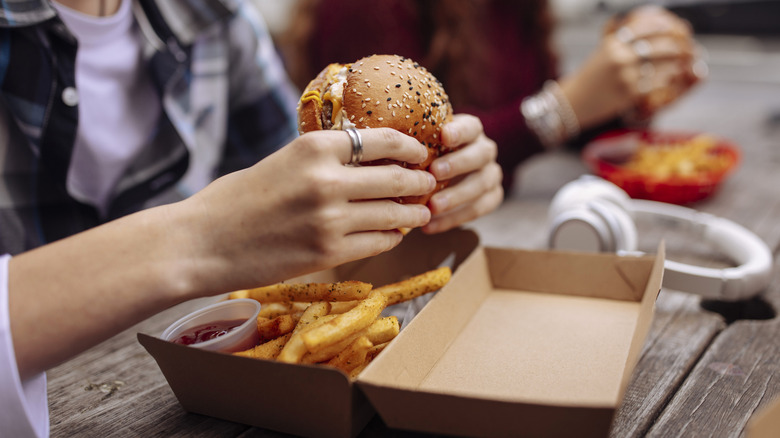
Even the best burger chains sometimes let the quality of their operations slide, much to the disappointment of their most faithful clientele. Who wants to roll up to their favorite spot for some cheese-covered patties and an order of fries only to discover the beef is now subpar and the potatoes are mere shadows of their former selves? It all hits harder when prices remain the same for this lesser fare — and sometimes, the quality drop even comes with a price increase for a downer double-whammy.
Customers have noticed quality slipping at some of the most dependable burger chains from the past. Even a few of the newer outlets have begun cutting corners, leading to a drop in patron satisfaction — and a glut of bad press online. When burger fans realize they can't depend on their favorite spots to come through with great food, they're all too eager to let others know of the downturn. That sort of disappointment can turn favorite fast food brands into burger chains that no longer exist, and in short order.
We put our ear to the ground and rooted out nine of the most egregious offenders, burger chains that aren't what they used to be and are being called out for their shortcomings. Depending on your experience with these outlets, the results may surprise you ... or they may seem perfectly reasonable.
1. Jack in the Box
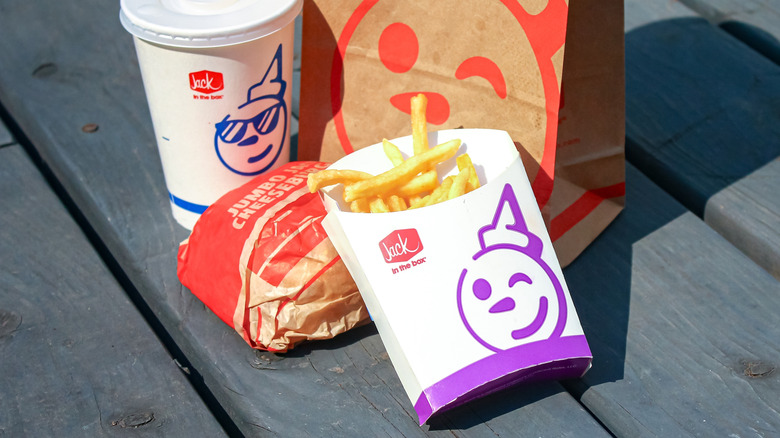
There's always been something a little sketchy about Jack in the Box, which is why so many people can't stand the long-standing fast-food enterprise. The sheer variety of foodstuffs offered, from rice bowls and egg rolls to tacos and chicken fajita pitas, have shown a lack of focus on burgers in favor of trying to attract a broader audience. But when prices rise, portions shrink, and food quality falls in the form of greasy burgers with mushy buns or all-out dry patties, patrons are quick to take their business elsewhere.
There was a time when this chain was the preferred spot for cheap eats. Decades after food safety issues marred Jack in the Box's reputation with a deadly 1993 E. coli outbreak that reinvented food inspection systems around the world, the brand is once again seen as a low-rent burger chain, charging twice as much for some items in the post-pandemic years. In the age of raging inflation, customers know they can find better out there and would rather spend their burger money someplace where the expense is more justified. Time will tell if menu changes for 2026 and a switch in leadership can help swing the pendulum back. Considering the loss of faith from customers, the changes will have to be pretty spectacular.
2. White Castle
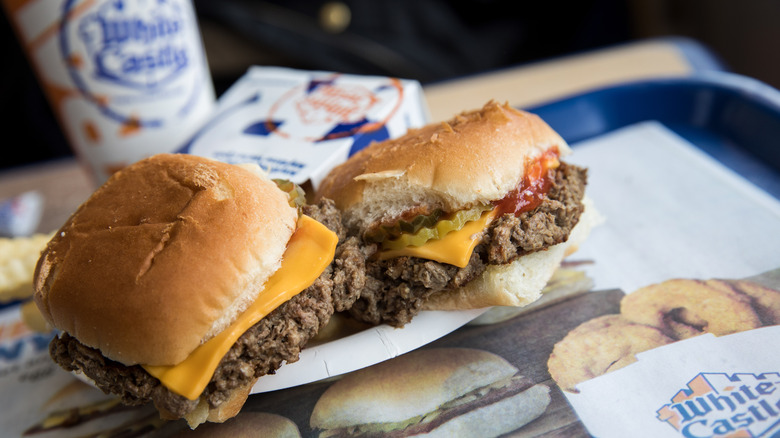
You were never going to have a gourmet burger experience at White Castle, even if it was the first fast-food burger joint in the world; it was founded on the idea of serving burgers by the sackful, after all. The novelty of the five-cent slider was different enough to make the restaurant a sensation as it spread across the U.S., while pop culture mentions like the 2004 comedy film "Harold and Kumar Go to White Castle" helped make the brand a stoner favorite.
Now, however, the once-fun eatery has become notable for its poor service and reduced patty size, as well as making changes in burger buns that altered the flavor — and not in a good way. Closures in long-time locations like the one in St. Paul, Minnesota, that was in operation for nearly 90 years suggest an inability for White Castle to meet the needs of modern customers well enough to stay afloat. And for a company that prided itself on selling cheap burgers to now have prices comparable to other national chains means even faithful visitors are finding it difficult to justify.
3. Rally's/Checkers
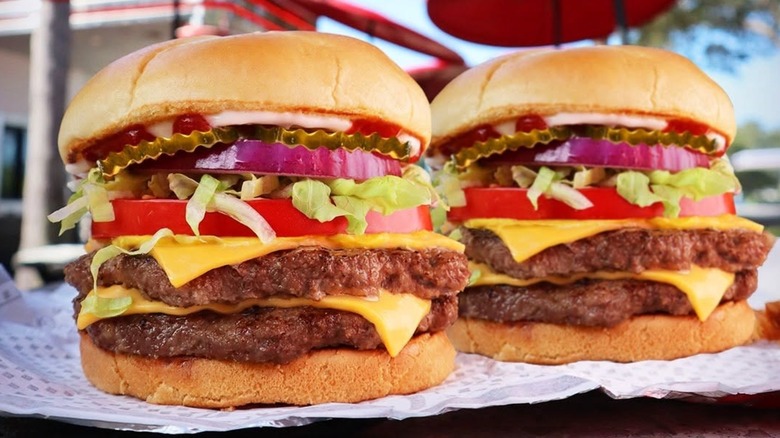
Whether you're a Rally's fan or a Checkers cheerleader, we can all agree it was once a fun walk-up/drive-thru set-up, where enjoying burgers and fries felt like a blast from the past. The two brands merged in 1999 to create a unified company and a singular lineup of Checkers/Rally's sandwiches and sides. Even doubling up the burger power couldn't keep the company from sliding down the quality scale, putting once-happy patrons on watch for reductions in everything from customer service to the taste of the burgers.
Moves to make the chain a more 21st-century experience have resulted in poor service from human servers and even worse service from automated kiosks. Where just a few years ago customers were happy to crow about their love of the burgers and fries, Redditors now point out the lack of maintenance and upkeep in their nearby locations, with restaurants opening and closing quickly. Some spots attempted a re-opening but were replaced by other brands instead. For those who still have functioning locales to visit, the food has become disappointingly lacking in flavor, a far cry from the delicious vittles that used to rule the menu.
4. Burger King
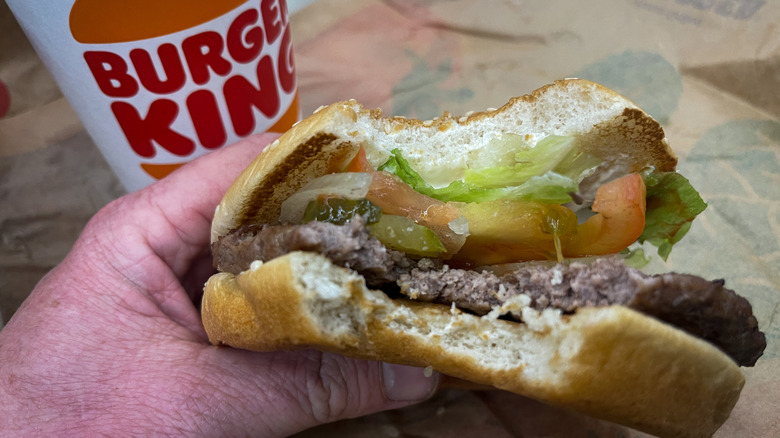
Back in the day, Burger King separated itself from the burger pack by infusing its patties with an irresistible smoke flavor, courtesy of a flame-broiled cooking process that bested the usual griddle method used by other chains. These days, it's hard to depend on the chain to live up to its former glory. When visitors call out the limp lettuce and flavorless patty in the company's signature creation, the once-amazing Whopper, comparing it to Wendy's and McDonald's (and not in a good way), you can't help but notice the crown has slipped.
Setting aside the biggest flops in Burger King history, the current state of its general menu isn't up to par, according to customers. One Reddit thread lists out essentially every ingredient and points out the drop in quality, from the waxy aftertaste in the burgers to lesser versions of ranch and mayo adorning the sandwiches. Even more noteworthy is the call-out of how inconsistent the chain is, with different locations presenting different versions of the food. The chain is trying to reclaim its lost quality and become the No. 1 burger, but online opinions confirm it'll take more than redesigning the Whopper to get Burger King back on its feet.
5. McDonald's
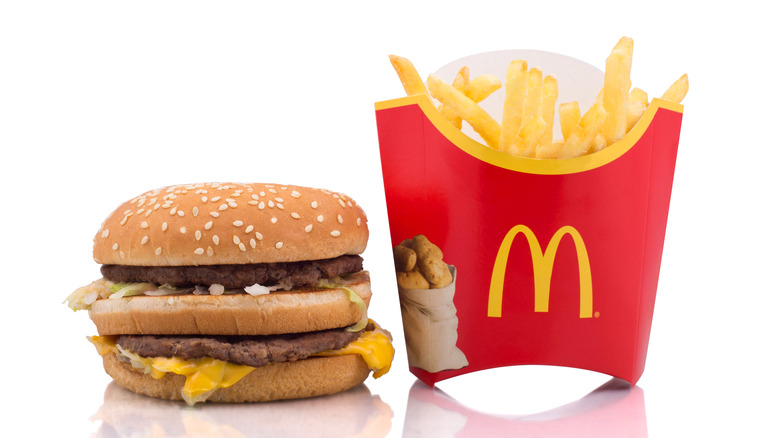
Even if you knew there were better burgers to be found, if you got attached to McDonald's in the company's earlier days of burger domination, it would be difficult to convince you to try anything else. But when Redditors converse about how bad the food has gotten, there's little question that the Golden Arches have become somewhat tarnished. And it's no use for Ronald and company to try fooling customers with "value" menus and so-called app deals that don't really amount to bargain prices. Fast-food fans are too savvy to fall for that.
Despite the biggest changes McDonald's has made through the years to keep up with the competition, it still shows signs of slacking. Sneaky greedflation has opened many McDonald's guests' eyes to the falsehood that paying more tricks you into thinking you're getting quality. Add skyrocketing prices and a glacial slowdown in service, and there's very little to endorse the chain as a place worth frequenting, other than familiarity and nostalgia. It's hard to repair a flagging reputation with only a few people left to represent what was once the burger joint to eat at.
6. Five Guys
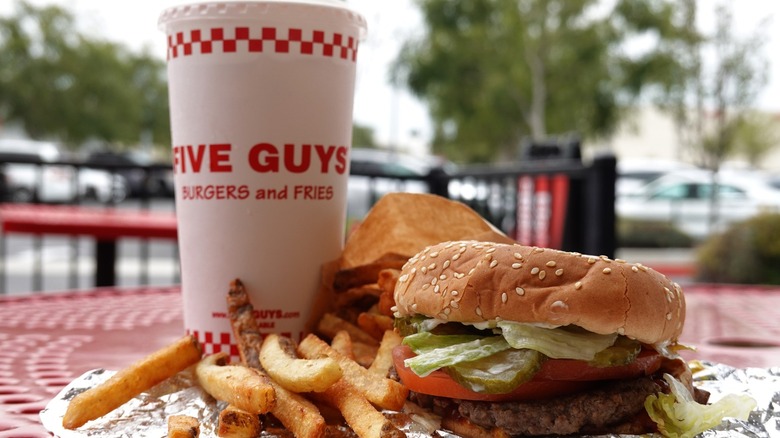
One of the newer kids on the burger block, Five Guys showed up on the scene with the intention of drawing market share with fresher food. Lately, patrons have noticed that the quality has become compromised, with clearly thawed buns and subpar fries reducing the experience. A push for smaller portions and a strange uptick in overcooked patties isn't helping things, either. An insider on Reddit points to managers for making changes that result in food that doesn't represent the former Five Guys standards.
Some customers have rung the alarm online, declaring that they wouldn't mind the high prices if the quality of the food were still in place. Though helpful responders suggest that it may be certain locations experiencing these food-centered failures rather than the company as a whole, there seems to be a regular occurrence of complaints. Having options like In-N-Out readily available to take up the slack as dissatisfied visitors denote should be enough to make Five Guys perk up its ears and ensure the operation's values are adhered to across the board.
7. Smashburger
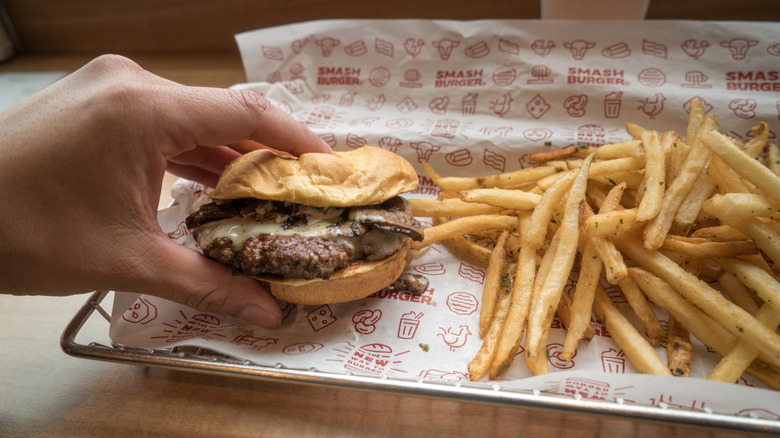
The Smashburger concept — a pressed-down patty that gets crispy on the outer edges — was an innovation that gave burger fans a truly different option. But now, smashed burgers are available everywhere, and the original company was purchased by Jollibee in 2019, becoming another branded burger under a corporate umbrella. That may not be the full reason for offerings at the restaurant becoming lesser quality, but customers noticed a suspicious timing between the shift from boutique brand to same-ol' same-ol'.
Even Smashburger management admitted to its shortcomings, calling itself out for not being consistent with its own brand, after shifts in leadership let the company drift from its original template. Upgrades in food, service, and technology launched in 2024 were aimed at righting the ship and resetting the baseline to keep the company growing. But the untold truth of Smashburger and its valiant efforts to return to its glory days may be too little, too late. Due to continued reductions in food quality over the years, other eateries have started to seem like a better deal.
8. Carl's Jr.
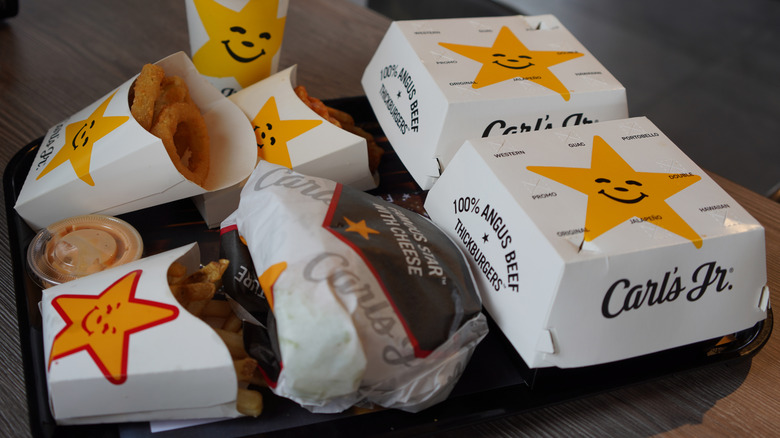
The over-the-top ads that made Carl's Jr.'s overloaded, sloppy burgers look like a sexy alternative to the norm were a far cry from the company's humble beginnings. The chain became a pop culture rule-breaker, replacing the family-friendly spirit other burger operations depended on with a lusty, modern take. Years after the glossy allure was shed and the chain went back to business-as-usual, the once-dependable spot began favoring a less-is-more approach, with patrons noticing a quality drop whenever the prices ascend.
Despite the formerly juicy burgers in the ads, visitors have seen the patties become drier over time, losing flavor and becoming less than the succulent, salty flavor bombs they once were. A reduction in burger size and drop in meat quality didn't go unnoticed, while pressed chicken meat with a strange texture became the norm. Ultimately, these changes replaced the more desirable forms that existed when the restaurant was at its peak. And if the use of heating trays instead of preparing food fresh-to-order is the company's approach to modernizing its operations, burger eaters aren't buying it.
9. Steak N Shake
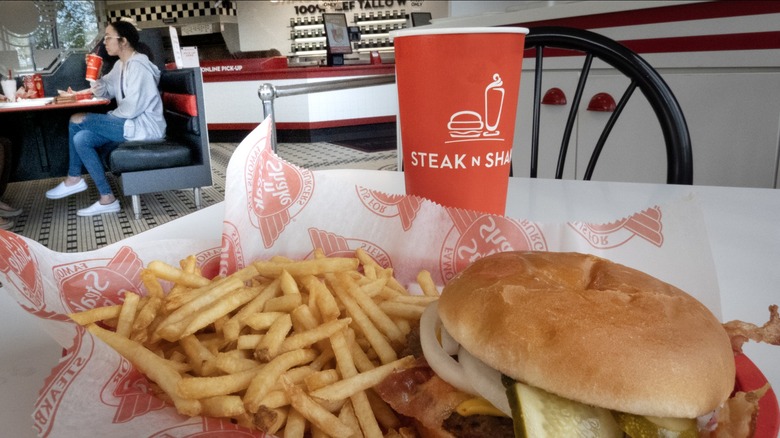
Tasty, classic food served in an environment filled with old-fashioned charm was the model that first made Steak N Shake a player in the burger chain market. A shift away from table service to a more cookie cutter fast food model caused long-time fans to miss the elements that made the original format feel different from the other burger spots. Some franchises have dropped so far in presentation and cleanliness that customers can't even depend on receiving the orders they came in for.
And then, there are issues with the food customers do receive. One patron shared a photo on Facebook of a patty smashed so thin, there was almost no substance to it. Another mentioned how greasy the burgers have become, enough to drive them away from ever visiting Steak N Shake again. Commenters pointed out that the decline in quality has been ongoing for a while, though certain locations seem to be undergoing a resurrection, with a shift toward tallow frying and improved service. Still, when workers confirm that the patties are frozen rather than fresh, the idea of higher quality burgers is bound to turn customers' attention in a different direction.