

8 Beloved Fast Food Sides Chains Ruined
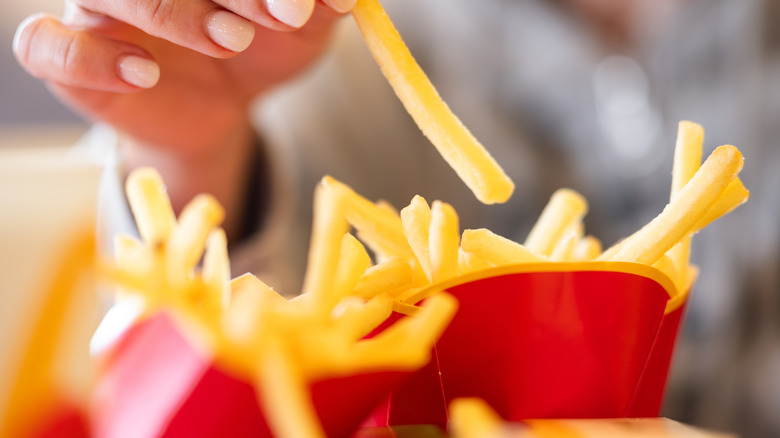
Change is never easy, but it's particularly tough when it means letting go of something you love. Unfortunately for customers, beloved fast food sides are occasionally transformed into something unrecognizable before you even get the chance to say goodbye.
Imagine walking into your local Wendy's, KFC, or Panera Bread, excited to enjoy your favorite side dish, only to realize that something's off from the very first bite. Too much salt — or too little? Or is the seasoning completely different? And what happened to the texture? When fast food chains alter the recipe of fan-favorite accompaniments, it's only a matter of time before customers catch on. And when they do, chances are they're going to voice their opinions on the matter.
When you realize that your go-to side order has undergone a recipe change, it's understandable to feel a little disappointed. But in the case of the following menu items in this list, diners weren't only disappointed — they were suspicious. Why did these restaurant chains suddenly tweak popular recipes? Whether changes were made to adapt to new trends, standards, or bottom lines, one thing is clear: Customers aren't convinced that every fast food recipe change has been for the better.
KFC potato wedges
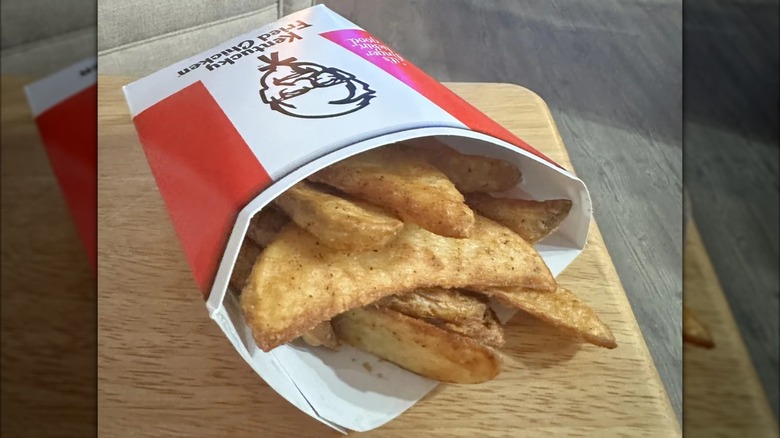
If you didn't go to KFC solely for its potato wedges, then you at least respected them as a crispy, satisfying side to your bucket of chicken or high-quality chicken tenders. Ask anyone: Those lightly-seasoned potato wedges were nothing to sneeze at. But in 2020, KFC replaced its long-beloved potato wedges with a seemingly fancier version called Secret Recipe Fries ... and chaos ensued.
Customers just weren't won over by the allure of a secret recipe (aka the 11 signature herbs and spices KFC is known for). Honestly, they just wanted their good ol' potato wedges back. Some diners wanted them back so badly, in fact, that they created online petitions and social media accounts dedicated to the original wedges' revival. "I think the new fries are decent, but the wedges were the GOAT," one wedge-lover said on Reddit. "I don't understand why they changed."
Those special spices and herbs couldn't overpower nostalgia. "Replacing their wedges with those mediocre fries is an all-time fast food blunder," one Redditor commented. And another fan said, "If they bring those back I will eat at KFC a hell of a lot more than I do." The chain itself acknowledged how fervent fan backlash made the brand tentatively resurrect the wedges in 2025, first on a limited basis and then full-time. In a press release, KFC's U.S. president, Catherine Tan-Gillespie, said, "This isn't just a nostalgic nod. It's an example of how we're turning feedback into action as we chart our Kentucky Fried Comeback."
Wendy's fries
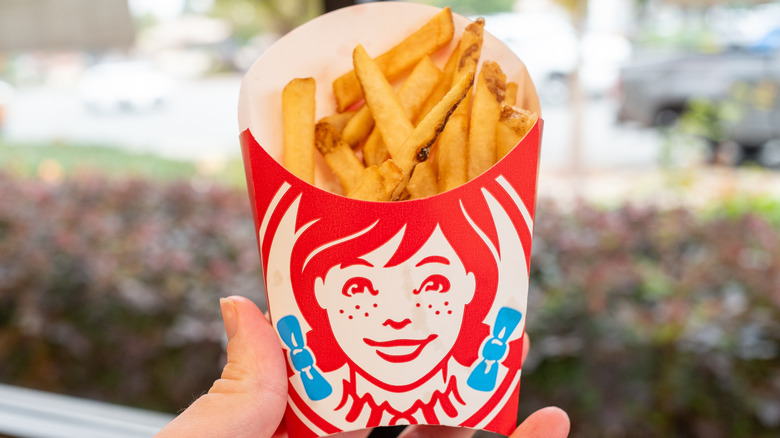
Wendy's fries have changed several times over the years, from the simple, straight-cut days in the yellow packaging to the post-2010 skin-on variation. But then the 2020s came around and everything changed. Wendy's 2021 french fry revamp intended to fix an ongoing problem: a wimpy and unsatisfying side dish. The new fries, which relied on a thin batter and a sprinkle of sea salt, were part of the chain's Hot & Crispy recipe rollout. But customers weren't convinced.
On Reddit, one person commented, "Honestly stopped going to Wendy's after they changed their fries in 2021." Customers complained about the revamp on social media, claiming the new iteration lacked substance, and — perhaps the biggest fast food sin of all — was too weak to dunk into a Frosty. "Back when they had the yellow boxes, the fries were crunchy on the outside and warm and steamy on the inside. Perfect for Frosty dipping," one customer recalled. "Whatever they have had since then is an embarrassment and a proverbial middle finger to the consumer."
At the time of release, Wendy's almost seemed to anticipate the backlash and promised customers a fresh order of fries if theirs weren't hot and crispy. The restaurant also laid out why exactly it changed the recipe in the first place. "We realized Wendy's needed to rescue customers from their fry disappointments," Wendy's former VP of Culinary Innovation, John Li, shared on the chain's website. Li also added that the new fries would be sturdy enough for scooping into a Frosty. Nevertheless, even if they know how to get fresh fries at Wendy's, some customers remain unconvinced that the reformulation can stand up to frozen-dairy-dessert-dipping.
Panera Bread's titular bread
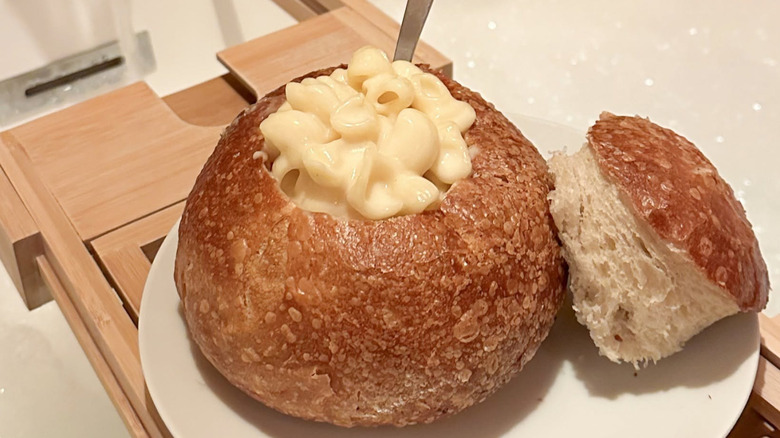
A trip to Panera Bread used to be like that scene in "Ratatouille" when the characters listen to the sound of the fresh, perfectly baked bread. Nowadays, Panera's titular bread probably doesn't sound like anything. "Ugh i miss the old baguettes so much," one Reddit user said. "The new ones are flat, tasteless and small." Customers believed that some big changes Panera announced in 2025 ruined what once made its bread so special.
That year, the chain decided to close down its remaining Fresh Dough Facilities — which created and shipped bread dough to locations across the country — in favor of a par-baking method. This means that Panera's bread is now partly baked in a third-party location and then shipped directly to restaurants, where employees finish baking the bread. An exec said the decision is part of the company's efforts to make certain products available to customers more frequently, including bagels and other bakery products. Panera hasn't confirmed which third-party locations will provide the dough. Some employees claim that it arrives frozen and that finishing the baking process in-store only leads to rubbery, hard, and unsatisfying bread.
A purported former Panera general manager took to Reddit with their complaint. "I miss the fresh baguettes so bad," they wrote. "The frozen ones are absolute crap." Although par-baking is a common practice in the food service industry, that doesn't mean customers want to see the words "fresh baked daily" disappear from their local Panera Bread menu. As one customer put it: "Fresh baked bread is one of the only things that still made Panera relevant. As a customer, this is probably the beginning of the end for me."
Chick-fil-A waffle fries
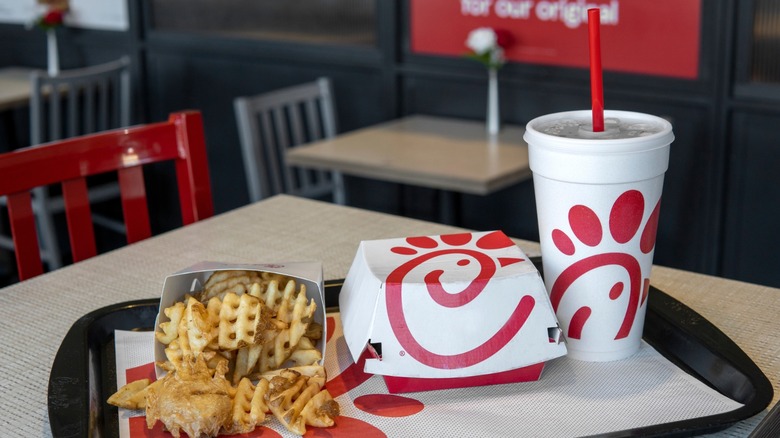
Who could've predicted that something as innocuous as starch could cause such an uproar? Well, anyone who knows anything about french fries, that's who. And yet, Chick-fil-A was seemingly caught off guard in 2024 when its decision to add pea starch to its waffle fries resulted in unprecedented backlash.
To be fair to the chicken chain, adding pea starch to the side dish's recipe was supposed to make the waffle fries better, not worse. Pea starch absorbs less oil than corn starch, which makes for a crispier, crunchier experience. But when customers bit into the new and seemingly improved Chick-fil-A waffle fries, they weren't enthused.
"I hate the lasting crispiness," one person commented on TikTok. "It's just like a hard [crunch], not a full fluffy crunch so ... don't want it. It was fine before." Other unhappy customers across social media complained about the texture and an unpleasant burnt flavor. Some even resorted to begging the chain to bring back their favorite side dish. And as popular TikToker Dr. Rubin, MD pointed out in a video that garnered over 20,000 likes, another factor to consider is that adding pea starch to the waffle fries could be problematic for people with a legume allergy, especially if they aren't aware of the recipe change. Luckily for these folks, the backlash was so rapid and so powerful that Chick-fil-A dropped pea starch from the recipe in 2026.
KFC mashed potatoes
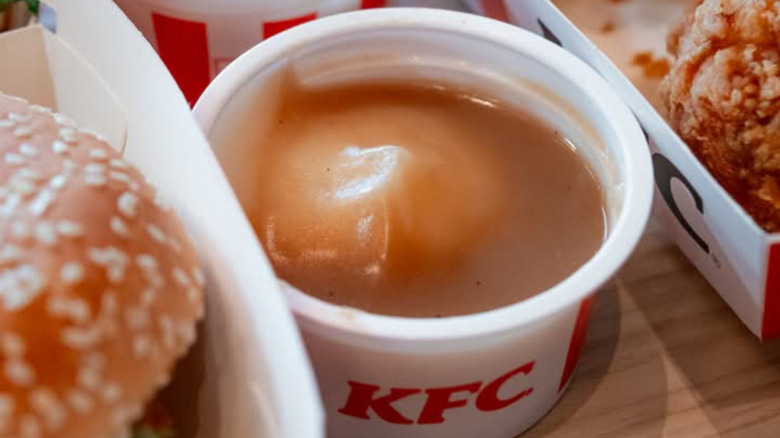
It's small, it's humble, and you just might mistake it for a condiment cup filled with gravy: It's KFC's mashed potatoes. Despite this sarcastic description, the side dish was once a beloved part of the chicken chain's menu, namely for its creamy homestyle texture and subtle spice. But the downfall of this fan-favorite KFC accompaniment was so dramatic that it's practically part of fast food history.
After new owners took the chicken chain over from Colonel Sanders in the 1960s, they reportedly changed the way several classic dishes were made, which may be one reason KFC doesn't taste like it used to. These changes included the mashed potatoes. In the '70s, KFC had apparently replaced the traditional recipe with — you guessed it — instant mashed potatoes. After all, the '70s were a decade defined by convenience in the kitchen. But that doesn't mean diners wanted a side dish that tasted like it had been zapped in a microwave. What did the Colonel think of the new mashed potatoes? Spoiler alert: He compared the texture to "wallpaper paste."
"Suppose you add some of this brown gravy stuff and then you have sludge," the Colonel quipped to the New York Times in 1976. "There's no way anyone can get me to swallow those potatoes." Fair enough, considering he'd had a major hand in developing the long lost traditional version. And since one thing to know before ordering KFC mashed potatoes is that modern iterations are still not made from scratch, today's customers are divided on whether this side dish is actually any good.
Taco Bell Nachos Supreme
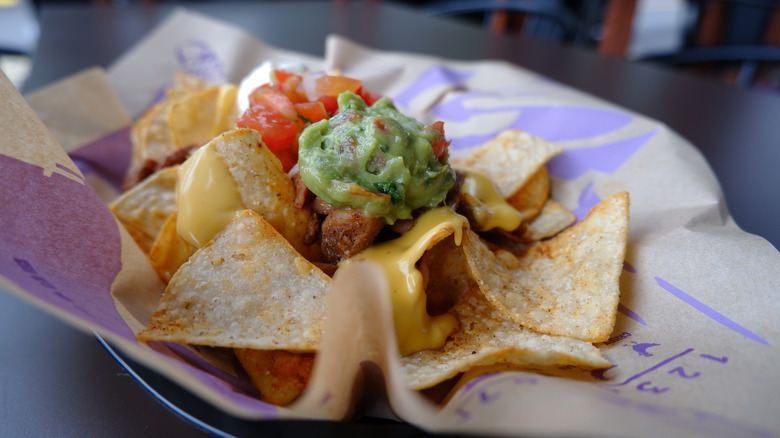
Many have waxed poetic about Taco Bell's Nachos Supreme because it's everything you'd want from a plate of nachos. With seasoned ground beef, nacho cheese sauce, and refried beans, it was heavy enough to fill you up, while the crispy tortilla chips and reduced-fat sour cream kept it light enough to save room for a taco or two. Alas, when COVID rolled around, the beloved Nachos Supreme disappeared, leaving a nacho-shaped hole in our hearts ... until 2026.
Customers were awed — and skeptical — when they saw that the taco chain's new Luxe Value Menu included a revived and reconstructed version of the deceased side dish: the chips and Nacho Supreme dip. Unlike the original recipe, the Supreme Dip attempts to make scoopability the meal's defining trait. But it's this trait that just might sabotage the less-than-$3 value item.
Regarding the reimagined menu item, one customer on Reddit complained, "Paired with the most fragile tortilla chips corporate penny pinching could come up with." Other diners noted problems with the chips as well as the distribution of ingredients, with refried beans seemingly overpowering the beef, pico de gallo, and three-cheese blend. And it goes without saying that a pile of soggy refried beans doesn't help with the brittle chip problem. So is this dip a step up from the Nachos Supreme of yesteryear? Maybe in terms of price, but value alone can't fill your stomach or make your taste buds sing. As any nacho aficionado could tell you, all the ground beef and melted cheese in the world means nothing if you can't even scoop them up.
McDonald's fries
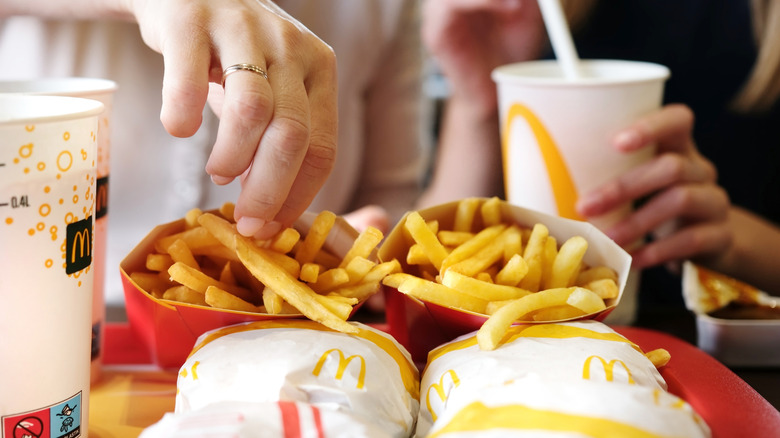
McDonald's fries may seem incomparable, but they've still had some highs and lows. Surprisingly, one of the chain's lowest lows happened at a time when the company seemed to be on top of the world: the 1990s. McDonald's fries were cooked in beef tallow for decades before the chain made the switch to vegetable oil in 1990. This seemingly insignificant recipe change ended up kicking off decades of controversy.
It isn't hard to understand why the Golden Arches swapped beef tallow for vegetable oil. At the time, U.S. consumers were starting to think more carefully about the food they put into their bodies, especially if that food, like beef tallow, was particularly high in fat. McDonald's may have also made the decision in an effort to save money, since industrial vegetable oils can be more cost effective than tallow. Regardless of the reason for the recipe change, customers could taste the difference from the very first bite — and they weren't all happy.
Redditors who remember the taste of the fries from yesteryear still share their disappointment online. "The fries are so blandly gross that I don't even order them anymore," one user said in 2026. "They were the No. 1 fries for decades. Now people like me avoid them completely." Another customer complained, "They're usually cold and limp, not hot and crispy." But these Redditors might have a reason to celebrate. Despite the anti-beef tallow campaign of the '90s, the cooking fat is in the middle of a modern comeback. It's unlikely that McDonald's will switch back to using beef tallow, but who knows? Stranger things have happened.
Panda Express classic fried rice
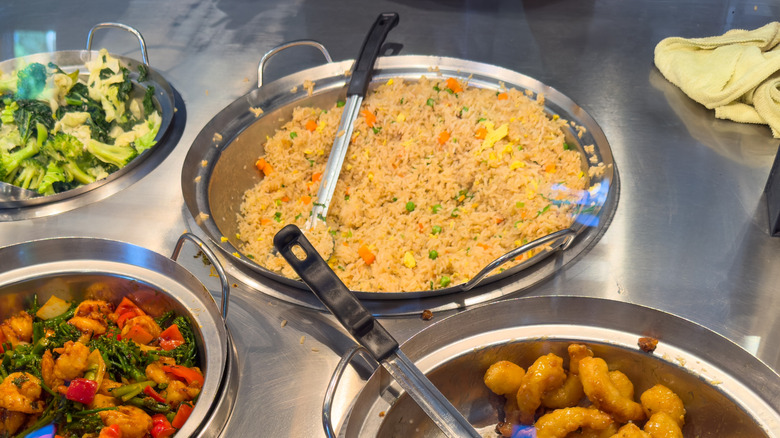
You know you've made a mistake when customers complain about a certain menu item on everything you post to social media. This is what happened to Panda Express in 2013. Back then, you would've been hard-pressed to find a Panda Express comment section that didn't include some variation of the phrase, "Bring back the classic fried rice!" Obviously, customers weren't happy when they discovered the chain had replaced the white rice in its beloved fried rice dish with brown rice, and they didn't hesitate to make their displeasure known. Passionate Panda fans and diners went to Facebook to air out their grievances about the brown grain and genuine indignation for the recipe change.
Don't get us wrong: we wouldn't sniff at fried brown rice. It's a whole grain, for one, and also happens to be packed with fiber. And when paired with complementary flavors, it tastes great. But some would argue that white rice is the traditional grain used in the dish for a reason. With its subtle flavoring and fluffy texture, it's the ideal culinary canvas. Our point? Diners understood the value of traditional fried white rice. They rallied so hard for the return of Panda Express's classic side order that the chain held a nationwide contest: Whichever version of the dish sold more during the campaign would become the permanent menu item. By now, you probably wouldn't be surprised to learn that classic fried rice won out in the end. The dish returned to the menu three months after Panda Express replaced it, and the chain hasn't looked back.
Methodology
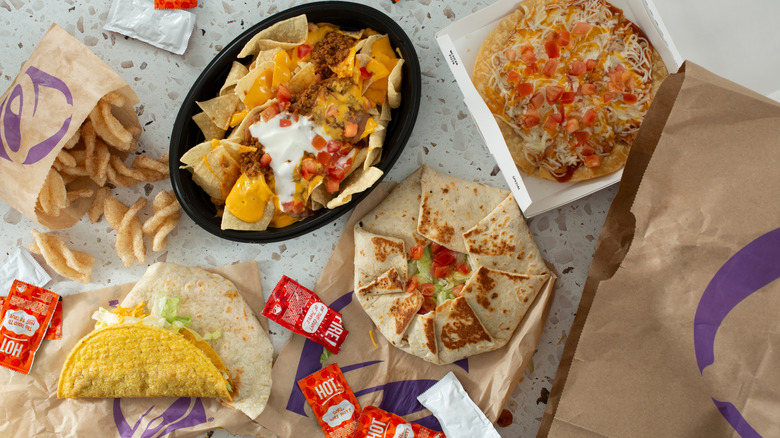
When choosing which fast food sides to add to this list, we had several qualifiers in mind. First off, the side dish must have been beloved or at least regarded with positivity in the cultural zeitgeist. Second, there had to be clear proof that a restaurant had changed the recipe. And third, customers (and ideally employees) should have indicated that the quality of the side dish decreased as a direct result of these recipe changes.
We decided it wasn't quite enough to include items that only a few Reddit users said were "so much better back in the day." A majority of these side dishes were either subject to headline-making controversies or part of a viral online conversation. If people made petitions to revive the "old version" of the menu item, we added it to the list. And if there was evidence that a fast food chain reverted back to a previous recipe as a result of customer backlash, we also included it.
Whether any of these menu items have officially been "ruined" is ultimately up to your individual taste. But it's still interesting to know exactly what fast food aficionados are saying online about these recipe changes — and if these pivots were truly worth it in the long run.