

11 Mistakes People Make With Cottage Cheese
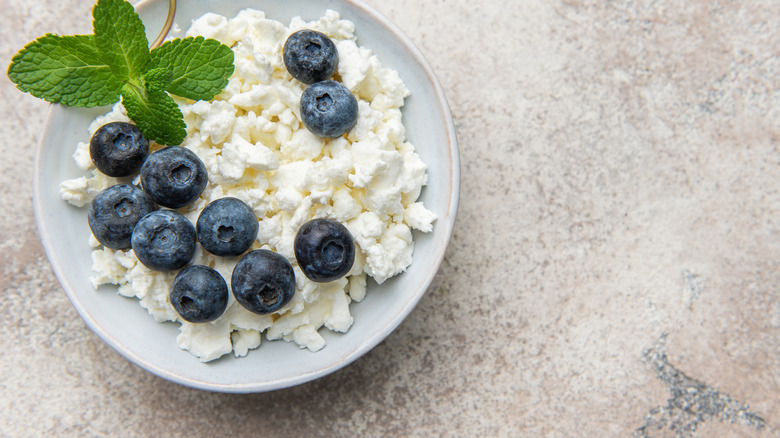
There was a time when cottage cheese was considered nothing but a tasteless diet food. But, thanks to its popularity on TikTok and other social media platforms, it's having a moment in the spotlight again. Still, there are some mistakes people commonly make with cottage cheese that can make it underwhelming. If you think you hate cottage cheese or you haven't had any success cooking with it or using it in baked goods, it might not be the stuff itself that's entirely to blame.
When you make missteps like treating all cottage cheese the same or heating it too vigorously, you might end up with less than perfect results. That's not cottage cheese's fault, though. Luckily, it's easily rectified. Once you know what not to do and what to try instead, you'll get much better results, whether you're eating it straight-up or using it in recipes.
Cottage cheese is easy to find in most stores, affordable, and high in protein, so it can make a great addition to your everyday diet. That is, when you know how to use it to its best advantage. There's no need to put up with blandness or weird textures. Learn some of the common cottage cheese errors and you'll know what to avoid.
Thinking all cottage cheese is effectively the same

One of the reasons why cottage cheese doesn't always work out in recipes is that folks often make the mistake of assuming all of it's the same. You might head to the store and pick up whatever pack of cottage cheese you find in the fridge, not realizing that there are variations and they make a difference. Not to mention that, like most foods, some brands are just higher quality or tastier than others.
First off, you might notice that there are both full-fat and low-fat or non-fat versions of cottage cheese on the shelves. The low-fat kind has 1% to 2% fat, while the full-fat is 4% to 6% fat, which is still low compared to other cheeses (cheddar, for instance, contains around 30% fat). The lower the fat, the more the flavor and texture can suffer, so there's no need to go for the smallest percentage. After all, fat is an important part of any healthy diet. The other thing to consider is curd size. Those are the chunky parts in the cottage cheese. You can buy both small curd and large curd cottage cheese. The smaller curd version is creamier and on the smoother side, while the large curd version is firmer and often less tangy.
If you're not sure which to buy, we ranked seven cottage cheese brands, so you can take a look and find a recommended version. Ultimately, Kemps Small Curd Cottage Cheese was our favorite, prized for its tender curds and Goldilocks-zone consistency: not too thick nor too thin.
Storing it incorrectly or keeping it for too long
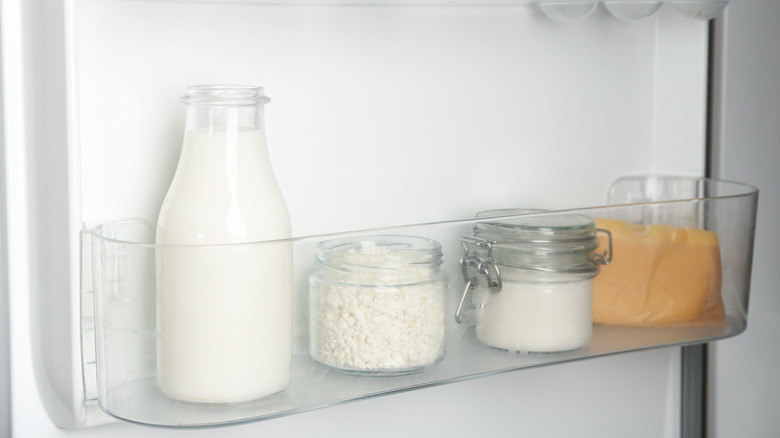
Some people push it when they're storing cottage cheese. Because it often has a relatively long shelf life, they assume it will last forever. But, once you open it, the clock starts ticking and you need to use it up quickly.
If your cottage cheese is unopened, look at the package for the use-by date. If you're wondering how long cottage cheese lasts after opening, the answer is roughly a week. How you store it matters, though. It's likely to last longer if you store it in an airtight container after opening, versus the container that it came in. It's also a good idea to keep it toward the back of the fridge or in other areas where it's cooler.
Of course, expiry dates and spoilage don't always work on a precise schedule, rather they're estimates to help keep people safe. It can still be perfectly safe to eat when it's technically past expiry, or it can already have gone off when the packaging says it should be safe, so it's good to know signs of spoilage to look out for. Any mold or discoloration is an obvious no-go, as is a bad smell. A subtler sign is separation: Cottage cheese is naturally lumpy, but if it looks like it's split into very runny liquid and curds or has an off-smelling layer of liquid on top, it's no longer good to eat.
Not cooking with cottage cheese
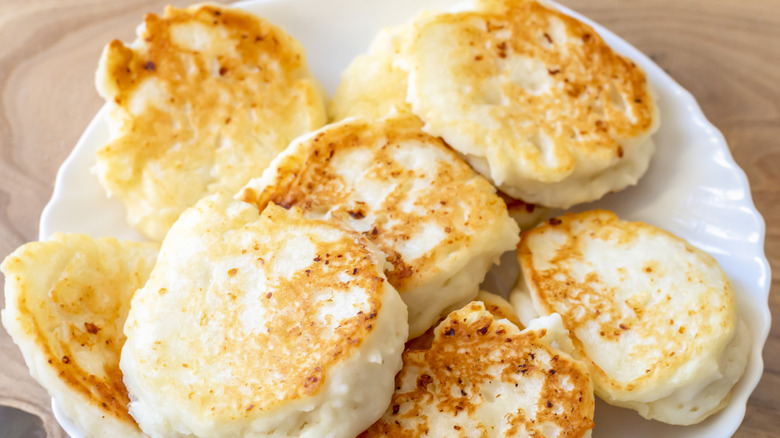
If you aren't cooking with cottage cheese, you're missing out. Sure, it's great straight from the tub in sandwiches and salads, on baked potatoes, and so on, but only ever eating it raw means you're ignoring some of its best uses. Whether you're mixing it into sauces or soups, using it in cheesy dishes, or baking it into recipes for texture and flavor, there are so many ways to cook with it.
Cottage cheese can be up front and center in dishes. For instance, you can stuff it inside pierogies or use it in pasta dishes. It works well as one of the cheeses in mac and cheese, alongside stronger-flavored types. It also works well in egg dishes, like frittata and scrambled eggs. Then, there are recipes that use cottage cheese as a secret ingredient. For instance, you can add cottage cheese to mashed potatoes or coleslaw for added protein. Or, it can be used as a binder in recipes like meatballs or veggie alternatives. It's also a key ingredient in sopa Paraguaya, a type of cornbread from Paraguay, which uses it for richness, texture, and flavor.
Of course, you can also get creative and use it in any dishes that you think might benefit from a touch of cottage cheese for tang or texture. It's the kind of versatile ingredient you can experiment with in cooking to great effect.
Heating cottage cheese too much

It's totally fine to cook with cottage cheese. Encouraged, in fact. But you can run into issues when you heat it too much. This could be an extended cook time or it might be a case of cooking it aggressively at high temperatures. Either way, it can ruin a dish, so it's best to exercise caution.
Cottage cheese is made up of milk proteins, such as casein, suspended in liquid whey. When you heat it gently, those curds soften and warm through just fine. But, high heat or overcooking is a different matter. These proteins tighten up, which squeezes out moisture. This means that overheated cottage cheese can turn watery and grainy — and that's not what anyone wants. Generally, folks add cottage cheese to a dish for extra moisture and creaminess, so it firming up and getting grainy is a nasty shock.
Once it's reached the grainy stage, there's no going back. So, if you're hoping to fix cottage cheese that's been heated too much, you're out of luck. But, for next time, it's fairly easy to avoid this issue. Heat cottage cheese gently, on a medium or medium-low heat, rather than at full whack. You should also pay attention to cooking times, particularly if you're baking the dish, since you won't be able to taste as you go to help you figure out when to take it off the heat. When cooking on the stovetop, stop when it seems done and is heated through.
Not considering blending cottage cheese
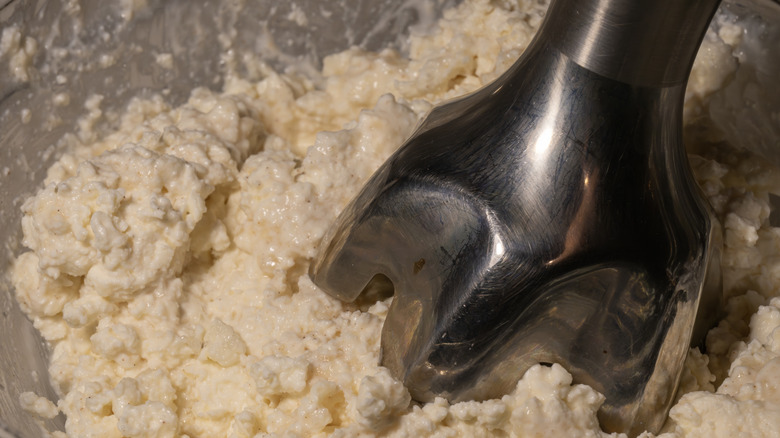
Cottage cheese is known for its lumpy texture. In some uses, that's a great thing, but other times, those chunky curds get in the way. So, if you aren't blending cottage cheese when incorporating it into certain dishes, you're making a mistake. It opens up a whole new world of possibilities, and is a perfect option for anyone who's a bit put off by the texture.
If you've ever had a fancy whipped feta dip or smooth whipped ricotta on something like banana bread or savory toast, you can do much the same thing with cottage cheese. A touch of salt (and other seasonings of your choice), a drizzle of olive oil, blend it up, and you've got yourself something delicious to dip chips or veggies into, or to incorporate into recipes.
Once blended, it's easier to incorporate into dishes like soups and sauces for creaminess. Blended cottage cheese, seasoned to your taste, also makes an excellent pasta sauce that's high in protein but feels a bit lighter than your average creamy pasta dish. And, there are far more ways to use blended cottage cheese, like in lasagna instead of ricotta, stirred into scrambled eggs to boost their creaminess, or as part of a queso sauce with other cheeses. Once you start blending cottage cheese, you'll figure out so many more ways to use it that might not have occurred to you while in its lumpy form.
Thinking cottage cheese is only good for savory recipes

So many people think that cottage cheese is only good for savory recipes, but that's a huge shame. You can incorporate it into a huge range of desserts and sweet treats. And, if you're worrying that cottage cheese in desserts is just a way of making them healthier to the detriment of flavor, it's not all like that. Sure, there are ways to make more wholesome, protein-rich desserts with cottage cheese, but you can also make indulgent fat-and-sugar-laden treats.
Full-fat cottage cheese is delicious in ice cream, for instance. It's not about making a lower-fat ice cream, but all about harnessing its tanginess and rich, creamy texture. It can also be blended to make frosting, much like you would with cream cheese. Using it in cheesecakes or baking it into cakes or cookies for added moisture are also delicious options.
It can be used in healthier types of desserts, as well, if you're looking for something sweet but not too heavy. For instance, you can make cottage cheese chocolate mousse by blending cottage cheese and melted chocolate. Adding it to banana bread boosts the protein content, and some of the sweetness comes from bananas, rather than refined sugars. You can also make creamy frozen treats, like fudgsicles and popsicles using cottage cheese. So, don't leave it just for savory dishes or you're missing out on so many tasty treats.
Assuming you can always substitute cottage cheese for ricotta
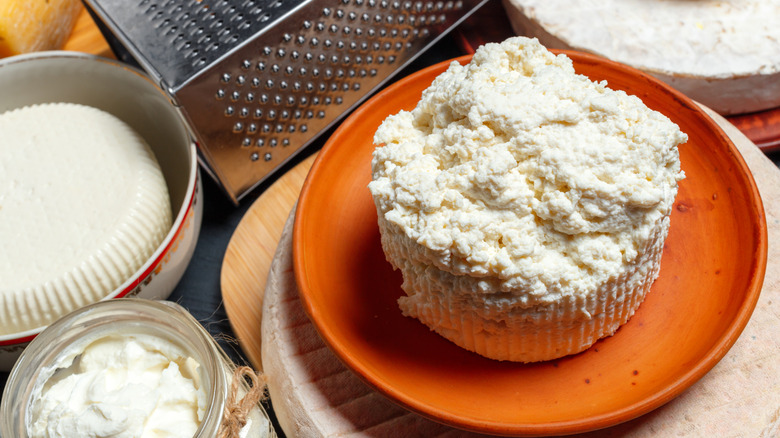
We mentioned that cottage cheese can stand in for ricotta in certain recipes and, while this is true, you shouldn't assume it works across the board. A lot of people try to substitute cottage cheese for ricotta in any old dish and then wonder why it hasn't worked. There are differences between ricotta and cottage cheese, so you need to learn how and when to switch them out to avoid messing up recipes.
Cottage cheese and ricotta aren't broadly interchangeable. Cottage cheese has larger, firmer curds, while ricotta has tiny curds that are soft and break up easily, due to differences in the way they're produced. Cottage cheese is also saltier and tangier than ricotta, which works in some recipes but not in others.
Generally, if you want to replace the ricotta in baked goods with cottage cheese, you'll need to blend it. This means it ends up with a more similarly creamy texture to ricotta. You may also want to leave out any salt or acidic ingredients in the recipe to account for the flavor difference. Blending is also a good call for dishes where you want the creaminess of ricotta to come through, like sauces and dips. You just won't get the same results with lumpy cottage cheese. Cottage cheese is also lower in fat than ricotta, which will make a difference in some recipes. Adding an extra tablespoon or so of oil to a recipe can help rectify this.
Under-seasoning cottage cheese
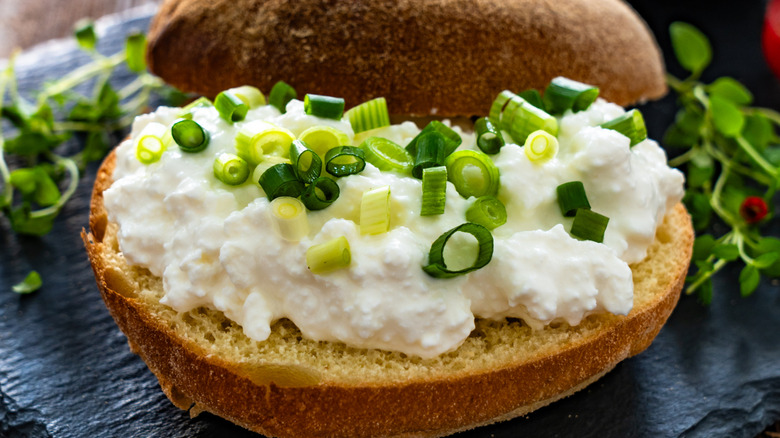
One common complaint about cottage cheese is that it's flavorless or bland. But, this isn't so much a problem with cottage cheese itself but what people do with it. After all, you wouldn't complain about pasta or potatoes being bland, you'd salt their cooking water and choose the right sauces or dressings to go with them. The mistake here is under-seasoning cottage cheese. Like many ingredients, it's not at its best eaten raw and unadulterated; you need to know what to do with it.
Salt and pepper should be your first port of call. Sometimes, all it needs is a little extra saltiness, plus a little cracked black pepper to liven it up. But, if you want more than this, there are many options to level it up with extra seasonings. For instance, you might like the herbal notes of zata'ar, the zesty kick of Tajin, or the nuttiness of dukkah. Spice blends are your friend here, adding lots of flavor with minimal effort.
But, there are also sweet ways to make your cottage cheese more interesting. Some people eat it with jelly or apple butter. You could also sprinkle on some cinnamon sugar to take it in the sweet direction. These kinds of additions are nice for breakfast with some fruit or granola. Ultimately, there are so many ways to season or otherwise elevate cottage cheese, you just have to get creative.
Thinking there are no cottage cheese options for vegans and lactose intolerant people
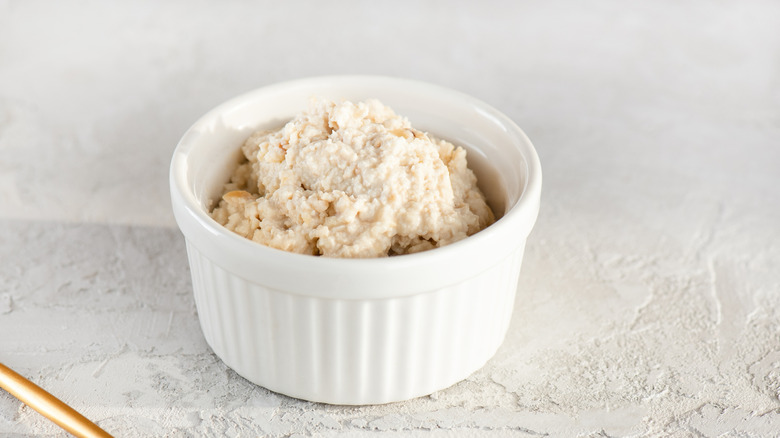
When thinking about cottage cheese, you might assume that vegans and people allergic to lactose or dairy products are automatically left out. But, this isn't necessarily the case. Sure, it might take more effort, but there are dairy-free alternatives to cottage cheese for people to enjoy. They might not be identical but they're fairly similar in taste and texture.
At one time, Miyoko's Creamery was planning on releasing a commercial dairy-free cottage cheese. It was talked about in the press, but never came to market, still the legend lives on. The unexpected ingredient in Miyoko's cottage cheese was watermelon seeds. These seeds are perfect for recreating the texture of curd-based cheese like cottage cheese, due to a protein they contain that can coagulate plant-based milk. You can make your own versions using watermelon seeds, which are available hulled from many Asian grocery stores.
There are other dairy-free options, as well. For instance, you can crumble tofu to form the "curds," before adding vegan mayo or yogurt for creaminess. Season this with salt, add vinegar for tang, and you've got yourself something similar to cottage cheese without any animal products. Of course, it won't cook or melt in the same way, but it's great for raw applications.
Winging it when using cottage cheese in baked goods
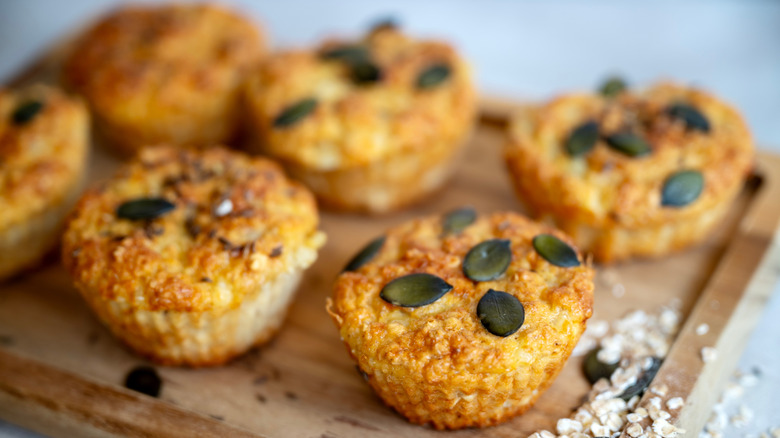
Cottage cheese can be an excellent addition to baked goods. It brings extra moisture, so you can use it in place of oil, butter, or cream in certain recipes without compromising on the texture. It also brings a subtle but pleasant tang when added in large quantities. Plus, there's the added bonus of boosting the protein content of whatever you're baking. The mistake is trying to wing it when you're using cottage cheese in baked goods. Unless you know what you're doing, just removing the butter and replacing it with cottage cheese is probably going to lead to a baking fail.
The best thing to do is to follow recipes for baked goods that already contain cottage cheese. These have been developed with this ingredient in mind and tested and tweaked until perfect. The recipe developer will have figured out the function of the ingredients that cottage cheese is replacing and used this information to adjust the recipe so that it still works. So, it's not something that you should do on a whim. You're more than likely to end up with something inedible and wasting ingredients.
Not balancing flavors when cooking with cottage cheese
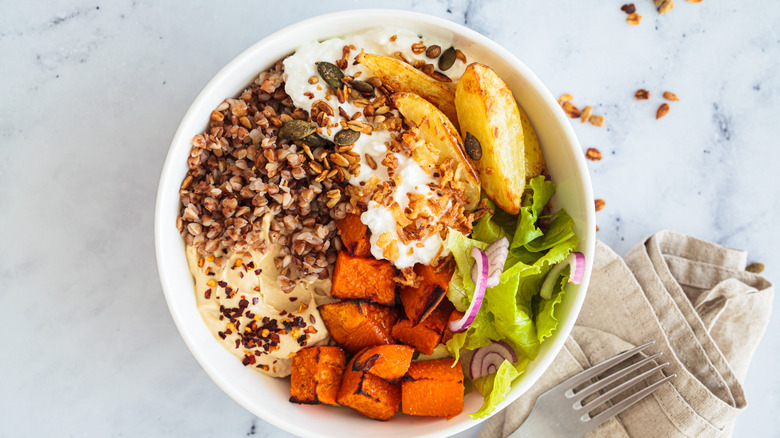
The idea of balancing flavors isn't a new one, but it's not the sort of thing everyone thinks to do with cottage cheese. But, as a fresh, unripened cheese, it's pretty mild in flavor, without a huge amount going on beyond a slight milky tang. That's why, when using it in cooking, you should make sure to use other ingredients to give you a good balance of the five core flavors in cooking: sweet, salty, acidic, bitter, and umami.
The specifics of what you add to a recipe will depend on what you're cooking, but it's good to understand what ingredients you have available to you in pursuit of this balance. Cottage cheese has acidity to it, but if you feel the dish needs more, you can add ingredients like lemon juice, vinegar, or tomatoes to level this up. Sweetness helps balance out acidity, so you might want to add sweet ingredients like sugar, maple syrup, honey, or fruits.
Salt enhances flavors in dishes and, although cottage cheese is slightly salty, most recipes will need more — it's not just salt that increases saltiness, though, you can also try salty cheeses, soy sauce, or stock. Bitterness sounds like an odd addition but can add a little something or cut through rich dishes. Ingredients like leafy greens, fenugreek seeds, and certain types of extra virgin olive oil are pleasantly bitter. Then, there's umami, a kind of savory flavor that comes from ingredients like soy sauce, dried mushrooms, and aged cheeses.