

8 Of The Biggest Food Recalls Of 2026 So Far
It seems like headlines with food recalls pop up pretty frequently for one reason or another. The product may be recalled due to a foodborne illness outbreak, meaning people get sick after consuming the same contaminated product, or if allergens are not marked clearly on packaging. Another reason for recall is if foreign objects or harmful toxins are found in the packaging. Whether the recall is voluntary — meaning the company decides to pull its product off the shelves — or if the U.S. Food and Drug Administration requests it, the end goal is the product getting off the shelves to keep us safe.
Recalls aren't something to take lightly. Historically, there have been some pretty serious food recalls ranging from deadly to just plain strange. Some recalls don't even make it to grocery stores, and if you are thinking the big box stores are safe from recalls, think again. Even beloved chains like Costco experience recalls from time to time. There have been some big-name recalls so far this year, and 2026 is only halfway over. We compiled a list of the biggest food recalls thus far that have affected retail giants from Target to Trader Joe's.
Spring & Mulberry recalls chocolate bars due to possible Salmonella contamination
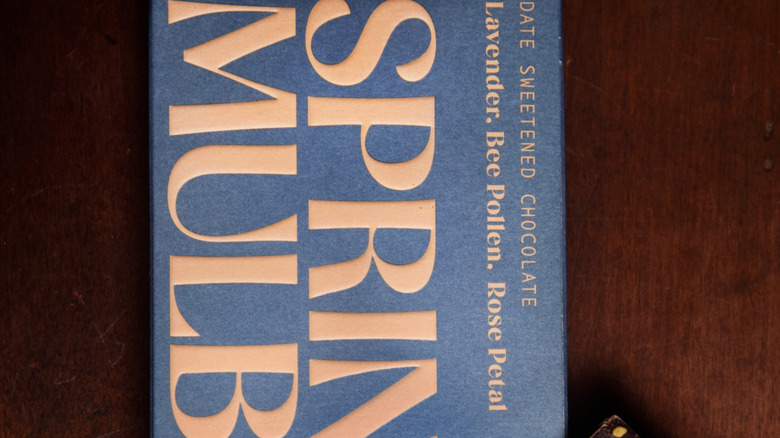
One of the earliest recalls so far this year was from Spring & Mulberry, a North Carolina-based chocolate company. The brand initially issued a voluntary recall of one type of chocolate back in January 2026, after a possible Salmonella contamination was identified in a single lot of date ingredient used in the chocolate production. However, the company expanded its recall in May 2026 from the original Mint Leaf flavor to any product made during the same time period on the same equipment as a precaution.
The affected products had been sold both online and in stores nationwide since September 2025, according to the FDA. Affected flavors include Earl Grey, Lavender Rose, Mango Chili, Mint Leaf, Mixed Berry, Mulberry Fennel, Pecan, and Pure Dark Minis with specific lot codes provided by officials. It should be noted that no illnesses were reported due to the contamination. Spring & Mulberry's recall isn't an outlier. There have been numerous big chocolate recalls over the years from brands like Nestle Toll House, Tillamook, and See's.
Powdered Milk from California Dairies Inc. recalled due to a Potential Salmonella Risk
This recall has had one of the largest reaches in 2026 so far, as it has affected numerous different types of products from desserts to snack mixes. In April 2026, California Dairies recalled powdered milk and buttermilk that were distributed to multiple wholesalers and manufacturers due to a potential Salmonella contamination risk. Though there were no illnesses reported, this prompted companies that used the affected powdered milk in other products to issue recalls. Affected products include Fireworks Popcorn from Williams Sonoma, snack mixes from Fisher, Southern Style Nuts, and Squirrel Brand, sold in retail and online via QVC, and the Mexican Street Corn Trail Mix Good & Gather brand, which is sold at Target. Specific lots of Pork King Good's Pork Rinds, as well as certain flavors of Zapp's Dirty Potato Chips, were also affected by this recall.
The recall doesn't stop at snack mixes. Ghirardelli also issued a recall of powdered drink mixes with specific lot numbers and "Use By" dates, including Frappe Mixes and Premium Hot Ground Cocoa.
Trader Joe's Recalls Fried Rice due to Potential Foreign Material
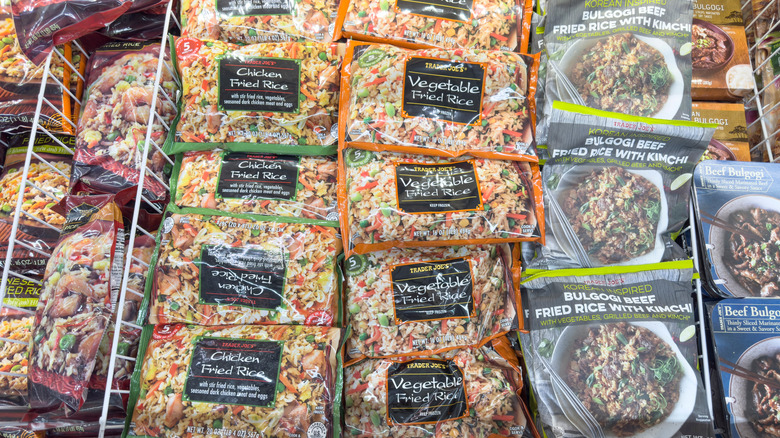
Trader Joe's has many diehard fans (myself included). However, this reasonably priced grocery chain, known for its seasonal favorites, has also fallen victim to some major recalls. One of the biggest recalls so far in 2026 was one of TJ's beloved frozen meals. Ajinomoto Foods North America issued a recall in February of Trader Joe's Chicken Fried Rice, Vegetable Fried Rice, Japanese Style Fried Rice, and Chicken Shu Mai due to a possible contamination of glass in 1-pound bags. The FDA stated the glass in question varied in size from up to 3 centimeters long and 2-4 millimeters wide.
The affected products were the Trader Joe's Chicken Fried Rice with best by dates of 03/04/2026 through 02/10/2027, the Vegetable Fried Rice with best by dates 02/28/2026 through 11/19/2026, the Japanese Style Fried Rice with best by dates 02/28/2026 through 11/14/2026, and Chicken Shu Mai with best by dates 03/13/2026 through 10/23/2026. The products were distributed in dozens of states nationwide. Though the U.S. Department of Agriculture Food and Safety Inspection Service received four complaints about the glass in the product, no injuries were reported due to consumption.
Fly By Jing Recalls Creamy Sesame Noodles Due to Potential Cross-Contact with Peanuts
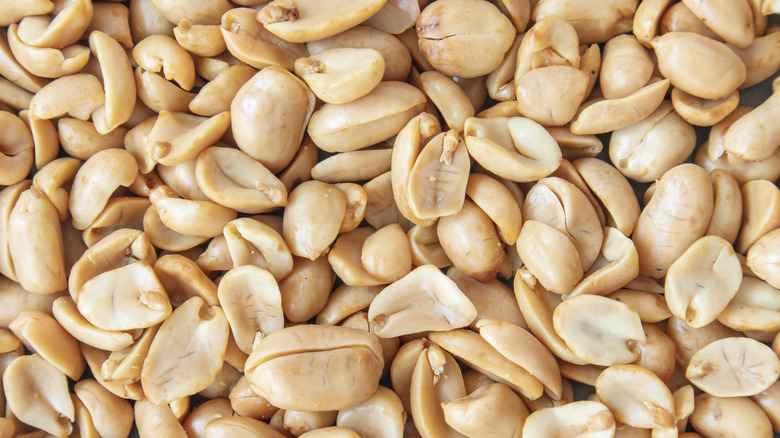
Allergens are another big reason that recalls are enacted, and peanuts are one of the most common (and life-threatening) allergens. That means it can be a huge problem when a product is potentially contaminated with peanuts, which occurred in the case of Fly by Jing's recall. The company issued a voluntary recall of certain lots of the single-pack and four-pack of Creamy Sesame Noodles after the unintended ingredient may have made its way into the product. According to the FDA, the third-party manufacturer produced the Sesame Noodles product on equipment that also processes peanuts in unspecified conditions that led to the potential of peanut contamination.
The Creamy Sesame Noodles were distributed nationwide in stores like Whole Foods and Thrive Market, as well as online, between February 1 and May 8, 2026. The FDA listed specific UPC bar codes and best-by dates in its recall announcement. It is recommended that those with peanut allergies return the product for a full refund. The recall did not affect other Fly By Jing noodle flavors. However, the company said it has implemented additional safety checks and increased its allergen-control procedures with third-party manufacturers as a result.
Ocinet, Inc., Recalls Branded Sliced Kimchi Due to Undeclared Fish
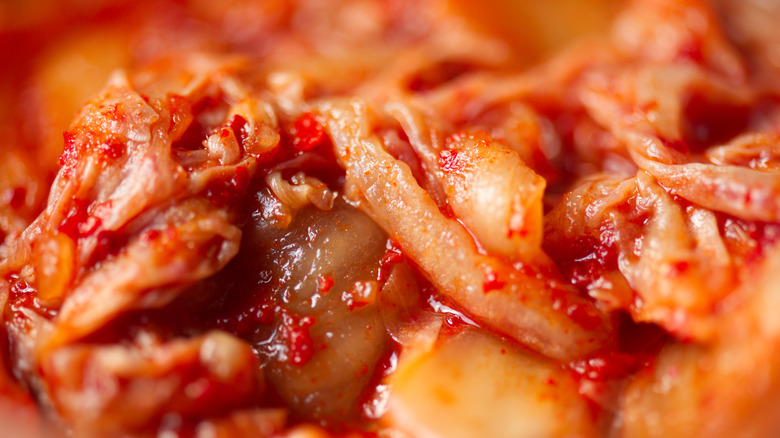
Recalls can be enacted due to labeling issues, where the product does not list an ingredient that it contains. This is particularly important when it comes to allergens. Fish is one of the most common undeclared allergens, as well as wheat, shellfish, eggs, peanuts, milk, tree nuts, sesame, and soybeans. In Ocinet's case, not listing fish on its ingredient label led to a recall in May that affected several Zion Market locations in Southern California, Georgia, and Texas. Ocient's "... And Kimchi" branded sliced kimchi was recalled in May 2026 because the product contained undeclared anchovies. The recall affected the 126-ounce clear plastic jar (UPC 8541200408), a 63-ounce clear plastic jar (UPC 8651200409), and a 30-ounce clear plastic jar (UPC 8541200411). All affected products had the "... And Kimchi" logo in red font.
No illnesses were reported, but the product distribution was suspended while the company corrected the labeling issue. In the meantime, affected products can be returned to the store purchased for a refund.
a2 Platinum USA Label Infant Formula Recalled Because of Possible Health Risk
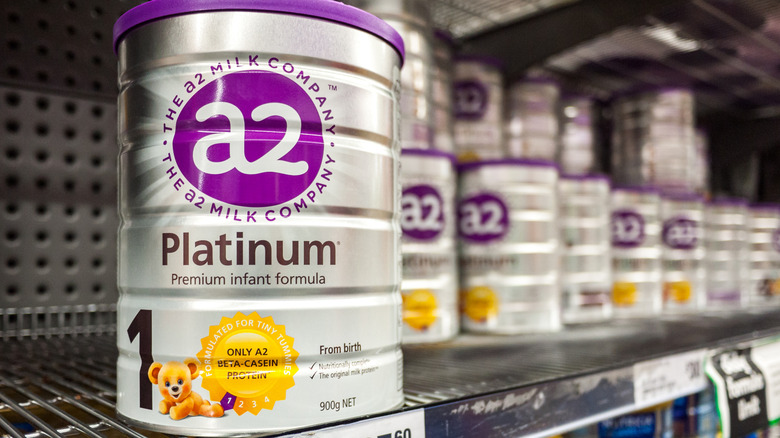
As a new mom during the 2022 baby formula shortage, I can attest to how stressful it can be when there are issues surrounding feeding your baby. When recalls are issued for infant formula, it is important for parents and caregivers to take note. The a2 Milk Company voluntarily recalled three batches, or 63,078 units, of its a2 Platinum Premium USA infant formula after finding cereulide, a heat-stable toxin produced by strains of the bacterium Bacillus cereus. Consuming food contaminated with cereulide can cause gastrointestinal symptoms like nausea and vomiting. This is particularly risky for infants, as their immune systems are still developing and can cause complications like dehydration.
Though no illnesses have been confirmed, the FDA says the batches affected by the recall must not be used. The specific product, the 31.7-ounce tin of a2 Platinum Premium infant formula 0-12 months Milk-based powder with Iron, was sold online via the a2MC website, Amazon, and at Meijer stores as part of Operation Fly Formula. It is estimated that 16,428 units were sold to consumers, with the specific batch numbers and use-by dates provided by the FDA. The a2 Platinum formula is produced in New Zealand, whose food regulatory authority's guidance for additional testing found the toxin, triggering the recall. Multiple countries have recalled batches of infant formula due to cereulide contamination since December 2025.
Public health alert issued for ravioli from Costco stores because of undeclared allergens
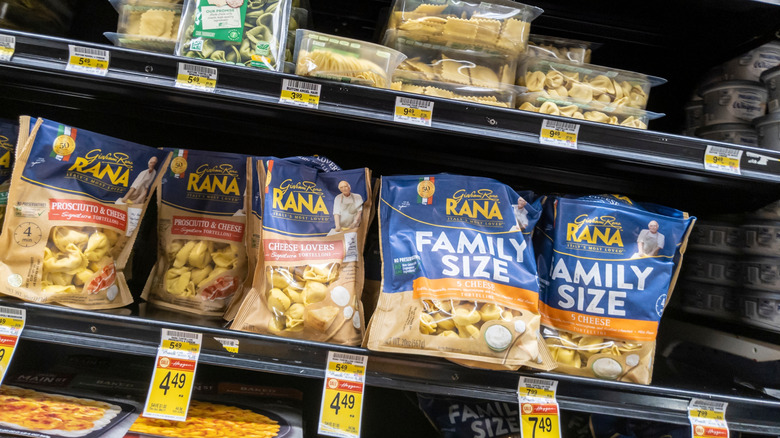
Another misbranding issue led the U.S. Department of Agriculture's Food Safety and Inspection Service to issue a public health alert in May 2026 for RANA ravioli products. Ravioli that was labeled as beef and burrata was found to contain shrimp filling in lobster sauce — without the shellfish allergen label. Though an official recall wasn't necessary due to the product no longer being available for purchase, FSIS issued an alert to notify those with shellfish allergies who may have already purchased the items.
The affected items were 32-ounce plastic bag packages containing Giovanni Rana RANA Rustic Beef Sauce & Creamy Burrata Cheese Ravioli with use-by dates ranging from 05/14/2026 to 06/25/2026. They were shipped to Costco stores in Maryland and New Jersey. Retailers alerted officials after two consumer complaints reporting that the beef and burrata ravioli contained shrimp ravioli instead. There haven't been reports of illnesses or allergic reactions, but those who are concerned with consuming the products should return them to the retailer or throw them away.
Horizon Organic Milk Recalled Over Packaging Concerns
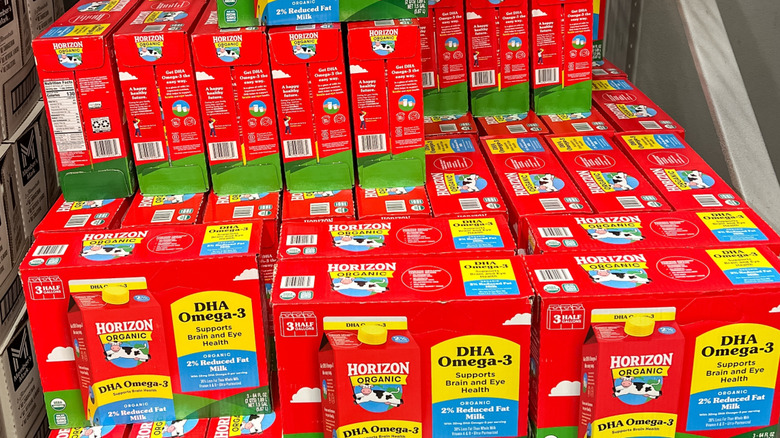
Horizon Organic Dairy, a popular milk company, voluntarily recalled more than 60,000 cartons of milk in March 2026 over a packaging seal issue. The affected product was 6-packs of the 8-ounce Shelf Stable 1% Lowfat DHA Omega-3 Chocolate Milk Boxes with best-by dates of August 14, 2026, and August 15, 2026. The milk was distributed to stores in Arizona, California, Nevada, and Oregon.
Horizon Organic Dairy said in a news release that the seal issue caused the packaging to appear bloated and leak, which could in turn result in "premature spoilage and may have an unpleasant taste, odor, and/or texture." The company says it has taken action to correct and prevent the packaging issue moving forward. If you purchased the affected milk, you can throw away the milk, but keep your proof of purchase, and contact Horizon Organic for refund eligibility.