

11 Best Rosé Bottles Under $15 In 2026
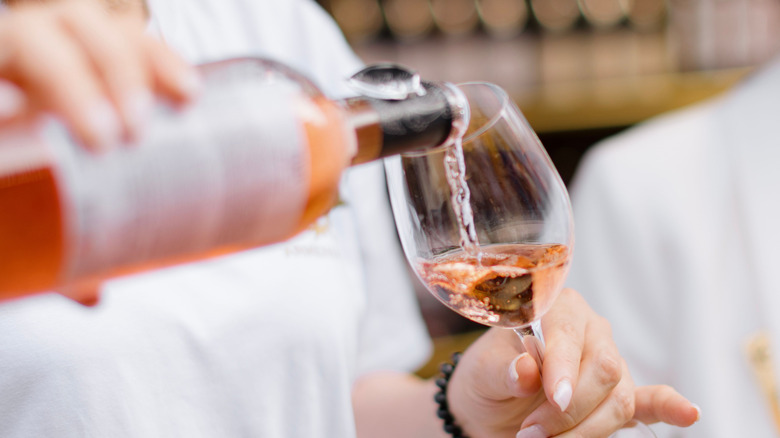
Rosé wine is all the rage during the warmer months of the year. With colors that range from the palest of pinks to bright coral to rich cherry red, rosé wines have a crisp, refreshing style and ripe fruit flavors that make them the perfect accompaniment to enjoy with the lighter flavors of summer. Some options are also highly gastronomic, pairing well with a rich bouillabaisse, spicy Thai or Mexican dishes, and everything on your Thanksgiving table.
Although premium-priced rosé wines are widely available, enjoyable rosé doesn't have to cost a fortune. Dozens of well-priced rosé wines are available if you do a little smart shopping. As a Certified Sommelier and long-time wine writer and reviewer, I have narrowed the list of options to the 11 still and sparkling wines featured here. After taste-testing a range of rosé wines, I believe each of the noted selections delivers far more than expected for their low price and fits a range of palates — from those looking for a rosé to enjoy at end-of-summer picnics and pool parties, to drinkers who enjoy pairing their wines with food. While prices are subject to change, each of these wines is available for under $15 in 2026.
Willamette Valley Vineyards Whole Cluster Rosé of Pinot Noir
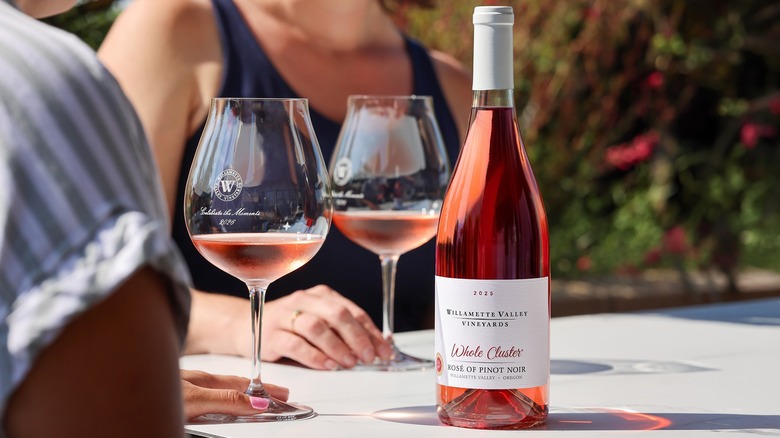
Willamette Valley Vineyards uses whole clusters as part of the winemaking process for its Willamette Valley appellation rosé. By leaving the grapes on the stems, the wine gains an additional level of complexity, along with an herbaceous character. Typically, a winemaker includes only a portion of whole cluster fruit for this type of production. Willamette Valley Vineyards uses whole clusters for about half of the hand-harvested pinot noir fruit while whole-berry pressing the rest.
The resulting wine has depth and texture, with a crushed-stone, mineral note from the iron-rich, volcanic soils of the region. The rosé shows notes of wild strawberries, red cherries, pomegranate, and crushed, woody herbs, with 13% alcohol content. The wine's acidity carries from the front palate to the back, finishing crisp and fresh. Its brightness pairs well with fresh grilled salmon or herb-crusted, roasted pork tenderloin. While the wine's price varies, it is available for as low as $14.87 for a standard 750-milliliter bottle.
Bodegas Beronia Rioja Rosé
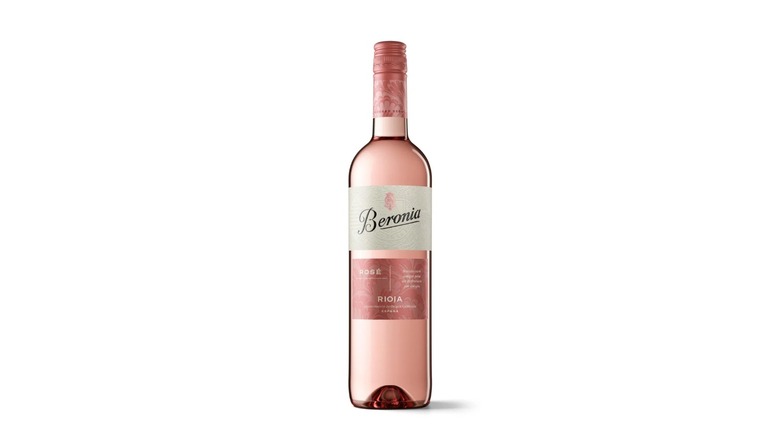
Blending Tempranillo with Garnacha (AKA Grenache) from the Rioja region of Spain, Bodegas Beronia crafts a fruit-forward Rioja Rosé. While the average price of Bodegas Beronia's pretty rosé is $18, it is available for as low as roughly $14.60 at select retailers.
To produce the wine, the winery systematically harvests the fruit, avoiding early picking and waiting until each variety reaches optimal ripeness. With a dry yet juicy palate, the wine opens with layers of fresh cherries, ripe red berries, golden peaches, and wild herb flavors. These are complemented by aromas of fresh roses and red fruits, and a smooth, crisp finish that lingers.
With 13% alcohol, the wine pairs well with soft cheeses, such as chèvre or triple cream, light summer vegetable pasta, or seafood dishes, such as a classic nicoise salad loaded with fresh tuna. Employing a sustainable approach in the vineyard and winery, the historic Spanish producer began making wine in Rioja in 1973. Bodegas Beronia is the first LEED pre-certified winery in Europe for its environmentally focused building design.
Ferrari-Carano Dry Sangiovese Rosé
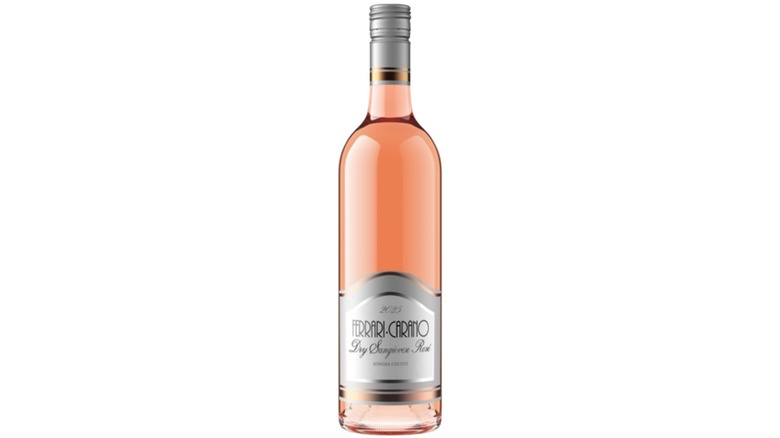
The beauty of a rosé wine is that winemakers can use any red grape variety to produce a crisp, fruity, and refreshing wine. While varieties such as Pinot Noir, Grenache, and Syrah are common, other options, such as sangiovese, work extremely well in rosé thanks to the wine's natural fresh acidity and balanced tannin. While it is one of Italy's favorite varieties, vintners worldwide grow luscious sangiovese for rosé and red wine production. You can often find this juicy option, Sonoma County's Ferrari-Carano Vineyards and Winery's Dry Sangiovese Rosé, for around $12 per standard bottle.
The wine blends 75% sangiovese fruit with pinot noir and the black muscat table grape. Black muscat lends sweet, fruity, and floral aromas to the dry rosé, harmonizing with the red berry and cherry notes of the pinot noir. Bringing the two together with sangiovese creates a wine with notes of stone fruit, white flowers, and red fruits, with just a touch of the herbaceous, tomato-leaf quality that sangiovese brings. At 13.5% alcohol, the wine has racy acidity and a dry yet fruity character.
While the wine is crisp and refreshing, there is enough weight to pair with heartier flavors, such as a grilled steak marinated with pomegranate molasses. The pomegranate's sweetness and tangy acidity will harmonize with the wine's fruit-forward flavors. At the same time, the texture and tannin of the rosé will cut through the richness of the steak.
Stoller Family Estate Willamette Valley Pinot Noir Rosé
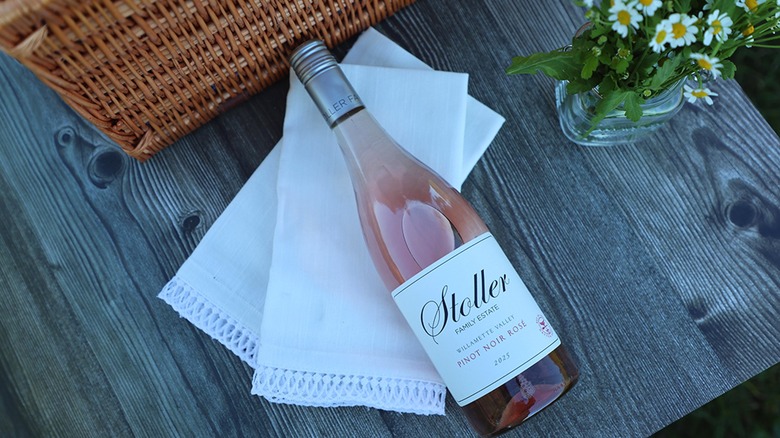
Willamette Valley's Stoller Family Estate crafts its luscious Pinot Noir Rosé to highlight the juiciness of the fruit, showcasing ripe red berries, tangerine, and fresh watermelon flavors in every sip. Blending fruit from throughout the region, including its Dundee Hills estate, the rosé is easily enjoyed with grilled fish, light pasta dishes, or fresh summer salads, such as a chicken and melon salad with creamy feta dressing, which boosts the wine's ripe melon notes. Its enjoyment is amplified when you can find the wine with 13% alcohol content for under $15. While the suggested retail price is $28, select retailers offer the wine for as low as $14.95, making Stoller's rosé a case-worthy buy.
As vintners in the Willamette Valley since 1993 and winemakers since 2001, Stoller Family Estate is known for crafting expressive wines with character, focusing on cool-climate varieties that thrive well in the area, including pinot noir and chardonnay. With a focus on sustainability and working with energy efficiency, the winery was the first in the world to achieve LEED Gold Certification (Leadership in Energy and Environmental Design) in recognition of its efforts to reduce its environmental footprint.
Famille Perrin La Plume de La Vieille Ferme Rosé
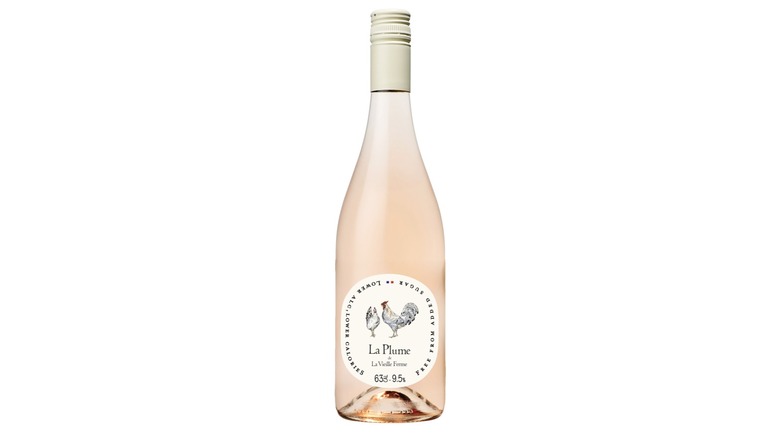
For those looking for a refreshing rosé with lower alcohol and fewer calories, France's Famille Perrin offers its La Plume de La Vieille Ferme Rosé. With a low price of around $10 or less, La Plume is the perfect wine to sip poolside throughout the summer. It is a delicate, fresh rosé wine blending Cinsault, Grenache, and Syrah — all classic Rhone Valley varieties often used for the production of rosé wine. Cinsault lends fresh floral, tea, and spice notes with red fruit flavors. Grenache enhances those fruity qualities and adds herbaceous notes. Syrah adds color and body, rounding out the wine's palate and adding weight with blue and black fruit flavors.
For La Plume, Famille Perrin crafts the French table wine from fruit grown at higher elevations where fruit can retain fresh acidity, a necessary component for crafting crisp, light, lively rosé. The wine hits an alcohol level of around 11.5%. Then, through a process known as partial dealcoholization, the winery removes around 2% of the alcohol. The resulting wine has 9.5% alcohol and 63 calories per serving, making it an easy-to-drink selection with a fresh character.
Gérard Bertrand Côte des Roses Rosé
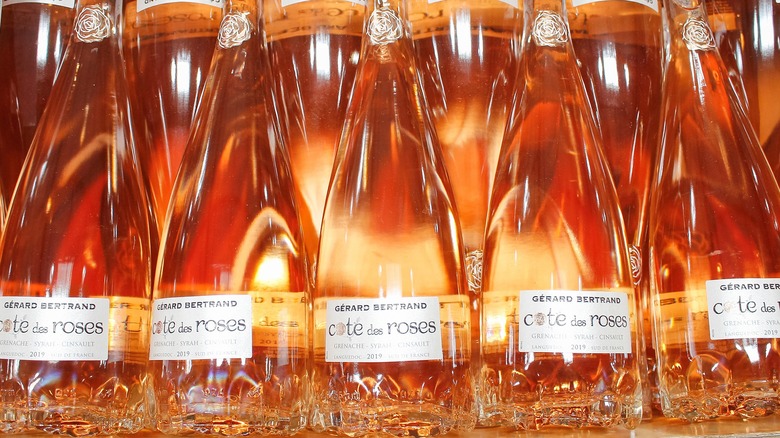
Biodynamic wine producer Gérard Bertrand crafts its Côte des Roses Rosé from France's Languedoc region. It does this with incredible affordability for its quality. Unlike the high prices that some premium rosés from neighboring Provence often carry, Gérard Bertrand Côte des Roses Rosé can be found for as low as $13.65 at select retailers.
The winery produces the rosé from a blend of Grenache, Syrah, and Cinsault grown in limestone, schist, and gravel soils of the Languedoc. Located in the southernmost portion of France near the Mediterranean Sea, Languedoc is known for producing robust, inky, full-bodied red wines thanks to the region's ample sunshine and hot, dry Mediterranean climate.
Gérard Bertrand bottles the rosé as soon as possible after fermentation is complete to preserve the wine's ample freshness and fragrant aromas. When you taste this 13% alcohol wine, you will first notice aromas of fresh citrus and peach blossom, with ripe red berries and fresh melon. These characteristics carry through to the palate, mingling harmoniously with juicy grapefruit, lemon peel, and mandarin orange, with a crushed stone, mineral note, a characteristic that the mineral-rich soils lend to the wine. With its elongated neck and rose-shaped base, each bottle of Côte des Roses Rosé is as pretty on the outside as the dry wine is delicious on the inside.
La Marca Prosecco Rosé
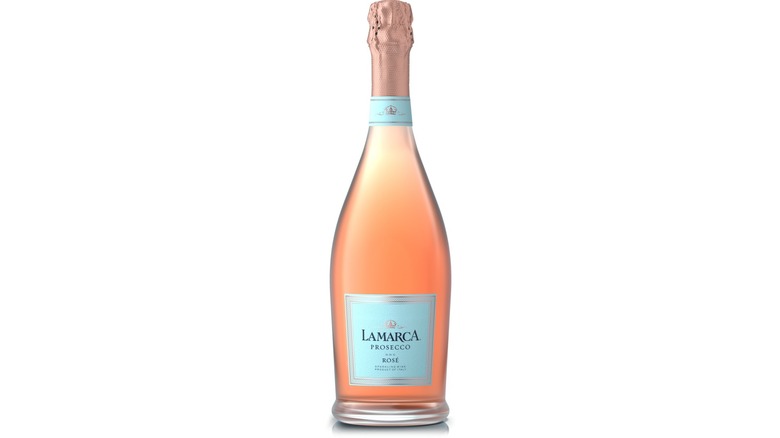
Prosecco and Champagne have a lot in common. They are both well-loved sparkling wines that represent their terroir. However, unlike Champagne, sparkling Prosecco is usually produced via the Charmat method. The method uses pressurized tanks to create the wine's bubbles. It is the main difference between the two types of sparkling wines – with another major difference being the price. A bottle of Rosé Champagne can cost hundreds to thousands of dollars. Prosecco is much less expensive. You can easily find a quality bottle of Prosecco rosé for under $15, as displayed with La Marca Prosecco Rosé. The sparkler is available for as low as $13.97 for a standard 750-milliliter bottle.
The Prosecco DOC (Denominazione di Origine Controllata) introduced a rosé category in 2020 to capitalize on the popularity of rosé wines. It requires the wine to contain between 85% and 90% Glera grapes. Pinot Noir makes up the remaining 10% to 15% of the blend, giving the wine a pretty coral-pink hue and red fruit flavors. With 11% alcohol content, La Marca's flavors are juicy and sweet, with red apple, ripe berry, and peaches and cream. This wine has a frothy, lively mousse that stays fizzy throughout the time it takes you to enjoy a glass, easily enjoyed from cocktail hour through dinner. The approachable, balanced sparkler's sweet, fruity flavors pair perfectly with spicy Thai or Indian dishes, such as Thai red curry with shrimp.
Cavas Naveran Brut Rosé Cava
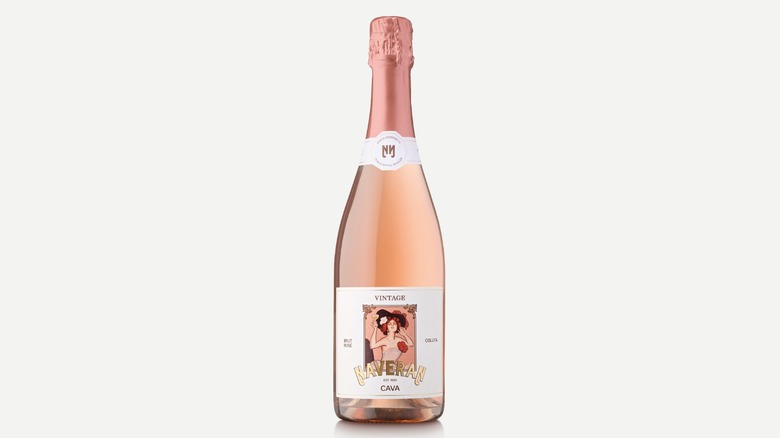
Cavas Naveran ensures the most authentic expression of the terroir in its wines by focusing on eco-sustainability and respect for the land, as shown in its Cavas Naveran Brut Vintage Rosé Cava. Cava uses the traditional production method, similar to Champagne. With this technique, the secondary fermentation that creates the bubbles occurs in the bottle instead of in tanks.
Naveran ages its Brut Rosé Cava for up to 24 months on spent yeast known as lees, giving the wine a creamy texture, rich body, and lengthy finish. The wine is a blend of Pinot Noir and Parellada picked from select plots throughout the estate. The latter variety is native to Spain and widely used in cava production, adding elegance and floral freshness. Pinot Noir adds depth, richness, and red fruit flavors. Aromas of citrus and peach blossom, red apple, and cherries leap from the glass, followed by flavors of stone fruit, red berries, pastry, and cream. With 12% alcohol content and zesty, energetic bubbles, it is an excellent aperitif to wake up the palate. Although the average price is around $22, select retailers offer it for as low as $14.99.
Cavas Naveran was founded in Spain's Alt Penedès region in 1984. However, the estate's vineyards were originally planted in the late 1880s. The winery is a certified Cava producer, guaranteeing its commitment to quality standards. Naveran is located just an hour outside of Barcelona, where the estate farms its almost 272 acres of vineyards and woodlands organically.
Gruet Brut Rosé
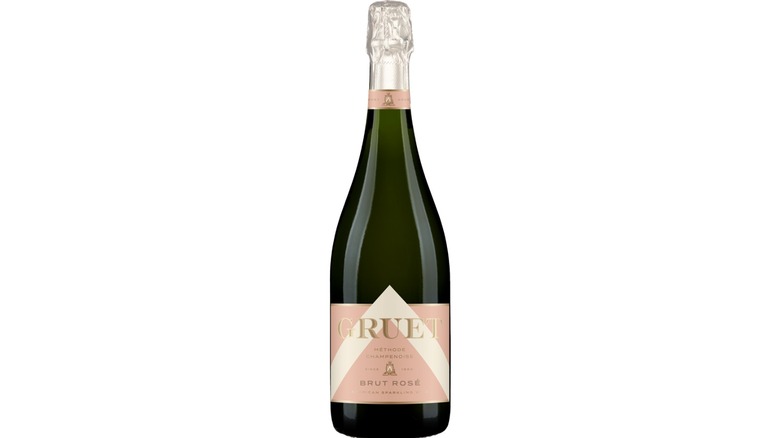
New Mexico may seem like an unlikely place to produce wine, but incredible wineries in every state craft site-specific wines with character. One of New Mexico's leading producers of sparkling wine is Gruet. Aging for 24 months in the bottle, Gruet Non-Vintage Brut Rosé is a 100% Pinot Noir wine with 12% alcohol. The wine marries luscious ripe raspberries, strawberry pie, and wildflower notes with crushed stone and fresh cream. While the sparkling wine has rich, fruit-forward flavors, the freshness keeps the palate lifted, ensuring balance from the first sip to the last. It is a wine that can be enjoyed with sweet and savory dishes, such as a light and creamy seafood pasta or a traditional strawberry shortcake.
With French roots, the Gruet Family began with an experimental vineyard of Chardonnay and Pinot Noir in Engle, New Mexico, in 1984. Today, the winery follows the traditional method of sparkling wine production – similar to how its sister winery, the G. Gruet et Fils Cooperative, produces its Champagne. A non-vintage Gruet Brut Rosé is available for $17 through the winery. However, you can find this lively sparkler for as low as $11.35 at select retailers. It is a bargain considering the time and effort required to produce sparkling wine in this style.
Château d'Esclans The Beach by Whispering Angel
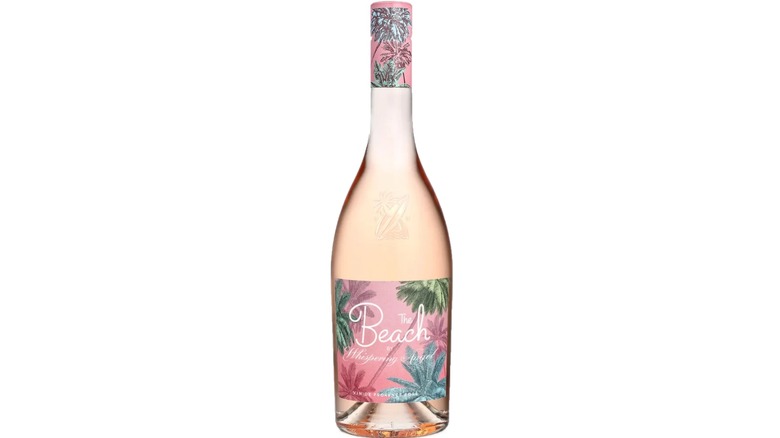
The Beach Rosé is a soft, crisp, light wine you will want to drink all summer. The wine comes from French producer Château d'Esclans, also the producer of the popular rosé brand Whispering Angel. While Whispering Angel has an average price of $26 for a 750-milliliter bottle, you can find this sister wine for as low as $13.98.
The Beach rosé by Whispering Angel hails from Côteaux d'Aix-en-Provence, one of the premium areas in the Provence region for growing the wine's blend of Cinsault, Grenache, and Syrah. Fermentation in stainless steel keeps the wine's bright, crisp, fruity, fresh aromas and flavors at the forefront. This easy-to-drink option with 13% alcohol shows fresh wildflowers, soft herbs, ripe stone fruit, and citrus notes. Beyond its approachable style, the wine reflects a commitment to sustainability and beach preservation, recognizing that protecting the planet — including its pink sand beaches — is a necessary responsibility.
Prophecy Rosé
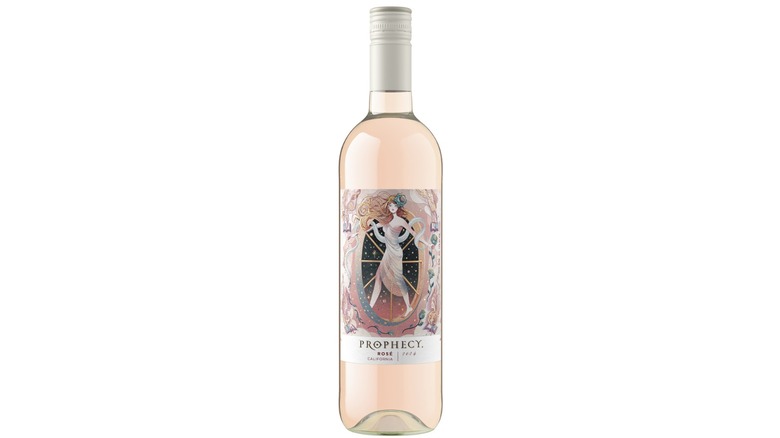
Prophecy Wines hopes to captivate your senses with its wines, revealing something more than what may be typically expected. With highly artistic, eye-catching labels from award-winning artist Victo Ngai, the winery crafts its selections to show authenticity and varietal-correct character, sourcing fruit from premier locations worldwide. The Prophecy Rosé was formerly a French wine blend. However, in 2022, the brand began producing the wine exclusively from sun-ripened California fruit. Today, Prophecy Rosé delivers a juicy yet dry rosé from a blend of Grenache, Barbera, and Tempranillo. Each variety brings essential characteristics that create a harmonious blend.
Barbera adds acidity, with blue fruits and earthy herbaceous qualities, while Grenache lends juicy, red fruit flavors, and Tempranillo adds black fruit notes. With an average price of $14 for a 750-milliliter bottle, this 13% alcohol wine has wonderful freshness, layering ripe raspberry, wild strawberry, and ripe grapefruit flavors with aromas of soft herbs, citrus, and dried flowers. It's a delicious wine to pair with your next charcuterie and cheese board. The wine's freshness will help cut through the richness of the meat and cheese.
Methodology
To put together this recommendation of rosé wines to enjoy in 2026 for under $15, I gathered a selection of options, either through samples from the winery or private purchases, and conducted a tasting to find the best selections to recommend. The number of wines I tried exceeded those listed in this feature, as I felt not all were worthy of being called the best of the year.
I used my experience, knowledge, and training as a Certified Sommelier, Certified Specialist of Wine, Spanish Wine Scholar, and wine writer with 20 years of industry experience to help narrow the recommended options and assist with my recommendations.