

4 Disadvantages Of Using A Keurig For Your Morning Coffee
We may receive a commission on purchases made from links.
Keurig machines have become a fixture in millions of homes and hotel rooms across the United States since bursting onto the North American coffee maker market around the 2000s. The single-serve machines use pressure to quickly force water through a sealed plastic pod filled with ground coffee. This allows users to brew up a cup of joe in seconds without so much as laying eyes on a coffee bean — no measuring, filters, or emptying grounds necessary.
This undeniable convenience has firmly established the use of single-serve brewers like Keurig as one of the most popular coffee preparation methods in America. However, the surface-level ease conceals disadvantages that are important to consider when deciding which approach is right for you.
One issue is that Keurig machines are deceptively difficult to clean. Another problem is that they produce a significant amount of plastic waste. Additionally, the cost of those K-Cup pods adds up over time and limits the kinds of coffee you can make.
They're a pain to clean properly
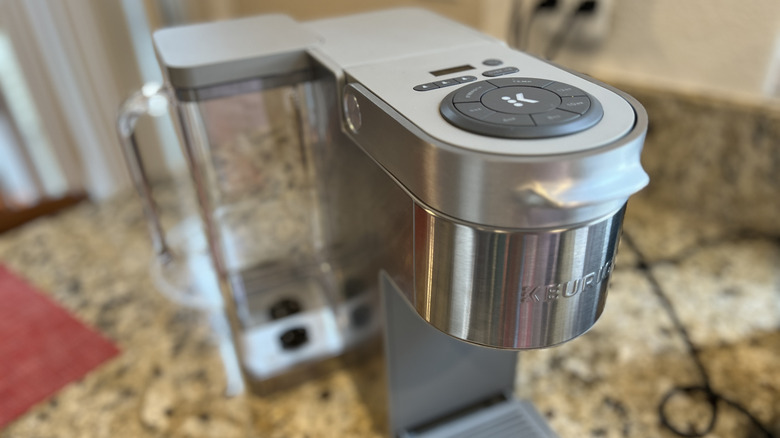
One of the biggest attractions of Keurig machines is that there's no need to measure out coffee (and inevitably spill it all over the counter) or empty used grounds. All you have to do is drop the pod in and toss it when your coffee is done brewing, which is certainly appreciated on a busy morning. (In fact, "Keurig" is a Dutch word often translated as "neat.") However, using one of these devices certainly doesn't eliminate coffee-related cleaning tasks. On the contrary, various people have complained that the machines are deceptively difficult to maintain.
Keurig recommends wiping down the machine and washing external components (such as the drip tray and water reservoir) daily. It also advises cleaning the pod holder, funnel, and exit and entrance needles weekly. Additionally, you should descale the machine and change the water filter every three months. A dirty machine could not only be gross but also cause your K-Cup coffee to taste weird. If your priority is reducing overall coffee cleanup, some people suggest going for classic pour-over, a moka pot, or an AeroPress manual immersion brewer.
They're bad for the environment
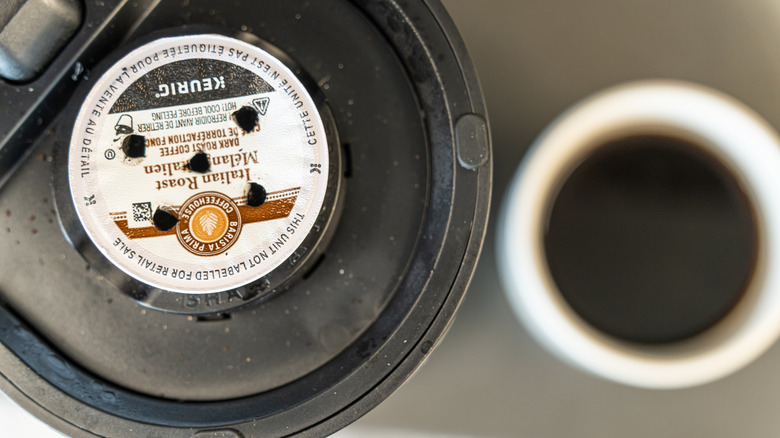
One of the most widespread complaints about Keurig machines is the massive amount of plastic waste they generate. Based on data from the National Coffee Association and Statista, Consumer Reports estimated that Americans toss over 50 million K-Cup pods daily. In a 2015 interview with CBC News, the creator of Keurig admitted he regretted inventing the machines because of the stunning amount of plastic waste they have generated over the years. The company tried to address the issue by transitioning to recyclable K-Cup pods in 2020, but it has since faced multiple lawsuits over misleading sustainability claims, as the pods are extremely difficult to recycle and are not accepted by many facilities.
At the time of the writing, the company's website states that "100% of [its] K-Cup pods are made from recyclable material." However, it qualifies that claim: "Check locally. Not recyclable in many communities, excluding lid and coffee grounds." In other words, you have to peel off the lid, toss the coffee grounds (ideally into your garden), and then you might be able to recycle them.
While coffee pods really are bad for the environment, in all fairness, all coffee making methods have some degree of negative impact. When using a Keurig, the most sustainable solution is to opt for a reusable pod which you can fill with your own ground coffee. However, this pretty much negates the convenience of the device, as you'll have to measure out the grounds and clean the pod after each use.
They're more expensive in the long run
The upfront cost of a Keurig is typically between $50 and $200. This falls on the lower end of the price you should pay for a good coffee maker in 2026, which is about $180 to $600. However, the real profit is in the pods. Prices can vary widely based on the quality of the beans, but even within these broad ranges, the difference is clear: K-Cup pods can cost $0.40 to over $1 per cup, while a cup of pour-over or drip might set you back $0.10 to $0.50. This may not seem like much, but it can add up to hundreds of bucks over time.
Cleaning costs are also worth considering – a three month Keurig care kit sells for about $20 on the company's website, meaning a year's worth of cleaning materials could easily set you back more than the machine itself. What's more, Keurig machines usually don't last much more than five years. Their lifespan can also be much shorter, especially if you're not following the cleaning regimen mentioned above (by the way, here's our hot tips for extending the longevity of your coffee maker). If you're looking for a more enduring coffee-making method, consider an Instagram-famous moka pot such as the Bialetti Moka Express. It has been praised for its buy-it-for-life design and can last well over a decade.
K-Cup pods limit your coffee options
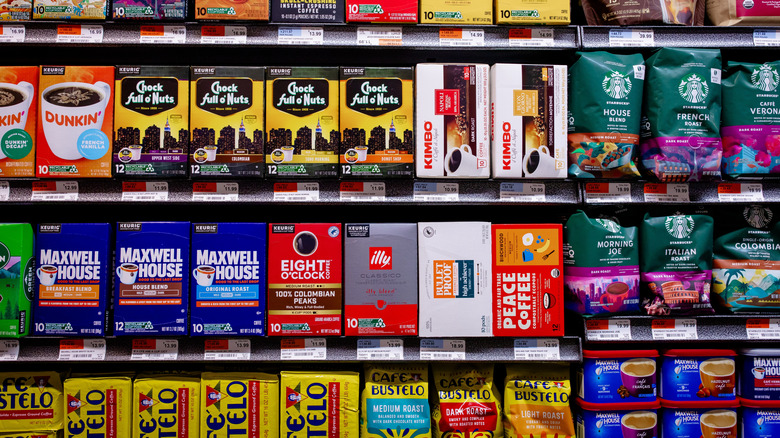
One of the reasons many serious coffee snobs reject Keurig machines is that they severely constrain your bean options. Once you buy a Keurig, you're effectively limited to what's available in K-Cups or Keurig-compatible pods. The good news is that Keurig no longer has a monopoly on pods – the patent on K-Cups expired in 2012, meaning third-party companies have been free to make their own Keurig-compatible pods for well over a decade.
Still, the market isn't as competitive as it might seem. For example, the popular coffee brand behind Costco's Kirkland coffee pods is Green Mountain Coffee, which is owned by Keurig Dr Pepper. Keurig is also behind Dunkin', Starbucks, McCafé, The Original Donut Shop, Peet's, and Folgers branded pods. To be fair, there are plenty of K-Cup options in almost every roast and style (for example, a Mashed reviewer found that the Keurig Coffee Collective collection includes roasts to please every palate). However, if you find a great fair trade coffee brand or your favorite coffee shop is selling some single-origin beans you want to try, your only option is to use a refillable K-Cup pod. As mentioned above, this kind of defeats the point of using a Keurig machine. Moreover, some people complain that the reusable pods tend to produce weak coffee and are prone to leaking and other issues.