

The Most Unexpected Chain Restaurant Closures To Happen In 2026
Heading out to dinner this week? If you're thinking about a chain restaurant, you might want to call in advance to make sure they're still open. The last several years have been challenging for all restaurants, and household names are no exception to this. Rising inflation and a weakening employment market have caused many families to swap a sit-down experience for takeout or fast food, and restaurants themselves have to battle price increases.
Some restaurant chains also may have expanded too quickly, causing many cities to become oversaturated with too many dining establishments for the amount of people living there. On top of that, corporations and franchisees alike are struggling with financing because of high interest rates.
All of these headwinds have caused a lot of brands to rethink profitability; and some have even filed for bankruptcy with attempts to restructure. In many cases, that's caused locations to shut down with little to no warning, leaving diners and employees in a lurch.
What are some of the most shocking restaurant closures of 2026? Here are 12 that barely had time to say goodbye and that caught many of us by surprise.
1. O'Charley's Restaurant and Bar
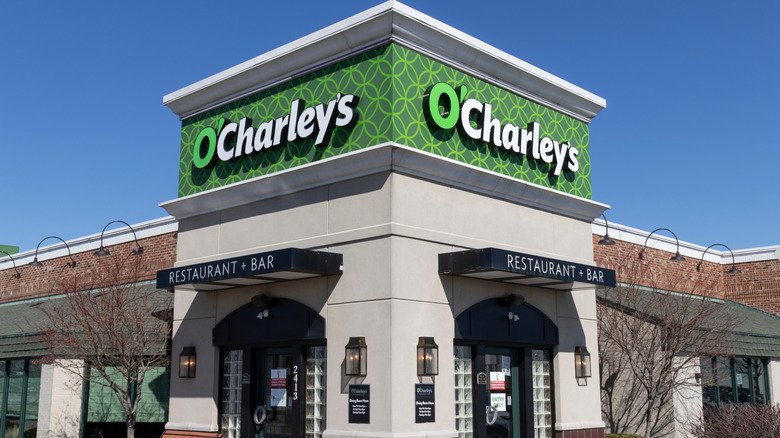
O'Charley's started out as a local Nashville restaurant in the early 1970s and eventually expanded to over 250 locations across the country. The Southern menu was anchored by free yeast rolls that kept customers coming back, at least until 2023. That's when one large cut of restaurants took place, with 50 locations shuttering their doors as neighboring retailers continued to close.
That consolidation wasn't enough to save the chain. The remaining 49 locations permanently shut in 2026. Many of the closures were sudden, with little warning given to employees. In Tennessee, employees across the region were only told the night before that the restaurants would close at 8 p.m. the next day.
There has been little communication from the corporation, which declined to respond to media requests. The brand's social media accounts have also been shut down. The O'Charley's website has a brief thank you message for customers, along with contact information where creditors can file a claim.
Mourners have taken to Reddit, with many people reminiscing about their favorite dishes, like the Cajun chicken alfredo and the Southern pecan chicken salad. But, others also discussed the decline in food quality and portion sizes in recent years — likely a last-ditch attempt to turn around profit margins.
2. True Food Kitchen
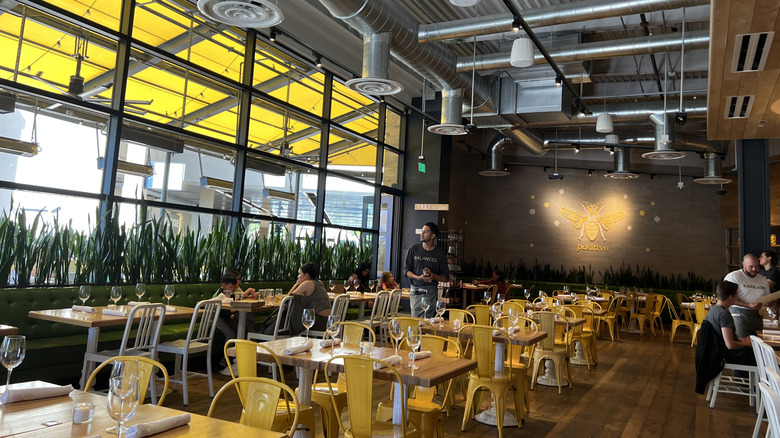
Having Oprah as an investor hasn't been enough to protect True Food Kitchen from filing Chapter 11 bankruptcy and subsequently closing multiple locations. The health restaurant uses fresh ingredients, grass-fed beef, and recipes meant to increase diners' longevity. It also stopped using seed oils in 2025.
But, the costs associated with these menu items as well as several operational issues have caused True Food Kitchen to close 12 out of 46 locations across the country. For instance, a pandemic-era business model using ghost kitchens and another iteration with only take-out available both were never successful.
Maintaining food quality has also presented a challenge. Like other restaurants and grocery stores, True Food Kitchen wasn't immune to the recent cyclospora outbreak in iceberg lettuce. Health-forward restaurants with extensive salad menus were particularly hurt by this outbreak, and True Food Kitchen was no exception. Finally, there have also been questions raised over how nutritious the food actually is even beyond the lettuce quality, particularly when looking at the heavy sodium content.
While 25% of the restaurant brand's locations have closed, its leadership hopes that a reduced footprint will turn around existing establishments. But, if you frequented locations in San Diego, Miami, Chicago, New Orleans, Bethesda, or New York (just to name a few), you may need to look for somewhere else to get your grain bowl or salad fix.
3. Wendy's
While Wendy's is performing well overseas, the burger chain's U.S. footprint is shrinking. It lost 289 locations in the first six months of 2026. That may not seem like a lot since there are 5,700 locations across the country, but more closures are expected because of declining sales.
Wendy's primarily operates as a franchise business, so many of the closures are being initiated by franchisees with multiple locations. Their goal is to slim down their portfolios in order to focus on better-performing locations. And, one of the largest franchisors in the nation actually filed for bankruptcy earlier this year, which may be a warning bell to other owners.
Out of 60 restaurant chains, Wendy's has consistently ranked in the bottom five, despite holding its own against McDonald's in a head-to-head burger taste test. Same-store sales were down 7% in a single quarter, even though competitors, like Burger King, are thriving.
Wendy's CEO blames focusing on efficiency over quality. Plus, other fast food restaurants, like McDonald's, have done a better job at incorporating multiple low-priced value menu items that bring in budget-conscious customers. In other words, being home of the beloved Frosty may not be enough to keep Wendy's doors open at every current location.
4. Papa John's
Multiple pizza chains are vanishing across the country, and Papa Johns' is no exception. 2026 kicked off a multi-year plan to close as many as 300 locations across 17 states. States with the most closures include Arizona, California, Florida, and Texas so check availability the next time you have a craving for that iconic Papa John's garlic sauce.
One of the major pain points for pizza restaurants across the board is that many people are choosing other cuisines when they go out to eat. Pizzerias are dropping in popularity, especially as options like Mexican restaurants increase. Even when pizza is on the menu, tight food budgets are pushing families towards frozen pies or cheaper local establishments.
What does this mean for Papa John's? The decision of which locations to close isn't random. The company has created a formula to pick which ones make the cut and which ones will be closed in this wave of restructuring. The threshold includes stores that are older than a decade with an average unit volume below $600,000. The chain is also selling some of its corporate-owned locations to franchisees.
In the second quarter of 2026, North American same-store sales dropped more than 8%. Hopefully, this streamlining will keep the company's head above water and pizza lover's tummies full.
5. Starbucks
Starbucks had a bout of sudden closures this year, impacting 250 cafes with an announcement made just a week before it happened. That's only 1% of the brand's North American footprint, but this will still disrupt a lot of customers' coffee run routines. Signs went up on cafe doors to alert customers of the news and direct them to another location via QR code. The company expects the closures to cost $300 million in broken leases, employee severances, and asset losses.
On top of that, Starbucks' new cafe openings are slowing to a pace of just 440 instead of 650, as previously anticipated. All of these changes are part of the brand's "Back to Starbucks" campaign. The plan is to renovate locations and recapture traditional coffeehouse vibes, instead of focusing on speed and efficiency. So, if you've missed seeing your name handwritten on the side of your to-go cup, you may appreciate the turnaround.
But, pricing, along with service, has also been an issue for Starbucks. One Redditor pointed out that a fast food value meal breakfast costs less than a single Starbucks drink. But, the cafe has tried to enter the value market by offering several breakfast items under $4 each, including a small brewed coffee for $2, a blueberry muffin for $3, and a bacon breakfast sandwich for $4.
6. Pizza Hut
Pizza Hut is trying to "make it great," but sales have been on a downward trend. The result? 250 locations were closed in the first half of 2026. Some locations gave little notice. One pizza-goer noted a sign on the door saying the restaurant was closed for the day, only to never reopen again. News outlets report California and Arizona as two of the hardest hit states.
There are still roughly 6,300 locations nationwide, but same-store sales are experiencing a downward trend. Nearly 250 stores closed in 2025 as well. The current corporate owner, Yum Brands, is considering multiple paths forward this year, including a potential sale.
Here's the real kicker of the story: Pizza Hut was named America's favorite pizza chain in the same year. Much of that may be the draw of nostalgia, and many franchise owners are paying attention. They're revamping certain restaurants from take-out only into "Classics," complete with the iconic red roof, checkered tablecloths, and red soda cups. There are over 150 locations across the country, bringing the '80s and '90s back to an increasing number of communities.
7. Bertucci's
Known for its brick-oven pizza and other Italian classics, Bertucci's has whittled its locations down to a bare minimum. At its peak, the restaurant boasted over 100 restaurants in the U.S. In 2026, it's down to just 11 locations in the New England area, after several years of multiple Chapter 11 bankruptcy filings. Its last-standing DC-area location in Springfield, VA is officially closed.
Like many restaurants, Bertucci's has cited economic factors, like increasing costs and weakening consumer demand, as primary drivers of its slowdown. But, many customers blame the bankruptcies and multiple changes in ownership via private equity as the main culprits. While it looks like Bertucci's will survive 2026, it may have a rocky road ahead to keep the brick oven lit.
One potential path forward is the Bertucci's Pronto concept. This take-out version is being tested in downtown Boston and has an order counter and limited seating. There's no brick oven, but the pizza dough is made in-house fresh daily. Other restaurants, like P.F. Changs and Buffalo Wild Wings, have tried this quick-service model with mixed results, so time will tell how it works and whether or not Bertucci's will be able to recover based on its remaining locations.
8. Smokey Bones BBQ
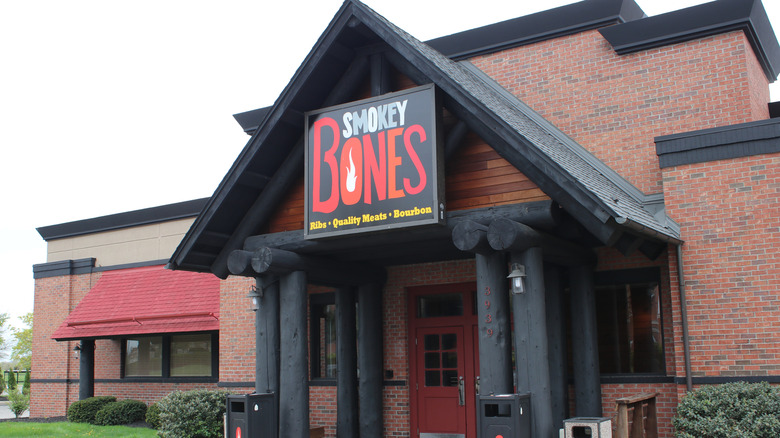
Smokey Bones BBQ was on our watch list of struggling BBQ chains, and the final nail in the coffin came in 2026. All locations suddenly closed in April with signs on the doors to let customers know, and many employees were notified the day of their location's closure. It was a 180-degree shift from the parent corporation's previous statements, which called for a portfolio review of every Smokey Bones location. While profitable restaurants were expected to remain open, that didn't end up happening.
The closures started off with just 15 locations last fall, but then the remaining 19 locations suddenly closed in April. The restaurant chain's owner, Twin Hospitality, entered chapter 11 bankruptcy in January. Although bankruptcy isn't always a death sentence for restaurants, Smokey Bones didn't make the cut in this situation.
Instead, the company seems to be betting all its chips on its other racehorse, sports bar chain Twin Peaks. The majority of those locations remain open despite Twin Hospitality's financial struggles. In fact, the restaurant group originally purchased the Smokey Bones portfolio with the intention of converting them into sports bars, but problems arose that kept that from happening, such as local liquor licensing rules. Now, BBQ lovers will need to find another local spot for their ribs and grilled sandwiches.
9. Red Lobster
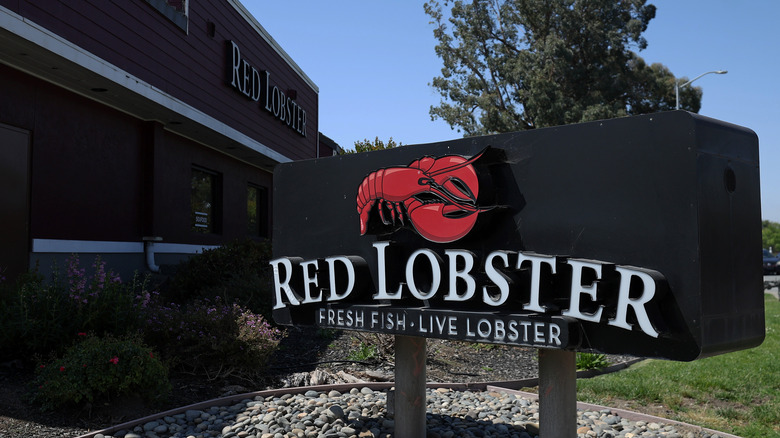
Red Lobster has closed 7% of its locations in 2026 so far, totaling 36 restaurants. The victims included some notable destinations. The decades-old Times Square restaurant, a favorite among tourists, suffered over the course of recent years due to ongoing construction and the transition of its building into a residential tower. Red Lobster's longest operating location, in Tallahassee, shuttered its doors as well.
Overall, the closings occurred across 13 states. Leadership says they focused on underperforming areas as part of their efforts to "right-size" the chain. The decision comes on the heels of a 2024 bankruptcy which also led to getting acquired by another company. Around that time, 50 Red Lobster closures took place.
What issues are causing so many setbacks to Red Lobster? A seafood company and former investor that backed out of its minority stake referenced economic hurdles and increased expenses as the driving factors. Time will tell if Red Lobster's leadership chose the right locations to pull back from. In the meantime, you can try your hand at making this copycat recipe for its beloved Cheddar Bay Biscuits at home.
10. Jack in the Box
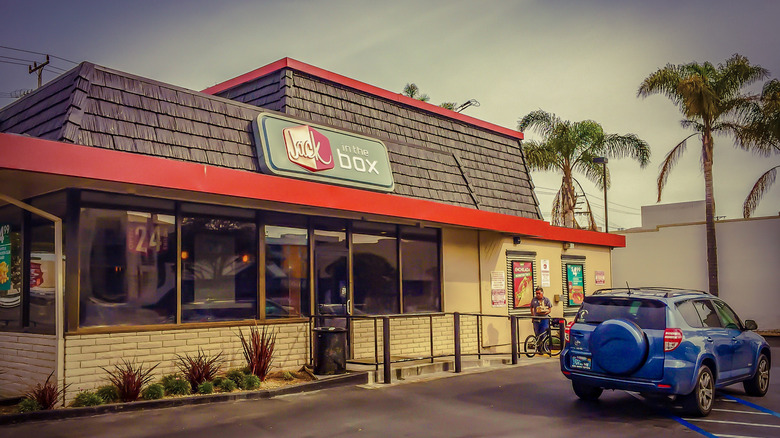
A "Hot Ones" partnership couldn't prevent Jack in the Box from closing 40 locations this year, with up to 20 more on the horizon. The closed locations were considered underperforming and even more are expected to close once their leases are up. The restructuring process, dubbed "Jack on Track," is likely to continue throughout 2027 and 2028.
That's not surprising as recent same-store sales came in at a 1.1% decrease, which was even worse than the company expected. It revealed an unsuccessful marketing campaign that involved YouTube's "Hot Ones" show and specialty items on the "Hot Ones" Munchie Meal menu. Prices were higher than typical menu items and customers didn't seem to be drawn to the extra spicy burgers.
Because many Jack in the Box franchisees own multiple locations, they're likely pulling the plug on their least-performing stores. The corporation has hired a firm to try to help some owners to get out of leases ahead of schedule. As beef prices rise alongside other operating expenses, this move could be vital in regaining profitability. But, in the meantime, keep an eye out on your favorite location, which could be next up on the chopping block.
11. Noodles & Company
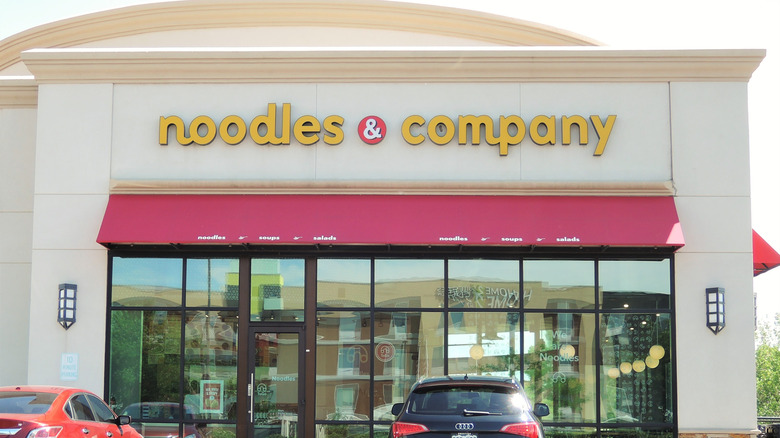
Noodles & Company, a fast casual chain that's been around for decades, announced in January that it will close between 30 and 35 locations. Overall, the restaurant started 2026 with 340 locations, so that's about a 10% cut in a single year. Plus, it closed another 42 restaurants in 2025. One employee on Reddit noted just a six-day warning with no severance package offered, while another said they were told of the impending closure just a week and half in advance.
Many online commenters note high prices as a deterrent, especially for noodles, which are typically considered an inexpensive ingredient. But, it's not a total losing battle for Noodles & Company. Sales growth is healthy in many locations, so this move is really to let go of locations that can't keep up with those numbers.
Also, keep an eye out for some general upgrades; the chain is working on improving its online and mobile ordering as well as a new loyalty program. But, if your local establishment does end up closing, try this copycat spicy Korean steak noodles recipe to get your Noodles & Co. fix right at home.
12. Golden Corral
There may be an end to Golden Corral's endless buffet, at least in some locations. Both the corporation and many franchisees are struggling, with bankruptcies plaguing both levels of operations. There have been seven closures reported across six states: Texas, Florida, Iowa, Ohio, Iowa, and Indiana. At least one franchise location was accused of notifying employees on the same day as closing, revealing just how unexpected it was.
Golden Corral is struggling thanks to the same reasons other restaurants and even some consumers are: Food and operating expenses are rising, as are rent prices. Food costs in particular can cause a lot of damage to Golden Corral; with over 150 items made in-house every day, the buffet model could be challenging to continue.
Some Golden Corral locations are planning to experiment with a smaller set of options.The brand remains hopeful and reported that while some locations close, they could be reopened by a new owner sometime in the future.