

14 Desserts Americans Ate In The '50s
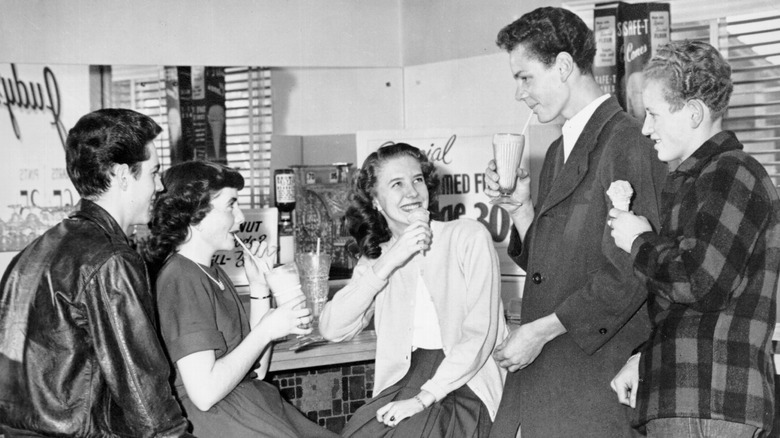
Grocery shopping has changed dramatically throughout history, especially when food availability began to grow after World War II, when resources could be refocused on the homefront. During the 1950s, countless technological innovations introduced Americans to convenience food that made cooking and baking more exciting and approachable.
Plus, thanks to the post-World War II boom, Americans had extra money to spend on indulgences like sweets often in the mid-1900s. Sipping milkshakes — crafted with hand-scooped ice cream — with friends at the soda fountain and hosting extravagant dinner parties with fancy desserts to match were the norm. Many dessert recipes gained popularity during this time period, with most households owning a refrigerator by the early '50s.
So, what after-dinner treats were most popular during this "sweet" era? Read on to discover 14 desserts Americans ate in the '50s to learn the ones that have since gone out of fashion — that we want to return — and which ones have withstood the test of time.
1. Milkshakes
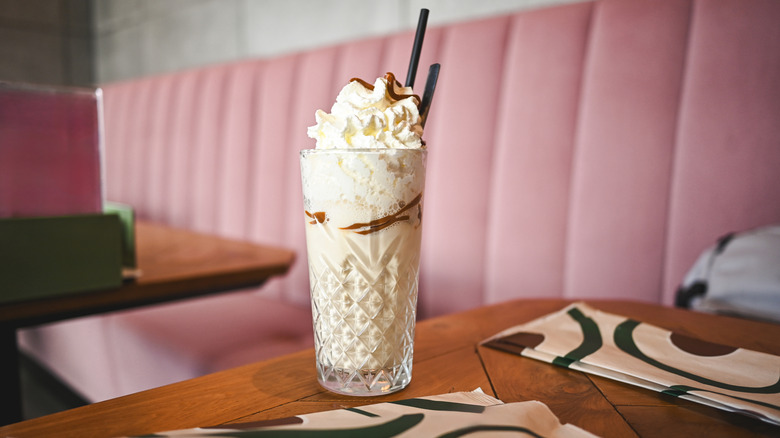
If you had to paint a picture of the 1950s, your scene might include a diner filled with the joyful sound of a jukebox, where teenagers met up in poodle skirts to drink milkshakes. These sweet beverages were first available to the general public around 1880, yet the drink skyrocketed in popularity 70 years later. One of the most important inventions that made milkshakes so craveable is the blender, which debuted during the '20s. It broke up unappealing clumps of malt and created a velvety texture that went down like a dream. What started as a fairly thin drink could now be far thicker and luxurious.
Of course, folks have enjoyed milkshakes since their invention, but the '50s had all the right ingredients to turn the milkshake into the iconic treat it is today. After the war, car ownership became the norm across America, which included teenage drivers. Suddenly, young people with a sweet tooth and pocket change could meet at a diner or soda fountain to hang out with friends or go on dates. Milkshakes were the perfect thing to order because conversation flowed easily between sips, and they were satisfying as a treat or paired with a burger.
Soda fountains and diners also had the resources to invest in shiny new equipment, so milkshakes were available nationwide. Several blender brands existed by the '50s, and one called the Waring Blender had sold more than a million of these products by 1954.
2. Ready-to-bake chocolate chip cookies
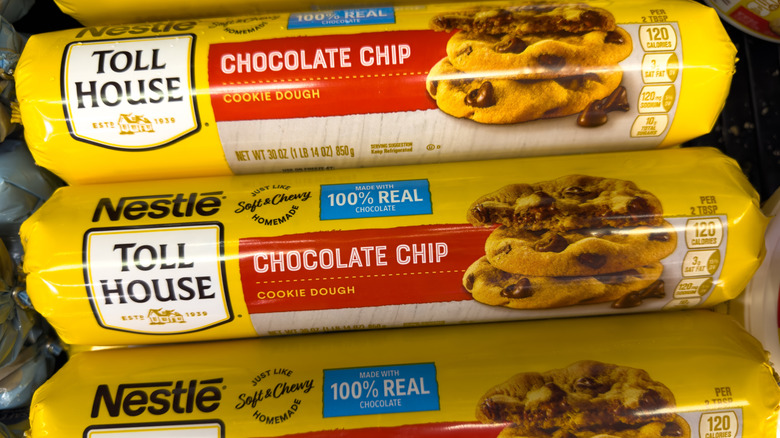
No cookie is more American than a chocolate chip cookie, except, perhaps, Oreos. However, most folks can agree that a package of Oreos can't compete with the smell of gooey chocolate chip cookies baking in the oven. In the 1950s, Americans across the country fell in love with this iconic treat because they could buy ready-to-bake dough for the very first time.
Ruth Graves Wakefield invented chocolate chip cookies in the 1930s at her restaurant, Toll House Restaurant. By 1939, Nestlé saw how much chocolate people in Massachusetts were snatching up to recreate her cookies at home. That year, Nestlé bought Wakefield's recipe for only a dollar, slapped it on the back of its chocolate, and then a legacy was born.
It didn't take long for the hype to expand nationwide. Home bakers adored making these cookies from scratch, but Nestlé still had a trick up its sleeve. By 1955, Nestlé invented refrigerated cookie dough that grocery stores could sell, and folks could pop the cookies straight into the oven. Everyone loved the convenience because it was the first of its kind, and other brands like Pillsbury rushed to develop more refrigerated doughs for such a hungry market. Today, we need to create big lists ranking store-bought chocolate chip cookie doughs because there are so many tasty options available.
3. Baked Alaska
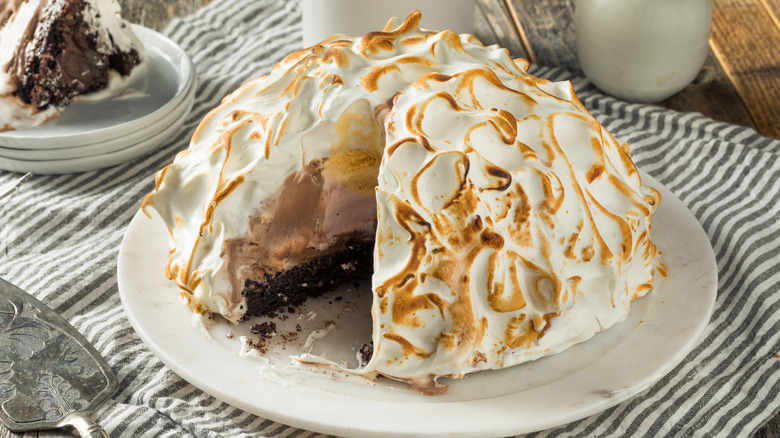
Baked Alaska is a sophisticated dessert that defies people's expectations. How can you set ice cream on fire without it melting? Like fried ice cream, the trick is to freeze the molded ice cream for hours so it's as hard as possible before you expose it to heat. With baked Alaska, a quick flambé does the trick. Believe it or not, this vintage cake was invented long before the '50s. It was first introduced in 1876, but because the recipe requires a lot of equipment, it was reserved until the '50s for the wealthy dining out.
As Americans entered this hopeful decade, they equipped their homes with high-tech gadgets like ovens with broilers, big freezers, and electric mixers. All of these things made it possible to make baked Alaska at home. Not to mention, boxed cake mixes and store-bought ice cream made the job even quicker. While traditional baked Alaska comes with a grand fiery entrance, home bakers could use a safer approach by popping their cakes under the broiler for a couple of minutes to toast the meringue.
4. Pineapple upside-down cake
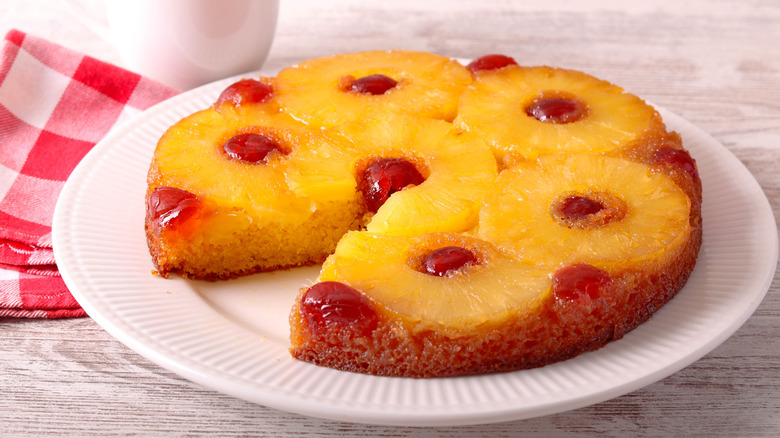
Pineapple has become so integrated into our everyday lives that we don't even bat an eye at how it got here. Dole is the largest canned pineapple manufacturer, and its history dates back to 1899. After many challenges, Dole streamlined pineapple production, canning, and shipping to make canned pineapple accessible to the mainland by the 1920s. Since pineapple comes from a tropical place, many Americans were curious about it. Pineapple upside-down cake had been around since then, but it really took off during the '50s when supermarkets could supply all of the ingredients nationwide. Plus, Betty Crocker's 1956 cookbook featuring this recipe supercharged the hype.
Even if you're not big on fruity desserts, you have to admit that the presentation of a pineapple upside-down cake is stunning. The theatrics of flipping the cake to reveal caramelized pineapple and cherries, with syrup dripping down the sides, are amazing. It was perfect for dinner parties, which were all the rage back then. If families were having a nice sit-down meal, pineapple upside-down cake was also simple enough to prepare alongside dinner.
5. Crown Jewel Dessert
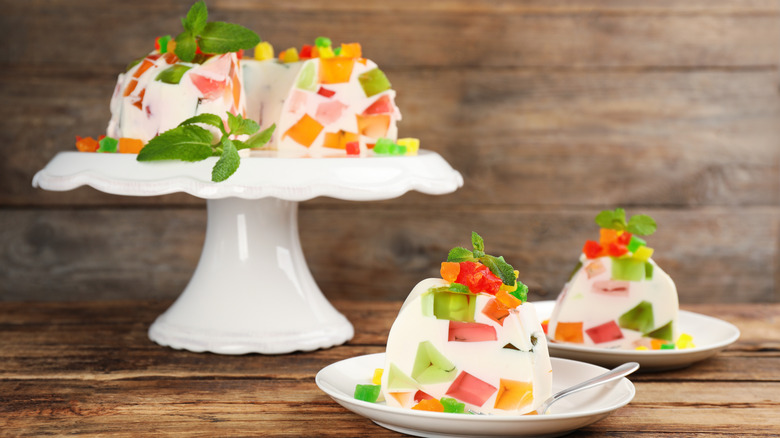
Does a shiver run down your spine when you think about all the absurd Jell-O recipes of the 1950s? While serving a savory salad inside a Jell-O mold is not that appealing, some gelatin desserts from that era were actually charming. Crown Jewel Dessert is whimsical, fruity, and refreshing. To boost sales, Jell-O placed a full-page ad in a 1957 issue of Life magazine that shared the Crown Jewel recipe. Seeing the rainbow dessert in all its glory certainly inspired lots of people to try it.
This dessert requires patience because people have to prepare a few different Jell-O flavors and let them cool in the fridge. Once set, you slice each flavor into little cubes. Then you fold them into another mixture, and when you slice into the dessert, you see colorful cubes that shimmer like jewels. The mixture that ties the dessert together is pineapple juice, cream, sugar, and strawberry Jell-O. To add more dimension to Crown Jewel Dessert, the big Jell-O mixture is served with a border of ladyfingers. With so much time spent cooking and cubing various Jell-O flavors, the prepackaged ladyfingers helped folks reach the finish line faster.
6. Chocolate chiffon pie
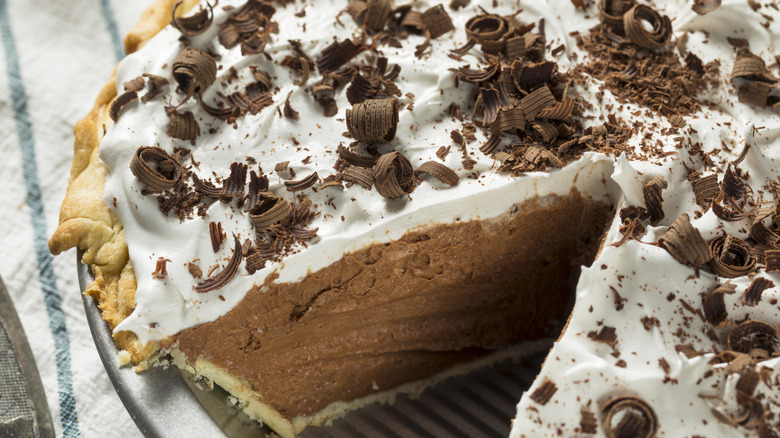
Better Homes & Gardens made history when it released the chocolate chiffon pie recipe that's still delicious enough to make today. The original recipe was published in 1955, and it was an instant hit. People could buy ready-to-bake pie crusts, or seasoned home bakers could make one from scratch. For the filling, people had fun using their electric mixers to whip up a fluffy, chocolaty mixture with a velvety texture. Best of all, the filling ingredients were simple pantry staples.
Egg yolks, melted chocolate, espresso powder, sugar, and vanilla gave this dessert its signature richness. Whipped egg whites created an airy texture, while a packet of gelatin helped the mixture set in the fridge. Pouring the mixture into a baked pie crust was simple, but bakers could let their talent shine by decorating the pie. Whipped cream designs, shaved chocolate, a dusting of cocoa powder, or maybe even some crushed nuts could make the pie look even more elegant.
7. Cherries jubilee
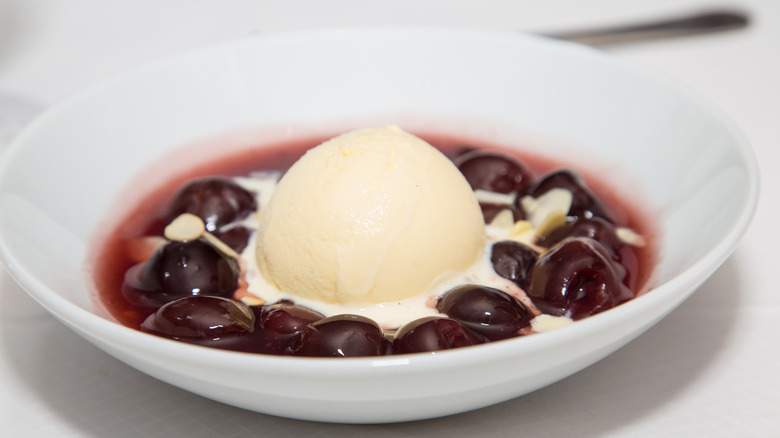
Did you know that cherries jubilee is a Victorian-era dessert that even royals couldn't resist? This iconic dessert was created in 1897 in honor of Queen Victoria's diamond jubilee, which marked the 60th year of her reign. Queen Victoria was a huge cherry fan, so there was no better way to make her feel special than to create a new dessert that put cherries front and center.
The flambéed cherries, jazzed up with citrus notes, were delicious on their own, but over time the dessert grew more decadent, with a hearty scoop of vanilla ice cream on top. By the '50s, home freezers let Americans buy as much ice cream as their hearts desired. According to historical figures, they couldn't get enough. In 1946, the average American ate about 20 quarts. If anyone ever side-eyes you after you demolish a whole pint of Ben & Jerry's in one sitting, remember that people would've understood you 70 years ago.
Beyond Americans' love of ice cream then, cherries jubilee was a hit because anything flambéed was guaranteed to impress guests at weekly dinner parties. Plus, its royal roots instantly made folks feel more elegant. A spoonful of hot cherries combined with refreshing ice cream was a titillating conclusion to a fun night with friends.
8. Apple crisp
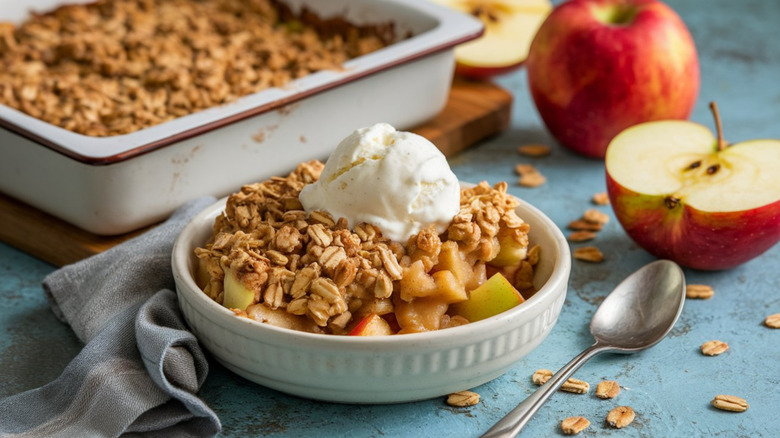
If Betty Crocker published a recipe for cooking a shoe, you can bet devoted fans from the '50s would trust the brand enough to try it. The cookbooks were vast and full of incredible tips that reassured unconfident home cooks. As people flipped through their copies, they'd see what caught their interest and start working their way through the tome. Apple crisp appeared in multiple Betty Crocker cookbooks, with its first appearance in 1950.
A fascinating fact is that the apple crisp we know and love today was prepared a bit differently at the beginning of that decade. Instead of the iconic oat topping, the original recipe simply used flour. Betty Crocker updated the recipe to include oats starting in 1956.
While extravagant dinner parties occurred frequently during the '50s, families still needed wholesome desserts for casual weekday dinners. Apple crisp was a reliable recipe that helped use up apples in the fall and get kids to enjoy more fruit. With a big scoop of vanilla ice cream, this dessert has felt like home for millions of Americans across generations.
9. Mud hen bars
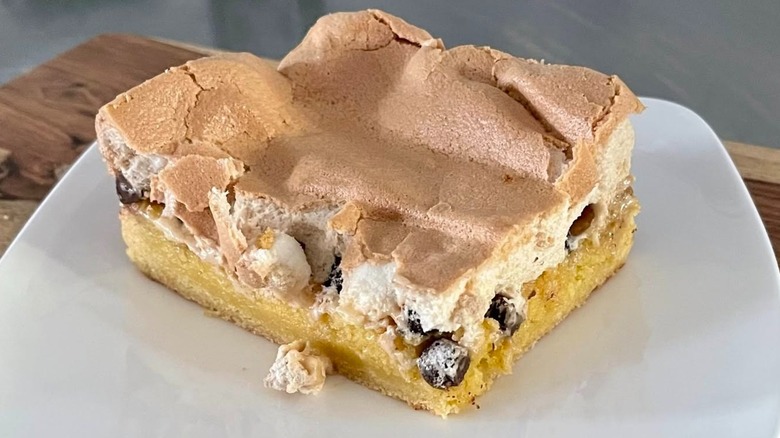
Mud hen bars may not be as well known as some of the other desserts on this list today, but back in the '50s, you'd find them at all kinds of gatherings, especially in the South and Midwest. Mud hen bars are similar to blondies, but they have a unique sweet meringue topping that's baked until it's crackly on top. Some vintage recipes passed down by families vary slightly. Some cookie dough bases include chopped pecans, while others use chocolate chips and marshmallows. What remains the same, though, is whipping egg whites with brown sugar into a meringue that tops the cookie dough.
As mentioned before, blenders and all kinds of fancy kitchen gadgets were new, exciting, and affordable for the average American family during the '50s, so why not have fun with baking? Mud hen bars were perfect for picnics, parties, potlucks, and other social events. The bars still tasted great if they were baked the day before, and making everything in one pan let folks cut the ideal portions depending on the size of the crowd. They may look plain, but one bite had everyone hooked.
10. Dump cakes
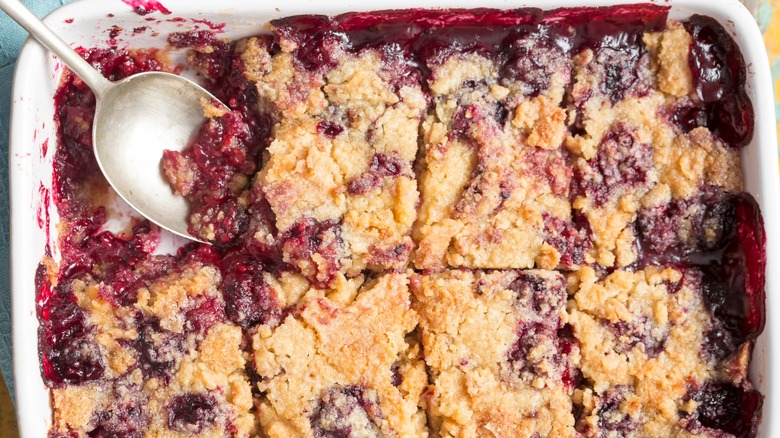
Dump cakes have a fascinating history that begins in the 1920s but really took off in the '50s. Before the '50s, recipes required making everything from scratch. Betty Crocker, Pillsbury, and Duncan Hines have earned their reputation as the three major pillars of modern baking. What some may not know, though, is that each brand released its first boxed cake mix in 1947, 1948, and 1951, respectively. While whipping up a cake from a boxed mix is straightforward, you can always count on home bakers' cleverness to simplify the process further. Thus, dump cakes took the stage.
Another popular shelf-stable product found in many American homes is canned goods. Popping open a can of your favorite fruit and dumping a complementary boxed cake mix flavor on top was one of the easiest ways to enjoy a warm dessert out of the oven. No mixing was even required. It may sound too good to be true, but the canned fruit had enough liquid to saturate the boxed cake mix, and the pats of butter on top melted and created a rich crust.
11. Coffee cake
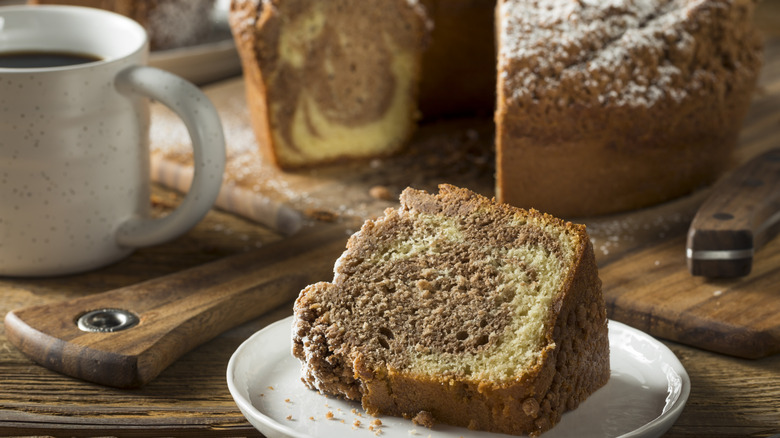
Any dessert lover appreciates recipes that make eating sugar at any hour of the day socially acceptable. Sure, many of us remember our parents scolding us for asking to eat ice cream for breakfast, but muffins, cereal, pancakes, and donuts were sneaky breakfast treats. One morning dessert that's been beloved for centuries is a delicious coffee cake, and it got special attention in the '50s when Betty Crocker published a famous recipe in a cookbook. Interestingly enough, Bundt pans were also invented during this decade, which helped home bakers create perfect cinnamon-sugar layers between batter and bake the cake evenly.
From the modern perspective, cookbooks seem a bit old-fashioned. As we scroll through our social media apps, we're bombarded with recipes, food trends, new product releases, and more. It's never been easier to learn to cook because we can watch others do it step by step. However, in the '50s, cookbooks were people's lifeboats. To highlight the importance of Betty Crocker cookbooks, let this sink in: Betty Crocker became so popular that the only book that outsold those cookbooks at one time was the Bible. Needless to say, if Betty Crocker raved about an award-winning coffee cake recipe, you can bet that the millions of folks who owned that cookbook made it regularly.
12. Angel pie
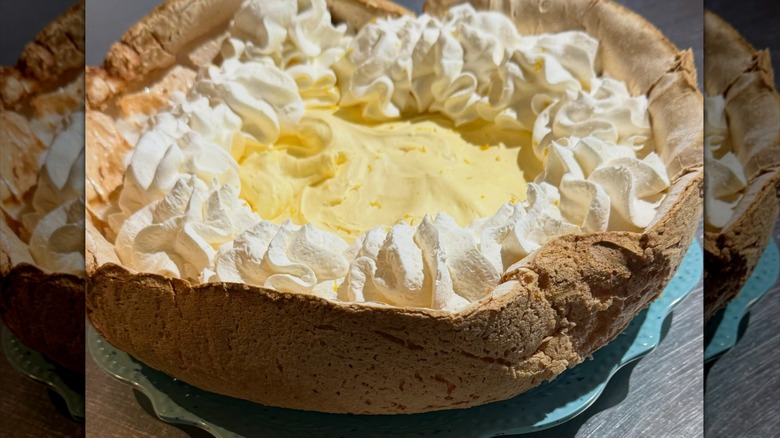
Another recipe featured in the 1950 Betty Crocker cookbook is angel pie. Like baked Alaska and mud hen bars, angel pie uses meringue. Of those three desserts, angel pie is the most meringue-forward. Pies, in general, are a huge symbol of the '50s. Pies feel retro because so many older movies and TV shows depict characters relaxing in a diner and ordering a slice of pie with their coffee. Pies have fallen in and out of style for centuries, but, like many desserts in this list, they were reborn after prepackaged goods like canned fruits, whipped cream, and pie crusts became available for the first time.
Now, angel pie is different. When people got tired of traditional pies like apple or pecan, they could rely on angel pie as a palate cleanser. This pie has no pastry crust whatsoever. Instead, stiff meringue serves as the top and bottom. What's hidden in the center? Slicing into this fluffy pie reveals a gorgeous lemon curd. Other fruit curds could work, but lemon is quite popular because it's refreshing. Angel pie looks utterly gourmet, but with an electric mixer, it takes only 20 minutes to put together.
13. Icebox cakes
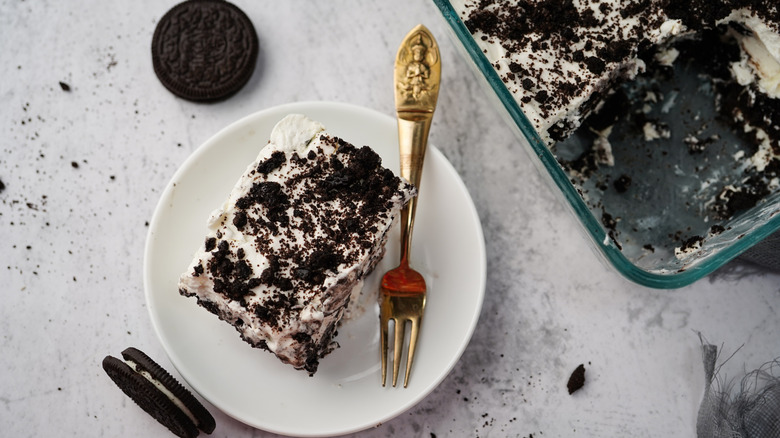
Icebox cakes were another popular dessert in the 1950s because they were convenient and crowd-pleasing. With only a handful of ingredients, people could assemble an icebox cake quickly and let it rest overnight so magic could happen. Combining store-bought cookies, wafers, or crackers with whipped cream and any desired toppings led to a foolproof dessert that could feed a lot of people. Whipping heavy cream and sugar was effortless then, thanks to powerful mixers, but store-bought whipped cream was also available to skip a step.
As the mixture sat in the fridge, the cookies, crackers, and wafers softened and absorbed the dairy. Assembling one is a breeze, and the presentation is always lovely because you can see countless layers of wafers and whipped cream. Even a basic three-ingredient strawberry icebox cake can look elegant when served in a nice glass and topped with succulent strawberries.
We still call this dessert icebox cake instead of refrigerator cake, though most kitchens had a fridge in the '50s. No longer needing to replenish ice reserves in the icebox was another convenience that made desserts like icebox cake a staple of everyday American life during the decade.
14. Bananas Foster
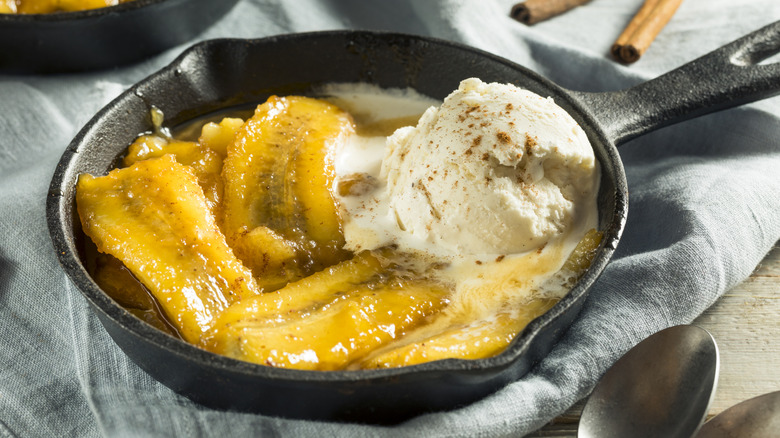
New Orleans may be known for beignets, king cakes, and jambalaya, but it's also responsible for creating far more iconic foods than you may realize. If you need convincing, just look at our list of 18 classic New Orleans dishes everyone needs to try. One noteworthy dessert is the humble bananas Foster. It's not the most ideal dessert for casual home bakers because it requires fire. Still, bananas Foster played an important role in culinary history.
The dessert was born in New Orleans in 1951 after general manager Ella Brennan learned she had only a few minutes to whip up something impressive for the chairman of the New Orleans Crime Commission, who happened to be named Foster. The recipe is simple: all you need is butter, sugar, cinnamon, sliced bananas, and rum. What made it famous was how it was prepared. Flambéing the sweetened bananas not only helped the sugars caramelize more, but the spectacle was also awe-inspiring. When someone orders bananas Foster, the whole restaurant stops to watch.
Bananas were once an exotic luxury, yet by the '50s, everyone could afford them. Ordering bananas Foster at a restaurant was the ultimate way to feel fancy without spending a fortune. Plus, brave home cooks hosting dinner parties could impress their friends with a fiery show.