

Easy Shrimp Lo Mein Recipe
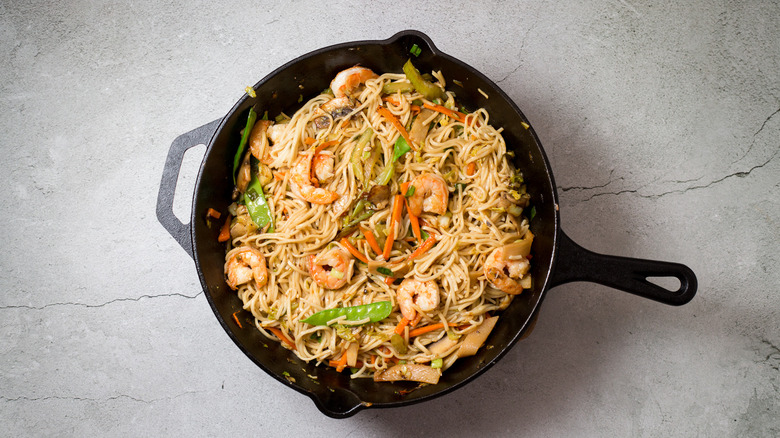
Shrimp lo mein is a popular menu item from Chinese restaurants in the U.S. — a delicious pile of sticky-sweet, saucy noodles usually topped with chicken or shrimp. While it's not the same dish you would find in China, which is generally lighter and less sticky, it's delicious in its own right and an enduring take-out favorite. Ordering out certainly saves time, but it may not be easy on the wallet if you go that route often. For those watching their nutrition, restaurant lo mein might not be the best choice. One serving of P. F. Chang's shrimp version has 780 calories, 18 grams of fat, 24 grams of sugar, and a heaping 4120 milligrams of sodium, which is almost twice the recommended daily intake. Of course, people keep going back for more because it's so tasty, but you don't have to eat out to enjoy this terrific treat, and when you make it at home, you can tweak the dish to make it exactly as you like it.
This recipe makes it easy to whip up a pan of shrimp lo mein yourself in the comfort of your own home. It's a perfect opportunity to relax with a satisfying and nutritious meal, even on a weeknight. The delicious combination of seafood, noodles, and vegetables makes the dish popular for a reason, and preparing it from scratch allows you to make each ingredient count. The pan-seared shrimp has a delectable flavor, the vegetables add fiber, nutrients, and color, and the sauce is nutty, savory, and umami-rich. Try this recipe to enjoy restaurant-quality shrimp lo mein without added costs or unnecessary ingredients, but also without sacrificing flavor.
Gather your shrimp lo mein ingredients
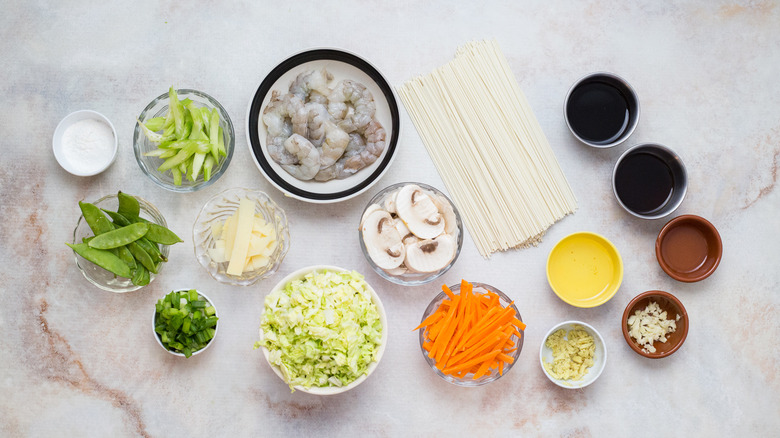
For the sauce, you will need soy sauce, oyster sauce, sesame oil, cornstarch, and optional granulated sugar. Use the sugar if you like a sweeter version, which is more like what you would receive in a restaurant, but it's also great without it if you want to avoid added sugar. You can control the amount of sauces or use low-sodium versions if you're watching your sodium. If you reduce the sauce, add a little water so the pan won't get too dry.
You'll also need shrimp, neutral cooking oil like vegetable or canola, dried lo mein egg noodles, and a little more sesame oil to toss with the noodles so they don't stick before you add them to the pan. The vegetables this recipe calls for are garlic, ginger, mushrooms, carrot, celery, bamboo shoots, napa cabbage, snow peas, and scallions.
Step 1: Make the sauce
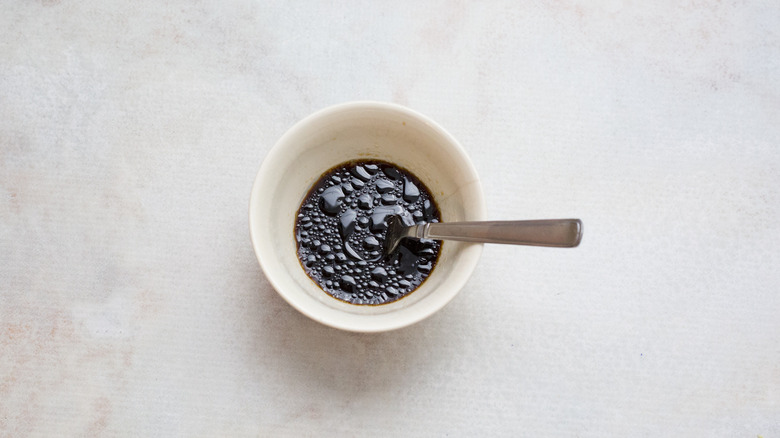
Whisk together the soy sauce, oyster sauce, 2 teaspoons of sesame oil, and ¼ cup of water in a small bowl. Whisk in 1-2 teaspoons of sugar if you want the dish to be sweeter.
Step 2: Boil the water
Bring a large pot of water to a boil.
Step 3: Cook the noodles
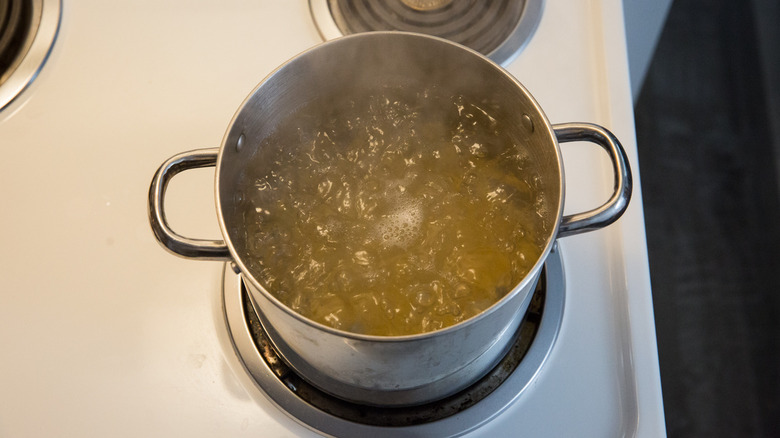
Add the noodles and cook them according to the package directions.
Step 4: Drain the noodles
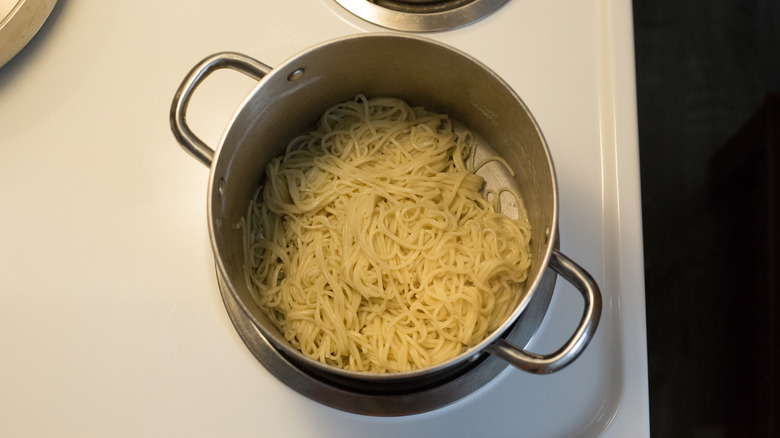
Drain the noodles, toss them with 2 teaspoons of sesame oil, and set them aside.
Step 5: Heat the pan
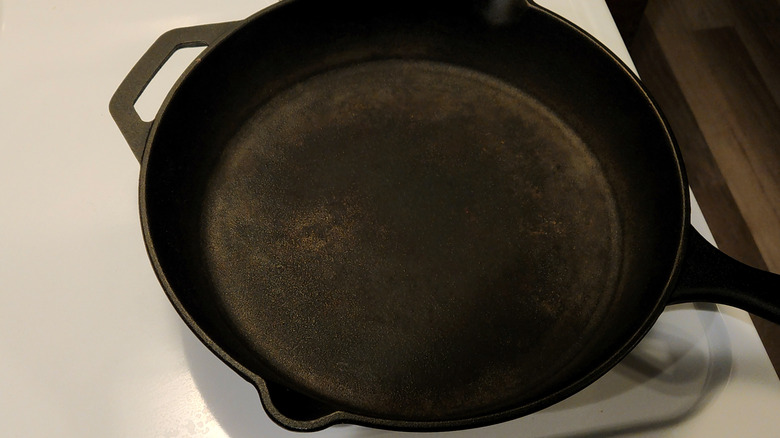
Heat a wok on high or a large heavy frying pan, like a cast iron pan, on medium-high. Add a little cooking time to the steps below if you don't have a wok. Do not use a nonstick pan.
Step 6: Heat the oil
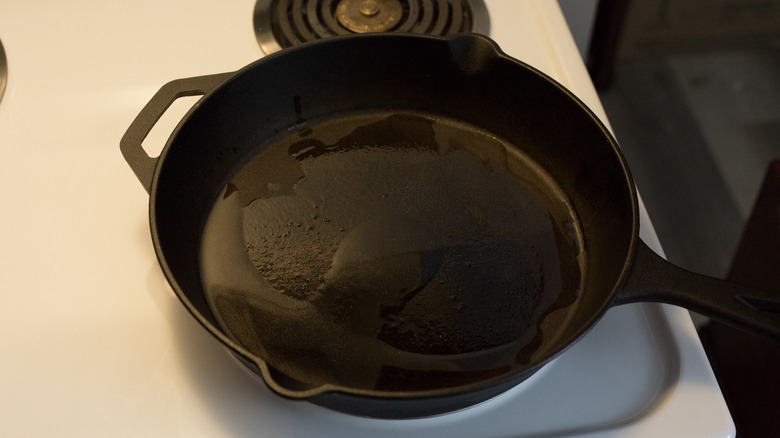
When the pan is hot, add 1 tablespoon of the cooking oil and wait a moment for it to get hot.
Step 7: Cook the shrimp
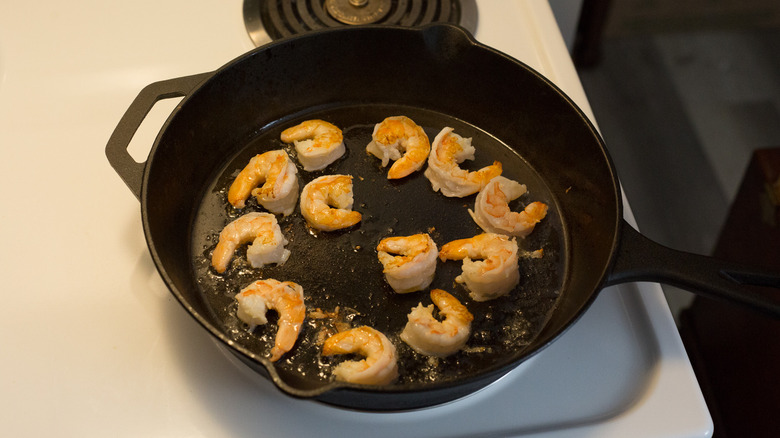
Add the shrimp and cook for 1 minute per side until they're opaque.
Step 8: Remove the shrimp
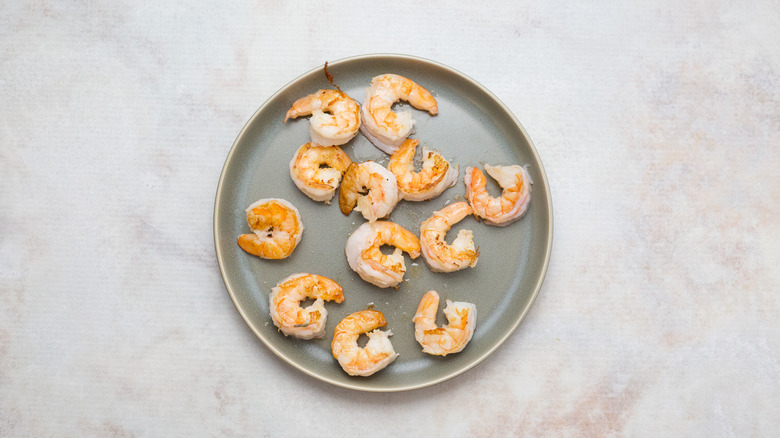
Remove the shrimp from the pan and set it aside.
Step 9: Add more oil
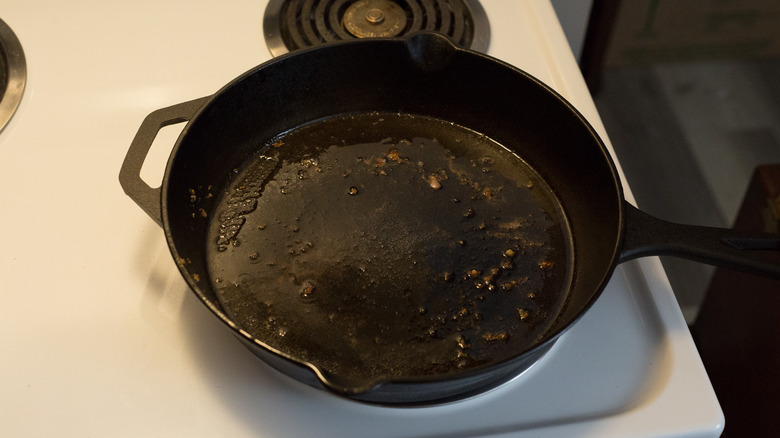
Deglaze the pan if needed. Add the other 1 tablespoon of cooking oil to the pan and wait a moment for it to get hot.
Step 10: Add the garlic and ginger
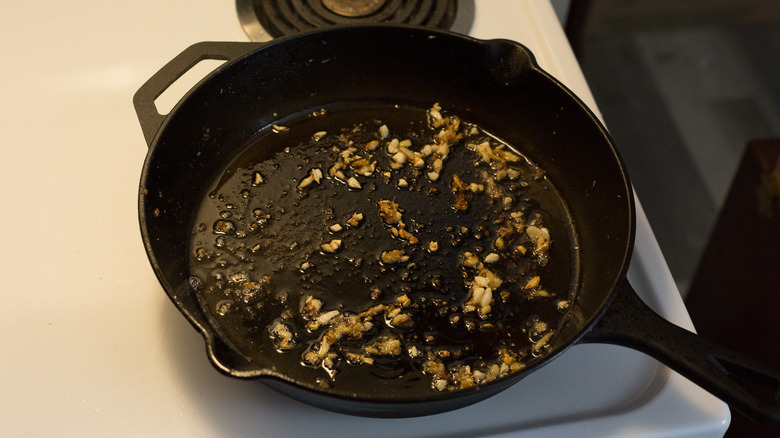
Add the garlic and ginger and saute for 30 seconds.
Step 11: Add the vegetables
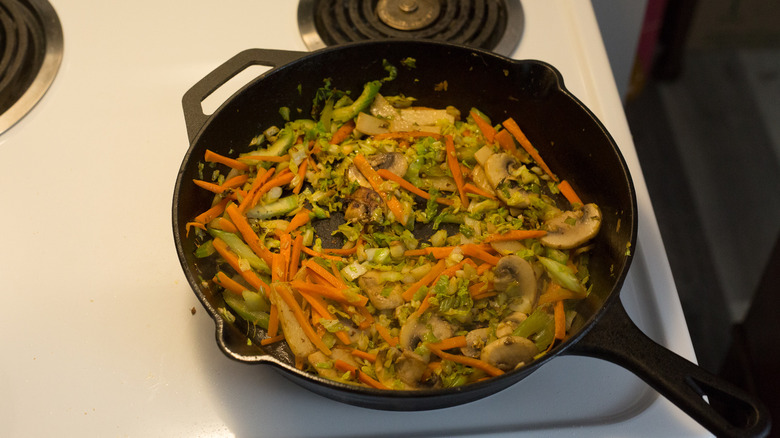
Add the mushrooms, carrot, celery, bamboo, and cabbage to the pan and saute for 5-7 minutes until tender and caramelized.
Step 12: Finish the sauce
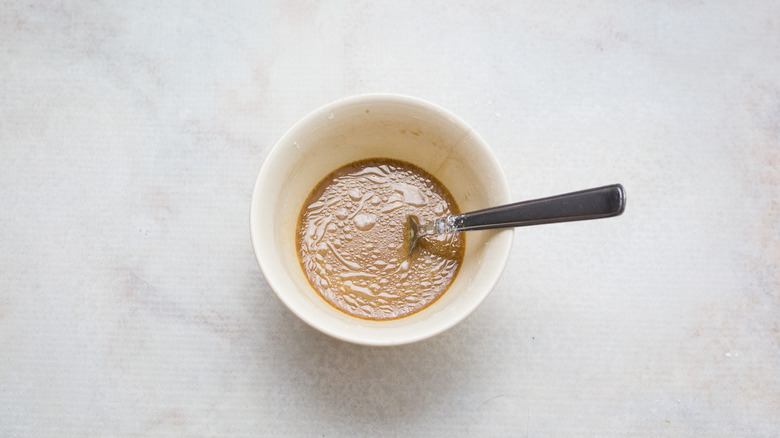
Meanwhile, whisk the cornstarch into the sauce that had been set aside.
Step 13: Add the sauce to the pan
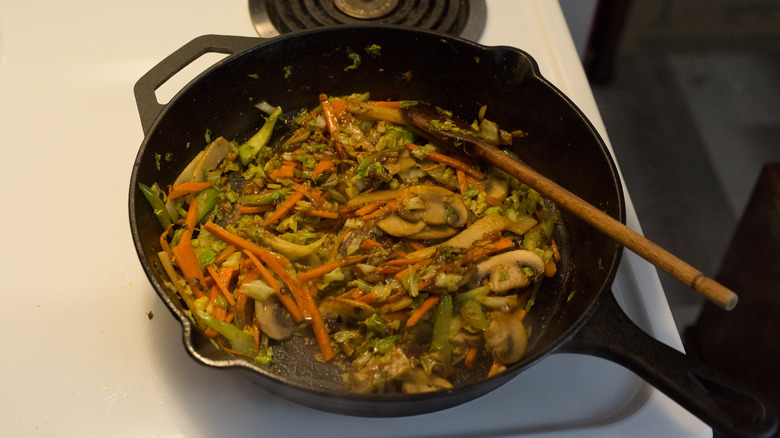
Pour the sauce into the pan and stir.
Step 14: Toss the shrimp lo mein
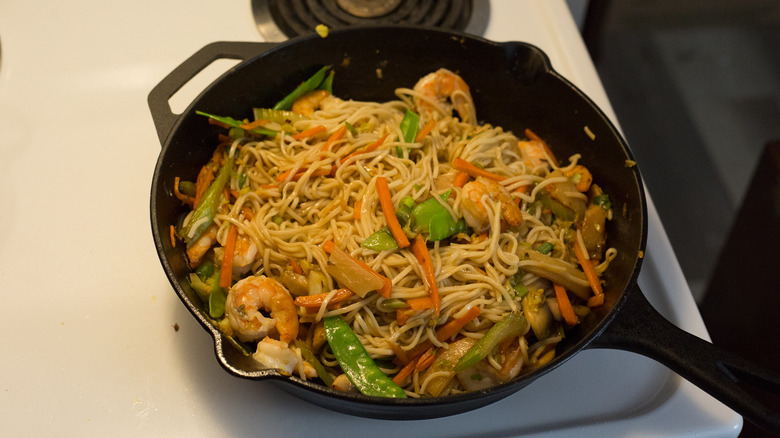
Add the snow peas and scallions to the pan, followed by the shrimp and noodles. Toss well to coat all of the ingredients in the sauce, and cook for 2 minutes. Add a small amount of soy sauce or water, if needed, to loosen the noodles so they toss easily.
Step 15: Serve the shrimp lo mein
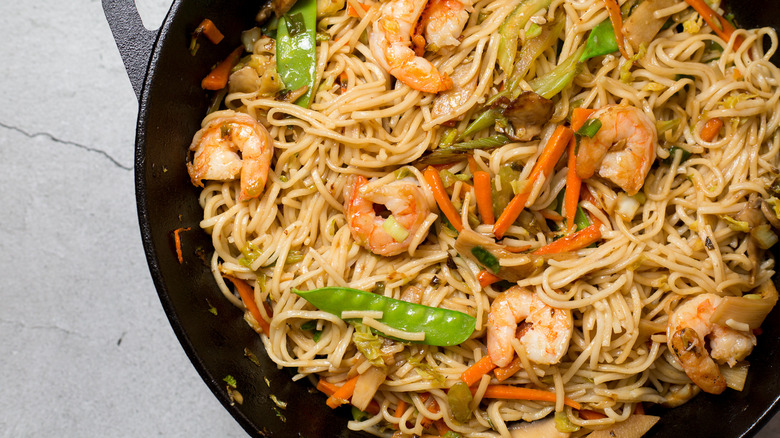
Remove the pan from the heat and serve immediately.
What can I serve with lo mein?
Easy Shrimp Lo Mein Recipe
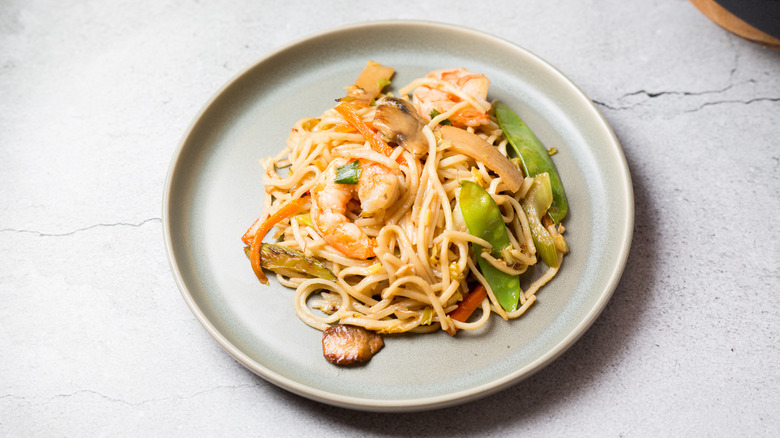
Brighten your weeknight with noodles and fresh veggies in a delicious umami-rich sauce with our quick and easy 30-minute shrimp lo mein recipe.
Ingredients
- ¼ cup + 2 tablespoons soy sauce
- ¼ cup oyster sauce
- 4 teaspoons sesame oil, divided
- 8 ounces dried lo mein egg noodles
- 2 tablespoons neutral cooking oil like vegetable or canola, divided
- ½ pound shrimp, peeled and deveined
- 2 cloves garlic, minced
- 1 inch ginger, minced
- 1 cup sliced mushrooms
- 1 large carrot, cut into thin matchsticks
- 1 large celery rib, thinly sliced on the diagonal
- ¼ cup bamboo shoots
- 2 cups shredded napa cabbage
- 2 tablespoons cornstarch
- ½ cup snow peas
- 2 sliced scallions
Optional Ingredients
- Granulated sugar
Directions
- Whisk together the soy sauce, oyster sauce, 2 teaspoons of sesame oil, and ¼ cup of water in a small bowl. Whisk in 1-2 teaspoons of sugar if you want the dish to be sweeter.
- Bring a large pot of water to a boil.
- Add the noodles and cook them according to the package directions.
- Drain the noodles, toss them with 2 teaspoons of sesame oil, and set them aside.
- Heat a wok on high or a large heavy frying pan, like a cast iron pan, on medium-high. Add a little cooking time to the steps below if you don’t have a wok. Do not use a nonstick pan.
- When the pan is hot, add 1 tablespoon of the cooking oil and wait a moment for it to get hot.
- Add the shrimp and cook for 1 minute per side until they’re opaque.
- Remove the shrimp from the pan and set it aside.
- Deglaze the pan if needed. Add the other 1 tablespoon of cooking oil to the pan and wait a moment for it to get hot.
- Add the garlic and ginger and saute for 30 seconds.
- Add the mushrooms, carrot, celery, bamboo, and cabbage to the pan and saute for 5-7 minutes until tender and caramelized.
- Meanwhile, whisk the cornstarch into the sauce that had been set aside.
- Pour the sauce into the pan and stir.
- Add the snow peas and scallions to the pan, followed by the shrimp and noodles. Toss well to coat all of the ingredients in the sauce, and cook for 2 minutes. Add a small amount of soy sauce or water, if needed, to loosen the noodles so they toss easily.
- Remove the pan from the heat and serve immediately.
Nutrition
| Calories per Serving | 378 |
| Total Fat | 7.8 g |
| Saturated Fat | 1.4 g |
| Trans Fat | 0.0 g |
| Cholesterol | 138.9 mg |
| Total Carbohydrates | 54.1 g |
| Dietary Fiber | 4.3 g |
| Total Sugars | 4.0 g |
| Sodium | 1,935.4 mg |
| Protein | 23.9 g |

How can I prevent shrimp lo mein from sticking or burning?
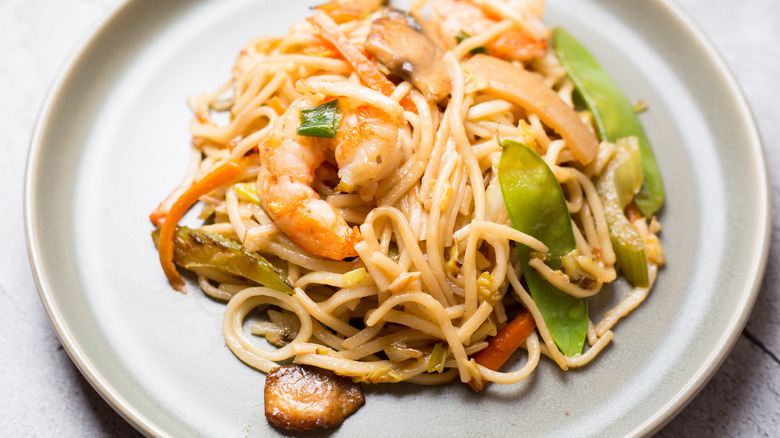
Making lo mein in a hot wok is ideal, but not everyone has a wok in their kitchen, especially if they don't make dishes that require this large, heavy, specialized pan very often. The next best tool is a large cast iron pan or carbon steel pan. If you don't have one, choose a heavy stainless steel pan. Avoid nonstick pans, as they're not safe to use with high heat.
If you're not using a wok, lower the heat to medium-high so the ingredients don't stick. Watch the pan carefully, especially when you cook the garlic, which quickly becomes bitter when burned. It's easy to overcook the shrimp, so keep an eye on it and adjust the heat accordingly. After searing the shrimp, you may need to deglaze the pan with a little water or soy sauce if there are any bits stuck to the pan. Just add a small amount to the pan and scrub with a wooden spoon until anything stuck is released. You can wipe them out or keep them in the pan to contribute more flavor.
If you can, time the noodles so they will be ready around the same time they should go into the pan to prevent the other ingredients from overcooking while you wait for them. Undercook them by a minute or two if you don't want them too soft, and when you toss the noodles in the pan, add a little more water or soy sauce if they are sticking.
Why is cornstarch used to thicken a sauce?
Cornstarch is a fine white powder made by separating and drying the starch from the endosperm of grains of corn. It's used as a thickener because it absorbs moisture very well. You'll often see it as an ingredient in sauces, gravies, stews, puddings, jellies, and other recipes. Visually, cornstarch is a good choice for sauces and pie fillings because it gives them a glossy sheen. Sometimes flour is used to thicken liquids, but unlike flour, cornstarch has no flavor and is gluten-free — and it works a lot better as a thickener.
When you use cornstarch as a thickener, you'll first make a slurry by mixing it with a small amount of cold water (or other liquid like wine or broth if that's more appropriate for the particular dish you are making). It's important to make a slurry because if you add the powder directly to hot simmering liquid, it will clump, which is quite unappetizing.
Add cornstarch at the end of the recipe's cooking time. Bring the liquid back to a simmer if needed, and stir continuously for a minute or two. Cornstarch works very quickly, so you will be able to see the results almost immediately. Once thickened, take the pan off the heat to prevent the cornstarch from breaking down.