

There's No Such Thing As Too Much Sauce With These Butter Chicken Meatballs
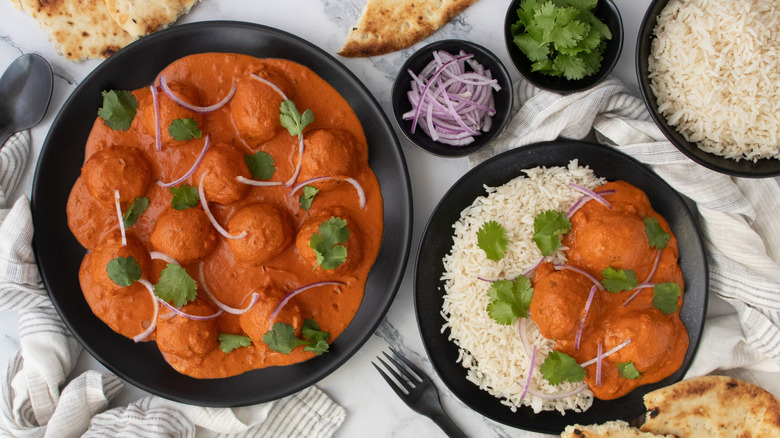
Out of all the many types of curry, butter chicken is one of the most beloved for its rich, creamy, and tomato-saucy base and tender, slow-simmered chicken. It's pretty hard to beat that classic curry formula, but in this butter chicken meatballs recipe, I transform the Indian classic into something a little different, for those who want to switch up their dinner routine without straying too far from those tried-and-true flavors.
I took oodles of flavor inspiration from OG butter chicken in this recipe. Traditional butter chicken boasts a yogurt-based marinade, and I repurpose that into a super savory (and juicy-moist) meatball seasoning in this recipe. The tomatoey, curry-inspired sauce is an absolute star, with heaps of garlic, ginger, garam masala, coriander, and cumin infusing every rich, creamy, and buttery bite. I kept things on the milder side in terms of heat, so as to cater to more palates, but I'd imagine that some zesty sauteed chile peppers would be divine in the sauce as well.
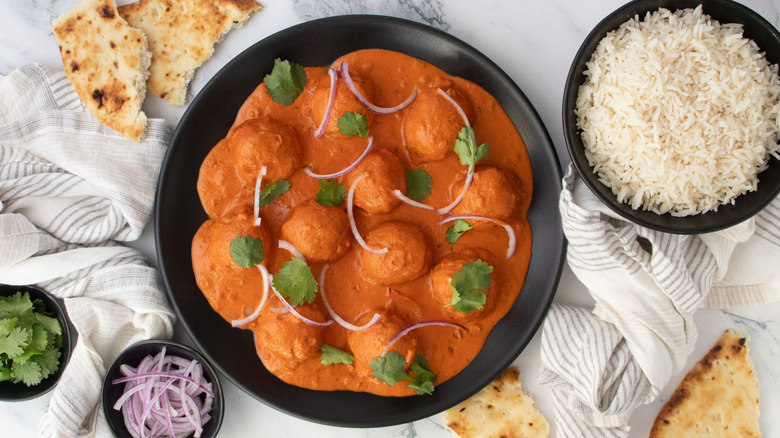
I love that this recipe is a sort of culinary unicorn, working just as well as a cozy weeknight meal as it does as a more fancy, dinner party-worthy dish. Simple sides like steamed basmati rice and garlic naan go a long way in complementing the butter chicken meatballs without overpowering them, while fresh cilantro and shaved red onion add just the right pop of freshness.
Gather the ingredients for butter chicken meatballs
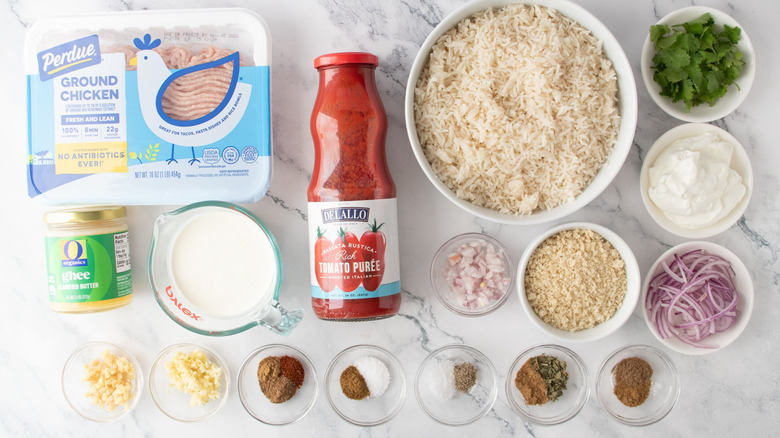
For the meatball mixture, start with ghee, minced garlic, minced fresh ginger, ground cumin, ground coriander, chili powder, garam masala, salt, plain yogurt, ground chicken, and panko breadcrumbs. Next, for the butter chicken sauce, reach for more ghee, garlic, fresh ginger, minced shallot, cumin, coriander, garam masala, dried fenugreek leaves, tomato passata, heavy cream, salt, and pepper. You'll need thinly sliced red onion and fresh cilantro for topping, along with cooked basmati rice for serving.
Step 1: Preheat the oven
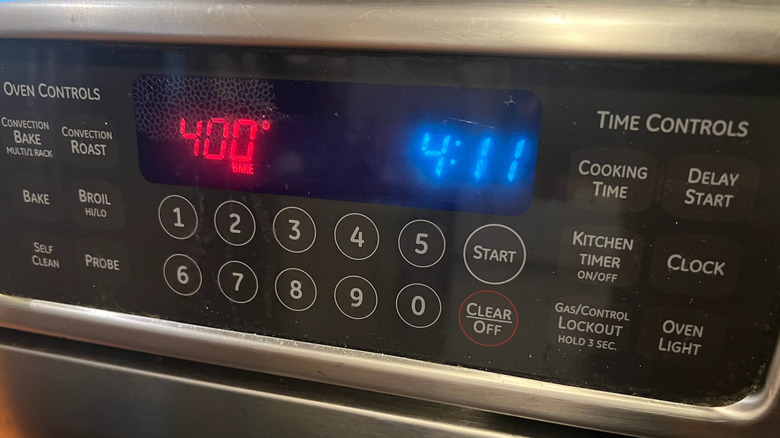
Preheat the oven to 400 F.
Step 2: Melt the ghee in a skillet
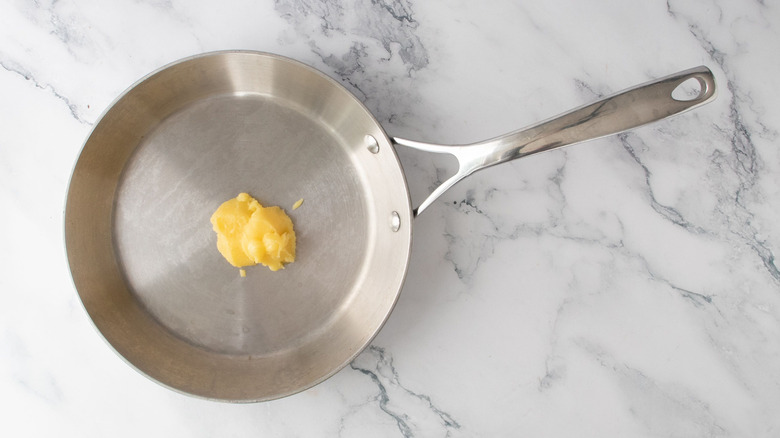
To make the meatballs, melt the ghee in a medium skillet over medium heat.
Step 3: Add the garlic, ginger, and spices to the skillet
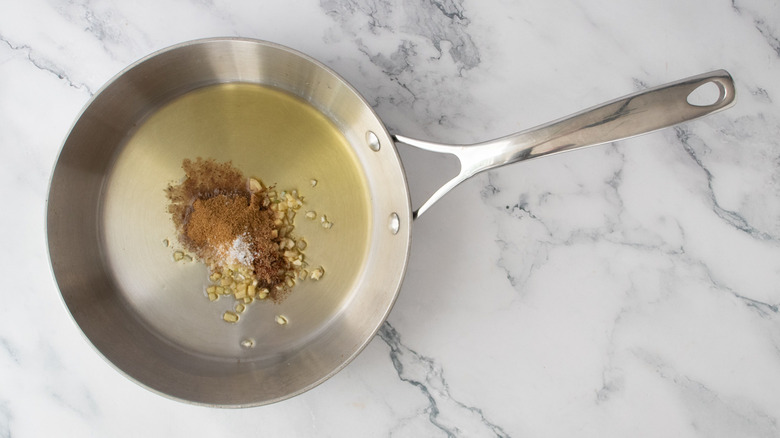
Once melted, add the garlic, ginger, cumin, coriander, chili powder, garam masala, and salt to the skillet.
Step 4: Stir the spices into the ghee
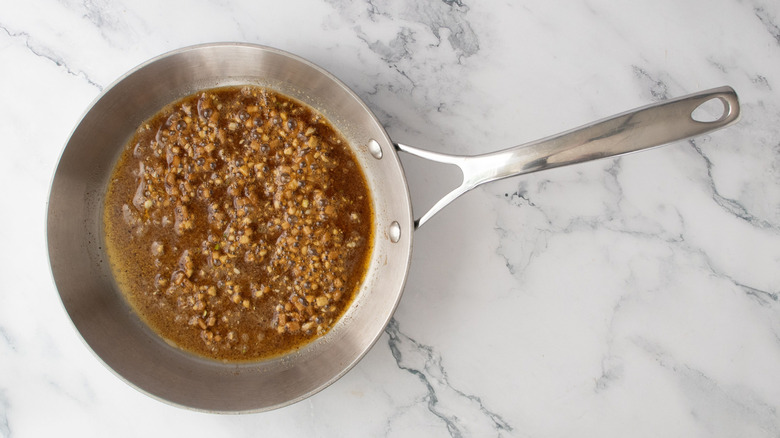
Stir the seasonings together and saute for 2 minutes or until fragrant.
Step 5: Transfer the spice mixture to a bowl
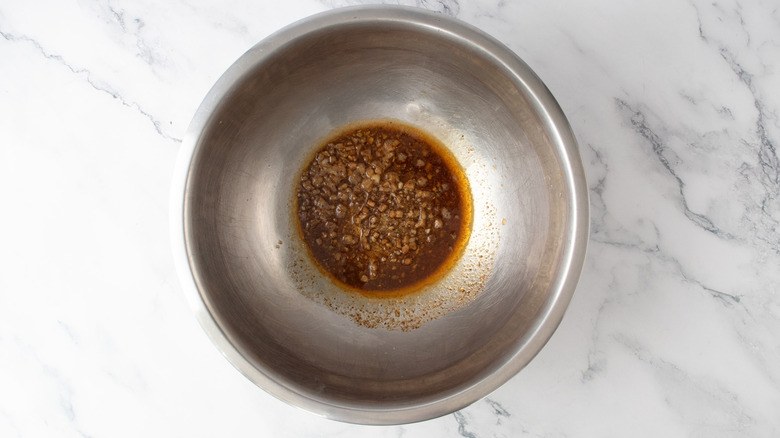
Remove the aromatic mixture from the skillet and transfer it to a large bowl.
Step 6: Whisk in the yogurt
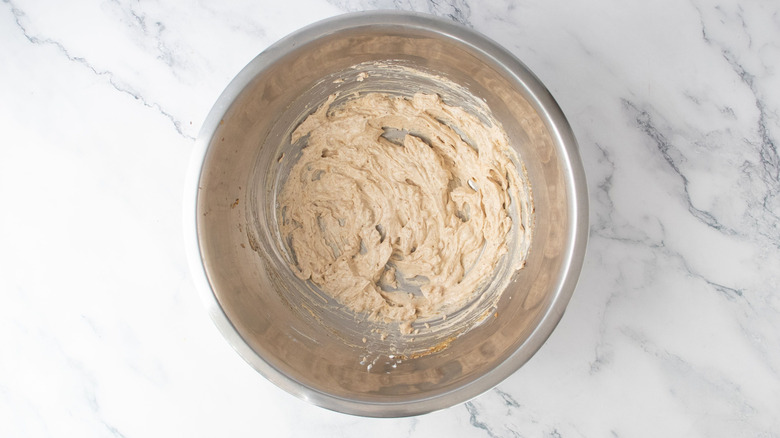
Add the yogurt to the bowl and whisk to combine.
Step 7: Mix in the chicken and breadcrumbs
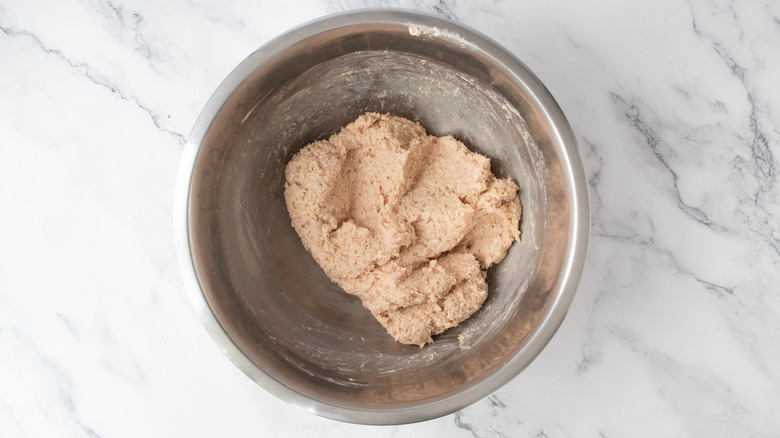
Add the ground chicken and breadcrumbs to the bowl and stir until thoroughly combined.
Step 8: Prep a baking sheet
Line a large baking sheet with parchment paper.
Step 9: Portion the meatballs and place them on the baking sheet
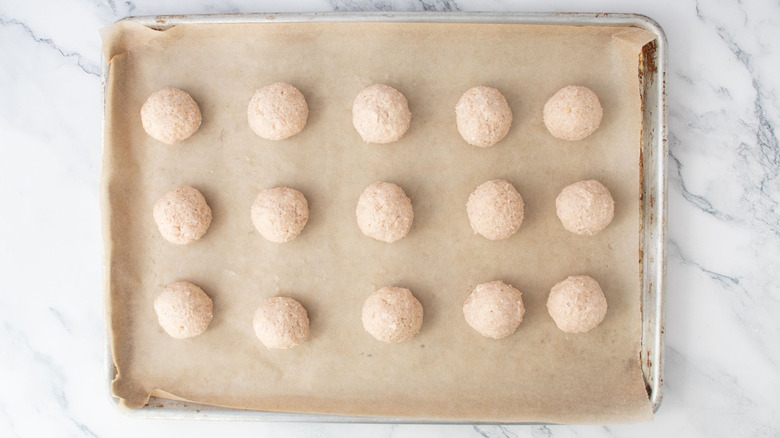
Using a scoop, portion the mixture, and roll into balls (wet your hands with a little water to keep the meatballs from sticking). Place the meatballs on the prepared baking sheet.
Step 10: Put the meatballs in the oven
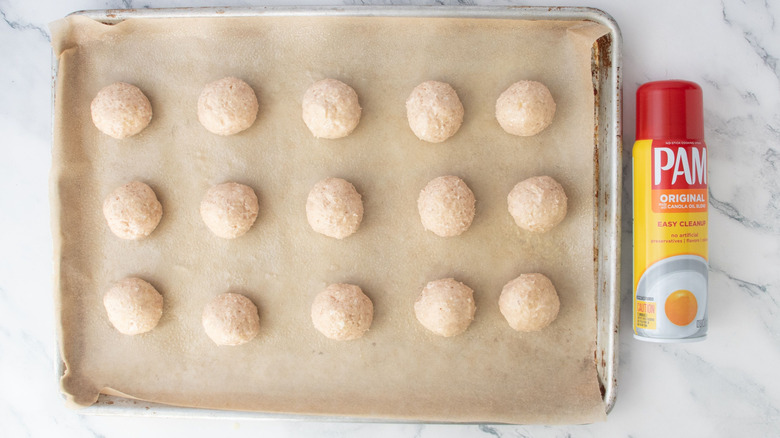
Spritz the meatballs with cooking spray and place in the oven.
Step 11: Bake the meatballs
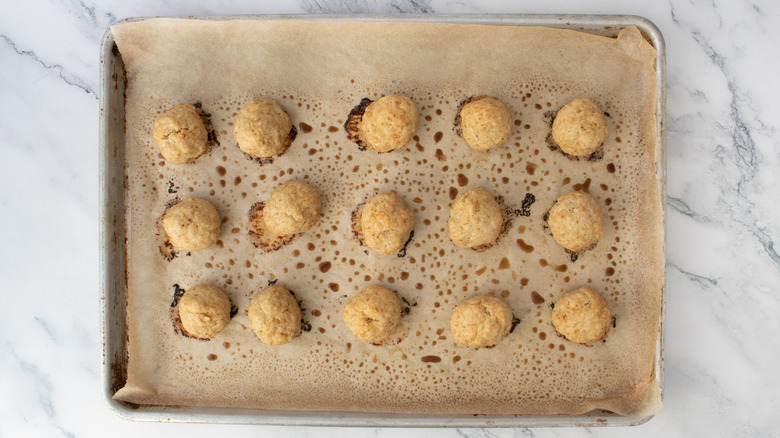
Bake for 20 to 30 minutes or until cooked through and golden.
Step 12: Start the butter sauce
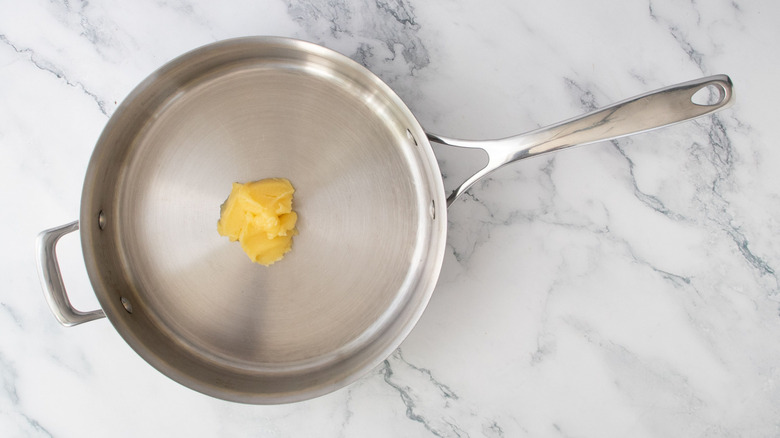
Make the butter sauce by melting the ghee in a large high-sided skillet over medium heat.
Step 13: Add the garlic, ginger, shallot, and spices
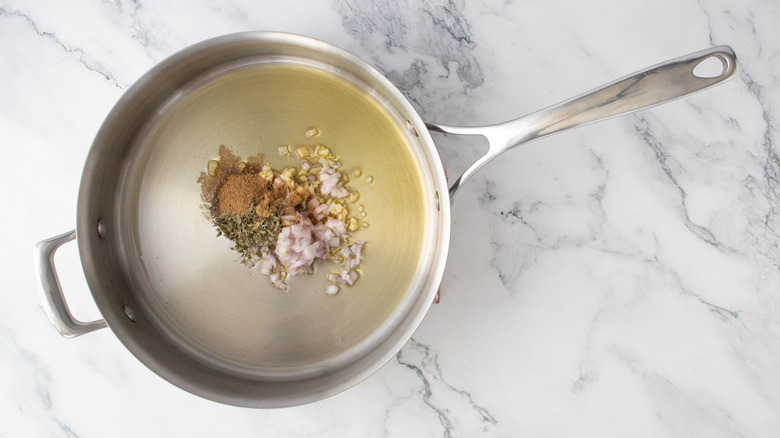
Add the garlic, ginger, shallot, cumin, coriander, garam masala, and fenugreek leaves to the skillet.
Step 14: Saute to soften the veggies
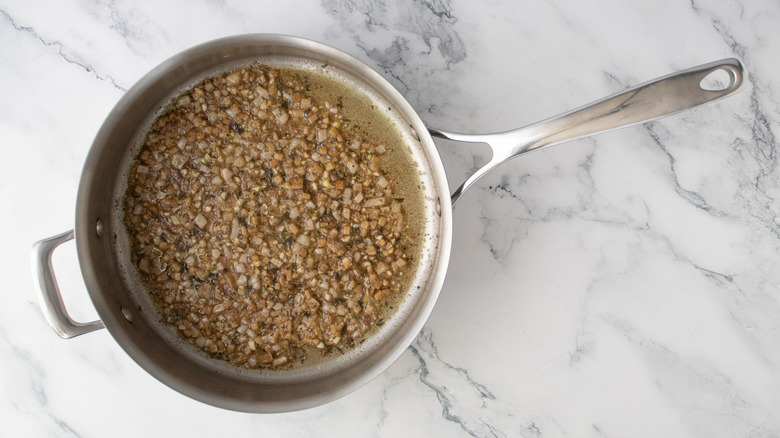
Stir to combine and saute for 2 to 3 minutes or until the veggies are tender.
Step 15: Whisk in the passata and cream
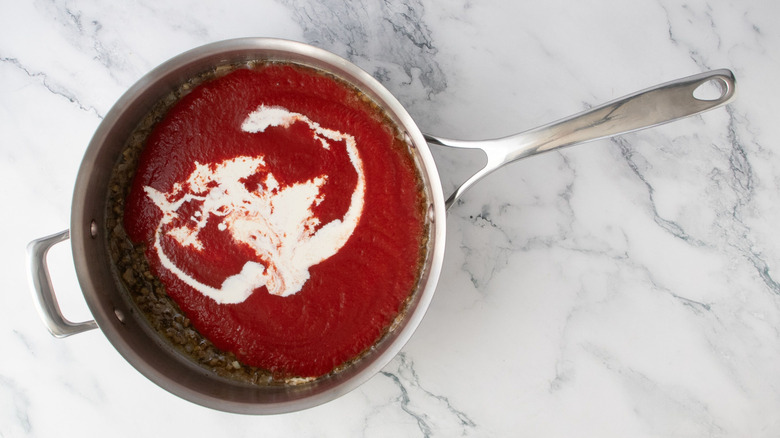
Add the passata and cream to the skillet and whisk to combine.
Step 16: Simmer the sauce
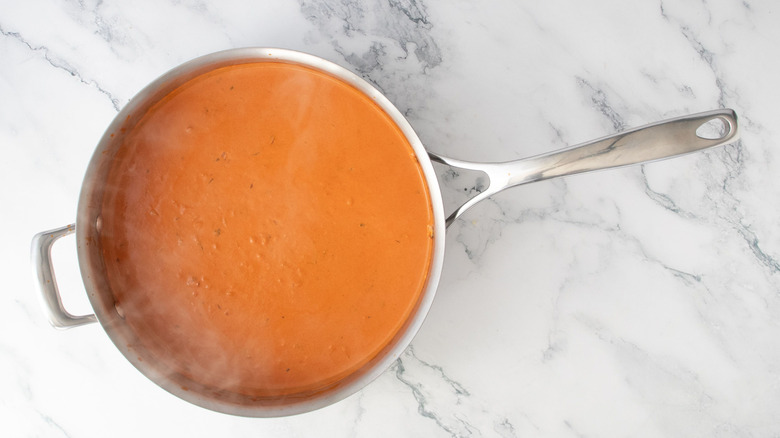
Bring the sauce to a simmer, reduce the heat to low, and cook for 10 minutes, stirring occasionally. Season with salt and pepper.
Step 17: Transfer the meatballs to the saucepan
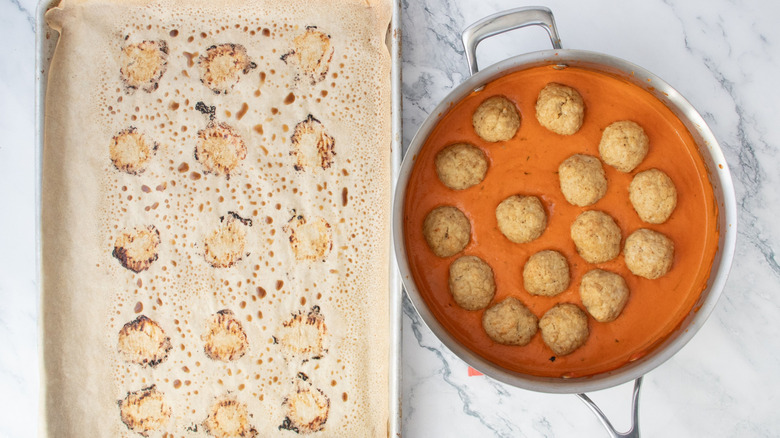
Transfer the baked meatballs to the skillet.
Step 18: Coat the meatballs in sauce and cook some more
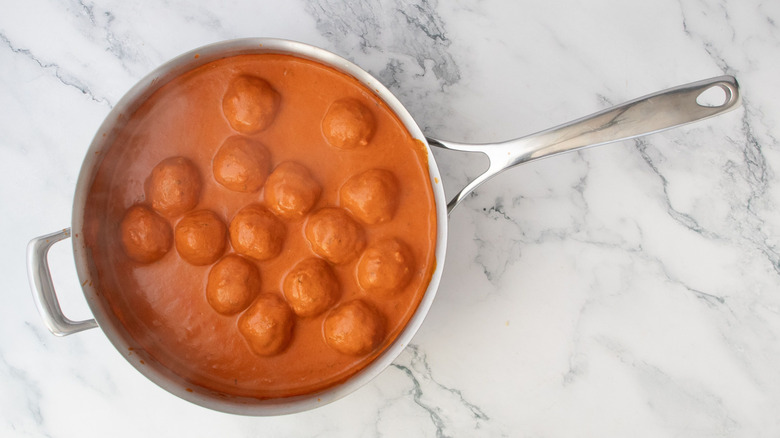
Coat the meatballs in the sauce and continue to cook for another 10 minutes, gently stirring occasionally.
Step 19: Garnish the butter chicken meatballs with red onion and cilantro before serving
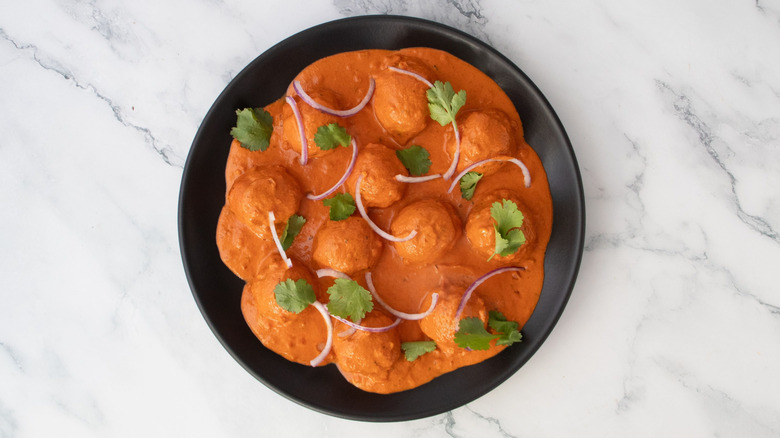
To serve, sprinkle the meatballs with red onion and cilantro and serve with basmati rice.
What can I serve with butter chicken meatballs?
Butter Chicken Meatballs Recipe
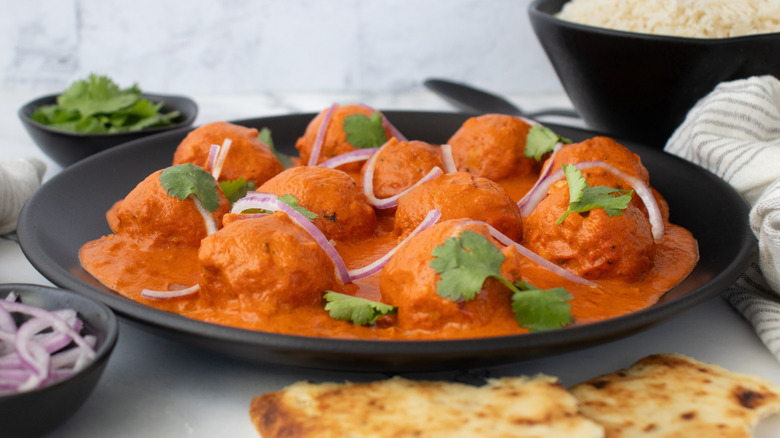
Tender, well-seasoned chicken meatballs are simmered in a creamy, buttery, rich, and tomatoey sauce in our easy butter chicken meatballs recipe.
Ingredients
- For the meatball mix
- 2 tablespoons ghee
- 2 garlic cloves, peeled and minced
- 2 teaspoons minced fresh ginger
- ½ teaspoon ground cumin
- ½ teaspoon ground coriander
- ½ teaspoon chili powder
- ½ teaspoon garam masala
- ½ teaspoon salt
- ½ cup plain yogurt
- 1 pound ground chicken
- ⅔ cup panko breadcrumbs
- For the butter chicken sauce
- 3 tablespoons ghee
- 2 garlic cloves, peeled and minced
- 2 teaspoons minced fresh ginger
- ¼ cup minced shallot
- ½ teaspoon ground cumin
- ½ teaspoon ground coriander
- 1 teaspoon garam masala
- 1 teaspoon dried fenugreek leaves
- 1 ½ cups tomato passata
- 1 cup heavy cream
- ½ teaspoon salt
- ¼ teaspoon black pepper
- 4 cups cooked basmati rice, to serve
- For toppings
- ⅓ cup thinly sliced red onion
- ¼ cup fresh cilantro leaves
Directions
- Preheat the oven to 400 F.
- To make the meatballs, melt the ghee in a medium skillet over medium heat.
- Once melted, add the garlic, ginger, cumin, coriander, chili powder, garam masala, and salt to the skillet.
- Stir the seasonings together and saute for 2 minutes or until fragrant.
- Remove the aromatic mixture from the skillet and transfer it to a large bowl.
- Add the yogurt to the bowl and whisk to combine.
- Add the ground chicken and breadcrumbs to the bowl and stir until thoroughly combined.
- Line a large baking sheet with parchment paper.
- Using a scoop, portion the mixture, and roll into balls (wet your hands with a little water to keep the meatballs from sticking). Place the meatballs on the prepared baking sheet.
- Spritz the meatballs with cooking spray and place in the oven.
- Bake for 20 to 30 minutes or until cooked through and golden.
- Make the butter sauce by melting the ghee in a large high-sided skillet over medium heat.
- Add the garlic, ginger, shallot, cumin, coriander, garam masala, and fenugreek leaves to the skillet.
- Stir to combine and saute for 2 to 3 minutes or until the veggies are tender.
- Add the passata and cream to the skillet and whisk to combine.
- Bring the sauce to a simmer, reduce the heat to low, and cook for 10 minutes, stirring occasionally. Season with salt and pepper.
- Transfer the baked meatballs to the skillet.
- Coat the meatballs in the sauce and continue to cook for another 10 minutes, gently stirring occasionally.
- To serve, sprinkle the meatballs with red onion and cilantro and serve with basmati rice.
Nutrition
| Calories per Serving | 826 |
| Total Fat | 49.0 g |
| Saturated Fat | 27.1 g |
| Trans Fat | 0.8 g |
| Cholesterol | 209.7 mg |
| Total Carbohydrates | 68.9 g |
| Dietary Fiber | 4.1 g |
| Total Sugars | 9.4 g |
| Sodium | 737.4 mg |
| Protein | 30.3 g |

Do I have to use heavy cream in the butter chicken sauce?
It's not uncommon to come across a recipe that calls for using heavy cream somewhere in the mix that notes that you could use half-and-half or even whole milk in its place. This is not that kind of recipe. With such a rich, tomato-based sauce, it's essential to use the heavy, full-duty stuff to balance out all of those acidic tomato notes.
But it's not just flavor balance that we're considering. Since tomatoes (and by proxy, tomato-based products like passata) are so acidic, they need something very high in fat to create a stable emulsion. Heavy cream is great at holding its own in acidic sauces, and it doesn't break easily. Lower-fat milk and even half-and-half lack enough fat to create a stable emulsion, so if you were to use one of these products, there's a very good chance your sauce would end up grainy, curdled, or chunky.
While heavy cream isn't prone to breaking in sauce, it can happen. To prevent possible breakage in the sauce, let your heavy cream sit at room temperature for a few minutes before throwing it into the hot, saucy mixture. Always keep the heat at a moderate-to-low simmer, and never bring the sauce to a boil — intense heat could cause your sauce to break, even with heavy cream's superior fat content.
What is ghee, and what could I use in its place?
If you cook Indian cuisine on the regular, then there's a good chance you've used ghee. It's a tremendously tasty and versatile ingredient, especially useful for higher-heat cooking since it has a higher smoke point than regular butter. Ghee is a type of clarified butter, and it's essential in Indian cooking and South Asian cuisine in general. Naturally, it has a very rich, buttery flavor profile, but thanks to the clarifying process that it goes through, it also boasts nutty notes and much more depth than your average fat. It's typically pretty easy to find ghee in grocery stores, since it's a shelf-stable ingredient, often stocked beside olive oils and cooking sprays. Since it's shelf-stable, you can also easily buy it online.
In a pinch, if you don't have ghee at home or can't find it, you can make classic clarified butter. There is technically a slight difference between ghee and French-style clarified butter, and it mostly comes down to the fact that ghee is cooked a bit longer. But, for the easiest home cook-approved solution, a simple clarified butter will get the job done in this recipe. Start by heating a couple of sticks of butter over medium-low heat — we're talking barely a simmer. As the butter melts, it will begin to separate and develop foam on top. Scoop all of the foam away, and you should be left with clear, yellowish butterfat and milky white solids. Strain the mixture through a fine mesh strainer, cheesecloth, or coffee filter and discard the milky solids. Then you can use the clarified butter in this recipe, and store any leftovers in a sealed container in the fridge for upwards of months.